
 EN
EN




Safety considerations in industrial high voltage systems represent one of the most critical aspects of modern electrical infrastructure design. These complex systems require meticulous planning and engineering expertise to ensure both operational efficiency and worker protection. The design of industrial high voltage installations involves multiple layers of safety protocols, advanced protective equipment, and comprehensive risk assessment procedures that work together to create secure electrical environments.
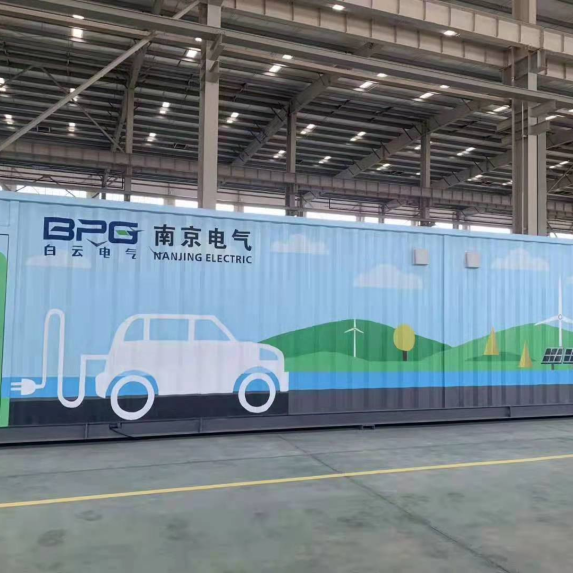
Engineering teams must navigate complex safety regulations while maintaining system performance standards. The integration of protection mechanisms within industrial high voltage systems demands careful balance between accessibility for maintenance and complete isolation during operation. Modern facilities increasingly rely on sophisticated monitoring systems and automated safety features to prevent accidents and equipment failures.
Fundamental Safety Principles in High Voltage Design
Electrical Isolation and Clearance Requirements
Proper electrical isolation forms the cornerstone of safe industrial high voltage system design. Engineers must calculate minimum clearance distances based on voltage levels, environmental conditions, and applicable safety standards. These clearances prevent flashover incidents and ensure adequate separation between energized components and grounded surfaces.
Air gaps and solid insulation materials work together to create multiple barriers against electrical faults. The selection of insulation materials requires careful consideration of temperature ratings, moisture resistance, and long-term degradation characteristics. Industrial high voltage installations often incorporate redundant insulation systems to provide backup protection if primary barriers fail.
Clearance calculations must account for altitude effects, pollution levels, and transient overvoltage conditions. Higher elevations reduce air density and require increased clearances for the same level of protection. Environmental factors such as salt spray, industrial pollutants, and humidity significantly influence insulation performance and safety margins.
Grounding and Earthing Systems
Comprehensive grounding networks provide essential safety pathways for fault currents and equipment protection. Industrial high voltage systems require multiple grounding electrodes connected through low-resistance conductors to create effective earth connections. These networks must handle fault currents without creating dangerous voltage gradients across the installation site.
Equipment grounding ensures all metallic enclosures and structures maintain the same electrical potential during normal and fault conditions. Proper bonding between equipment frames, cable trays, and structural elements eliminates dangerous voltage differences that could endanger personnel. Ground fault detection systems continuously monitor insulation integrity and automatically disconnect faulty circuits.
Step and touch voltage calculations determine safe approach distances and working procedures around grounded equipment. Engineers analyze soil resistivity and current distribution patterns to identify potential hazard zones. Special grounding mats and equipotential bonding may be required in areas where personnel regularly work near energized equipment.
Protective Equipment and Safety Systems
Circuit Breakers and Switching Devices
Modern circuit breakers in industrial high voltage applications incorporate advanced arc extinguishing technologies and fast operating mechanisms. These devices must interrupt fault currents safely while maintaining system stability during normal switching operations. SF6 gas insulation and vacuum interrupters provide superior performance compared to traditional air-blast designs.
Motor-operated disconnectors and load break switches enable safe isolation of equipment for maintenance activities. These switching devices include mechanical interlocks and position indicators that prevent unsafe operating sequences. Remote operation capabilities allow operators to control switching from secure locations away from potential arc flash hazards.
Protective relay systems coordinate with circuit breakers to provide selective fault clearing and system stability. Digital relays offer advanced protection algorithms and communication capabilities that enhance overall system safety. Time-current coordination studies ensure proper relay operation sequences that minimize disruption while clearing faults quickly.
Arc Flash Protection Measures
Arc flash hazard analysis determines incident energy levels and establishes appropriate personal protective equipment requirements. Industrial high voltage systems require comprehensive arc flash studies that consider system configuration, fault current levels, and protective device characteristics. These analyses identify high-risk areas and inform safety procedure development.
Arc-resistant switchgear designs redirect fault energy away from operator areas through pressure relief systems and specialized enclosure construction. These engineered solutions can significantly reduce injury potential during internal arc events. Proper maintenance practices and inspection procedures help prevent conditions that could lead to arc flash incidents.
Remote racking systems allow operators to insert and withdraw circuit breakers from safe distances. These mechanisms reduce exposure time in potential arc flash zones and enable safer maintenance procedures. Infrared windows provide non-invasive temperature monitoring capabilities without exposing personnel to energized equipment.
Environmental and Operational Safety Considerations
Weather Protection and Environmental Barriers
Industrial high voltage equipment requires robust protection against environmental conditions that could compromise safety or reliability. Weather-resistant enclosures shield sensitive components from moisture, dust, and temperature extremes while maintaining adequate ventilation for heat dissipation. Proper sealing and drainage systems prevent water accumulation that could create tracking paths or reduce insulation effectiveness.
Lightning protection systems safeguard installations from direct strikes and induced overvoltages. Surge arresters and lightning rods work together to provide comprehensive protection for equipment and personnel. Proper coordination between surge protective devices ensures effective voltage limitation during transient events.
Corrosion protection extends equipment life and maintains safety margins over time. Galvanized coatings, stainless steel components, and cathodic protection systems prevent deterioration of critical safety elements. Regular inspection and maintenance programs identify corrosion issues before they compromise system integrity.
Access Control and Physical Security
Restricted access zones around industrial high voltage equipment prevent unauthorized entry and accidental contact with energized components. Perimeter fencing, locked enclosures, and warning signs create multiple barriers to entry. Electronic access control systems maintain records of personnel entering hazardous areas and can integrate with safety procedures.
Interlocking systems prevent equipment operation when maintenance personnel are present in hazardous areas. These safety systems require positive confirmation of personnel safety before allowing energization. Lockout/tagout procedures provide additional protection during maintenance activities by ensuring equipment remains de-energized.
Emergency response procedures address potential accidents and equipment failures. Quick-acting emergency stops and automated shutdown systems can rapidly de-energize equipment during emergencies. First aid stations and emergency communication systems provide immediate response capabilities for injured personnel.
Advanced Monitoring and Control Technologies
Condition Monitoring Systems
Continuous monitoring of equipment condition helps identify potential safety hazards before they develop into serious problems. Partial discharge detection systems monitor insulation integrity in real-time and provide early warning of deterioration. Temperature monitoring identifies overheating conditions that could lead to equipment failure or fire hazards.
Gas analysis systems in oil-filled equipment detect incipient faults through dissolved gas monitoring. These systems can identify developing problems weeks or months before visible symptoms appear. Vibration monitoring on rotating equipment provides similar predictive capabilities for mechanical components in industrial high voltage installations.
Digital communication networks enable centralized monitoring and control of distributed safety systems. SCADA systems provide operators with comprehensive visibility into system status and alarm conditions. Automated data logging creates permanent records for regulatory compliance and trend analysis.
Automated Safety Systems
Intelligent protection systems adapt to changing system conditions and provide enhanced safety margins. Adaptive relaying algorithms adjust protection settings based on real-time system parameters and loading conditions. These systems reduce the risk of misoperation while maintaining fast fault clearing capabilities.
Autonomous switching systems can reconfigure industrial high voltage networks to isolate faulted sections and restore service to unaffected areas. These systems reduce restoration time and minimize safety risks for operating personnel. Machine learning algorithms analyze historical data to improve decision-making and predict optimal switching sequences.
Integrated safety management systems coordinate multiple protection and control functions to provide comprehensive facility safety. These platforms combine fire detection, gas monitoring, access control, and electrical protection into unified safety architectures. Centralized alarm management reduces operator workload and improves emergency response times.
Maintenance and Testing Procedures
Preventive Maintenance Strategies
Systematic preventive maintenance programs ensure continued safety performance of industrial high voltage systems throughout their service life. Time-based maintenance schedules address routine inspections, cleaning, and component replacement based on manufacturer recommendations and operating experience. Condition-based maintenance strategies optimize maintenance timing based on actual equipment condition rather than fixed intervals.
Insulation testing procedures verify the continued integrity of primary safety barriers. Dielectric testing, insulation resistance measurements, and power factor analysis provide quantitative assessment of insulation condition. These tests must be performed safely using appropriate test equipment and following established safety procedures.
Protective relay testing ensures proper operation of safety systems during fault conditions. Relay test procedures verify correct pickup values, timing characteristics, and communication functions. Regular testing identifies problems before they can compromise system protection and personnel safety.
Safety Testing and Commissioning
Comprehensive testing programs validate safety system performance before industrial high voltage installations enter service. Functional testing verifies proper operation of all protection and control systems under simulated fault conditions. Coordination studies confirm proper interaction between protective devices and ensure selective fault clearing.
Commissioning procedures systematically energize equipment and verify safe operation at each voltage level. These procedures include detailed safety checklists and require qualified personnel with appropriate training and certification. Proper documentation of commissioning results provides baseline data for future maintenance and troubleshooting activities.
Personnel training programs ensure operating and maintenance staff understand safety procedures and emergency response protocols. Regular safety training updates address changes in equipment, procedures, and regulations. Hands-on training with actual equipment helps personnel develop the skills needed to work safely around industrial high voltage systems.
Regulatory Compliance and Standards
Industry Standards and Codes
International standards such as IEC and IEEE provide comprehensive guidelines for industrial high voltage system design and safety. These standards address equipment specifications, installation practices, and safety procedures based on decades of industry experience. Compliance with applicable standards ensures minimum safety levels and provides legal protection for facility owners.
National electrical codes establish minimum safety requirements for electrical installations within specific countries. These codes typically reference international standards while addressing local conditions and regulatory requirements. Regular code updates incorporate new technology developments and lessons learned from field experience.
Industry-specific regulations may impose additional safety requirements for certain applications such as mining, petrochemical, or marine installations. These specialized requirements address unique hazards present in specific operating environments. Compliance requires careful analysis of all applicable regulations and standards.
Documentation and Record Keeping
Comprehensive documentation systems maintain records of design calculations, test results, and maintenance activities for regulatory compliance. These records demonstrate adherence to safety standards and provide evidence of due diligence in system design and operation. Digital document management systems improve accessibility and ensure proper version control.
As-built drawings and system documentation must accurately reflect actual installation configurations. Changes made during construction or modification projects require careful documentation to maintain system safety and facilitate future work. Configuration management procedures ensure documentation remains current throughout the system lifecycle.
Incident reporting systems capture information about equipment failures, near-misses, and safety violations. Analysis of incident data identifies trends and opportunities for safety improvements. Lessons learned from incidents contribute to improved design practices and operating procedures for future industrial high voltage installations.
FAQ
What are the most critical safety features in industrial high voltage systems
The most critical safety features include proper electrical isolation with adequate clearances, comprehensive grounding systems, arc flash protection measures, and reliable protective relaying. These systems work together to prevent electrical contact, provide safe fault current paths, minimize arc flash hazards, and quickly clear electrical faults before they can cause injury or equipment damage.
How often should industrial high voltage equipment be tested for safety
Testing frequency depends on equipment type, operating conditions, and regulatory requirements. Protective relays typically require annual testing, while insulation testing may be performed every 3-5 years. Critical safety systems such as emergency stops and interlocks should be tested monthly or quarterly. Manufacturer recommendations and industry standards provide specific guidance for different equipment types.
What qualifications are required for personnel working with industrial high voltage systems
Personnel must have appropriate electrical training, certification in high voltage work practices, and regular safety training updates. Many jurisdictions require specific licenses or certifications for industrial high voltage work. Arc flash safety training, first aid certification, and emergency response training are typically mandatory. Experience requirements vary but usually include supervised work under qualified personnel before independent operation is permitted.
How do environmental factors affect industrial high voltage system safety
Environmental factors such as altitude, humidity, pollution, and temperature significantly impact safety requirements. Higher altitudes require increased electrical clearances due to reduced air density. Humidity and pollution reduce insulation effectiveness and may require enhanced protection measures. Temperature extremes affect equipment ratings and may necessitate additional cooling or heating systems to maintain safe operating conditions.
Table of Contents
- Fundamental Safety Principles in High Voltage Design
- Protective Equipment and Safety Systems
- Environmental and Operational Safety Considerations
- Advanced Monitoring and Control Technologies
- Maintenance and Testing Procedures
- Regulatory Compliance and Standards
-
FAQ
- What are the most critical safety features in industrial high voltage systems
- How often should industrial high voltage equipment be tested for safety
- What qualifications are required for personnel working with industrial high voltage systems
- How do environmental factors affect industrial high voltage system safety