
 EN
EN



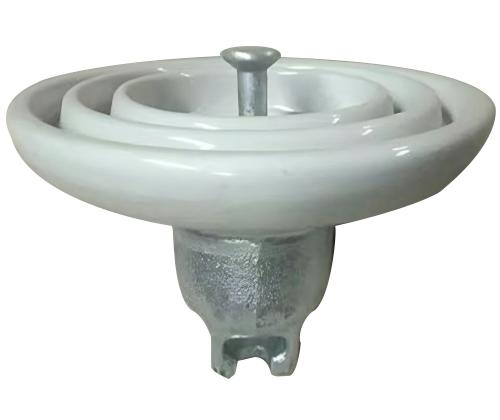
The modern electrical grid represents one of humanity's most complex engineering achievements, delivering power across vast distances to millions of consumers daily. At the heart of this intricate system lies a critical component that often goes unnoticed despite its fundamental importance: the insulator. These specialized devices serve as the backbone of electrical transmission infrastructure, ensuring safe and reliable power delivery while protecting both equipment and personnel from dangerous electrical faults.
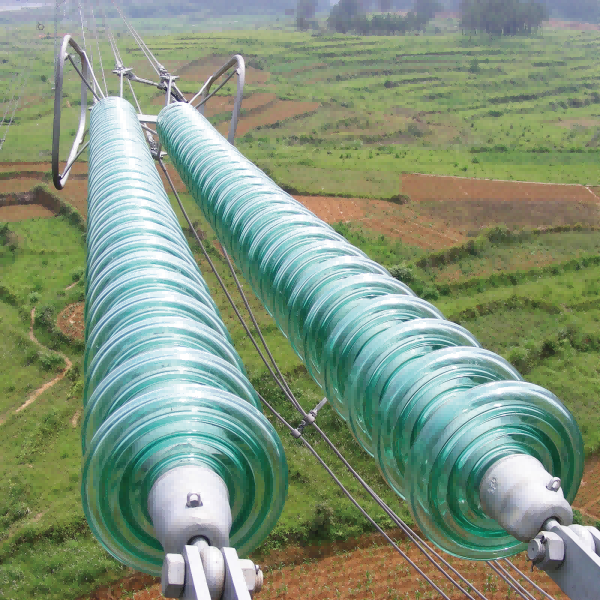
Power grid stability depends on numerous interconnected factors, but the role of insulators cannot be overstated. These devices prevent unwanted electrical current flow between conductors and supporting structures, maintaining the integrity of electrical circuits across transmission and distribution networks. Without reliable insulator performance, electrical systems would experience frequent outages, equipment damage, and potentially catastrophic failures that could cascade throughout entire regional grids.
The strategic placement and proper functioning of insulators throughout electrical infrastructure directly impacts grid resilience, operational efficiency, and long-term sustainability. As power demands continue to grow and renewable energy sources become more prevalent, understanding how insulators contribute to grid stability becomes increasingly crucial for utility operators, engineers, and policymakers alike.
Fundamental Principles of Electrical Insulation
Dielectric Properties and Material Science
The effectiveness of any insulator stems from its fundamental dielectric properties, which determine how well the material resists electrical current flow. Modern insulator materials exhibit high dielectric strength, meaning they can withstand substantial voltage differences without allowing current to pass through them. This property is measured in kilovolts per millimeter and varies significantly among different materials used in electrical applications.
Porcelain, glass, and polymer materials each offer unique advantages for insulator construction. Porcelain insulators have dominated transmission systems for decades due to their excellent mechanical strength and thermal stability. Glass insulators provide superior performance in contaminated environments and offer better visibility for inspection purposes. Polymer insulators, while newer to the market, deliver exceptional performance in coastal and industrial environments where traditional materials may degrade more rapidly.
The molecular structure of insulator materials directly influences their long-term performance characteristics. Crystalline materials like porcelain and glass maintain consistent properties over extended periods, while polymer materials rely on carefully engineered additives to prevent degradation from ultraviolet radiation, ozone exposure, and temperature cycling.
Electrical Field Management and Stress Distribution
Proper insulator design requires careful consideration of electrical field distribution across the device surface. Engineers must ensure that voltage stress is distributed evenly to prevent localized breakdown points that could compromise the entire insulator assembly. This involves sophisticated modeling of electrical fields and optimization of insulator profiles to minimize stress concentrations.
The shape and configuration of an insulator significantly affects its ability to withstand electrical stress over time. Bell-shaped profiles, shed arrangements, and leakage distance calculations all contribute to the overall effectiveness of the insulator in preventing flashover events during normal and abnormal operating conditions.
Advanced computational tools now allow engineers to simulate electrical field behavior under various environmental conditions, enabling more precise insulator design and selection for specific applications. This scientific approach to insulator engineering has substantially improved grid reliability and reduced maintenance requirements across modern electrical systems.
Environmental Factors Affecting Insulator Performance
Contamination and Surface Degradation
Environmental contamination represents one of the most significant challenges to long-term insulator performance. Salt deposits, industrial pollutants, and biological growth can accumulate on insulator surfaces, creating conductive paths that compromise their electrical integrity. These contamination layers gradually build up over time, eventually leading to flashover events if not properly managed through regular maintenance programs.
Different types of contamination affect insulator performance in unique ways. Salt contamination from coastal environments creates highly conductive surface films when moisture is present. Industrial pollutants may form chemical compounds that permanently alter insulator surface properties. Agricultural contamination often includes organic compounds that support biological growth, creating additional pathways for electrical leakage.
Modern insulator designs incorporate specific features to minimize contamination effects. Self-cleaning profiles, hydrophobic surface treatments, and optimized shed configurations help reduce contamination accumulation and maintain electrical performance over extended periods without frequent manual cleaning.
Weather Impact and Climate Considerations
Weather conditions play a crucial role in determining insulator performance and longevity. Temperature variations cause thermal expansion and contraction cycles that can stress insulator materials and mounting hardware. Extreme temperatures may also affect the electrical properties of insulator materials, particularly polymer-based designs that rely on organic compounds for their structure.
Moisture and humidity create challenging conditions for insulator operation. Water films on insulator surfaces reduce their effective electrical resistance and can lead to flashover events under high voltage conditions. Ice and snow accumulation present additional challenges by altering the physical and electrical characteristics of insulator assemblies during winter months.
Lightning activity poses both direct and indirect threats to insulator performance. While insulators are designed to withstand normal lightning surges, repeated exposure to high-energy transients can gradually degrade their electrical properties. The cumulative effect of lightning exposure over many years contributes to the gradual aging process that eventually necessitates insulator replacement.
Mechanical Integrity and Structural Considerations
Load Distribution and Stress Analysis
The mechanical performance of insulators directly impacts their ability to maintain electrical isolation over time. These components must support not only the weight of conductors but also additional loads from wind, ice, and dynamic forces created by electrical faults. Proper mechanical design ensures that insulators can withstand these forces without failure while maintaining their electrical properties.
Tension and compression loading create different stress patterns within insulator materials. Engineers must carefully analyze these stress distributions to prevent crack initiation and propagation that could lead to catastrophic failure. Modern finite element analysis techniques allow for detailed examination of stress concentrations and optimization of insulator geometry for specific loading conditions.
The connection between insulators and supporting structures requires special attention to prevent galvanic corrosion and mechanical wear. Different materials in contact can create electrochemical cells that accelerate corrosion processes, particularly in marine environments where salt contamination is prevalent.
Fatigue Resistance and Long-Term Durability
Insulators experience continuous cyclic loading from wind-induced conductor motion, thermal expansion effects, and electrical forces. This repetitive loading can lead to fatigue failures if not properly addressed in the original design. Understanding fatigue mechanisms in insulator materials helps engineers predict service life and establish appropriate maintenance intervals.
Material selection plays a critical role in achieving long-term mechanical reliability. Glass insulators exhibit excellent fatigue resistance due to their homogeneous structure and absence of internal stress concentrations. Porcelain insulators require careful quality control during manufacturing to ensure consistent properties throughout the material. Polymer insulators rely on fiber reinforcement to provide mechanical strength and fatigue resistance.
Regular inspection and testing programs help identify potential mechanical issues before they result in service failures. Non-destructive testing techniques can detect internal cracks, bond deterioration, and other defects that might compromise insulator performance over time.
Installation and Maintenance Best Practices
Proper Installation Techniques
The installation process significantly affects long-term insulator performance and grid stability. Proper handling procedures prevent damage to insulator surfaces that could compromise their electrical properties. Installation crews must follow specific protocols to ensure that insulators are properly seated, torqued to correct specifications, and aligned to minimize mechanical stress concentrations.
Environmental conditions during installation can affect insulator performance for years to come. Installing insulators during periods of high humidity or contamination can trap contaminants beneath hardware components, creating long-term performance issues. Proper scheduling of installation activities and use of protective measures help ensure optimal initial conditions.
Quality control during installation involves verification of insulator electrical properties, mechanical integrity, and proper assembly configuration. Testing procedures help identify any insulators that may have been damaged during shipping or handling, preventing their installation in critical locations where failure could have serious consequences.
Predictive Maintenance Strategies
Modern maintenance programs increasingly rely on predictive techniques to optimize insulator replacement timing and reduce unexpected failures. Condition monitoring technologies can detect early signs of insulator degradation, allowing maintenance crews to schedule replacements during planned outages rather than responding to emergency failures.
Infrared thermography helps identify hot spots that may indicate developing electrical problems in insulator assemblies. Corona discharge detection equipment can locate areas of high electrical stress that could lead to eventual flashover events. These diagnostic tools enable proactive maintenance strategies that improve overall grid reliability.
Database tracking of insulator performance history allows utilities to identify patterns and trends that can inform future maintenance decisions. Statistical analysis of failure modes helps optimize replacement schedules and improve procurement specifications for new insulator installations.
Technological Advances and Future Developments
Smart Insulator Technologies
The integration of smart technologies into insulator design represents a significant advancement in grid monitoring capabilities. Embedded sensors can provide real-time data on insulator condition, environmental factors, and electrical performance. This information enables more precise maintenance scheduling and helps prevent unexpected failures that could compromise grid stability.
Wireless communication capabilities allow insulator condition data to be transmitted to central monitoring stations without requiring physical access to remote locations. This technology is particularly valuable for insulators installed in difficult-to-reach areas where regular inspection is challenging or costly.
Advanced materials research continues to develop new insulator compounds with improved performance characteristics. Nanocomposite materials offer enhanced electrical properties while maintaining mechanical strength. Self-healing polymers could potentially repair minor surface damage automatically, extending insulator service life and reducing maintenance requirements.
Integration with Renewable Energy Systems
The growing penetration of renewable energy sources creates new challenges for insulator performance in modern electrical grids. Variable power generation from wind and solar sources can create unusual electrical stress patterns that differ from traditional power generation. Insulators must be designed and selected to handle these dynamic conditions while maintaining long-term reliability.
High-voltage direct current transmission systems used to transport renewable energy over long distances require specialized insulator designs. These applications subject insulators to different electrical stress patterns compared to traditional alternating current systems, requiring careful engineering analysis and testing to ensure adequate performance.
Smart grid technologies rely on sophisticated communication and control systems that must operate reliably in the presence of high electrical fields near transmission lines. Insulator performance directly affects the electromagnetic environment around power lines, influencing the operation of sensitive electronic equipment used for grid control and monitoring.
Economic Impact and Cost Considerations
Life Cycle Cost Analysis
The economic impact of insulator selection extends far beyond initial purchase costs. Life cycle cost analysis considers factors including installation expenses, maintenance requirements, expected service life, and potential failure consequences. These comprehensive evaluations help utilities make informed decisions about insulator procurement and replacement strategies.
Premium insulator materials and designs often justify their higher initial costs through reduced maintenance requirements and longer service life. Polymer insulators may cost more initially than traditional porcelain designs but can provide significant savings in areas with high contamination levels where frequent cleaning would otherwise be required.
The cost of power outages caused by insulator failures can be substantial, particularly in areas serving critical infrastructure or industrial customers. Reliable insulator performance helps avoid these costly interruptions while maintaining the utility's reputation for service quality.
Risk Management and Reliability Engineering
Insulator reliability directly impacts overall grid risk profiles and affects utility planning decisions. Statistical analysis of insulator failure rates helps engineers determine appropriate safety margins and redundancy levels for critical transmission lines. This information guides investment decisions and helps prioritize maintenance activities across large utility systems.
Environmental risk factors must be considered when selecting insulators for specific locations. Coastal installations require insulators with enhanced contamination resistance, while areas subject to severe weather may need designs with superior mechanical strength. Matching insulator characteristics to local environmental conditions minimizes long-term reliability risks.
Emergency response planning must account for potential insulator failures and their consequences. Having appropriate replacement materials available and trained personnel ready to respond helps minimize outage duration when failures do occur. Comprehensive risk management programs consider these factors in their overall utility reliability strategies.
FAQ
What factors determine insulator service life in power grid applications
Insulator service life depends on multiple interconnected factors including environmental conditions, electrical stress levels, mechanical loading, and maintenance practices. Environmental factors such as contamination, weather exposure, and UV radiation can significantly impact material degradation rates. Electrical stress from normal operations and transient events gradually affects insulator properties over time. Mechanical forces from conductor tension, wind loading, and thermal cycling create physical stresses that can lead to fatigue failures. Regular maintenance activities including cleaning and inspection help extend service life by addressing contamination buildup and identifying potential problems before they cause failures. Proper selection of insulator materials and designs for specific applications ensures optimal performance under expected operating conditions.
How do modern insulators compare to traditional designs in terms of reliability
Modern insulator designs offer significant advantages over traditional approaches through improved materials, enhanced manufacturing processes, and better understanding of failure mechanisms. Polymer insulators provide superior performance in contaminated environments compared to traditional porcelain designs, reducing maintenance requirements and improving reliability. Advanced glass formulations offer increased mechanical strength and better resistance to thermal shock. Manufacturing improvements ensure more consistent material properties and reduced defect rates. Modern designs incorporate lessons learned from decades of field experience, resulting in better electrical and mechanical performance characteristics. However, traditional materials like porcelain and glass continue to provide excellent service in many applications, particularly where their proven long-term stability is valued over newer technologies.
What role do insulators play in preventing cascading power grid failures
Insulators serve as critical barriers that prevent electrical faults from propagating through power grid networks, helping to contain problems and prevent cascading failures. When insulators maintain their electrical integrity, they isolate faulted circuits and allow protective systems to operate correctly, clearing faults before they can spread to adjacent equipment. Reliable insulator performance ensures that transmission lines can continue operating even when nearby equipment experiences problems. The mechanical strength of insulators helps maintain system configuration during severe weather events that might otherwise cause widespread outages. Proper insulator maintenance and replacement programs reduce the likelihood of unexpected failures that could trigger larger system disturbances. Strategic placement of high-performance insulators at critical locations helps strengthen grid resilience and provides additional protection against cascading failure scenarios.
How do environmental regulations affect insulator selection and maintenance
Environmental regulations increasingly influence insulator selection and maintenance practices as utilities seek to minimize their ecological impact while maintaining reliable service. Regulations limiting the use of certain materials have driven development of environmentally friendly insulator compounds and manufacturing processes. Noise regulations affect the design of insulator profiles to minimize corona discharge and associated audible noise. Wildlife protection requirements influence insulator configurations and installation practices to reduce animal contact incidents. Disposal regulations for end-of-life insulators have increased interest in recyclable materials and designs that facilitate material recovery. Emissions standards may affect maintenance practices such as cleaning frequency and methods used to remove contamination. These regulatory drivers continue to shape the evolution of insulator technology and utility maintenance practices, generally resulting in more sustainable approaches that balance environmental protection with electrical system reliability requirements.
Table of Contents
- Fundamental Principles of Electrical Insulation
- Environmental Factors Affecting Insulator Performance
- Mechanical Integrity and Structural Considerations
- Installation and Maintenance Best Practices
- Technological Advances and Future Developments
- Economic Impact and Cost Considerations
-
FAQ
- What factors determine insulator service life in power grid applications
- How do modern insulators compare to traditional designs in terms of reliability
- What role do insulators play in preventing cascading power grid failures
- How do environmental regulations affect insulator selection and maintenance