
 EN
EN



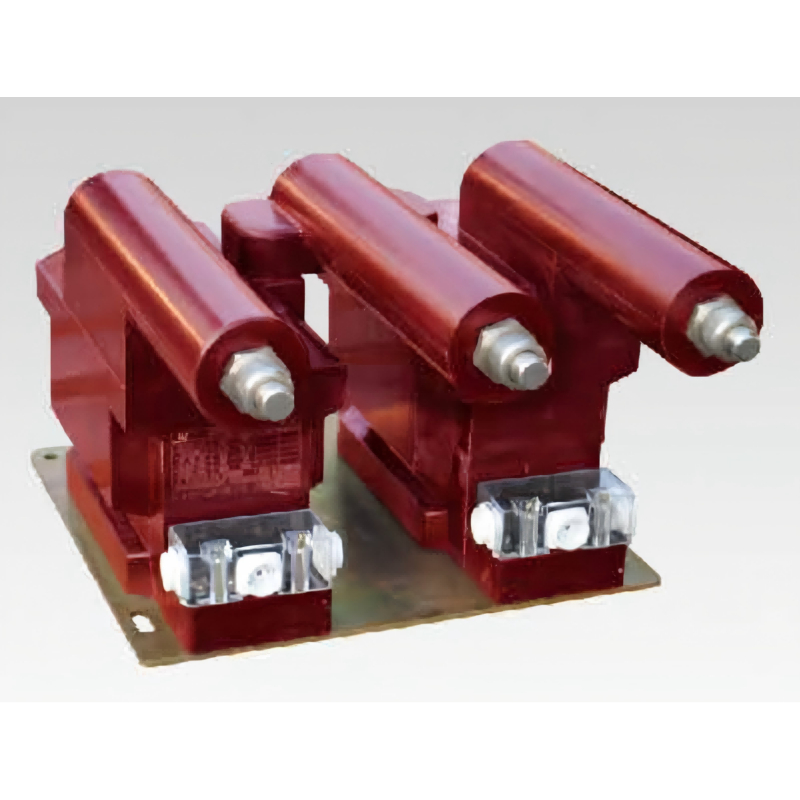
Modern electrical grids are evolving rapidly toward intelligent, interconnected systems that demand precise monitoring and control capabilities. At the heart of these smart grid transformations lies the critical role of voltage measurement and protection equipment. A voltage transformer serves as the essential bridge between high-voltage power systems and the sophisticated monitoring devices that enable grid intelligence. These precision instruments convert dangerous high voltages into standardized, manageable levels that electronic systems can safely process and analyze.
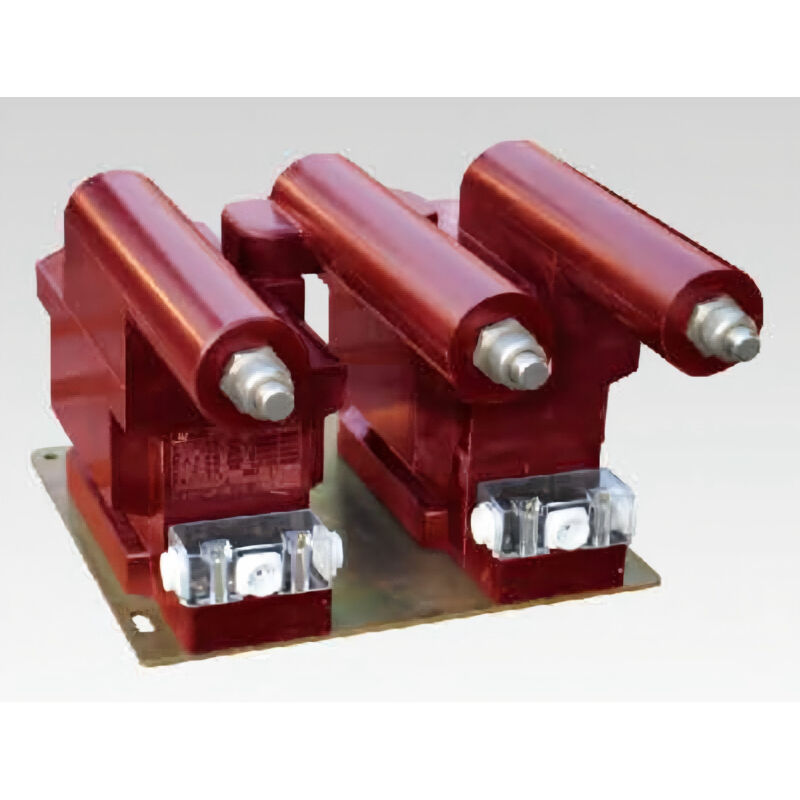
The integration of voltage transformers into smart grid infrastructure represents a fundamental shift in how utilities approach power system management. These devices enable real-time data collection, automated fault detection, and dynamic load balancing across vast electrical networks. As power grids become more complex and distributed energy resources proliferate, the accuracy and reliability of voltage transformer technology becomes increasingly critical for maintaining system stability and efficiency.
Essential Functions of Voltage Transformers in Smart Grid Infrastructure
Real-Time Voltage Monitoring and Data Collection
Smart grids rely heavily on continuous monitoring of electrical parameters to optimize performance and prevent failures. A voltage transformer provides the foundation for this monitoring by accurately stepping down high transmission voltages to levels that digital measurement systems can handle. These measurements feed directly into supervisory control and data acquisition systems, enabling grid operators to maintain comprehensive situational awareness across their networks.
The precision of voltage transformer measurements directly impacts the quality of grid intelligence data. Modern smart grid applications require measurement accuracies of 0.2% or better to support advanced analytics and predictive maintenance programs. This level of precision enables utilities to detect subtle voltage variations that might indicate developing equipment problems or system instabilities before they escalate into major outages.
Protection System Integration and Fault Detection
Protection systems in smart grids depend on rapid, accurate voltage measurements to identify and isolate faults before they can spread throughout the network. Voltage transformers provide the critical input signals that enable protective relays to distinguish between normal operating conditions and various types of electrical faults. The speed and accuracy of these measurements can mean the difference between a localized outage and a cascading system failure.
Advanced protection schemes in smart grids utilize voltage transformer outputs to implement sophisticated algorithms that can differentiate between temporary disturbances and permanent faults. This capability enables automatic reclosing operations that restore service quickly after temporary faults while preventing damage from permanent faults. The reliability of the voltage transformer directly impacts the effectiveness of these protection strategies.
Technology Integration and Communication Capabilities
Digital Interface and Communication Protocols
Modern voltage transformer installations increasingly incorporate digital interfaces that enable direct communication with smart grid control systems. These digital capabilities allow for remote monitoring of transformer health, automatic calibration verification, and integration with advanced metering infrastructure. The ability to communicate diagnostic information helps utilities optimize maintenance schedules and reduce unplanned outages.
Communication protocols such as IEC 61850 enable voltage transformers to participate fully in smart grid ecosystems by providing standardized data formats and messaging structures. This standardization facilitates interoperability between equipment from different manufacturers and simplifies system integration. The voltage transformer becomes not just a measurement device but an intelligent node in the smart grid network.
Advanced Analytics and Predictive Maintenance
Smart grid applications leverage voltage transformer data for advanced analytics that can predict equipment failures and optimize system performance. Machine learning algorithms analyze patterns in voltage measurements to identify trends that indicate developing problems. This predictive capability enables utilities to schedule maintenance activities proactively rather than reactively responding to failures.
The continuous stream of high-quality data from voltage transformers supports sophisticated grid optimization algorithms that can reduce losses, improve power quality, and enhance overall system efficiency. These algorithms rely on the accuracy and stability of voltage measurements to make real-time decisions about load dispatch, voltage regulation, and power factor correction.
Renewable Energy Integration and Grid Stabilization
Supporting Distributed Energy Resource Management
The proliferation of renewable energy sources creates new challenges for grid stability that voltage transformers help address. Solar and wind generation create variable power injection points throughout the distribution system, requiring continuous monitoring to maintain voltage regulation. A voltage transformer provides the precise measurements needed to coordinate the operation of multiple distributed energy resources while maintaining grid stability.
Energy storage systems and electric vehicle charging infrastructure add additional complexity to voltage management in smart grids. Voltage transformers enable grid operators to monitor and control these dynamic loads in real time, ensuring that voltage levels remain within acceptable limits throughout the distribution network. This capability is essential for accommodating the bidirectional power flows that characterize modern smart grids.
Power Quality Enhancement and Harmonic Monitoring
Smart grids must maintain high power quality despite the increasing prevalence of nonlinear loads and electronic devices. Voltage transformers equipped with wide bandwidth capabilities can accurately measure harmonic distortion and other power quality parameters. This information enables utilities to identify sources of power quality problems and implement corrective measures before they affect sensitive customer equipment.
The integration of power electronics in smart grid applications requires voltage transformers that can handle rapid voltage changes and high-frequency components. These capabilities ensure that protection systems remain effective even in the presence of power electronic switching devices that can create challenging measurement environments.
Installation Considerations and Performance Requirements
Environmental Adaptability and Reliability Standards
Smart grid voltage transformers must operate reliably in diverse environmental conditions while maintaining measurement accuracy over extended service lives. Modern designs incorporate advanced insulation materials and construction techniques that provide superior performance in extreme temperatures, humidity, and contaminated environments. These improvements ensure consistent operation in the varied conditions encountered throughout electrical distribution systems.
Seismic resistance and mechanical durability are increasingly important considerations for voltage transformer installations in smart grids. The interconnected nature of smart grids means that failures in critical measurement points can have cascading effects throughout the system. Robust mechanical design ensures that voltage transformers continue operating during natural disasters and other extreme events.
Maintenance Optimization and Service Life Extension
Smart grid applications enable new approaches to voltage transformer maintenance that can significantly extend service life while reducing costs. Continuous monitoring of key performance parameters allows utilities to track the health of their voltage transformer assets and optimize maintenance intervals based on actual condition rather than predetermined schedules.
Diagnostic capabilities built into modern voltage transformers can detect developing problems such as insulation degradation, mechanical loosening, or calibration drift. Early detection of these issues enables corrective action before failures occur, improving overall system reliability and reducing maintenance costs. The voltage transformer becomes a self-monitoring component that contributes to the overall intelligence of the smart grid.
Future Developments and Emerging Applications
Artificial Intelligence Integration and Autonomous Operation
The future of smart grids will see increasing integration of artificial intelligence technologies that rely on high-quality voltage measurements for decision making. Voltage transformers will play a crucial role in providing the data that AI systems need to optimize grid operations autonomously. Machine learning algorithms will analyze patterns in voltage transformer data to predict system behavior and automatically adjust operating parameters to maintain optimal performance.
Edge computing capabilities integrated with voltage transformers will enable real-time processing of measurement data at the point of collection. This distributed intelligence will reduce latency in grid control systems and enable faster response to changing conditions. The voltage transformer will evolve from a passive measurement device to an active participant in grid intelligence.
Enhanced Cybersecurity and Data Protection
As voltage transformers become more connected and intelligent, cybersecurity considerations become increasingly important. Future designs will incorporate advanced encryption and authentication capabilities to protect against cyber threats. The voltage transformer must maintain its critical measurement functions while participating securely in the connected smart grid ecosystem.
Blockchain technology may play a role in ensuring the integrity of voltage transformer data in future smart grid applications. Distributed ledger systems could provide tamper-proof records of measurement data that enhance trust in grid operations and support new business models based on verifiable energy transactions.
FAQ
What accuracy requirements do smart grid applications place on voltage transformers
Smart grid applications typically require voltage transformer accuracy of 0.2% or better for measurement functions and 0.5% for protection applications. These stringent accuracy requirements ensure that grid control systems receive reliable data for decision making and that protection systems can distinguish between normal and abnormal operating conditions. The accuracy must be maintained over wide temperature ranges and extended service periods to support continuous grid operations.
How do voltage transformers interface with digital smart grid systems
Modern voltage transformers interface with smart grid systems through digital communication protocols such as IEC 61850, DNP3, and Modbus. These protocols enable remote monitoring, control, and diagnostic capabilities that integrate the voltage transformer into the overall smart grid architecture. Digital interfaces also support automatic calibration verification and predictive maintenance programs that enhance system reliability.
What role do voltage transformers play in renewable energy integration
Voltage transformers provide the precise voltage measurements needed to manage the variable output from renewable energy sources and maintain grid stability. They enable real-time monitoring of voltage levels at distributed generation connection points and support the control systems that coordinate multiple renewable sources. This monitoring capability is essential for maintaining power quality and preventing voltage regulation problems in grids with high renewable energy penetration.
How do smart grid voltage transformers differ from traditional designs
Smart grid voltage transformers incorporate digital communication capabilities, enhanced accuracy specifications, and diagnostic features that traditional designs lack. They are designed to provide continuous data streams rather than simple analog outputs, and they include self-monitoring capabilities that report on their own health and performance. These advanced features enable integration into intelligent grid management systems and support predictive maintenance programs that extend service life.