
 EN
EN



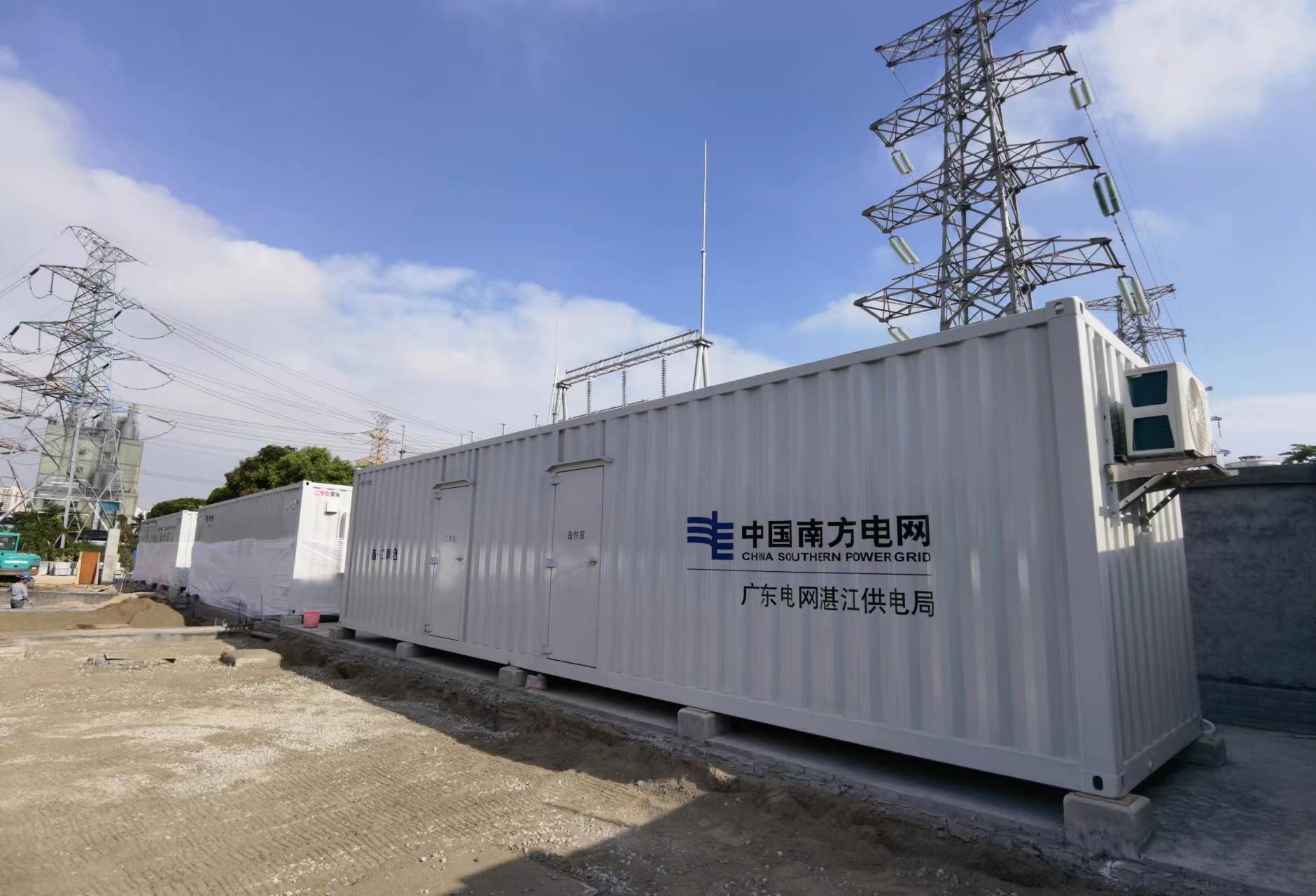
When power infrastructure needs to be deployed rapidly, maintained during outages, or extended into remote locations, a mobile substation becomes one of the most strategically valuable assets in an electrical engineer's toolkit. Unlike fixed installations that require months of civil construction and permitting, a mobile substation is engineered to deliver full transformer and switching functionality from a compact, road-transportable platform. The question that matters most to procurement engineers, utility operators, and project managers is not simply whether a unit is mobile — it is whether the unit is genuinely reliable under demanding field conditions.
Reliability in a mobile substation is not a single attribute — it is the cumulative result of dozens of engineering decisions made across the transformer design, the switchgear configuration, the enclosure system, the protection architecture, and the transport chassis. Understanding which technical features separate a dependable mobile substation from a merely adequate one is essential before committing to a procurement decision. This article examines the core technical dimensions that define reliability in a mobile substation and explains why each one matters in real operational contexts.
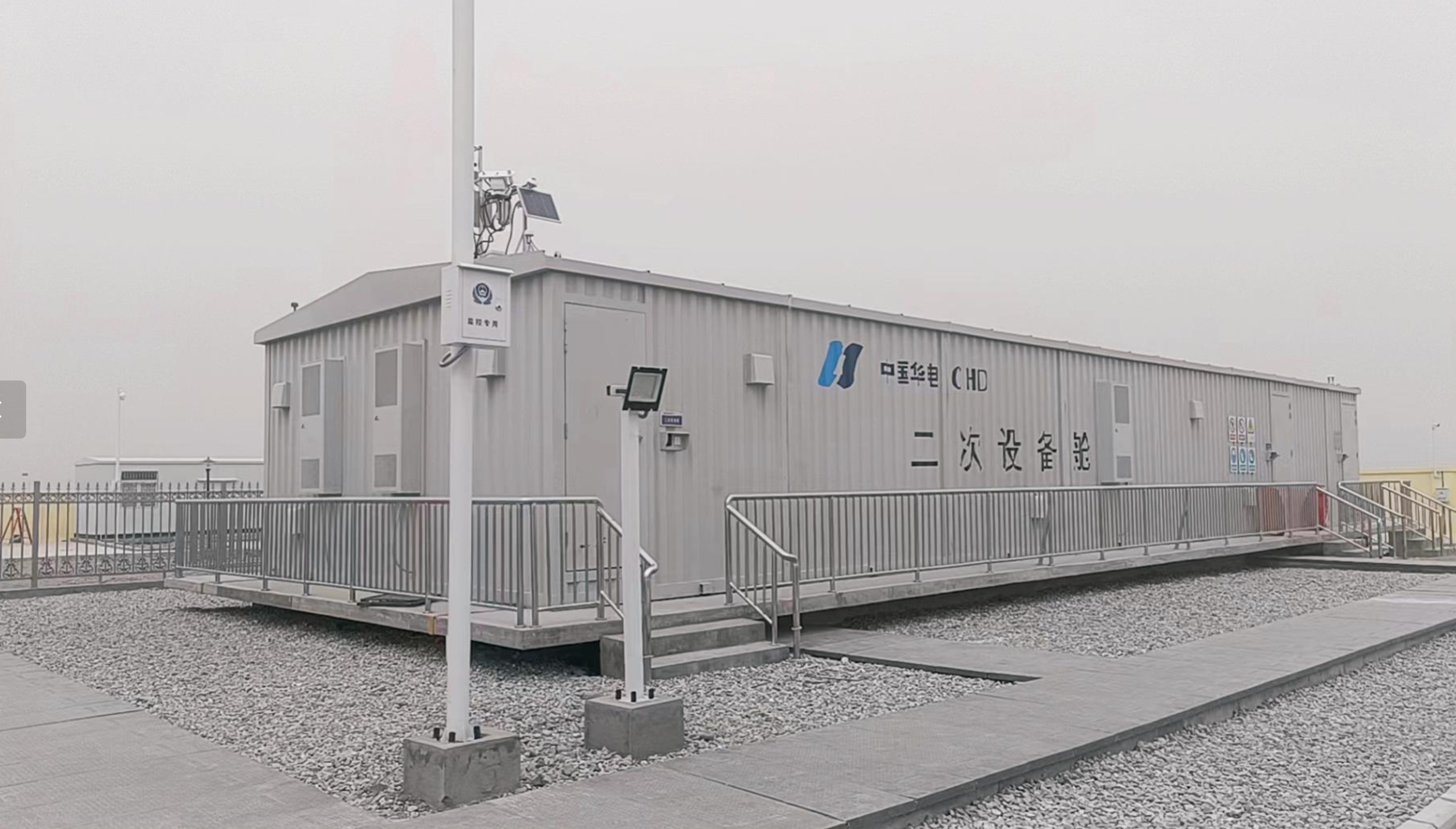
Transformer Design and Electrical Performance
Core Transformer Specifications That Drive Reliability
The transformer is the heart of any mobile substation, and its design parameters directly determine whether the unit can perform consistently across varying load conditions and environmental extremes. A reliable mobile substation typically incorporates an oil-immersed power transformer with a voltage class ranging from 10 kV to 110 kV or higher, depending on the application. The transformer must be rated for continuous operation at full load without exceeding thermal limits, which requires careful attention to the cooling system design and the quality of the core laminations.
Insulation class and dielectric strength are equally critical. A mobile substation deployed in high-humidity coastal environments or dusty industrial zones must maintain insulation integrity over years of service. Transformers built with high-grade mineral oil or synthetic ester fluid provide superior dielectric performance and fire resistance compared to lower-specification alternatives. The winding material — whether copper or aluminum — also affects long-term reliability, with copper windings generally offering better conductivity and resistance to thermal fatigue under cyclic loading.
Tap changer configuration is another specification that distinguishes a high-reliability mobile substation. An on-load tap changer allows voltage regulation without de-energizing the transformer, which is critical in applications where continuous power supply cannot be interrupted. Off-load tap changers are simpler and less expensive but require a planned outage for voltage adjustment, making them less suitable for emergency deployment scenarios where load conditions may be unpredictable.
Thermal Management and Cooling System Design
Heat is one of the primary causes of transformer degradation, and a mobile substation operating in high-ambient-temperature environments faces significantly elevated thermal stress compared to a fixed installation with purpose-built ventilation. Reliable mobile substation designs address this through forced oil and air cooling systems — commonly designated ONAN, ONAF, or OFAF — that maintain winding temperatures within safe limits even under peak load conditions in ambient temperatures exceeding 40°C.
The cooling radiators on a mobile substation must be designed to withstand vibration during transport without developing leaks or structural fatigue. Radiator fins fabricated from corrosion-resistant materials and secured with vibration-dampening mounts significantly extend service life compared to designs that treat the cooling system as a secondary consideration. Thermal monitoring sensors embedded in the transformer windings and oil provide real-time data that allows operators to detect abnormal temperature rises before they escalate into failures.
Switchgear Configuration and Protection Architecture
Medium and High Voltage Switchgear Integration
A mobile substation is not simply a transformer on wheels — it is a complete power conversion and distribution system that must include properly rated switchgear for both the incoming high-voltage supply and the outgoing medium-voltage distribution. The switchgear configuration defines how the mobile substation connects to the grid, how it isolates faults, and how quickly it can be restored to service after a trip event.
Vacuum circuit breakers are the preferred switching technology in modern mobile substation designs because they offer fast arc extinction, low maintenance requirements, and long mechanical life. SF6 gas-insulated switchgear is also used in higher-voltage mobile substation configurations where compact dimensions are critical and the voltage class demands superior insulation performance. The choice between these technologies involves trade-offs in cost, environmental compliance, and maintenance complexity that should be evaluated against the intended deployment profile.
Busbar arrangement within the mobile substation enclosure must accommodate the mechanical stresses of transport without loosening connections or compromising insulation clearances. Rigid busbar systems with properly torqued bolted joints and vibration-resistant insulator supports are essential for maintaining electrical integrity across thousands of kilometers of road transport over the unit's service life.
Protection Relay Systems and Fault Response
The protection relay system in a mobile substation determines how quickly and accurately the unit responds to fault conditions such as overcurrent, earth faults, differential faults, and overvoltage events. A reliable mobile substation incorporates numerical protection relays with configurable settings that can be adapted to different network configurations at each deployment site. This flexibility is critical because a mobile substation may be connected to different grid topologies across its operational life.
Differential protection for the main transformer is a standard requirement in any high-reliability mobile substation. This protection scheme compares current entering and leaving the transformer and trips the circuit breaker within milliseconds if an internal fault is detected, preventing catastrophic transformer damage. Overcurrent and earth fault protection on both the high-voltage and medium-voltage sides provide additional layers of defense against external fault propagation.
Modern mobile substation designs increasingly incorporate digital communication interfaces — typically IEC 61850 — that allow protection relay settings to be configured remotely and fault records to be transmitted to a control center in real time. This capability significantly reduces the time required to diagnose a fault and restore service, which is particularly valuable in emergency deployment scenarios where on-site technical expertise may be limited.
Enclosure Design and Environmental Resilience
Structural Integrity and Transport Durability
The enclosure of a mobile substation must perform two distinct functions simultaneously: it must protect sensitive electrical equipment from environmental exposure during operation, and it must withstand the mechanical stresses of repeated road, rail, or sea transport without structural degradation. These requirements are more demanding than those faced by fixed substation enclosures, and they require a fundamentally different approach to structural engineering.
High-quality mobile substation enclosures are fabricated from hot-dip galvanized steel or marine-grade aluminum alloy, with welded joints and reinforced corner sections that distribute transport loads without concentrating stress at vulnerable points. The floor structure must be capable of supporting the full weight of the transformer and switchgear during transport over uneven road surfaces, including the dynamic loads generated by braking, acceleration, and cornering. Finite element analysis is commonly used during the design phase to verify that the enclosure structure meets these requirements without excessive weight penalty.
Door seals, cable entry glands, and ventilation louvers must maintain their integrity across a wide temperature range and after repeated thermal cycling. A mobile substation that develops enclosure leaks after a few years of service will experience accelerated corrosion of internal components and increased risk of insulation contamination, both of which compromise long-term reliability. Specifying IP54 or higher ingress protection ratings for the enclosure is a practical baseline for most deployment environments.
Climate Control and Internal Environment Management
Maintaining a controlled internal environment within the mobile substation enclosure is essential for the longevity of electronic protection relays, control panels, and communication equipment. Condensation is a particular concern in mobile substation deployments that involve large daily temperature swings, as moisture accumulation on relay terminals and circuit board surfaces can cause insulation failures and spurious trips.
Anti-condensation heaters, thermostatically controlled ventilation fans, and dehumidification systems are standard features in well-engineered mobile substation designs. These systems maintain the internal temperature and humidity within the operating range specified by the relay and control equipment manufacturers, preventing the premature failures that result from operating sensitive electronics outside their design envelope. The energy consumption of these auxiliary systems should be factored into the overall power balance of the mobile substation.
Mobility Infrastructure and Deployment Readiness
Transport Chassis and Road Compliance
The transport chassis is what makes a mobile substation genuinely mobile, and its design has a direct impact on deployment speed, route flexibility, and operational availability. A mobile substation mounted on a purpose-built semi-trailer chassis can be towed by a standard heavy-duty tractor unit, allowing rapid repositioning without specialized transport equipment. The chassis must comply with road transport regulations in the target operating regions, including axle load limits, overall dimensions, and lighting requirements.
Air suspension systems on the transport chassis reduce the vibration transmitted to the electrical equipment during road transport, extending the service life of transformer windings, busbar connections, and relay components. Outrigger stabilizer legs that deploy hydraulically allow the mobile substation to be leveled on uneven ground at the deployment site, ensuring that oil-filled equipment operates within the tilt tolerances specified by the manufacturer. These features collectively reduce the mechanical wear that accumulates over a mobile substation's operational life.
Connection Speed and Site Commissioning Requirements
One of the primary operational advantages of a mobile substation is the speed with which it can be connected and commissioned at a new site. A well-designed mobile substation minimizes the on-site work required by pre-installing cable termination boxes, pre-wiring protection relay panels, and pre-testing all internal connections at the factory before shipment. This factory acceptance testing approach means that site commissioning is reduced to external cable connections, protection relay setting adjustments, and functional verification tests.
The cable connection interface of a mobile substation should be designed for compatibility with the cable types and termination methods commonly used in the target market. Clearly labeled terminal blocks, accessible cable entry points, and pre-installed surge arresters on the high-voltage bushings all contribute to faster and safer site connection. A mobile substation that requires extensive on-site modification or custom cable fabrication at each deployment location loses much of its operational advantage over a fixed installation.
Monitoring, Control, and Remote Management Capabilities
Integrated SCADA and Telemetry Systems
A modern mobile substation is expected to provide the same level of operational visibility as a fixed substation, even when deployed in a remote location without permanent control room infrastructure. Integrated SCADA interfaces, data loggers, and remote terminal units allow operators to monitor transformer loading, oil temperature, protection relay status, and circuit breaker positions from a central control center via cellular or satellite communication links.
The value of remote monitoring for a mobile substation extends beyond operational convenience. Early detection of abnormal conditions — such as rising oil temperature, increasing dissolved gas levels, or partial discharge activity — allows maintenance to be scheduled proactively rather than reactively, reducing the risk of unplanned outages. A mobile substation equipped with dissolved gas analysis monitoring provides continuous insight into the internal condition of the transformer oil, which is one of the most reliable indicators of developing insulation faults.
Maintenance Access and Serviceability Design
Reliability over the long term depends not only on the initial quality of a mobile substation but also on how easily it can be inspected, maintained, and repaired in the field. Access hatches, inspection windows, and removable panels that allow technicians to reach all major components without dismantling the enclosure structure significantly reduce maintenance time and cost. Oil sampling valves, pressure relief devices, and Buchholz relay test points should all be accessible from ground level without the need for elevated work platforms.
Spare parts availability and standardization of components across a fleet of mobile substation units are practical reliability factors that are often overlooked during procurement. A mobile substation that uses proprietary components available only from a single supplier creates a long-term maintenance vulnerability that can result in extended outages when critical parts are needed urgently. Specifying equipment that uses industry-standard components and connectors reduces this risk and simplifies fleet maintenance management.
FAQ
What voltage classes are typically available for a mobile substation?
A mobile substation is available across a wide range of voltage classes to suit different grid connection requirements. Common configurations include 10 kV, 35 kV, 66 kV, and 110 kV on the high-voltage side, with medium-voltage output typically at 6 kV, 10 kV, or 35 kV. Higher voltage classes up to 220 kV are also available for transmission-level applications. The appropriate voltage class depends on the grid connection point available at the deployment site and the load requirements of the downstream network.
How long does it typically take to commission a mobile substation at a new site?
Commissioning time for a mobile substation varies depending on the complexity of the site connection and the extent of factory pre-testing completed before delivery. A well-prepared mobile substation that has undergone comprehensive factory acceptance testing can typically be energized within one to three days of arrival on site, assuming that the external cable connections and grid connection permits are in place. More complex deployments involving multiple feeders or custom protection relay settings may require additional time for configuration and testing.
What maintenance does a mobile substation require during long-term deployment?
A mobile substation in continuous service requires periodic maintenance that mirrors the requirements of a fixed substation installation. Key maintenance activities include transformer oil sampling and dissolved gas analysis, circuit breaker contact inspection and lubrication, protection relay functional testing, and enclosure integrity checks. The frequency of these activities depends on the operating environment and the loading profile of the mobile substation. Manufacturers typically provide a recommended maintenance schedule that should be followed to maintain warranty coverage and ensure long-term reliability.
Can a mobile substation be used as a permanent installation?
A mobile substation is designed primarily for temporary or semi-permanent deployment, but it can function as a long-term installation when site conditions make fixed construction impractical or uneconomical. In remote mining operations, island grid systems, and rapidly developing industrial zones, a mobile substation is sometimes retained on site for many years. When used in this way, additional weatherproofing measures, permanent cable connections, and enhanced security provisions may be appropriate to optimize the unit for extended stationary service.