Premium Amplifier Transformers - High-Performance Signal Processing & Power Solutions

Get a Free Quote

Our representative will contact you soon.
Email
Name
Company Name
Message
0/1000

amplifier transformer

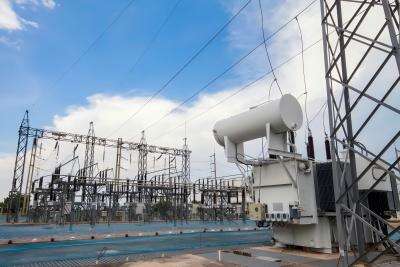
The amplifier transformer stands as a crucial component in audio and electronic systems, serving as the backbone for signal processing and power management across various applications. This sophisticated device primarily functions to transfer electrical energy between circuits while providing essential isolation, impedance matching, and voltage transformation capabilities. At its core, the amplifier transformer operates on electromagnetic induction principles, utilizing primary and secondary windings wrapped around a ferromagnetic core to achieve efficient energy transfer without direct electrical connection between input and output circuits. The technological features of modern amplifier transformers include high-quality laminated steel cores that minimize eddy current losses, precision-wound copper windings that ensure optimal conductivity, and advanced insulation systems that guarantee long-term reliability and safety. These transformers typically feature frequency response characteristics tailored to specific applications, whether for audio reproduction, RF amplification, or power supply functions. The design incorporates specialized materials such as silicon steel laminations or ferrite cores, depending on the intended frequency range and power requirements. Contemporary amplifier transformers also integrate thermal management systems, including heat sinks and ventilation channels, to maintain optimal operating temperatures during extended use. The applications for amplifier transformers span numerous industries and sectors, including professional audio equipment, broadcasting systems, musical instruments, home entertainment systems, telecommunications infrastructure, and industrial automation. In audio applications, these transformers enable pristine signal reproduction by providing galvanic isolation between input and output stages while maintaining signal integrity across the entire frequency spectrum. They also serve critical roles in impedance matching between different circuit stages, ensuring maximum power transfer and minimal signal distortion throughout the amplification chain.

New Product Releases

The amplifier transformer delivers exceptional performance benefits that directly translate to superior system operation and cost-effectiveness for users across multiple applications. One primary advantage lies in its ability to provide complete electrical isolation between input and output circuits, which eliminates ground loops and significantly reduces noise interference that can compromise signal quality. This isolation feature protects sensitive equipment from voltage spikes and electrical surges, extending the lifespan of connected components and reducing maintenance costs over time. The impedance matching capability of amplifier transformers ensures optimal power transfer between different circuit stages, maximizing system efficiency and preventing signal reflections that could cause distortion or equipment damage. Users benefit from improved signal-to-noise ratios and enhanced overall system performance when properly matched transformers are implemented in their designs. Another significant advantage comes from the voltage transformation functionality, which allows systems to operate at optimal voltage levels throughout different stages of amplification. This capability reduces stress on semiconductor components and enables designers to select cost-effective components while maintaining high performance standards. The robust construction of quality amplifier transformers provides exceptional durability and reliability, often operating continuously for decades without requiring replacement or significant maintenance. This longevity translates to reduced operational costs and minimal system downtime for commercial and industrial applications. The inherent filtering properties of amplifier transformers help attenuate unwanted high-frequency noise and electromagnetic interference, resulting in cleaner output signals and improved electromagnetic compatibility. Users experience better system performance with reduced need for additional filtering components, simplifying design requirements and lowering overall system costs. The thermal characteristics of well-designed amplifier transformers allow for efficient heat dissipation, enabling higher power operation without compromising reliability or requiring extensive cooling systems. This thermal efficiency translates to more compact system designs and reduced energy consumption, providing both space and cost savings for end users. Additionally, the standardized mounting and connection interfaces of modern amplifier transformers facilitate easy installation and replacement, reducing labor costs and system complexity during both initial setup and future maintenance procedures.

Tips And Tricks

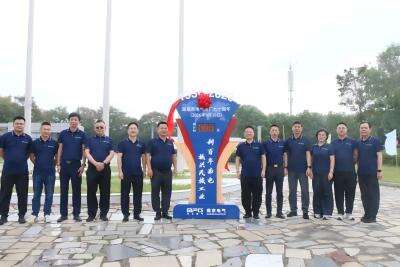
Nanjing Electric Holds Grand 89th Anniversary Celebration

26

Jan

Nanjing Electric Holds Grand 89th Anniversary Celebration

View More
Setting Sail for the World  From Export to Global Expansion, Baiyun Electric Accelerates Its Internationalization

26

Nov

Setting Sail for the World From Export to Global Expansion, Baiyun Electric Accelerates Its Internationalization

View More
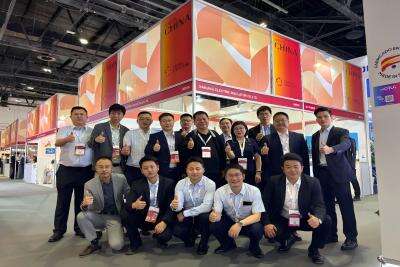
International Exhibition | Nanjing Electric Showcases at Middle East Energy 2025

26

Jan

International Exhibition | Nanjing Electric Showcases at Middle East Energy 2025

View More

Get a Free Quote

Our representative will contact you soon.
Email
Name
Company Name
Message
0/1000

amplifier transformer

Superior Signal Isolation and Noise Reduction Technology

Superior Signal Isolation and Noise Reduction Technology

The advanced isolation technology integrated into modern amplifier transformers represents a breakthrough in signal integrity preservation and system protection. This sophisticated isolation system utilizes multiple layers of specialized insulation materials, including high-grade polyimide films and epoxy resin barriers, creating an impenetrable electrical barrier between primary and secondary circuits while maintaining efficient magnetic coupling. The isolation mechanism effectively eliminates ground loops, which are common sources of hum and interference in complex audio and electronic systems. By breaking the direct electrical path between input and output circuits, the amplifier transformer prevents unwanted current flows that typically cause audible noise and signal degradation. This technology becomes particularly valuable in professional recording studios, broadcast facilities, and high-end audio systems where pristine signal quality is paramount. The isolation capability also provides crucial protection against voltage surges and electrical faults, safeguarding expensive downstream equipment from damage. In industrial applications, this protection feature can prevent costly equipment failures and production downtime, making the amplifier transformer an essential safety component. The isolation technology extends beyond basic electrical separation to include electromagnetic shielding properties that further enhance noise rejection. Advanced core materials and winding techniques create natural barriers against electromagnetic interference from nearby electronic devices, power lines, and radio frequency sources. This comprehensive noise reduction approach ensures that sensitive audio signals remain clean and uncontaminated throughout the amplification process. The practical benefits for users include dramatically improved signal-to-noise ratios, elimination of ground-related hum and buzz, protection of valuable equipment investments, and compliance with strict electromagnetic compatibility regulations. Professional audio engineers particularly appreciate how this isolation technology enables them to achieve studio-quality recordings and live sound reproduction without the typical noise issues associated with complex signal chains and multiple equipment interconnections.
Precision Impedance Matching for Maximum Power Transfer

Precision Impedance Matching for Maximum Power Transfer

The precision impedance matching capability of advanced amplifier transformers ensures optimal power transfer efficiency and prevents signal reflections that can compromise system performance. This sophisticated matching system utilizes carefully calculated turns ratios and specialized winding configurations to transform impedance levels between different circuit stages, enabling seamless integration of components with varying input and output impedances. The impedance transformation process follows fundamental electrical principles while incorporating modern materials and manufacturing techniques to achieve exceptional accuracy and consistency across production runs. Professional-grade amplifier transformers typically maintain impedance matching accuracy within tight tolerances, ensuring predictable performance across different units and applications. This precision becomes critical in high-end audio systems where impedance mismatches can cause frequency response irregularities, reduced power output, and increased distortion levels. The impedance matching technology accommodates a wide range of source and load impedances, from low-impedance microphone signals to high-impedance instrument inputs, making these transformers versatile solutions for diverse applications. In broadcast and telecommunication systems, proper impedance matching prevents signal reflections that can cause echoes, standing waves, and transmission line losses. The economic benefits of precision impedance matching extend beyond improved performance to include reduced component stress and extended equipment lifespan. When impedances are properly matched, amplifier circuits operate within their optimal parameters, reducing heat generation and component degradation over time. This efficiency translates to lower power consumption and reduced cooling requirements, providing ongoing operational cost savings. The impedance matching capability also enables system designers to select components based on performance and cost considerations rather than being constrained by impedance compatibility issues. Users benefit from greater flexibility in system design and component selection, often achieving superior performance at lower overall system costs. The technology particularly excels in multi-stage amplifier designs where multiple impedance transformations are required, maintaining signal integrity throughout the entire amplification chain while maximizing power transfer efficiency at each stage.
Advanced Thermal Management for Reliable High-Power Operation

Advanced Thermal Management for Reliable High-Power Operation

The sophisticated thermal management system integrated into modern amplifier transformers enables sustained high-power operation while maintaining optimal performance characteristics and extending component lifespan significantly. This comprehensive thermal design incorporates multiple heat dissipation mechanisms, including strategically positioned cooling fins, optimized core materials with superior thermal conductivity, and innovative winding arrangements that promote natural convection cooling. The thermal management approach begins with careful selection of core materials that exhibit low magnetic losses and efficient heat conduction properties, effectively minimizing internal heat generation during normal operation. Advanced lamination techniques reduce eddy current losses, while high-grade electrical steels or ferrite materials provide excellent magnetic properties with minimal thermal buildup. The mechanical design features precisely calculated air gaps and ventilation channels that facilitate natural air circulation around critical components, preventing hot spots that could compromise performance or reliability. Professional-grade amplifier transformers often incorporate integrated temperature monitoring systems that provide real-time feedback on operating conditions, enabling proactive thermal management in demanding applications. The thermal design also considers the effects of ambient temperature variations and provides adequate safety margins for operation in challenging environmental conditions. This robust thermal management capability translates directly to improved reliability and extended operational life, reducing replacement costs and system downtime for commercial and industrial users. The enhanced thermal performance enables higher power density designs, allowing for more compact system configurations without sacrificing performance or reliability. Users benefit from improved power handling capabilities, more consistent performance across varying load conditions, and reduced need for external cooling systems or oversized enclosures. In continuous-duty applications such as broadcasting transmitters, public address systems, and industrial equipment, the superior thermal management ensures stable operation over extended periods without performance degradation or thermal shutdown events. The technology also provides better temperature stability of electrical parameters, maintaining consistent impedance and frequency response characteristics across the entire operating temperature range, which is particularly important for precision audio and measurement applications where temperature-induced variations could affect system accuracy and performance quality.

Get a Free Quote

Our representative will contact you soon.
Email
Name
Company Name
Message
0/1000
Newsletter
Please Leave A Message With Us