Best Low Voltage Transformer: Ultimate Guide to Efficient Power Distribution Solutions

Get a Free Quote

Our representative will contact you soon.
Email
Name
Company Name
Message
0/1000

best low voltage transformer

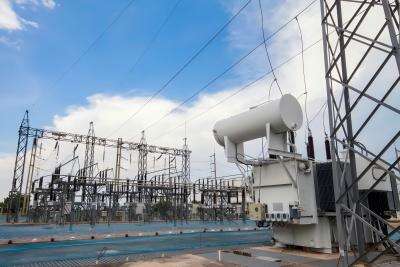
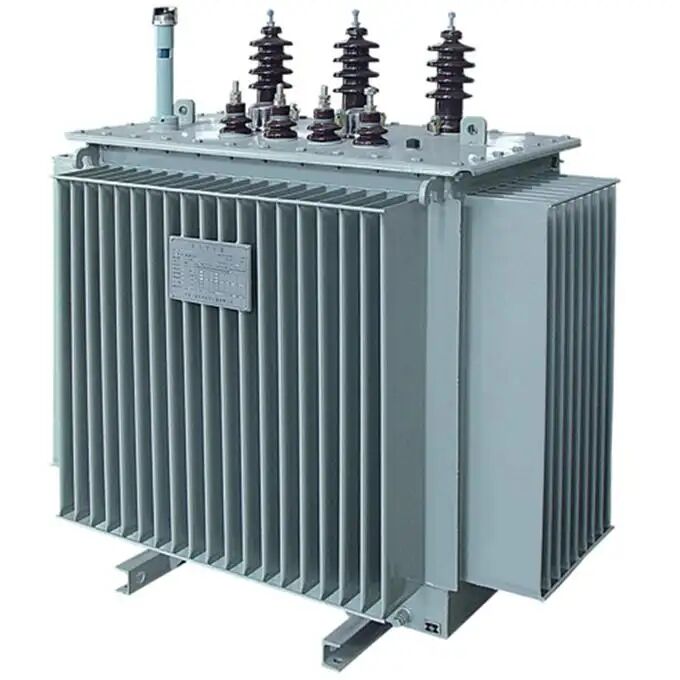
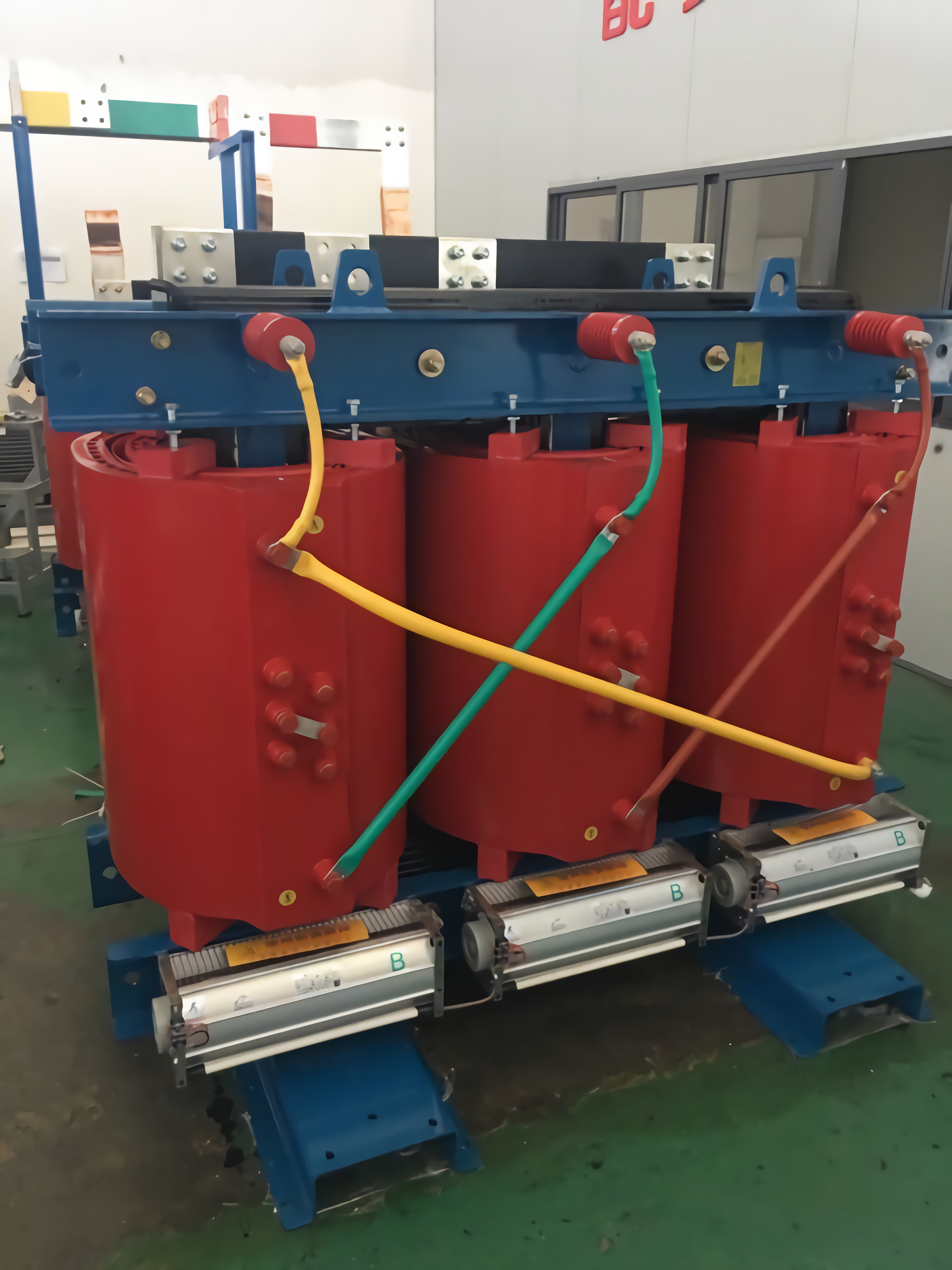
The best low voltage transformer represents a pinnacle of electrical engineering excellence, designed to safely convert high voltage electricity into lower, more manageable voltage levels for residential, commercial, and industrial applications. These sophisticated devices serve as critical components in power distribution systems, ensuring that electrical energy reaches end-users at appropriate voltage levels while maintaining optimal safety standards and operational efficiency. The primary function of the best low voltage transformer involves stepping down voltage from transmission levels to usable levels, typically ranging from 120V to 480V for various applications. This voltage reduction process occurs through electromagnetic induction principles, utilizing carefully engineered primary and secondary windings wrapped around a magnetic core. The technological features of modern low voltage transformers include advanced insulation systems, temperature monitoring capabilities, and sophisticated protection mechanisms that prevent overheating and electrical faults. Many units incorporate digital monitoring systems that provide real-time data on performance metrics, load conditions, and operational parameters. The best low voltage transformer applications span numerous sectors, including residential power distribution, commercial building electrical systems, industrial manufacturing processes, renewable energy installations, and data center infrastructure. These transformers prove essential in telecommunications equipment, medical facilities, educational institutions, and municipal lighting systems. The core construction typically features high-grade silicon steel laminations that minimize energy losses while maximizing magnetic flux efficiency. Advanced cooling systems, including oil-filled and dry-type configurations, ensure consistent operation under varying load conditions. The best low voltage transformer designs incorporate multiple safety features, including overcurrent protection, ground fault detection, and surge suppression capabilities. Modern units often feature modular construction that facilitates maintenance and replacement procedures, reducing downtime and operational costs. Environmental considerations have driven the development of eco-friendly transformer designs that utilize biodegradable insulating fluids and recyclable materials, making the best low voltage transformer an environmentally responsible choice for sustainable power infrastructure projects.

New Product Recommendations

The best low voltage transformer offers numerous practical advantages that directly benefit customers across residential, commercial, and industrial sectors. Energy efficiency stands as a primary benefit, with modern transformers achieving efficiency ratings exceeding 98 percent, translating into significant cost savings on electricity bills over the equipment's operational lifetime. This high efficiency reduces energy waste and contributes to lower carbon footprints for businesses and homeowners alike. Safety represents another crucial advantage of the best low voltage transformer, as these units incorporate multiple protection systems that prevent electrical hazards, fires, and equipment damage. Advanced insulation materials and sophisticated monitoring systems detect potential issues before they become dangerous, protecting both property and personnel. The best low voltage transformer provides exceptional reliability through robust construction and proven design principles that ensure decades of trouble-free operation. Many units operate continuously for 25-30 years with minimal maintenance requirements, making them excellent long-term investments. Versatility makes the best low voltage transformer suitable for diverse applications, from powering residential neighborhoods to supporting complex industrial processes. These transformers accommodate various load types, including resistive, inductive, and capacitive loads, providing consistent performance across different electrical demands. Installation flexibility represents a significant practical advantage, as modern transformers come in various configurations including pad-mounted, pole-mounted, and indoor installations. This adaptability allows customers to select the most appropriate installation method for their specific site requirements and space constraints. Cost-effectiveness emerges through reduced maintenance needs, extended operational lifespans, and improved energy efficiency. The best low voltage transformer requires minimal routine maintenance, primarily involving periodic inspections and cleaning, which reduces ongoing operational expenses. Smart monitoring capabilities in advanced units provide early warning of potential issues, enabling proactive maintenance that prevents costly emergency repairs. Environmental benefits include reduced electromagnetic field emissions compared to higher voltage equipment and compatibility with renewable energy systems such as solar and wind installations. Many modern transformers utilize environmentally friendly insulating materials that pose minimal environmental risks. The best low voltage transformer also provides excellent voltage regulation, maintaining stable output voltages despite fluctuations in input voltage or load conditions. This stability protects sensitive electronic equipment and ensures consistent performance of connected devices. Scalability allows customers to expand their electrical systems by adding additional transformer capacity as their needs grow, providing flexibility for future expansion without requiring complete system replacement.

Latest News

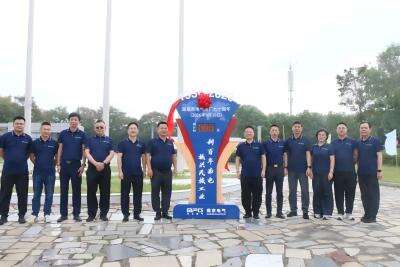
Nanjing Electric Holds Grand 89th Anniversary Celebration

26

Jan

Nanjing Electric Holds Grand 89th Anniversary Celebration

View More
Setting Sail for the World  From Export to Global Expansion, Baiyun Electric Accelerates Its Internationalization

26

Nov

Setting Sail for the World From Export to Global Expansion, Baiyun Electric Accelerates Its Internationalization

View More
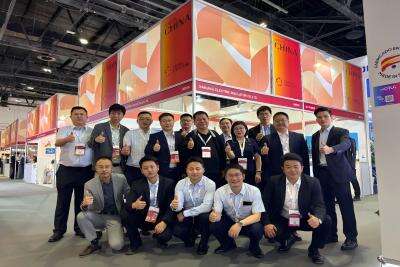
International Exhibition | Nanjing Electric Showcases at Middle East Energy 2025

26

Jan

International Exhibition | Nanjing Electric Showcases at Middle East Energy 2025

View More

Get a Free Quote

Our representative will contact you soon.
Email
Name
Company Name
Message
0/1000

best low voltage transformer

Advanced Energy Efficiency Technology

Advanced Energy Efficiency Technology

The best low voltage transformer incorporates cutting-edge energy efficiency technology that delivers exceptional performance while minimizing operational costs and environmental impact. Modern transformers utilize advanced core materials, including high-grade silicon steel with optimized grain orientation that significantly reduces core losses during operation. This sophisticated magnetic core design, combined with precisely engineered winding configurations, achieves efficiency ratings that often exceed 98 percent under full load conditions. The importance of this high efficiency cannot be overstated, as it directly translates into substantial cost savings for customers over the transformer's operational lifetime. For commercial and industrial applications, even a one percent improvement in efficiency can result in thousands of dollars in annual energy savings. The best low voltage transformer employs innovative cooling systems that maintain optimal operating temperatures while minimizing energy consumption. These cooling systems include advanced fan designs, optimized oil circulation patterns in oil-filled units, and enhanced heat dissipation surfaces in dry-type transformers. Temperature management not only improves efficiency but also extends equipment lifespan and reduces maintenance requirements. Smart load management features automatically adjust internal parameters to maintain peak efficiency across varying load conditions, ensuring optimal performance whether operating at 25 percent capacity or full load. The electromagnetic design minimizes stray losses through careful attention to winding geometry, conductor selection, and magnetic field optimization. High-quality copper or aluminum windings with optimized cross-sectional areas reduce resistive losses while maintaining excellent current-carrying capacity. The best low voltage transformer also incorporates power factor correction capabilities that improve overall system efficiency by reducing reactive power demands. This feature proves particularly valuable in industrial applications where inductive loads can significantly impact power quality and energy costs. Advanced insulation systems not only provide safety benefits but also contribute to efficiency by minimizing dielectric losses. These systems utilize state-of-the-art materials that maintain their properties over extended periods, ensuring consistent efficiency throughout the transformer's operational life. Environmental sensors and monitoring systems continuously track performance metrics, allowing for real-time optimization and early detection of efficiency degradation. This proactive approach enables customers to maintain peak efficiency through timely maintenance and operational adjustments.
Comprehensive Safety and Protection Systems

Comprehensive Safety and Protection Systems

The best low voltage transformer features comprehensive safety and protection systems that provide unparalleled security for both equipment and personnel, making it an essential investment for any electrical infrastructure. These sophisticated protection mechanisms go far beyond basic safety requirements, incorporating multiple layers of safeguards that automatically respond to various fault conditions and potential hazards. Overcurrent protection systems utilize advanced circuit breakers and protective relays that instantly disconnect power when current levels exceed safe operating parameters, preventing damage to the transformer and connected equipment. Ground fault protection detects even minute current leakages that could indicate insulation breakdown or other safety hazards, immediately isolating the affected circuits to prevent electrical shock or fire risks. The importance of these safety features becomes evident when considering the potentially catastrophic consequences of electrical faults in residential, commercial, and industrial settings. The best low voltage transformer incorporates temperature monitoring systems that continuously track operating temperatures at multiple points throughout the unit. These systems include both analog and digital sensors that provide real-time temperature data, enabling automatic load reduction or shutdown when temperatures approach dangerous levels. Oil-filled transformers feature sophisticated gas analysis systems that detect the formation of potentially harmful gases that could indicate internal faults or degradation. Surge protection systems guard against voltage spikes caused by lightning strikes, switching operations, or other transient events that could damage sensitive equipment. These protection systems utilize metal oxide varistors, surge arresters, and other advanced components that rapidly divert excess energy away from critical components. Fire suppression systems in many installations include automatic sprinkler systems, gas suppression systems, and fire-resistant construction materials that prevent the spread of fires should they occur. The best low voltage transformer also features redundant safety systems that provide backup protection even if primary systems fail, ensuring continuous safety coverage under all operating conditions. Protective enclosures meet or exceed industry standards for environmental protection, preventing unauthorized access while allowing for safe maintenance procedures. These enclosures feature lockable access panels, warning labels, and safety interlocks that prevent accidental contact with energized components. Arc fault detection systems identify dangerous electrical arcs that could ignite fires or cause explosions, automatically interrupting power before hazardous conditions develop. Regular safety testing and monitoring capabilities ensure that all protection systems remain functional throughout the transformer's operational life, providing customers with confidence in their electrical infrastructure's safety and reliability.
Exceptional Reliability and Longevity

Exceptional Reliability and Longevity

The best low voltage transformer delivers exceptional reliability and longevity through superior engineering, premium materials, and proven design principles that ensure decades of dependable service with minimal maintenance requirements. This remarkable reliability stems from careful attention to every component and system within the transformer, from the magnetic core construction to the protective housing and cooling systems. High-grade electrical steel laminations form the transformer core, providing excellent magnetic properties while resisting aging and degradation over time. These laminations undergo specialized treatments that minimize losses and prevent deterioration even after decades of continuous operation. The importance of reliability in electrical infrastructure cannot be overstated, as power interruptions can result in significant economic losses, safety hazards, and operational disruptions across residential, commercial, and industrial sectors. The best low voltage transformer utilizes premium winding materials, including high-purity copper or aluminum conductors that maintain their electrical properties throughout extended service periods. Advanced insulation systems employ multiple layers of specialized materials that resist thermal, electrical, and mechanical stresses that could compromise performance over time. These insulation systems undergo rigorous testing to ensure they can withstand the electrical, thermal, and environmental stresses encountered during normal operation. Robust mechanical construction features reinforced mounting systems, vibration-resistant components, and weather-resistant enclosures that protect internal components from environmental factors that could cause premature failure. The best low voltage transformer incorporates proven cooling technologies that maintain optimal operating temperatures under all load conditions, preventing thermal stress that represents one of the primary causes of transformer failure. Oil-filled units utilize high-quality transformer oil with excellent dielectric properties and thermal stability, while dry-type units employ advanced cooling systems that efficiently dissipate heat without requiring liquid coolants. Quality control processes during manufacturing ensure that every component meets strict performance standards before installation, reducing the likelihood of early failures and warranty claims. Predictive maintenance capabilities enable early detection of potential issues through regular monitoring of key performance indicators, allowing for proactive maintenance that prevents unexpected failures. The best low voltage transformer design incorporates generous safety margins in all critical components, ensuring reliable operation even under adverse conditions or temporary overload situations. Field-proven designs based on decades of operational experience provide customers with confidence in long-term performance and reliability. Comprehensive testing procedures, including factory acceptance tests and field commissioning tests, verify proper operation before the transformer enters service. These tests include insulation resistance measurements, turns ratio verification, impedance testing, and load loss measurements that confirm the unit meets all performance specifications. Extended warranty programs reflect manufacturer confidence in product reliability, often covering parts and labor for periods extending well beyond standard warranty terms.

Get a Free Quote

Our representative will contact you soon.
Email
Name
Company Name
Message
0/1000
Newsletter
Please Leave A Message With Us