Mobile Substation Solutions: Rapid Deployment Power Infrastructure for Emergency Response and Flexible Operations

Get a Free Quote

Our representative will contact you soon.
Email
Name
Company Name
Message
0/1000

mobile substation

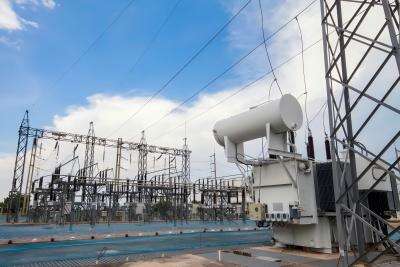
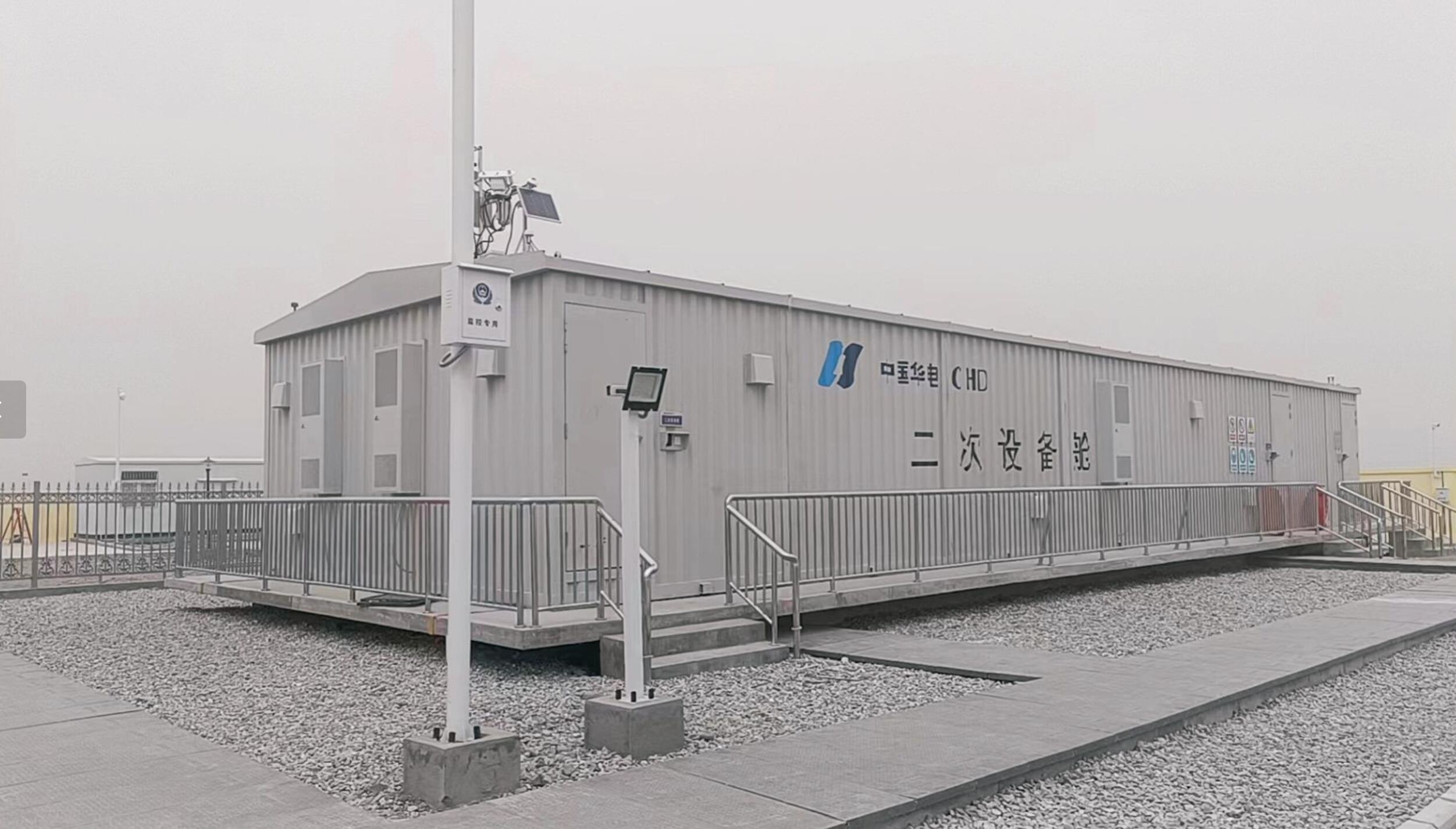
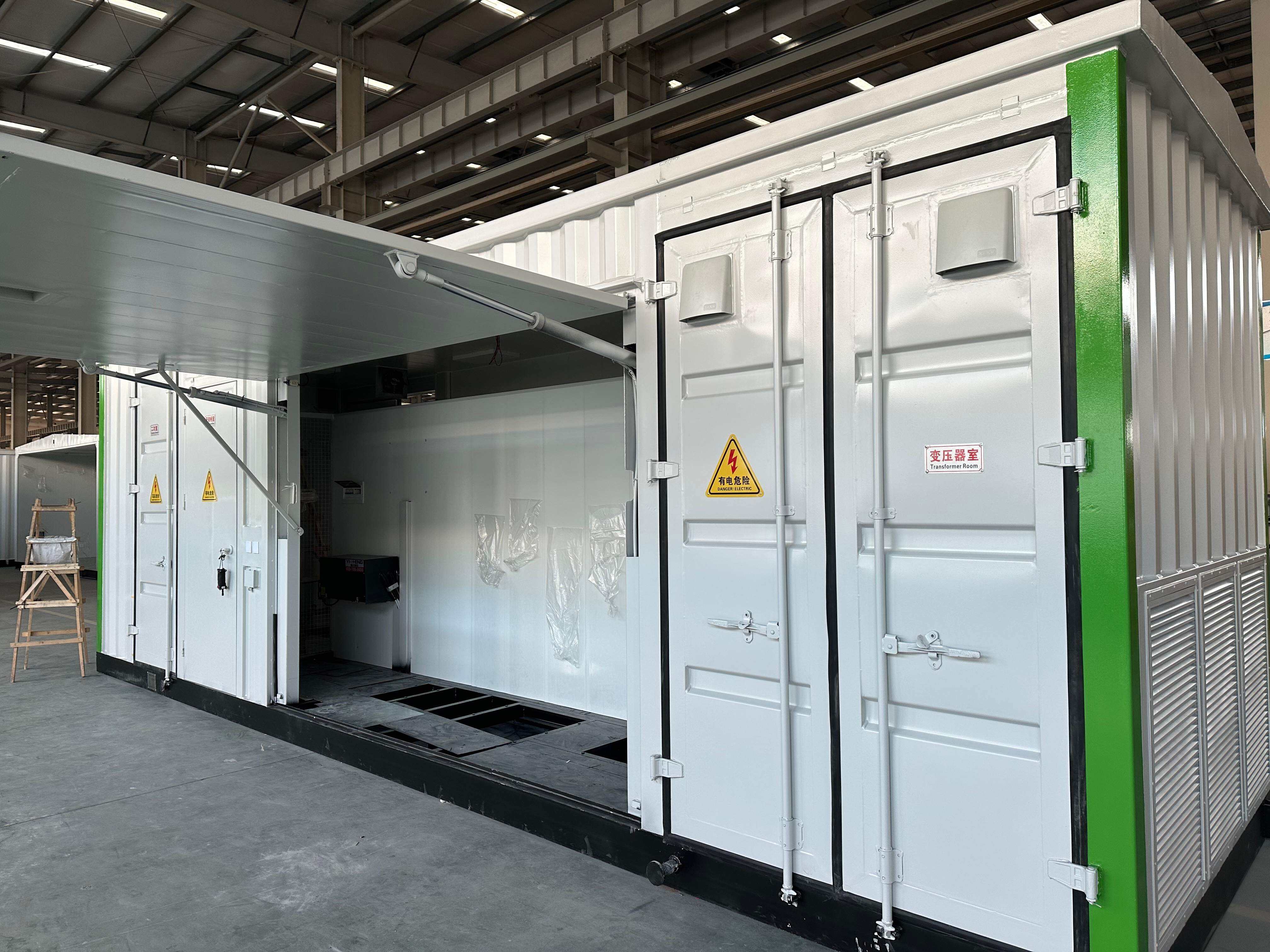
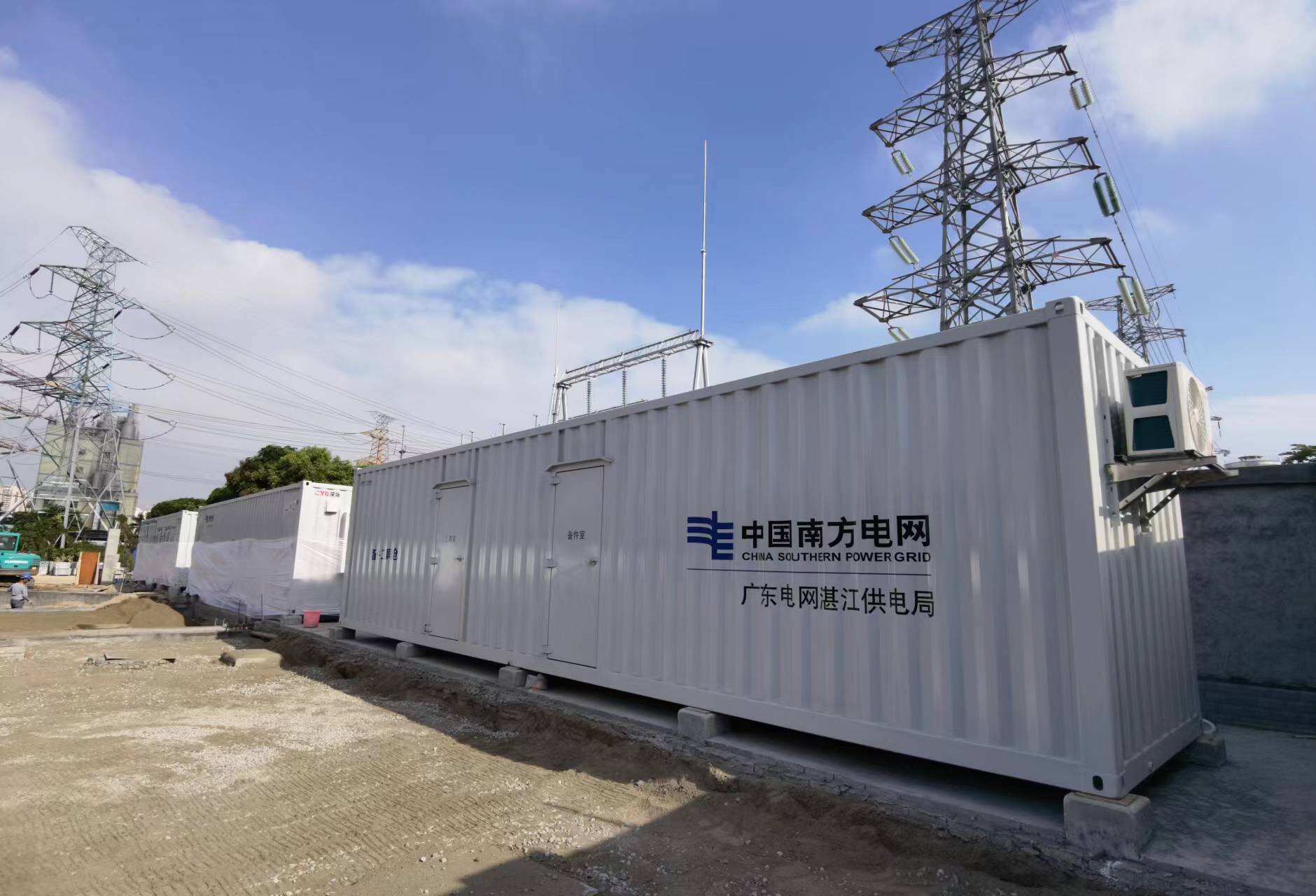
A mobile substation represents a revolutionary approach to electrical power distribution, offering unprecedented flexibility and reliability in power system management. This sophisticated electrical infrastructure solution consists of a complete power transformation and distribution system mounted on a transportable platform, typically housed within a specialized trailer or skid-mounted configuration. The mobile substation serves as a temporary or permanent electrical hub that can be rapidly deployed to meet various power distribution needs across diverse industries and applications. The primary function of a mobile substation involves stepping down high-voltage electricity from transmission lines to lower voltages suitable for distribution networks or stepping up voltages for transmission purposes. This critical transformation process ensures safe and efficient power delivery to end users while maintaining optimal voltage levels throughout the electrical network. Modern mobile substations incorporate advanced technological features including digital protection systems, remote monitoring capabilities, and automated switching mechanisms that enhance operational efficiency and safety standards. These units typically feature high-quality transformers, switchgear, protection relays, control systems, and monitoring equipment all integrated into a compact, weatherproof enclosure. The technological sophistication extends to include SCADA (Supervisory Control and Data Acquisition) systems that enable remote operation and real-time monitoring of electrical parameters. Applications for mobile substations span numerous sectors including utility companies requiring emergency backup power, industrial facilities needing temporary power solutions during maintenance periods, construction sites requiring reliable electrical supply, mining operations in remote locations, and renewable energy projects such as wind farms and solar installations. The versatility of mobile substations makes them indispensable for disaster recovery efforts, planned maintenance activities, load transfer operations, and capacity enhancement projects where permanent infrastructure development may not be economically viable or immediately feasible.

New Products

Mobile substations deliver exceptional value through their inherent mobility, allowing power companies and industrial operators to respond swiftly to changing electrical demands and emergency situations. This mobility advantage eliminates lengthy construction timelines typically associated with permanent substations, reducing project deployment from months to mere days. The rapid deployment capability proves invaluable during emergency situations where power restoration becomes critical for community safety and business continuity. Companies benefit significantly from reduced capital expenditure requirements since mobile substations eliminate the need for extensive civil works, permanent foundations, and lengthy regulatory approval processes associated with fixed installations. The cost-effectiveness extends beyond initial investment savings to include reduced maintenance expenses and operational flexibility that allows optimal resource allocation across multiple projects. Mobile substations provide remarkable operational flexibility, enabling utilities and industrial operators to test new locations, support temporary load increases, and maintain service during planned maintenance activities without service interruptions. This flexibility translates into improved customer satisfaction and reduced revenue losses associated with power outages. The plug-and-play design of modern mobile substations simplifies installation procedures, requiring minimal site preparation and reducing labor costs substantially. Operators can easily relocate these units based on evolving power demands, seasonal requirements, or strategic operational changes, maximizing asset utilization and return on investment. Quality assurance represents another significant advantage, as mobile substations undergo rigorous factory testing before deployment, ensuring optimal performance and reliability from the moment of installation. This comprehensive testing approach reduces field commissioning time and minimizes potential operational issues that could affect power supply reliability. Environmental benefits include reduced construction waste, minimal site disturbance, and the ability to implement temporary solutions without permanent environmental impact. The standardized design approach enables faster procurement, reduced spare parts inventory, and streamlined maintenance procedures that lower total ownership costs. Mobile substations also offer enhanced safety features through controlled factory assembly conditions that ensure consistent quality standards and reduce installation risks compared to field-constructed alternatives.

Latest News

Nanjing Electric Holds Grand 89th Anniversary Celebration

26

Jan

Nanjing Electric Holds Grand 89th Anniversary Celebration

View More
Setting Sail for the World  From Export to Global Expansion, Baiyun Electric Accelerates Its Internationalization

26

Nov

Setting Sail for the World From Export to Global Expansion, Baiyun Electric Accelerates Its Internationalization

View More
International Exhibition | Nanjing Electric Showcases at Middle East Energy 2025

26

Jan

International Exhibition | Nanjing Electric Showcases at Middle East Energy 2025

View More

Get a Free Quote

Our representative will contact you soon.
Email
Name
Company Name
Message
0/1000

mobile substation

Rapid Emergency Response and Disaster Recovery Capabilities

Rapid Emergency Response and Disaster Recovery Capabilities

Mobile substations excel in emergency response scenarios, providing critical infrastructure restoration capabilities that can mean the difference between prolonged outages and swift power recovery. When natural disasters, equipment failures, or unexpected emergencies compromise existing electrical infrastructure, mobile substations can be dispatched and operational within hours rather than the weeks or months required for permanent infrastructure repair or replacement. This rapid response capability proves invaluable for utility companies facing regulatory pressure to minimize customer outage duration while maintaining high reliability standards. The emergency response effectiveness stems from the pre-engineered design and comprehensive factory testing that ensures these units arrive ready for immediate deployment. Emergency management teams can coordinate mobile substation deployment as part of comprehensive disaster recovery strategies, providing essential power restoration for hospitals, emergency services, communication networks, and critical community infrastructure. The self-contained nature of mobile substations eliminates dependency on local construction resources that may be compromised or unavailable during emergency situations. Utility operators benefit from reduced regulatory penalties associated with extended outages while maintaining customer confidence through demonstrated preparedness and rapid response capabilities. Mobile substations designed for emergency applications often include enhanced features such as extended fuel capacity for backup generators, reinforced weather protection, and simplified connection procedures that enable deployment even under challenging conditions. The strategic positioning of mobile substations in utility fleets creates geographic coverage that ensures rapid response times across service territories. Insurance companies increasingly recognize the risk mitigation value of mobile substation capabilities, potentially reducing premiums for utilities and industrial operators who maintain adequate emergency response resources. The proven track record of mobile substations in major disaster recovery efforts, including hurricane response, earthquake recovery, and industrial accident scenarios, demonstrates their essential role in modern power system resilience planning and emergency preparedness strategies.
Cost-Effective Alternative to Permanent Infrastructure Investment

Cost-Effective Alternative to Permanent Infrastructure Investment

Mobile substations provide substantial economic advantages over traditional permanent substation construction, delivering comparable functionality while eliminating many cost components associated with fixed infrastructure development. The total cost of ownership analysis reveals significant savings across multiple categories including land acquisition, environmental permitting, civil construction, and long-term maintenance commitments that burden permanent installations. Traditional substation construction projects require extensive site preparation, concrete foundations, structural steel installation, and complex utility connections that can consume months of project timeline and substantial capital resources. Mobile substations circumvent these requirements through factory-built integration that arrives ready for connection to existing electrical networks. The economic benefits extend beyond initial capital savings to include operational advantages such as tax benefits from mobile equipment classification, reduced insurance costs due to lower asset values, and elimination of property tax obligations associated with permanent real estate improvements. Financing options for mobile substations often prove more favorable than permanent infrastructure projects, with equipment financing terms that align better with corporate cash flow requirements and depreciation strategies. The residual value retention of mobile substations exceeds that of permanent installations since these units can be relocated, refurbished, and redeployed multiple times throughout their operational lifecycle. Companies operating in multiple locations benefit from asset sharing capabilities that maximize utilization rates and reduce per-location infrastructure investment requirements. The modular nature of mobile substation design enables phased capacity expansion without the substantial upfront investment required for oversized permanent infrastructure. Maintenance cost advantages include factory-trained technician support, standardized component replacement procedures, and centralized spare parts inventory that reduces total maintenance expenses compared to custom-built permanent installations. The ability to relocate mobile substations based on changing business requirements eliminates the risk of stranded assets that can occur when permanent infrastructure becomes obsolete due to load changes, regulatory modifications, or strategic business pivots.
Advanced Technology Integration and Remote Monitoring Excellence

Advanced Technology Integration and Remote Monitoring Excellence

Modern mobile substations incorporate cutting-edge technology integration that surpasses many existing permanent installations, providing operators with unprecedented visibility and control over electrical system performance. The advanced digital architecture includes sophisticated SCADA systems, intelligent electronic devices, and comprehensive communication networks that enable real-time monitoring, predictive maintenance, and remote operational control from centralized locations. These technological capabilities transform mobile substations from simple power transformation equipment into intelligent grid assets that contribute to overall system optimization and reliability enhancement. The integration of advanced protection systems provides superior fault detection and isolation capabilities, minimizing equipment damage and reducing outage duration through faster restoration procedures. Cybersecurity features built into modern mobile substations address growing concerns about grid security, incorporating encryption protocols, access controls, and monitoring systems that protect against both physical and digital threats. The data collection and analysis capabilities enable operators to optimize performance, predict maintenance requirements, and identify operational improvements that enhance overall system efficiency. Remote monitoring eliminates the need for continuous on-site personnel, reducing operational costs while maintaining comprehensive oversight of electrical parameters, environmental conditions, and equipment status. The technology platform supports integration with utility management systems, enabling seamless coordination with existing operational procedures and emergency response protocols. Advanced diagnostics capabilities provide early warning of potential equipment issues, enabling proactive maintenance that prevents costly failures and extends equipment lifecycle. The standardized technology platform across mobile substation fleets enables centralized monitoring and control of multiple units from single operations centers, improving resource allocation and operational efficiency. Weather monitoring systems integrated into mobile substations provide environmental data that supports operational decision-making and helps predict potential weather-related challenges. The technology integration extends to include GPS tracking, asset management systems, and automated reporting capabilities that streamline administrative requirements and improve regulatory compliance documentation. These advanced technological features position mobile substations as premium electrical infrastructure solutions that deliver superior performance and operational advantages compared to conventional alternatives.

Get a Free Quote

Our representative will contact you soon.
Email
Name
Company Name
Message
0/1000
Newsletter
Please Leave A Message With Us