
 EN



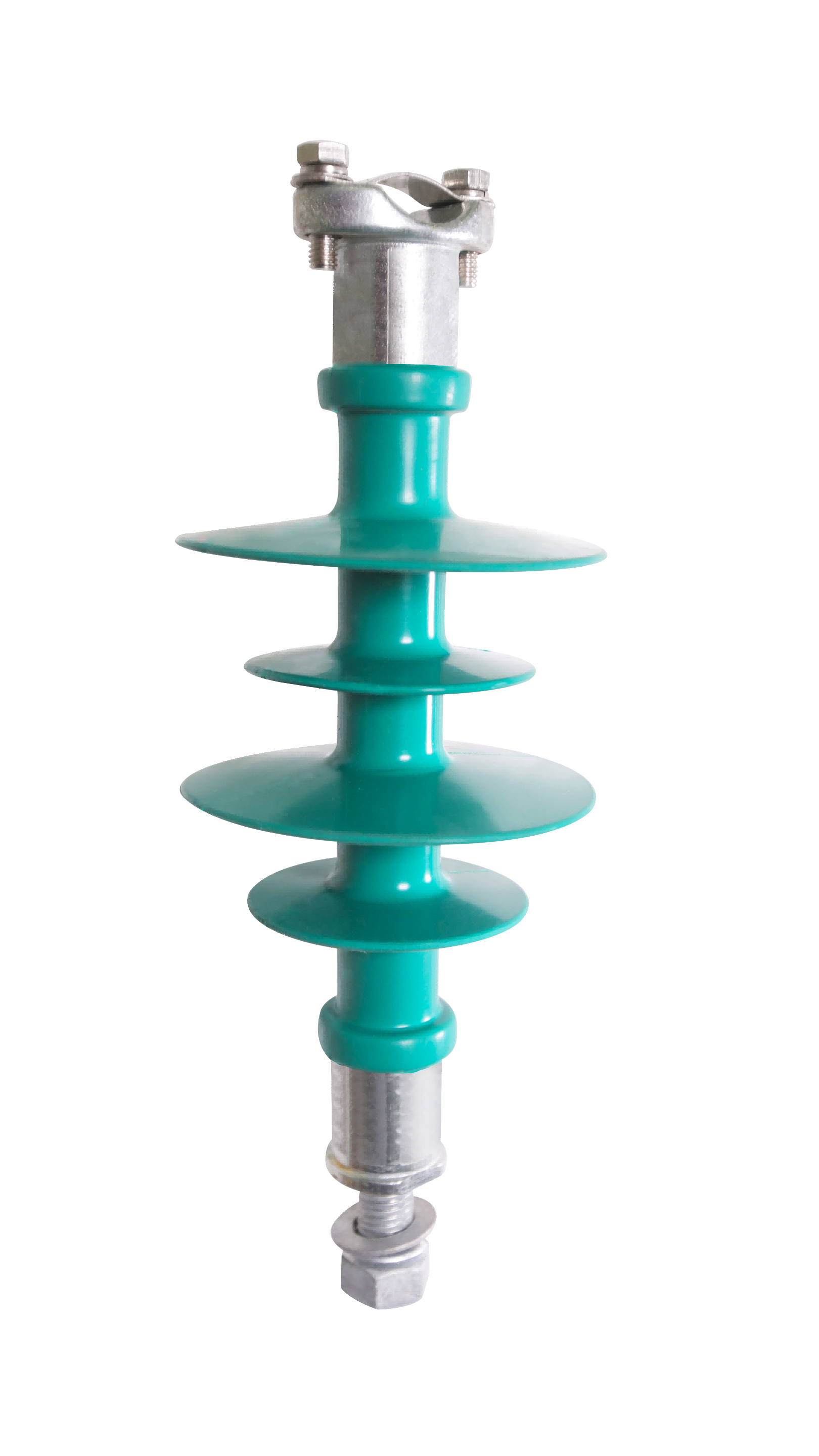
The hollow composite insulator has become an essential component in modern high voltage electrical equipment, transforming how power systems maintain reliability and safety. These innovative structures combine lightweight materials with superior electrical properties to deliver performance that traditional ceramic or porcelain insulators cannot match. Understanding how the hollow composite insulator functions within high voltage systems is crucial for engineers, utility managers, and equipment manufacturers who must specify, install, and maintain power infrastructure in increasingly demanding operational environments.
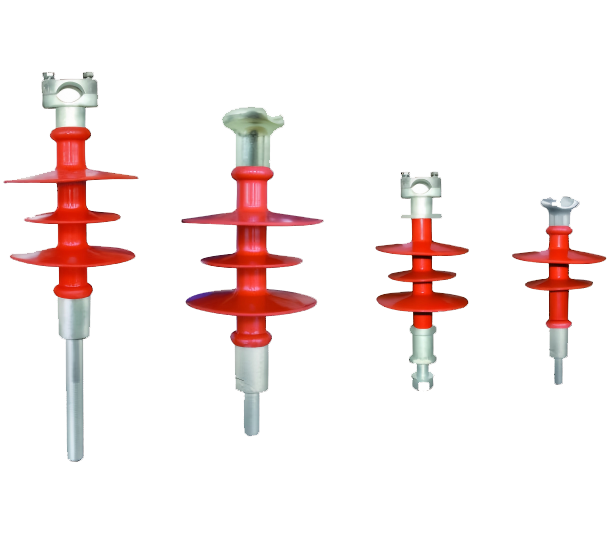
A hollow composite insulator represents a fundamental shift in insulation technology, engineered specifically to isolate electrical conductors while withstanding mechanical stress and environmental exposure in high voltage applications. The hollow composite insulator integrates a fiberglass reinforced polymer core with a silicone rubber weathershed design, creating a structure that excels in contaminated environments and extreme weather conditions. This article explores the practical deployment of the hollow composite insulator in high voltage equipment, examining its roles, advantages, and the specific contexts where this technology delivers measurable value to power system operators.
Structural Design and Material Composition
Core Architecture of the Hollow Composite Insulator
The hollow composite insulator consists of a tubular fiberglass reinforced polymer rod surrounded by multiple layers of elastomeric weathersheds. This hollow design provides exceptional strength-to-weight ratios that make installation and maintenance significantly easier compared to heavier ceramic alternatives. The hollow composite insulator's internal void reduces material consumption while maintaining the dielectric strength required for high voltage isolation. Modern hollow composite insulators can withstand mechanical loads exceeding 200 kilonetones while maintaining consistent electrical performance across wide temperature ranges and humidity variations.
Material Properties and Performance Characteristics
The hollow composite insulator combines fiberglass-reinforced epoxy resin with silicone rubber weathersheds, creating a composite structure with distinct performance advantages. Silicone rubber provides superior hydrophobic properties, meaning the hollow composite insulator naturally repels moisture and maintains insulating effectiveness even in coastal or highly contaminated regions. The fiberglass core of the hollow composite insulator delivers mechanical strength comparable to traditional porcelain while weighing approximately one-tenth as much, fundamentally changing how high voltage equipment design and installation planning occur. This material combination ensures that the hollow composite insulator maintains stable dielectric properties from minus 40 degrees Celsius to plus 130 degrees Celsius, covering virtually all operational climate scenarios encountered in global power systems.
Applications in High Voltage Equipment
Suspension Insulators and Transmission Line Support
Transmission lines carrying 115 kilovolts to 765 kilovolts rely on the hollow composite insulator to maintain conductor spacing and prevent electrical faults across the phases. Each high voltage transmission tower contains numerous hollow composite insulator units arranged in strings, with each unit rated for specific voltage levels and mechanical loads. The hollow composite insulator design allows utilities to use longer string lengths with fewer individual units, reducing tower height requirements and material costs while improving system reliability. When a hollow composite insulator is installed in transmission applications, its low weight permits efficient maintenance operations and allows faster replacement procedures that minimize service interruptions.
Substation Equipment and Bus Support Systems
Substations house transformers, circuit breakers, and switching equipment that require precise insulation separation to prevent phase-to-ground or phase-to-phase faults. The hollow composite insulator serves as a bus support insulator, maintaining correct spacing between energized conductors while containing electrical stress within acceptable limits. Bus support applications demonstrate the hollow composite insulator's superior performance in confined spaces where weight and space constraints exist. A hollow composite insulator installed as a bus support allows greater flexibility in substation layout design, enabling more compact equipment arrangements that reduce overall footprint while accommodating future expansion of electrical capacity.
Coupling Capacitor Voltage Transformers and Sensor Integration
Coupling capacitor voltage transformers employ the hollow composite insulator design to create integrated measurement and protection devices that simultaneously isolate high voltage circuits and enable monitoring. The hollow design permits internal installation of capacitive elements and voltage divider networks within the hollow composite insulator structure itself, creating a unified component that performs multiple functions within the high voltage network. This integration reduces component count in substations and improves reliability by eliminating separate external measurement connections that might introduce additional failure points.
Performance Advantages and Environmental Benefits
Hydrophobic Recovery and Pollution Resistance
The hollow composite insulator's silicone rubber weathersheds possess hydrophobic recovery properties that traditional ceramic materials cannot achieve. When a hollow composite insulator is exposed to contaminated atmospheres containing industrial pollutants, sea salt, or desert dust, the surface naturally rejects moisture and prevents conductive paths from forming across the insulation. The hydrophobic nature of the hollow composite insulator means pollution flashover events occur far less frequently than with porcelain insulators in identical service environments. This characteristic directly reduces unplanned outages, maintenance costs, and emergency repair expenses that utilities must budget for when managing aging ceramic insulator populations.
Mechanical Reliability and Installation Advantages
The hollow composite insulator weighs one-tenth as much as comparable porcelain units, fundamentally changing how utilities plan installation and maintenance operations in high voltage systems. Installation crews can safely handle the hollow composite insulator with minimal equipment, reducing project timelines and labor costs associated with heavy lifting and positioning tasks. When failures occur, field personnel can rapidly replace a damaged hollow composite insulator with standard tools and procedures, minimizing service disruption across transmission lines or substation equipment. The hollow composite insulator's superior strength-to-weight ratio also permits designers to optimize support structures and tower designs, reducing steel consumption and environmental impact of infrastructure construction.
Long-Term Cost Effectiveness and Lifecycle Value
The hollow composite insulator delivers measurable cost benefits across its complete operational lifecycle, from initial procurement through final retirement. Capital costs for the hollow composite insulator have declined significantly as manufacturing volumes increased, making this technology economically competitive with traditional ceramic alternatives despite historical price premiums. Maintenance costs for the hollow composite insulator remain substantially lower because hydrophobic recovery eliminates routine washing and cleaning procedures that porcelain insulators require in contaminated environments. Utility life-cycle analysis consistently demonstrates that the hollow composite insulator provides superior return on investment, particularly in applications involving coastal exposure, industrial pollution zones, or extreme weather regions where ceramic insulators experience high failure rates.
Specification and Selection Criteria
Voltage and Mechanical Load Rating
Specifying the correct hollow composite insulator requires matching voltage ratings to actual system conditions and selecting mechanical strength appropriate for specific application environments. Standard hollow composite insulator voltage ratings range from 10 kilovolts to 765 kilovolts, with each rating certified to maintain dielectric integrity under specified environmental stresses and contamination levels. The hollow composite insulator must be rated for mechanical loads that include conductor tension, wind loads, ice accumulation, and dynamic switching transients characteristic of its intended service location. Engineers use published performance data and standardized testing protocols to confirm that candidate hollow composite insulators meet applicable design standards and operational requirements for specific high voltage applications.
Environmental and Contamination Factor Selection
The hollow composite insulator is manufactured with weathershed designs optimized for specific environmental categories ranging from light to ultra-heavy contamination service. Selection of the appropriate hollow composite insulator for contamination service requires evaluating local atmospheric conditions, proximity to salt water or industrial emissions, and historical performance data from similar installations. The hollow composite insulator design permits optimization for regional environmental profiles, with shed spacing and material properties adjusted to maximize performance in specific contamination scenarios. Utilities and equipment manufacturers reference international standards and regional experience databases to select hollow composite insulators that deliver reliable performance while minimizing lifetime maintenance and replacement costs.
FAQ
Why should utilities transition from ceramic insulators to hollow composite insulator technology?
The hollow composite insulator offers significant operational advantages including superior hydrophobic recovery in contaminated environments, substantially lower weight that simplifies installation and maintenance, and proven long-term cost effectiveness across complete lifecycle analysis. Utilities operating in coastal regions, industrial areas, or extreme weather zones experience noticeably fewer unplanned outages when replacing ceramic insulators with hollow composite insulators designed for their specific contamination categories. The hollow composite insulator's performance improvements and cost benefits justify planned replacement programs as aging ceramic insulator populations approach end-of-life conditions.
How does the hollow composite insulator maintain electrical performance in moisture-rich environments?
The hollow composite insulator's silicone rubber weathersheds naturally repel water and prevent moisture accumulation on the insulation surface, even in heavy rain or coastal salt-spray conditions. When a hollow composite insulator surface is contaminated by pollutants or salt deposits, the hydrophobic recovery process causes water droplets to bead and roll off rather than forming continuous conductive paths that would cause flashovers. This hydrophobic mechanism keeps the hollow composite insulator in a dry state relative to conductive paths, maintaining dielectric strength without requiring field washing procedures that ceramic insulators demand.
What testing and certification standards apply to hollow composite insulators used in power systems?
The hollow composite insulator must comply with international standards including IEEE 1211, IEC 61109, and regional utility specifications that establish performance requirements for voltage rating, mechanical strength, and environmental service capability. Manufacturers conduct rigorous testing protocols on the hollow composite insulator including high voltage dry-power frequency tests, wet-power frequency tests, and contaminated surface performance evaluations to verify compliance with published standards. These standardized tests ensure that any hollow composite insulator specified for high voltage service has been thoroughly validated to perform reliably under the stresses and environmental exposures it will encounter throughout its operational lifetime in the power system.
Table of Contents
- Structural Design and Material Composition
- Applications in High Voltage Equipment
- Performance Advantages and Environmental Benefits
- Specification and Selection Criteria
-
FAQ
- Why should utilities transition from ceramic insulators to hollow composite insulator technology?
- How does the hollow composite insulator maintain electrical performance in moisture-rich environments?
- What testing and certification standards apply to hollow composite insulators used in power systems?