
 EN



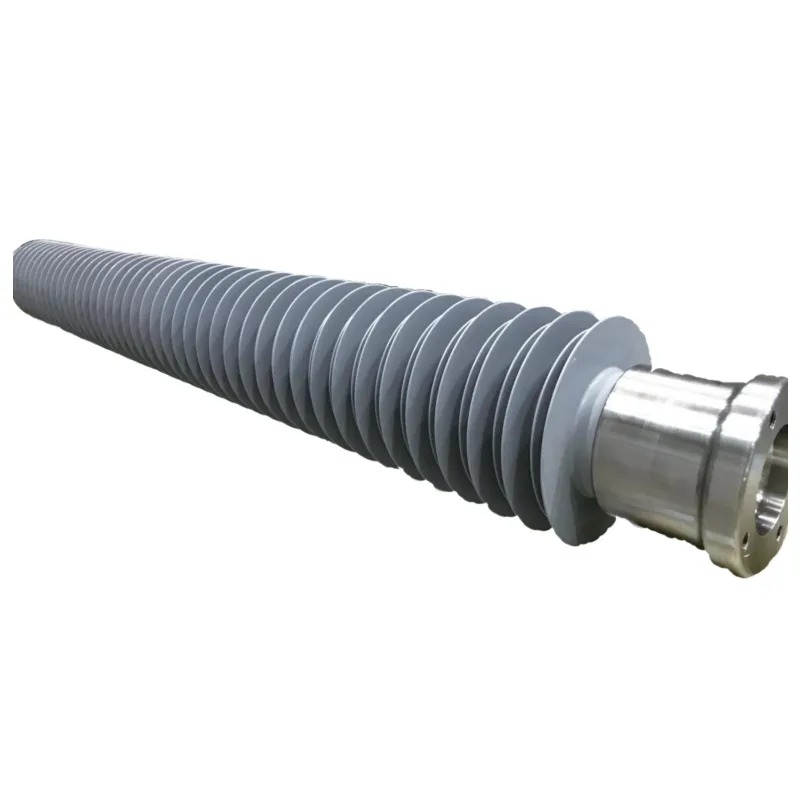
Maintenance costs represent a significant operational expense for electrical utilities and industrial power systems worldwide. A composite insulator offers a proven solution to reduce these costs substantially compared to traditional ceramic or porcelain alternatives. Understanding how a composite insulator minimizes maintenance requirements and extends service life can help facility managers and engineers make informed decisions about infrastructure investments that deliver long-term financial benefits.
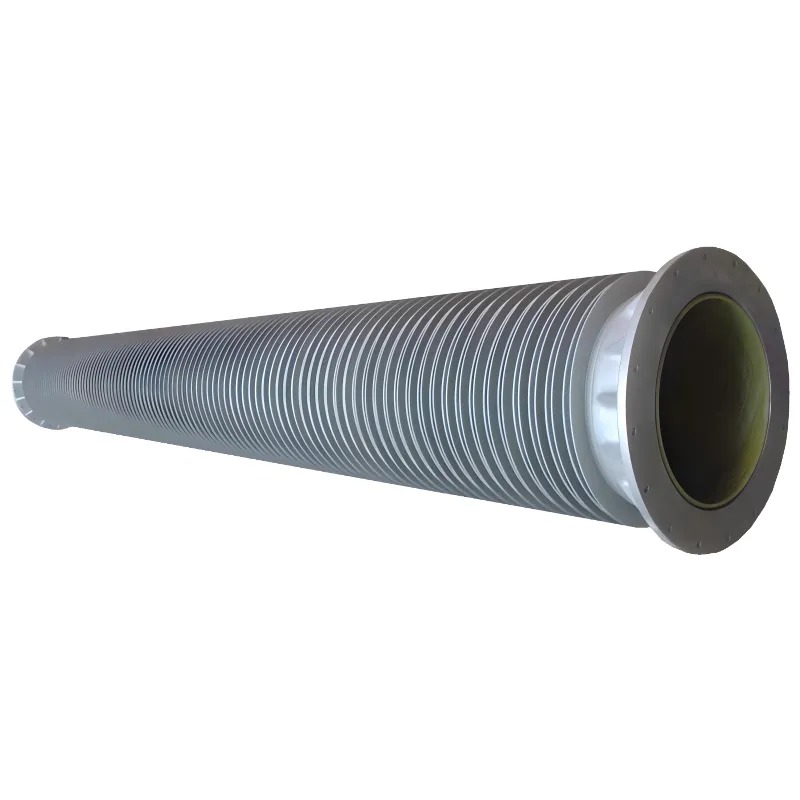
When electrical utilities deploy a composite insulator in their transmission and distribution networks, they experience measurable reductions in both planned and emergency maintenance activities. The material composition and structural design of a composite insulator eliminate many failure modes that plague conventional insulators. This transition has already proven successful across multiple continents, demonstrating that a composite insulator fundamentally changes the economics of insulator management for decades of operation.
Superior Material Properties of Composite Insulators
Resistance to Environmental Degradation
A composite insulator comprises an epoxy-fiberglass core wrapped in silicone rubber sheds that resist pollution, moisture, and ultraviolet exposure far better than ceramic materials. Traditional ceramic insulators absorb moisture and salt deposits, which creates conductive pathways across their surfaces and triggers leakage currents and tracking failures. In contrast, a composite insulator sheds water naturally and prevents contaminant buildup through its hydrophobic surface properties, making it ideal for coastal environments, industrial zones, and regions with heavy pollution.
The silicone rubber used in a composite insulator exhibits self-cleaning characteristics that ceramic cannot match. When rain washes the surface of a composite insulator, it removes accumulated dust, salt, and industrial particles more effectively than the porous surfaces of traditional materials. This self-cleaning action means that utilities do not need to schedule expensive high-pressure washing or manual cleaning interventions as frequently, directly reducing labor and equipment costs associated with a composite insulator inspection and maintenance programs.
Mechanical Strength and Durability
A composite insulator distributes mechanical stresses more evenly throughout its structure than brittle ceramic designs. The fiberglass core provides tensile strength that allows a composite insulator to withstand ice loading, wind stress, and vibration without cracking or shattering. Ceramic insulators frequently experience sudden brittle fractures during extreme weather events, requiring emergency replacement and service disruptions that are expensive and dangerous. Because a composite insulator resists these catastrophic failures, utilities can operate longer between maintenance cycles and avoid costly emergency repairs.
The flexibility and impact resistance of a composite insulator extend its operational lifespan significantly beyond ceramic alternatives. Field studies across decades have documented that a composite insulator installed in harsh environments continues performing reliably while neighboring ceramic units require replacement. This extended life directly translates to lower annualized maintenance costs and fewer inventory management headaches for maintenance teams responsible for a composite insulator stockpiling and deployment.
Reduced Maintenance Activities and Labor Costs
Minimal Cleaning and Inspection Requirements
Utilities operating a composite insulator experience dramatically lower cleaning frequencies compared to ceramic systems. Traditional insulators in polluted environments often require cleaning every six to twelve months to maintain acceptable leakage current levels. In contrast, a composite insulator may only need cleaning every three to five years or not at all in many moderate-pollution regions, reducing the labor hours, vehicle deployments, and safety risks associated with cleaning operations. When cleaning does become necessary, a composite insulator typically requires only simple spray rinsing rather than high-pressure washing, further lowering operational costs.
Inspection protocols are also simplified when using a composite insulator. Technicians do not need to perform detailed visual searches for hairline cracks, crazing patterns, or incipient fractures that characterize ceramic degradation. The robust appearance of a composite insulator and its resistance to visible damage reduce inspection time and the expertise required to assess condition. This streamlined inspection process allows maintenance teams to cover more territory with fewer personnel, directly reducing the overhead costs associated with managing a composite insulator reliability programs.
Elimination of Catastrophic Failure Events
Emergency replacement activities represent disproportionately high costs within maintenance budgets. When ceramic insulators fail unexpectedly, utilities must dispatch emergency crews, often during night hours or adverse weather conditions, to replace failed units before power system stability is compromised. These emergency events tie up resources, incur premium labor rates, and often require backup equipment and support services that escalate costs rapidly. A composite insulator's resistance to catastrophic failure dramatically reduces the frequency and severity of these expensive emergency interventions, yielding substantial savings in response and resolution expenses.
The predictable performance of a composite insulator also reduces the necessity for spare inventory. Utilities can operate with smaller stockpiles of replacement units because the failure rate is so much lower than ceramic systems. Carrying reduced spare inventory lowers storage costs, simplifies warehouse management, and frees capital that would otherwise be tied up in replacement equipment. For a composite insulator users managing large networks spanning thousands of units, this inventory reduction represents significant cost savings over extended operational periods.
Long-Term Financial Performance and Return on Investment
Total Cost of Ownership Analysis
Although initial purchase prices for a composite insulator may exceed ceramic costs by ten to thirty percent, the total cost of ownership over a typical thirty-year service life favors composite designs substantially. When utilities calculate the present value of maintenance labor, cleaning operations, emergency repairs, spare inventory carrying costs, and replacement expenses, a composite insulator consistently delivers lower total cost across realistic operational scenarios. This financial advantage becomes even more pronounced in high-pollution regions where ceramic maintenance costs escalate dramatically due to increased cleaning frequency and elevated failure rates.
Performance data from utilities operating composite insulator systems for two to three decades confirms that lifecycle cost savings typically range from fifteen to forty percent compared to ceramic alternatives. These savings accumulate steadily through reduced annual maintenance expenses and avoided emergency costs that would have occurred with traditional materials. A composite insulator investment requires upfront capital discipline but rewards operators with measurable financial benefits that extend across multiple decades, making it an attractive choice for long-term value-conscious infrastructure managers.
Operational Reliability and Business Continuity
Beyond direct maintenance cost reductions, a composite insulator contributes to superior operational reliability that supports business continuity and revenue protection. Fewer insulator failures mean fewer service interruptions, lower customer complaint rates, and more predictable maintenance scheduling that minimizes disruption to grid operations. For industries relying on continuous electrical supply, such as data centers, manufacturing, and healthcare facilities, the reliability improvement associated with a composite insulator can justify investment decisions based on business continuity value alone, independent of pure maintenance cost considerations.
The environmental benefits of a composite insulator also deserve consideration in total value assessment. Eliminating or reducing high-pressure water cleaning operations conserves water resources and eliminates chemical runoff concerns associated with ceramic cleaning protocols. Longer service life means fewer replacement events and reduced waste generation, supporting environmental sustainability commitments that many utilities and industries now prioritize. These non-financial benefits, combined with measurable maintenance cost reductions, create a compelling case for composite insulator adoption across modern power systems.
FAQ
What makes a composite insulator more cost-effective than ceramic alternatives?
A composite insulator reduces maintenance costs through superior resistance to environmental degradation, self-cleaning properties that minimize required washing, mechanical strength that prevents catastrophic failures, and extended service life that lowers annualized equipment costs. Ceramic insulators require frequent cleaning in polluted environments and experience brittle fractures that trigger expensive emergency replacements, whereas a composite insulator avoids these recurring expenses across decades of operation.
How often does a composite insulator require cleaning and maintenance?
A composite insulator typically requires cleaning only every three to five years in moderate-pollution regions, compared to every six to twelve months for ceramic systems in the same environment. Many areas with low pollution may not require any cleaning of a composite insulator during its entire service life. When cleaning is necessary, simple spray rinsing suffices rather than high-pressure washing, further reducing labor and equipment costs associated with maintenance activities.
Can a composite insulator really last thirty years without major failure?
Yes, field performance data from utilities worldwide confirm that a composite insulator regularly achieves thirty-year service lives with minimal failures when properly installed and maintained. The material composition and mechanical design of a composite insulator resist the degradation mechanisms that cause ceramic failures, including moisture absorption, tracking, crazing, and brittle fracture. This proven longevity justifies the slightly higher initial purchase price through substantial reductions in lifetime maintenance and replacement costs.