
 EN
EN



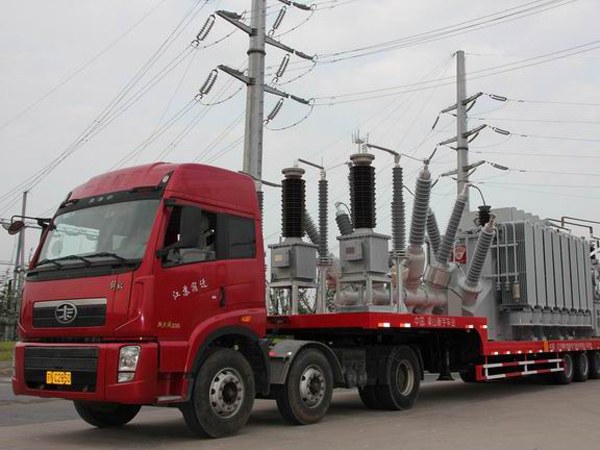
Power transmission systems form the backbone of modern electrical infrastructure, enabling the efficient delivery of electricity from generation plants to end consumers across vast distances. At the heart of these complex networks lies the transformer, a critical component that ensures voltage levels are appropriately adjusted for safe and efficient power distribution. Understanding how transformers support stable power transmission is essential for anyone involved in electrical engineering, utility management, or industrial operations that depend on reliable electricity supply.
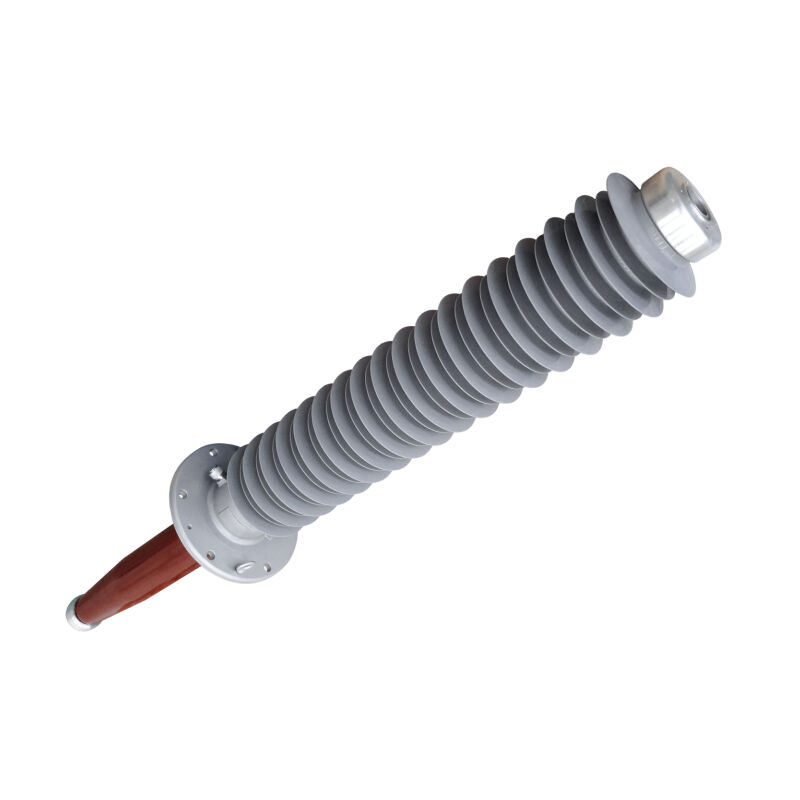
The fundamental principle behind transformer operation involves electromagnetic induction, where alternating current in the primary winding creates a changing magnetic field that induces voltage in the secondary winding. This seemingly simple process enables power systems to step voltage up for long-distance transmission and step it down for safe local distribution. The transformer's ability to change voltage levels while maintaining power efficiency makes it indispensable in maintaining grid stability and ensuring continuous power supply to millions of consumers worldwide.
Essential Functions of Transformers in Power Networks
Voltage Regulation and Control
Voltage regulation represents one of the most critical functions of power transformers in maintaining stable transmission systems. Modern electrical grids require precise voltage control to ensure optimal power flow and prevent equipment damage caused by voltage fluctuations. A well-designed transformer maintains voltage within acceptable limits despite varying load conditions, seasonal demands, and unexpected system disturbances that can affect power quality.
Advanced transformer designs incorporate tap changers and voltage regulators that automatically adjust output voltage based on system requirements. These mechanisms enable the transformer to respond dynamically to changing electrical conditions, maintaining consistent voltage levels that protect sensitive equipment and ensure reliable operation of industrial processes. The precision of voltage control directly impacts the overall stability of power transmission networks.
Load tap changers, both on-load and off-load varieties, provide transformer operators with the flexibility to fine-tune voltage output without interrupting power supply. This capability is particularly valuable in transmission systems where maintaining voltage stability during peak demand periods is crucial for preventing cascading failures and maintaining grid integrity across interconnected networks.
Power Quality Enhancement
Beyond basic voltage transformation, modern transformers play a vital role in enhancing overall power quality throughout transmission systems. Power quality encompasses various electrical parameters including harmonic distortion, frequency stability, and transient response characteristics that directly affect the performance of connected equipment and the reliability of power delivery.
Specialized transformer designs incorporate features that minimize harmonic content in transmitted power, reducing interference with sensitive electronic equipment and improving overall system efficiency. The transformer's magnetic core and winding configuration can be optimized to suppress certain harmonic frequencies while maintaining excellent power transfer characteristics across the fundamental frequency range.
Furthermore, transformers equipped with advanced protection systems can detect and respond to power quality disturbances, isolating affected sections of the transmission network to prevent widespread outages. This protective capability ensures that local disturbances do not propagate throughout the entire electrical grid, maintaining stability even when individual components experience failures or abnormal operating conditions.
Transformer Design Features for Transmission Stability
Core Construction and Materials
The magnetic core construction of power transformers directly influences their contribution to transmission system stability. High-grade silicon steel laminations minimize core losses and reduce heating, enabling the transformer to operate efficiently under varying load conditions without compromising performance. The careful selection of core materials ensures minimal energy loss during the magnetic flux transformation process, contributing to overall system efficiency.
Advanced core designs utilize step-lap construction techniques that reduce magnetic flux leakage and improve the transformer's ability to maintain stable operation during transient conditions. These construction methods result in transformers that exhibit excellent short-circuit withstand capability and enhanced resistance to mechanical stresses that can occur during system disturbances.
The magnetic properties of transformer cores also affect the unit's response to inrush currents and magnetizing requirements, both of which can impact transmission system stability. Properly designed cores minimize these effects while maintaining the transformer's ability to provide reliable voltage transformation across a wide range of operating conditions and load variations.
Winding Configuration and Insulation Systems
Winding design plays a crucial role in determining how effectively a transformer supports stable power transmission. The arrangement of primary and secondary windings affects impedance characteristics, short-circuit strength, and the unit's ability to maintain stable operation during system disturbances. Careful attention to winding geometry ensures optimal power transfer while minimizing losses and electromagnetic interference.
Insulation systems within power transformers must withstand not only normal operating voltages but also transient overvoltages that occur during switching operations and lightning strikes. Advanced insulation materials and designs provide the electrical strength necessary to maintain reliable operation while contributing to the transformer's overall longevity and maintenance requirements.
The spacing and arrangement of windings also influence the transformer's ability to limit fault currents during system disturbances. Proper winding design ensures that the transformer can continue operating safely during temporary fault conditions while providing protection systems with the time necessary to isolate faulted circuits and restore normal operation.
Protection Systems and Monitoring Technologies
Advanced Relay Protection
Modern transformers incorporate sophisticated protection systems that continuously monitor electrical parameters and respond automatically to abnormal conditions. These protection schemes include differential relays, overcurrent protection, and gas-actuated relays that detect internal faults and initiate appropriate protective actions to maintain transmission system stability.
Differential protection systems compare input and output currents to detect internal transformer faults with high sensitivity and selectivity. When properly coordinated with upstream and downstream protection devices, these systems can quickly isolate faulted transformers while minimizing the impact on overall transmission system operation and maintaining power supply to unaffected areas.
Gas relay protection, utilizing Buchholz relays or similar devices, provides early warning of developing internal problems within oil-filled transformers. These systems can detect gas accumulation caused by arcing or overheating, enabling preventive maintenance actions that avoid catastrophic failures and maintain transmission system reliability.
Condition Monitoring and Diagnostics
Continuous condition monitoring systems provide real-time information about transformer health and performance, enabling operators to make informed decisions about maintenance scheduling and system operation. These monitoring systems track parameters such as oil temperature, dissolved gas concentrations, and partial discharge activity to assess transformer condition and predict potential problems before they affect transmission stability.
Online monitoring technologies allow operators to track transformer performance trends and identify gradual degradation that might otherwise go unnoticed until significant problems develop. This predictive maintenance approach helps ensure that transformers continue providing reliable service while minimizing unplanned outages that could affect transmission system stability.
Advanced diagnostic techniques, including frequency response analysis and sweep frequency response testing, provide detailed information about transformer mechanical and electrical condition. These diagnostic tools enable maintenance personnel to detect developing problems and plan appropriate corrective actions before they impact the transformer's ability to support stable power transmission.
Integration with Smart Grid Technologies
Digital Communication and Control
The integration of transformers with smart grid technologies enhances their contribution to transmission system stability through improved communication and control capabilities. Digital monitoring systems provide real-time data about transformer operation, enabling system operators to make informed decisions about load dispatch and network configuration that optimize power flow and maintain stability.
Communication protocols such as IEC 61850 enable transformers to participate in coordinated control schemes that optimize overall transmission system performance. These communication standards facilitate the exchange of operational data and control commands that help maintain system stability during normal operation and emergency conditions.
Remote monitoring capabilities allow system operators to track transformer performance from central control centers, enabling rapid response to developing problems and coordinated control actions that maintain transmission system stability across wide geographical areas. This enhanced situational awareness contributes to improved overall grid reliability and reduced risk of cascading failures.
Adaptive Protection and Control Systems
Smart grid technologies enable transformers to utilize adaptive protection systems that adjust their operating parameters based on current system conditions and requirements. These adaptive systems optimize transformer performance while maintaining protection sensitivity and selectivity that preserves transmission system stability during various operating scenarios.
Coordinated control systems can adjust transformer tap positions and protection settings based on system-wide optimization algorithms that consider factors such as load distribution, renewable energy generation, and market conditions. This coordination ensures that each transformer operates in a manner that supports overall transmission system objectives while maintaining local stability and protection requirements.
The integration of transformers with energy management systems enables predictive control actions that anticipate system changes and adjust transformer operation accordingly. This proactive approach to transformer control helps maintain transmission system stability even as power generation and consumption patterns become increasingly dynamic and unpredictable.
Maintenance Strategies for Optimal Performance
Preventive Maintenance Programs
Comprehensive preventive maintenance programs ensure that transformers continue supporting stable power transmission throughout their operational lifetime. These programs include regular inspection of cooling systems, monitoring of insulating oil condition, and testing of protection systems to verify proper operation and identify potential problems before they affect transmission reliability.
Oil analysis programs provide valuable insight into transformer condition by monitoring dissolved gas concentrations, moisture content, and chemical properties that indicate internal condition. Regular oil testing enables maintenance personnel to track transformer health trends and schedule appropriate maintenance actions that preserve the unit's ability to support stable power transmission.
Thermal monitoring systems track transformer temperatures and loading patterns to ensure operation within design limits and identify opportunities for improved efficiency. Proper thermal management helps maintain transformer reliability while maximizing its contribution to transmission system capacity and stability during peak demand periods.
Predictive Maintenance Technologies
Advanced predictive maintenance technologies utilize artificial intelligence and machine learning algorithms to analyze transformer operational data and predict potential failures before they occur. These technologies enable maintenance teams to schedule repairs and replacements during planned outages, minimizing disruption to transmission system operation and maintaining overall grid stability.
Partial discharge monitoring systems provide early warning of developing insulation problems that could lead to catastrophic transformer failure. By detecting and tracking partial discharge activity, maintenance personnel can plan appropriate corrective actions that preserve transformer reliability and prevent unplanned outages that could affect transmission system stability.
Vibration analysis and acoustic monitoring techniques help identify mechanical problems within transformers, such as loose connections or core instability, that could affect performance and reliability. Early detection of these issues enables proactive maintenance that maintains transformer contribution to stable power transmission while avoiding costly emergency repairs.
Future Developments in Transformer Technology
Advanced Materials and Construction
Research into advanced materials promises to enhance transformer contribution to power transmission stability through improved efficiency, reduced size, and enhanced reliability. High-temperature superconducting materials offer the potential for transformers with dramatically reduced losses and improved power density, enabling more efficient transmission systems with enhanced stability margins.
Nanocrystalline core materials provide superior magnetic properties that reduce transformer losses and improve performance under varying load conditions. These advanced materials enable transformers that maintain stable operation across wider operating ranges while contributing to improved overall transmission system efficiency and reliability.
Solid-state transformer technologies offer the potential for enhanced control capabilities and improved integration with renewable energy sources and energy storage systems. These advanced transformer designs can provide additional grid services such as reactive power compensation and harmonic filtering that further enhance transmission system stability and power quality.
Integration with Energy Storage Systems
The integration of transformers with energy storage systems creates opportunities for enhanced transmission system stability through improved load leveling and frequency regulation capabilities. These hybrid systems can respond rapidly to system disturbances while providing the voltage transformation necessary for efficient power transmission and distribution.
Battery energy storage systems integrated with transformers can provide grid services such as peak shaving, frequency regulation, and backup power that enhance overall transmission system reliability and stability. These integrated systems offer flexibility in system operation while maintaining the fundamental voltage transformation functions essential for power transmission.
Transformer-integrated energy storage systems can also support the integration of renewable energy sources by providing the voltage regulation and power conditioning necessary to maintain transmission system stability despite the variable nature of wind and solar generation. This integration capability becomes increasingly important as power systems incorporate higher percentages of renewable energy sources.
FAQ
How do transformers maintain voltage stability during load variations
Transformers maintain voltage stability through automatic tap changing mechanisms and voltage regulation systems that adjust output voltage based on load conditions. Load tap changers can modify the turns ratio while the transformer remains energized, compensating for voltage drops in transmission lines and maintaining stable voltage levels at distribution points. Additionally, the transformer's inherent impedance characteristics provide natural voltage regulation that helps stabilize the system during normal load variations.
What role do protection systems play in transformer stability
Protection systems are essential for maintaining transformer stability by detecting abnormal conditions and initiating appropriate protective actions before damage occurs. Differential relays, overcurrent protection, and gas-actuated relays work together to isolate faulted transformers quickly while coordinating with other protection devices to minimize system disruption. These protection schemes ensure that local faults do not propagate throughout the transmission network, preserving overall system stability even during emergency conditions.
How do modern monitoring systems enhance transformer reliability
Modern monitoring systems enhance transformer reliability by providing continuous assessment of key operational parameters such as temperature, dissolved gases in oil, and partial discharge activity. These systems enable predictive maintenance strategies that identify developing problems before they affect transformer performance, allowing maintenance teams to schedule repairs during planned outages rather than responding to emergency failures that could compromise transmission system stability.
What maintenance practices ensure optimal transformer performance
Optimal transformer performance requires a comprehensive maintenance program that includes regular oil analysis, thermal monitoring, protection system testing, and condition assessment using advanced diagnostic techniques. Preventive maintenance schedules should address cooling system maintenance, bushing inspection, and core ground testing to identify potential problems early. Predictive maintenance technologies such as partial discharge monitoring and vibration analysis provide additional insight into transformer condition, enabling maintenance strategies that preserve reliability while maximizing operational availability.