
 EN
EN



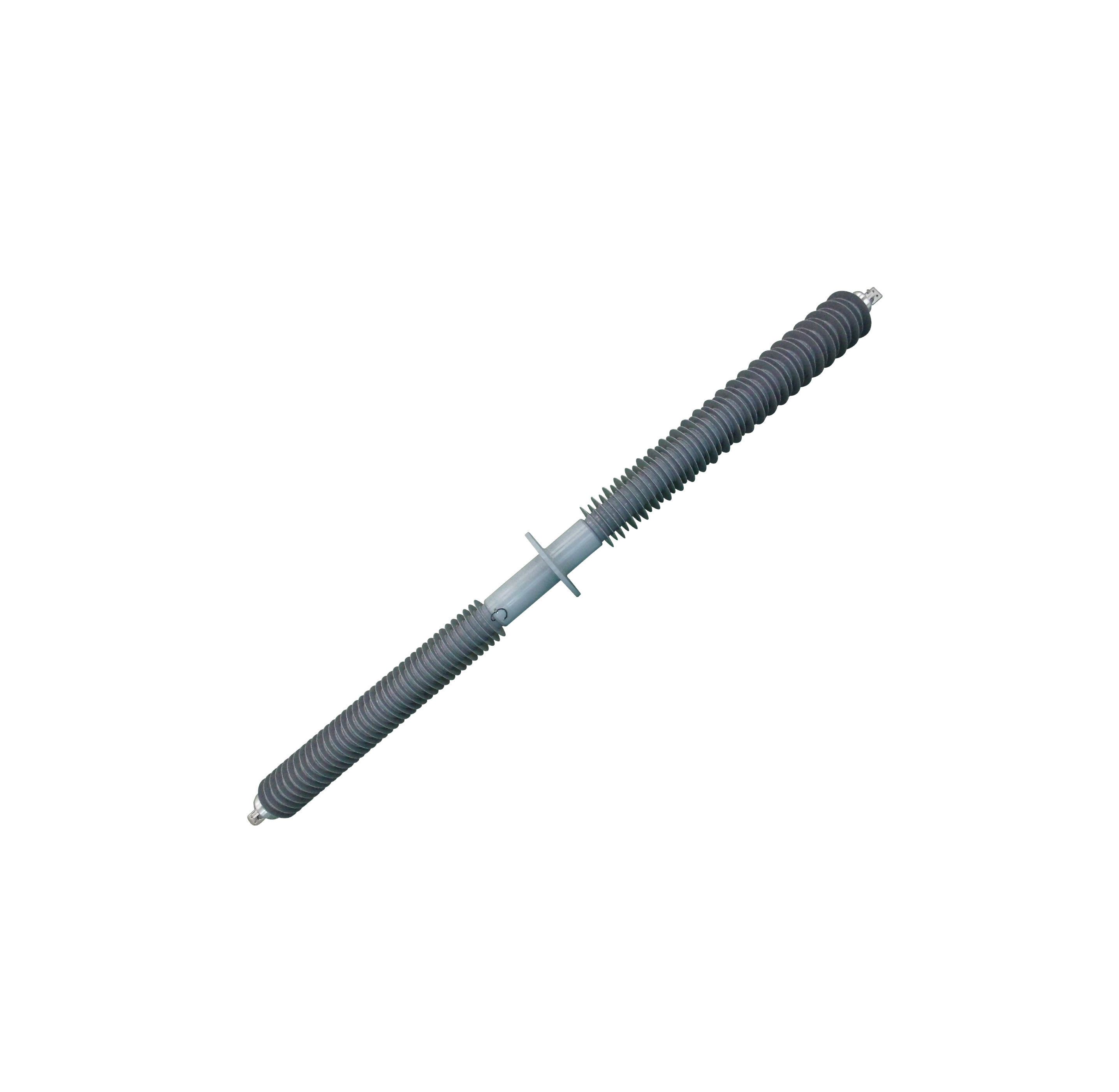
Electrical power systems require precise engineering solutions to maintain safety and efficiency when conductors pass through walls, barriers, or enclosures. A wall bushing serves as a critical protective component that enables safe conductor penetration while preventing electrical faults, environmental contamination, and structural damage. These specialized insulating devices create a secure passage for high-voltage conductors through solid barriers, ensuring operational reliability in power generation facilities, substations, and industrial installations.
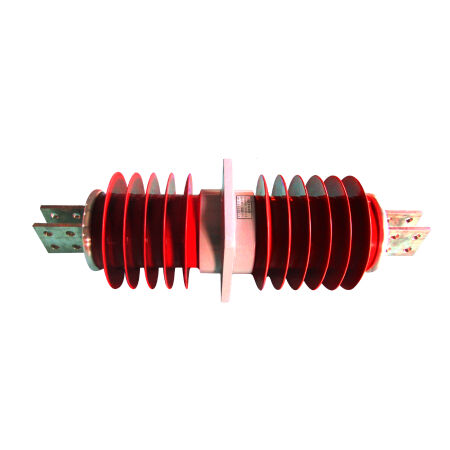
The fundamental purpose of a wall bushing extends beyond simple conductor protection to encompass comprehensive electrical safety management. These components must withstand extreme electrical stresses, environmental conditions, and mechanical forces while maintaining insulation integrity throughout their operational lifespan. Understanding their design principles and applications becomes essential for engineers, facility managers, and maintenance professionals working with high-voltage electrical systems.
Fundamental Design Principles of Wall Bushing Systems
Insulation Material Selection and Properties
Modern wall bushing designs incorporate advanced insulation materials specifically engineered to withstand high electrical stresses and environmental challenges. Porcelain remains a popular choice due to its excellent dielectric properties, mechanical strength, and resistance to weathering. The ceramic composition provides consistent insulation performance across temperature variations while maintaining structural integrity under mechanical stress.
Polymer-based wall bushing alternatives offer enhanced flexibility and reduced weight compared to traditional ceramic designs. These composite materials demonstrate superior resistance to impact damage and thermal cycling, making them suitable for applications where mechanical vibration or temperature fluctuations present ongoing challenges. The polymer insulation also provides better contamination resistance in coastal or industrial environments where salt spray or chemical exposure occurs regularly.
Silicone rubber housings represent another advancement in wall bushing technology, offering exceptional hydrophobic properties that prevent moisture accumulation and tracking. These materials maintain their insulating characteristics even when exposed to UV radiation, ozone, and extreme temperature ranges, ensuring long-term reliability in outdoor installations.
Electrical Stress Distribution and Grading
Effective electrical stress management forms the cornerstone of wall bushing performance, requiring careful attention to field distribution around the conductor penetration point. Engineers utilize stress grading techniques to ensure uniform electrical field distribution, preventing dangerous concentrations that could lead to insulation breakdown or flashover events.
Capacitive grading systems employ strategically placed conductive layers or rings to control electric field distribution along the wall bushing length. This approach creates a more uniform potential gradient, reducing peak stress concentrations that could compromise insulation integrity. The grading design must account for both normal operating voltages and transient overvoltages that may occur during switching operations or lightning events.
Geometric optimization plays a crucial role in stress distribution, with carefully designed profiles that minimize field enhancement factors. The wall bushing contour follows mathematical principles that ensure smooth potential transitions while maintaining adequate creepage distances for external insulation. This geometric approach reduces manufacturing complexity while achieving reliable electrical performance across various voltage ratings.
Safety Mechanisms and Protection Features
Arc Prevention and Fault Containment
Wall bushing safety systems incorporate multiple layers of protection designed to prevent dangerous arc formation and contain potential electrical faults. The primary insulation system creates a robust barrier between energized conductors and grounded structures, while secondary protection mechanisms activate during abnormal operating conditions to prevent catastrophic failure.
Arc-resistant designs feature enhanced creepage distances and specialized surface treatments that discourage tracking formation. These modifications increase the path length that electrical discharges must travel across the insulator surface, making arc formation significantly more difficult even under contaminated conditions. The surface texture and hydrophobic treatments further enhance this protection by preventing water film formation that could provide conductive paths.
Pressure relief systems integrated into wall bushing designs provide controlled venting during internal fault conditions, preventing explosive failures that could endanger personnel or damage adjacent equipment. These safety features direct fault energy in predetermined directions while maintaining structural integrity of the surrounding installation.
Environmental Protection and Sealing
Comprehensive environmental sealing ensures that wall bushing installations maintain their protective capabilities regardless of weather conditions or environmental contamination. Advanced sealing systems prevent moisture ingress while allowing thermal expansion and contraction without compromising insulation integrity.
Multi-stage sealing approaches utilize primary and secondary barriers to create redundant protection against environmental infiltration. The primary seal prevents direct water entry, while secondary sealing systems manage any moisture that bypasses the initial barrier. This layered approach ensures continued protection even if individual seal components experience wear or damage over time.
Corrosion-resistant materials and coatings protect metallic components from environmental degradation, ensuring long-term structural integrity of the wall bushing assembly. These protective systems extend operational life while reducing maintenance requirements and associated costs.
Installation Requirements and Best Practices
Mechanical Mounting and Support Systems
Proper mechanical installation forms the foundation of wall bushing safety and performance, requiring careful attention to support structure design and mounting procedures. The supporting wall or barrier must provide adequate strength to handle both static loads and dynamic forces that may occur during operation or fault conditions.
Load distribution considerations become critical when installing large wall bushing assemblies, particularly in applications involving high-voltage transmission systems. The mounting structure must accommodate not only the weight of the bushing itself but also conductor tensions, wind loads, and seismic forces that may be encountered during the installation's operational life.
Vibration isolation techniques help prevent mechanical fatigue and maintain electrical connections over extended periods. Flexible mounting systems allow thermal expansion while providing rigid support for electrical components, ensuring consistent performance despite environmental temperature variations.
Clearance Requirements and Safety Zones
Establishing appropriate clearance distances around wall bushing installations ensures personnel safety while maintaining reliable electrical operation. These safety zones must account for both normal operating voltages and potential overvoltage conditions that could expand the electrical danger area around energized components.
Minimum approach distances vary based on voltage levels and local safety regulations, but generally require substantial clear zones around high-voltage wall bushing installations. These clearances prevent accidental contact while providing adequate space for maintenance activities and emergency response procedures.
Grounding system integration ensures that any fault currents are safely conducted to earth, preventing dangerous potential differences from developing across the installation. Proper grounding design coordinates with the overall facility earthing system to provide comprehensive protection for both equipment and personnel.
Maintenance and Monitoring Strategies
Condition Assessment Techniques
Regular condition monitoring enables early detection of wall bushing degradation before failures can compromise system safety or reliability. Visual inspection techniques identify obvious signs of damage, contamination, or unusual wear patterns that may indicate developing problems requiring immediate attention.
Electrical testing methods provide quantitative assessment of insulation condition and overall wall bushing performance. Power factor testing reveals insulation deterioration, while partial discharge measurements detect internal defects that could lead to eventual failure. These diagnostic techniques enable predictive maintenance strategies that maximize equipment life while minimizing unexpected outages.
Thermal imaging surveys identify abnormal heating patterns that may indicate loose connections, internal faults, or excessive electrical stress concentrations. Regular thermal monitoring helps maintenance teams prioritize repair activities and schedule maintenance during planned outages rather than emergency situations.
Preventive Maintenance Protocols
Systematic maintenance programs extend wall bushing service life while ensuring continued safe operation throughout the equipment's operational period. Cleaning procedures remove environmental contamination that could compromise insulation performance, while inspection protocols identify wear patterns or damage requiring corrective action.
Seal integrity verification ensures that environmental protection systems continue functioning effectively, preventing moisture ingress or contamination that could lead to insulation failure. Regular seal inspection and replacement schedules help maintain the protective barriers essential for long-term wall bushing reliability.
Documentation systems track maintenance activities and condition trends, enabling data-driven decisions about repair timing and replacement planning. Comprehensive maintenance records also support warranty claims and regulatory compliance requirements while providing valuable insights for future installation improvements.
Applications Across Different Voltage Classes
Low and Medium Voltage Applications
Low voltage wall bushing applications typically involve distribution systems and industrial facilities where conductors must pass through building walls or equipment enclosures. These installations prioritize cost-effectiveness while maintaining adequate safety margins for personnel protection and reliable operation.
Medium voltage wall bushing systems serve utility distribution networks and large industrial facilities with more demanding electrical requirements. These applications require enhanced insulation coordination and more robust mechanical designs to handle increased electrical stresses and environmental challenges.
Compact designs optimize space utilization in urban installations where real estate constraints limit available mounting area. Advanced materials and manufacturing techniques enable smaller wall bushing profiles without compromising electrical or mechanical performance standards.
High Voltage and Extra High Voltage Systems
High voltage transmission applications demand the most sophisticated wall bushing designs, incorporating advanced materials and precision manufacturing to handle extreme electrical stresses safely. These installations require extensive testing and quality assurance protocols to ensure reliable operation under demanding service conditions.
Extra high voltage wall bushing systems represent the pinnacle of insulator technology, featuring complex stress grading systems and specialized materials designed for the most challenging electrical environments. These installations require specialized installation procedures and enhanced safety protocols due to the extreme electrical dangers present during maintenance activities.
Gas-insulated systems integrate wall bushing technology with compressed gas insulation to achieve compact high-voltage installations suitable for urban substations or space-constrained industrial facilities. These hybrid approaches combine the benefits of solid and gaseous insulation while maintaining the protective functions essential for safe conductor penetration.
Technological Advances and Future Developments
Smart Monitoring Integration
Modern wall bushing designs increasingly incorporate intelligent monitoring systems that provide real-time condition assessment and predictive maintenance capabilities. Embedded sensors monitor electrical, thermal, and mechanical parameters continuously, enabling immediate detection of abnormal conditions that could indicate developing problems.
Wireless communication systems eliminate the need for hardwired connections while providing reliable data transmission to central monitoring stations. These communication networks enable remote condition assessment and automated alarm generation, reducing the need for manual inspection activities while improving response times to developing problems.
Data analytics platforms process monitoring information to identify trends and patterns that may not be apparent through traditional inspection methods. Machine learning algorithms can predict failure modes and optimize maintenance schedules based on actual operating conditions rather than generic maintenance intervals.
Material Science Innovations
Nanotechnology applications in wall bushing materials promise enhanced electrical and mechanical properties while reducing size and weight requirements. Nanocomposite materials demonstrate improved tracking resistance and mechanical strength compared to conventional insulation materials, potentially extending service life and reducing maintenance requirements.
Self-healing materials represent an emerging technology that could automatically repair minor damage or degradation, maintaining insulation integrity throughout extended service periods. These advanced materials incorporate mechanisms that respond to electrical stress or environmental damage by initiating repair processes that restore protective properties.
Environmentally sustainable materials address growing concerns about lifecycle environmental impact while maintaining the performance standards required for reliable electrical service. Recyclable components and reduced manufacturing energy requirements support broader sustainability goals while meeting stringent electrical performance requirements.
FAQ
What factors determine wall bushing voltage rating requirements
Wall bushing voltage ratings depend on system operating voltage, anticipated overvoltages, and safety factors specified by applicable electrical codes. The bushing must withstand not only normal operating voltages but also temporary overvoltages caused by switching operations, lightning, or system faults. Installation altitude affects insulation requirements due to reduced air density, requiring voltage derating or enhanced insulation design for high-altitude locations.
How often should wall bushing condition monitoring be performed
Condition monitoring frequency varies based on voltage level, environmental conditions, and criticality of the electrical system. High-voltage installations typically require annual electrical testing and quarterly visual inspections, while lower voltage applications may extend intervals to every two or three years. Harsh environmental conditions such as coastal locations or industrial pollution may necessitate more frequent monitoring to detect contamination-related degradation early.
What are the most common wall bushing failure modes
The most frequent wall bushing failures result from insulation degradation due to electrical tracking, moisture ingress, or mechanical damage. Environmental contamination creates conductive paths across insulator surfaces, while thermal cycling can cause mechanical stress leading to cracking or seal failure. Internal partial discharges gradually degrade insulation materials, eventually leading to complete breakdown if not detected and addressed through preventive maintenance programs.
Can existing wall bushing installations be upgraded with modern monitoring systems
Many existing wall bushing installations can be retrofitted with modern monitoring equipment, though the specific approach depends on the original design and available mounting space. External sensors can monitor surface conditions and partial discharge activity, while thermal monitoring requires clear sight lines to critical components. Some advanced monitoring features may require replacement of the entire bushing assembly to accommodate integrated sensor systems and communication interfaces.