
 EN
EN



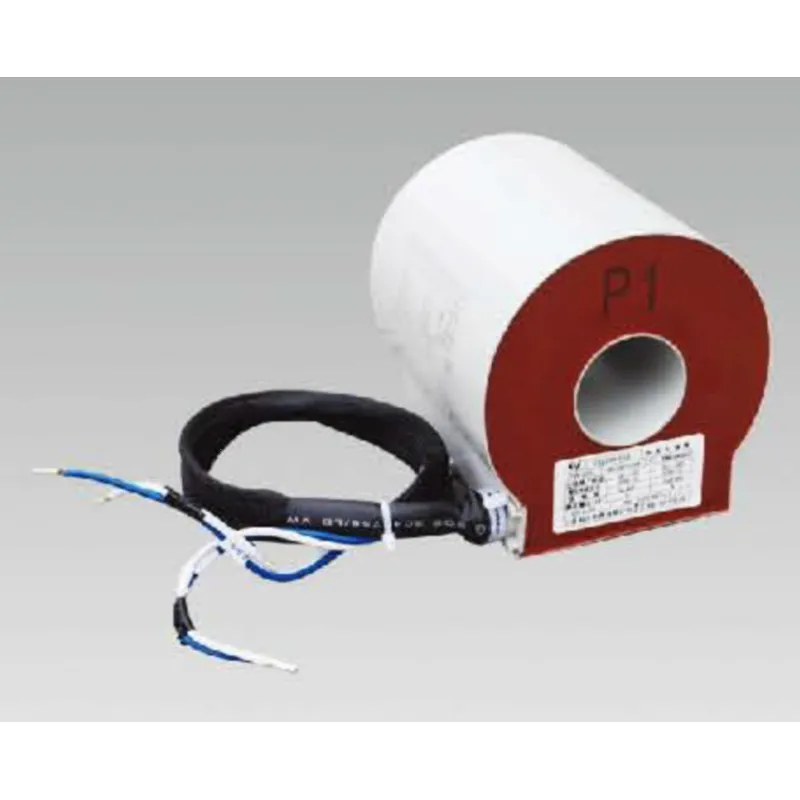
Modern electrical power systems rely heavily on transformer technology to efficiently distribute electricity across vast networks. The management of thermal and electrical stress within these critical components represents one of the most challenging aspects of power system engineering. As electrical grids become increasingly complex and demand continues to rise, understanding how transformer units handle these stresses becomes essential for maintaining reliable power distribution. The intricate balance between thermal management and electrical stress mitigation determines the operational lifespan and performance efficiency of transformer systems across industrial applications.
Understanding Thermal Stress in Transformer Operations
Heat Generation Mechanisms in Transformer Cores
The primary sources of heat generation within transformer cores stem from magnetic losses, commonly known as core losses or iron losses. These losses occur due to hysteresis and eddy current effects within the laminated steel core material. Hysteresis losses result from the continuous magnetization and demagnetization cycles that the core experiences during alternating current operations. The molecular structure of the core material undergoes constant realignment, generating heat as a byproduct of this magnetic switching process.
Eddy current losses represent another significant contributor to thermal stress within transformer cores. These circulating currents develop within the conductive core material when exposed to changing magnetic fields. Modern transformer designs utilize laminated core construction with thin electrical steel sheets to minimize eddy current pathways. The lamination process creates barriers that restrict current flow, thereby reducing heat generation and improving overall transformer efficiency.
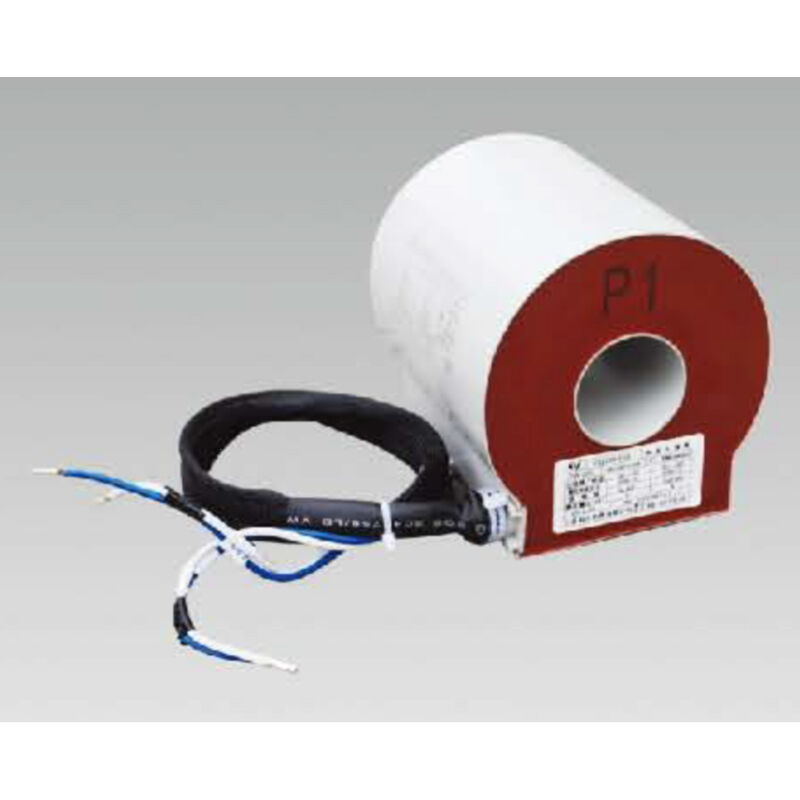
Advanced core materials such as amorphous steel and grain-oriented electrical steel have revolutionized thermal management in transformer applications. These materials exhibit lower core losses compared to conventional silicon steel, resulting in reduced heat generation and improved energy efficiency. The crystalline structure of these specialized materials minimizes hysteresis losses while maintaining excellent magnetic permeability characteristics essential for transformer performance.
Winding Temperature Management Systems
Transformer windings generate significant heat through copper losses, also known as I²R losses, which occur due to the electrical resistance of the conductor materials. The magnitude of these losses increases proportionally with the square of the current flowing through the windings. During peak load conditions, winding temperatures can reach critical levels that threaten the integrity of insulation systems and overall transformer reliability.
Effective thermal management requires sophisticated cooling systems designed to maintain winding temperatures within acceptable operating ranges. Oil-filled transformer designs utilize mineral or synthetic insulating oils that serve dual purposes as electrical insulators and heat transfer mediums. The convective properties of these oils facilitate heat removal from windings to external cooling surfaces, preventing dangerous temperature accumulations.
Forced air and forced oil cooling systems represent advanced thermal management solutions for high-power transformer applications. These systems incorporate external fans and oil pumps to enhance heat dissipation capabilities beyond natural convection limits. Temperature monitoring systems continuously track winding and oil temperatures, enabling automatic activation of cooling equipment when thermal thresholds are exceeded. This proactive approach prevents thermal damage and extends transformer operational lifespan significantly.
Electrical Stress Management Techniques
Insulation System Design Principles
The insulation system within a transformer serves as the primary defense against electrical stress and potential breakdown events. Modern transformer insulation systems combine solid, liquid, and gaseous insulating materials to create robust barriers against electrical failure. Solid insulation typically consists of paper, pressboard, and polymer materials strategically positioned to isolate conductive components and prevent unwanted current paths.
Liquid insulation, primarily transformer oil, fills the spaces between solid insulating components and provides additional electrical strength. The dielectric properties of transformer oil significantly exceed those of air, allowing for more compact transformer designs while maintaining electrical integrity. Regular oil testing and maintenance ensure that the insulating properties remain within specified parameters throughout the transformer operational lifecycle.
Electrical field management within transformer designs requires careful consideration of conductor geometry, spacing, and surface finishes. Sharp edges and points create electric field concentrations that can lead to partial discharge activity and eventual insulation failure. Modern transformer designs incorporate rounded conductors, optimized spacing, and field-grading materials to distribute electrical stress uniformly throughout the insulation system.
Surge Protection and Overvoltage Control
Lightning strikes and switching operations can generate severe overvoltage conditions that exceed the electrical stress tolerance of transformer insulation systems. Surge arresters and protective devices play crucial roles in limiting these transient overvoltages to safe levels. These protective systems must respond rapidly to divert excessive energy away from sensitive transformer components while maintaining normal operational characteristics.
Grading rings and electrostatic shields help manage electrical stress concentrations around high-voltage terminals and bushings. These devices redistribute electric fields more uniformly, preventing localized stress concentrations that could initiate breakdown events. Proper sizing and positioning of these protective elements require detailed electrical field analysis and extensive testing to ensure optimal performance under various operating conditions.
Coordinated protection systems integrate multiple protective devices to provide comprehensive overvoltage protection for transformer installations. These systems include surge arresters, protective relays, and switching equipment that work together to isolate transformers from dangerous electrical conditions. The coordination between these protective elements ensures that transformer units remain protected while maintaining system reliability and minimizing unnecessary outages.
Advanced Materials and Technologies
High-Temperature Superconducting Materials
High-temperature superconducting materials represent a revolutionary advancement in transformer technology, offering the potential to eliminate resistive losses entirely within winding conductors. These materials exhibit zero electrical resistance below critical temperature thresholds, dramatically reducing heat generation and improving energy efficiency. Superconducting transformer designs require specialized cooling systems to maintain the low temperatures necessary for superconducting operation.
The implementation of superconducting materials in transformer applications requires sophisticated cryogenic cooling systems that maintain temperatures well below ambient conditions. Liquid nitrogen and helium cooling systems provide the necessary thermal environment for superconducting operation. While these cooling requirements add complexity to transformer designs, the elimination of copper losses can result in significant efficiency improvements and reduced operational costs over the transformer lifespan.
Current research focuses on developing practical superconducting transformer designs that balance performance benefits with implementation challenges. Prototype installations have demonstrated the feasibility of superconducting transformer technology in real-world applications. As superconducting materials continue to improve and costs decrease, widespread adoption of superconducting transformers may become economically viable for utility and industrial applications.
Smart Monitoring and Diagnostic Systems
Modern transformer installations incorporate intelligent monitoring systems that continuously assess thermal and electrical stress conditions. These systems utilize advanced sensors to monitor parameters such as temperature, partial discharge activity, gas concentrations, and moisture levels within transformer oil. Real-time data analysis enables predictive maintenance strategies that identify potential problems before they result in transformer failures.
Dissolved gas analysis represents a powerful diagnostic tool for assessing transformer condition and identifying developing faults. Different types of electrical and thermal faults produce characteristic gas signatures that can be detected through oil sampling and analysis. Continuous gas monitoring systems provide immediate alerts when fault gases exceed predetermined thresholds, enabling prompt corrective actions to prevent catastrophic failures.
Artificial intelligence and machine learning algorithms enhance the capabilities of transformer monitoring systems by identifying subtle patterns and trends that might escape human analysis. These advanced systems can predict remaining transformer life, optimize loading strategies, and recommend maintenance actions based on comprehensive condition assessment data. The integration of smart monitoring technologies significantly improves transformer reliability and reduces maintenance costs through optimized scheduling and targeted interventions.
Cooling System Innovations
Natural and Forced Convection Methods
Natural convection cooling relies on the thermodynamic properties of transformer oil to facilitate heat removal from internal components to external surfaces. As oil temperature increases due to losses within the transformer, its density decreases, causing it to rise toward the top of the tank. Cooler oil with higher density flows downward to replace the heated oil, creating natural circulation patterns that transport heat away from critical components.
The effectiveness of natural convection cooling depends on several factors including tank design, oil properties, and ambient temperature conditions. Transformer tanks feature specialized fins or radiator panels that increase surface area for heat dissipation to the surrounding environment. The height and configuration of these cooling surfaces directly influence the natural convection characteristics and overall thermal performance of the transformer unit.
Forced convection systems enhance heat removal capabilities through the use of external fans and oil circulation pumps. These systems can significantly increase the power handling capacity of transformer installations by improving heat transfer rates beyond natural convection limits. Variable speed fans and pumps allow for precise control of cooling capacity based on actual transformer loading and ambient conditions, optimizing energy consumption while maintaining adequate thermal management.
Advanced Heat Exchanger Designs
Modern transformer cooling systems incorporate sophisticated heat exchanger designs that maximize thermal transfer efficiency while minimizing space requirements. Plate-type heat exchangers feature multiple parallel flow channels that increase surface area for heat transfer between transformer oil and external cooling mediums. These compact designs offer superior thermal performance compared to traditional tube-and-shell heat exchangers.
Hybrid cooling systems combine multiple heat transfer mechanisms to optimize thermal management under varying load conditions. These systems may incorporate both air and water cooling elements, automatically switching between cooling modes based on transformer load and ambient temperature conditions. The flexibility of hybrid systems enables optimal thermal performance across a wide range of operating scenarios while maintaining energy efficiency.
Directed flow cooling systems utilize internal baffles and flow guides to optimize oil circulation patterns within transformer tanks. These systems ensure that cooling oil flows directly over the hottest components, improving heat removal efficiency and reducing temperature gradients within the transformer. Computational fluid dynamics analysis enables the optimization of internal flow patterns for maximum cooling effectiveness and minimal pressure losses.
Protective Device Integration
Pressure Relief and Gas Management
Transformer tanks must accommodate the thermal expansion of insulating oil as temperatures fluctuate during normal operations. Conservator tanks and bladder systems provide space for oil expansion while preventing moisture and contaminants from entering the main transformer tank. These systems maintain consistent oil levels and prevent vacuum conditions that could compromise insulation integrity.
Pressure relief devices protect transformer tanks from excessive internal pressures that can develop during fault conditions or rapid temperature changes. Spring-loaded relief valves and rupture discs provide automatic pressure release mechanisms that prevent tank rupture and potential oil spills. These devices must be carefully calibrated to operate at appropriate pressure thresholds while avoiding unnecessary activation during normal pressure variations.
Buchholz relays and sudden pressure relays detect abnormal gas accumulation and rapid pressure changes that indicate developing faults within transformer units. These protective devices can automatically disconnect transformers from service when dangerous conditions are detected, preventing catastrophic failures and potential safety hazards. Regular testing and maintenance of these protective systems ensure reliable operation when protection is needed most.
Temperature Monitoring and Control
Winding temperature indicators provide continuous monitoring of the hottest spots within transformer windings where thermal stress is most severe. These devices utilize resistance temperature detectors or thermocouples embedded within winding structures to provide accurate temperature measurements. Alarm and trip functions activate when temperatures exceed safe operating limits, protecting transformer components from thermal damage.
Oil temperature monitoring systems track the temperature of transformer oil at multiple locations to ensure uniform cooling and detect potential circulation problems. Temperature gradients within transformer oil can indicate blocked cooling passages or failing circulation equipment. Multiple temperature sensors provide redundant monitoring capabilities and improved system reliability.
Automatic cooling control systems integrate temperature monitoring with cooling equipment operation to maintain optimal thermal conditions. These systems can automatically start fans, pumps, and other cooling equipment when temperature thresholds are exceeded. Load tap changer controls may also integrate with temperature monitoring to automatically reduce transformer loading when thermal limits approach, protecting the unit from overheating damage.
FAQ
What are the primary causes of thermal stress in power transformers?
Thermal stress in power transformers primarily results from core losses and copper losses within the transformer structure. Core losses include hysteresis and eddy current losses that occur within the magnetic core material during normal operation. Copper losses, also known as I²R losses, develop in transformer windings due to the electrical resistance of conductor materials. These losses generate heat that must be effectively managed through cooling systems to prevent damage to insulation materials and maintain reliable operation. External factors such as ambient temperature, solar radiation, and inadequate ventilation can also contribute to thermal stress conditions.
How do modern transformers prevent electrical breakdown and insulation failure?
Modern transformers employ sophisticated insulation systems that combine solid, liquid, and gaseous insulating materials to prevent electrical breakdown. High-quality transformer oil serves as both an electrical insulator and cooling medium, while solid insulation materials like paper and pressboard provide additional barriers against electrical stress. Careful attention to conductor geometry, proper grading rings, and electrostatic shields help distribute electrical fields uniformly throughout the transformer. Surge arresters and protective relays provide additional protection against overvoltage conditions that could exceed insulation capabilities. Regular testing and maintenance of insulation systems ensure continued electrical integrity throughout the transformer operational life.
What role do cooling systems play in transformer reliability and performance?
Cooling systems are essential for maintaining transformer reliability by removing heat generated through normal losses and preventing dangerous temperature accumulations. Effective cooling extends transformer life by protecting insulation materials from thermal degradation and maintaining optimal operating conditions. Natural convection, forced air, and forced oil cooling systems provide different levels of thermal management capability depending on transformer size and application requirements. Advanced cooling systems incorporate temperature monitoring and automatic control features that optimize cooling performance while minimizing energy consumption. Proper cooling system design and maintenance directly impact transformer loading capability, efficiency, and overall reliability.
How do protective devices enhance transformer safety and operational reliability?
Protective devices serve as the first line of defense against electrical and thermal faults that could damage transformer equipment or create safety hazards. Buchholz relays detect gas accumulation and oil flow abnormalities that indicate developing internal faults, while sudden pressure relays respond to rapid pressure changes during fault conditions. Temperature monitoring devices track winding and oil temperatures to prevent overheating damage, with automatic trip functions that disconnect transformers when safe operating limits are exceeded. Surge arresters protect against lightning and switching overvoltages, while pressure relief devices prevent tank rupture during fault conditions. The coordinated operation of these protective systems ensures rapid fault detection and isolation while maintaining system reliability and personnel safety.
Table of Contents
- Understanding Thermal Stress in Transformer Operations
- Electrical Stress Management Techniques
- Advanced Materials and Technologies
- Cooling System Innovations
- Protective Device Integration
-
FAQ
- What are the primary causes of thermal stress in power transformers?
- How do modern transformers prevent electrical breakdown and insulation failure?
- What role do cooling systems play in transformer reliability and performance?
- How do protective devices enhance transformer safety and operational reliability?