
 EN
EN



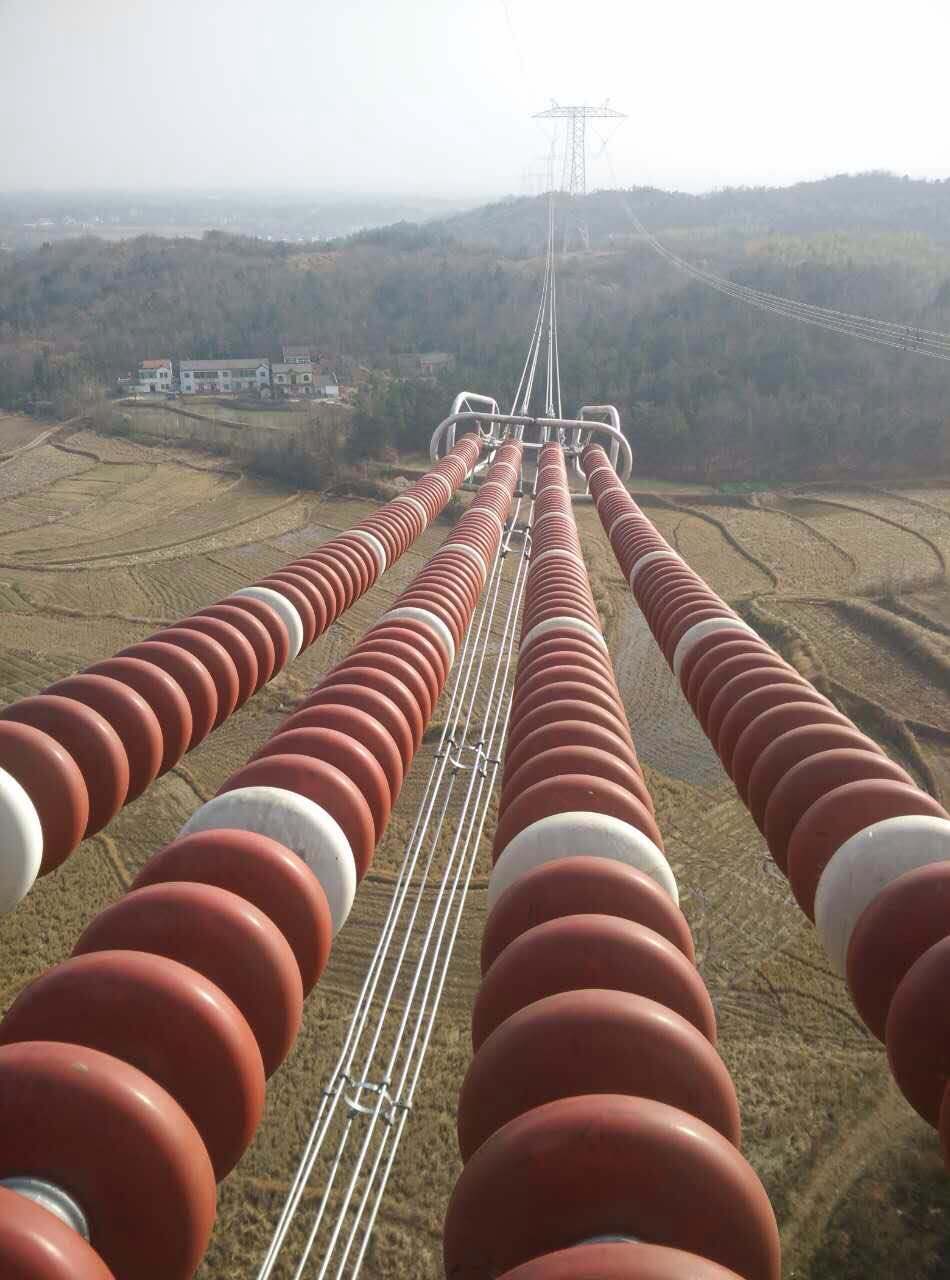
Modern industrial facilities rely heavily on robust electrical infrastructure to maintain continuous operations and ensure worker safety. Industrial high voltage systems have evolved significantly over the past decade, incorporating advanced safety protocols and cutting-edge technologies that exceed traditional regulatory standards. These sophisticated power distribution networks form the backbone of manufacturing plants, data centers, and utility installations worldwide. The implementation of comprehensive safety measures in industrial high voltage applications has become paramount as businesses face increasing pressure to minimize downtime while protecting personnel from electrical hazards.
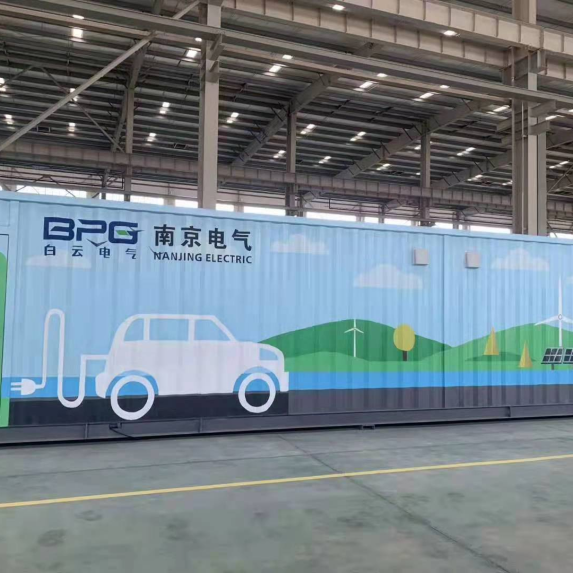
Advanced Protection Systems in Modern Power Distribution
Multi-Layer Arc Flash Protection
Contemporary industrial high voltage installations incorporate sophisticated arc flash protection systems that significantly reduce the risk of catastrophic electrical incidents. These systems utilize advanced sensors and rapid-response switching mechanisms to detect and isolate potential arc faults within milliseconds. The integration of digital relays with communication capabilities allows for real-time monitoring and predictive maintenance scheduling. Modern arc flash protection extends beyond traditional circuit breakers to include specialized containment systems and personal protective equipment specifically designed for high voltage environments.
The implementation of zone-selective interlocking ensures that only the affected circuit section experiences isolation during fault conditions, maintaining power continuity to critical operations. Industrial high voltage systems now feature enhanced coordination between protective devices, reducing nuisance tripping while maintaining comprehensive fault protection. These advanced protection schemes incorporate machine learning algorithms that adapt to changing load patterns and environmental conditions, optimizing system reliability over time.
Intelligent Monitoring and Diagnostics
Real-time monitoring capabilities have revolutionized how industrial high voltage systems maintain operational safety and efficiency. Smart sensors continuously track parameters such as insulation resistance, partial discharge activity, and thermal signatures across all critical components. This comprehensive data collection enables maintenance teams to identify potential issues before they escalate into dangerous situations or costly equipment failures. The integration of Internet of Things technology allows remote monitoring and control, reducing the need for personnel to work in proximity to energized equipment.
Predictive analytics platforms process vast amounts of operational data to forecast equipment degradation patterns and optimize maintenance schedules. Industrial high voltage monitoring systems now provide detailed insights into power quality metrics, helping facility managers identify harmonic distortion, voltage fluctuations, and other power-related issues that could compromise safety or equipment performance. These intelligent systems generate automated reports and alerts, ensuring that critical maintenance activities receive immediate attention from qualified technicians.
Regulatory Compliance and Safety Standards Evolution
International Safety Standard Implementation
The landscape of industrial high voltage safety regulations continues to evolve as international standards bodies update their requirements to address emerging technologies and identified risks. Organizations such as the International Electrotechnical Commission and National Fire Protection Association regularly revise their guidelines to incorporate lessons learned from incident investigations and technological advances. Modern installations must comply with increasingly stringent requirements for equipment spacing, ventilation, emergency shutdown procedures, and personnel training protocols.
Compliance verification processes now require comprehensive documentation of safety systems, regular testing protocols, and continuous monitoring capabilities. Industrial high voltage facilities must demonstrate adherence to updated arc flash analysis requirements, including detailed incident energy calculations and appropriate boundary determinations. The implementation of these enhanced standards has led to significant improvements in workplace safety statistics and reduced insurance liability for participating organizations.
Training and Certification Requirements
Personnel working with industrial high voltage systems must complete extensive training programs that address both theoretical knowledge and practical safety procedures. Modern certification requirements emphasize hands-on experience with actual equipment under controlled conditions, ensuring that technicians develop the skills necessary to work safely in high-risk environments. These comprehensive programs cover topics ranging from basic electrical theory to advanced troubleshooting techniques specific to high voltage applications.
Ongoing education requirements ensure that industrial high voltage personnel stay current with evolving safety practices and technological developments. Simulation-based training systems allow workers to practice emergency response procedures without exposure to actual electrical hazards. Regular competency assessments verify that personnel maintain the knowledge and skills necessary to perform their duties safely and effectively in complex electrical environments.
Innovative Safety Technologies and Equipment Design
Advanced Switchgear and Control Systems
Modern switchgear designs incorporate numerous safety enhancements that significantly reduce the risk of electrical accidents in industrial high voltage environments. Gas-insulated switchgear systems eliminate many traditional safety concerns associated with air-insulated equipment, providing superior protection against environmental factors and reducing maintenance requirements. These advanced systems feature integrated safety interlocks that prevent unsafe operating sequences and ensure proper equipment isolation during maintenance activities.
Digital control systems provide enhanced visibility into system status and enable remote operation capabilities that minimize personnel exposure to electrical hazards. Modern switchgear incorporates advanced materials and design features that improve arc fault containment and reduce the potential for equipment damage during fault conditions. The integration of communication protocols allows seamless coordination between multiple protection devices, enhancing overall system reliability and safety performance.
Personal Protective Equipment Innovations
The development of specialized personal protective equipment for industrial high voltage applications has advanced significantly in recent years. Modern arc-rated clothing systems provide enhanced protection while maintaining worker comfort and mobility during routine operations. These innovative materials dissipate incident energy more effectively while reducing the weight and bulk associated with traditional protective gear. Integrated cooling systems and moisture-wicking fabrics improve worker comfort during extended work periods in challenging environments.
Advanced face shields and eye protection systems incorporate anti-fog technology and enhanced visibility features that improve safety without compromising operational effectiveness. Industrial high voltage work environments benefit from improved lighting systems and enhanced tool designs that reduce the likelihood of accidental contact with energized components. These equipment innovations reflect ongoing collaboration between safety equipment manufacturers and end-users to identify and address real-world challenges in high voltage work environments.
Risk Assessment and Hazard Mitigation Strategies
Comprehensive Safety Analysis Methodologies
Modern approaches to industrial high voltage safety rely on sophisticated risk assessment methodologies that consider multiple factors simultaneously. These comprehensive analyses evaluate potential hazards from electrical, mechanical, thermal, and environmental perspectives to develop holistic safety strategies. Advanced modeling software enables safety engineers to simulate various failure scenarios and evaluate the effectiveness of proposed mitigation measures before implementation. This systematic approach ensures that safety investments provide maximum protection while optimizing resource allocation across multiple facilities.
Quantitative risk assessment techniques incorporate statistical analysis of historical incident data to identify patterns and trends that inform future safety initiatives. Industrial high voltage installations benefit from regular safety audits conducted by independent experts who bring fresh perspectives to existing safety programs. These assessments often reveal opportunities for improvement that may not be apparent to personnel who work with the systems daily, leading to enhanced safety performance across the organization.
Emergency Response Planning and Implementation
Effective emergency response procedures form a critical component of comprehensive industrial high voltage safety programs. These detailed plans address various emergency scenarios, from individual equipment failures to facility-wide power system disruptions. Regular drills and training exercises ensure that personnel can respond quickly and effectively when actual emergencies occur. Modern emergency response plans incorporate coordination with local emergency services and utility companies to ensure comprehensive incident management capabilities.
Communication systems designed specifically for emergency situations provide reliable connectivity even when normal communication networks experience disruption. Industrial high voltage facilities maintain specialized emergency equipment and supplies strategically positioned throughout the facility to support rapid response efforts. These comprehensive preparations significantly reduce the potential for injury and property damage when electrical emergencies occur, demonstrating the value of proactive safety planning in high-risk environments.
Future Trends in High Voltage Safety Technology
Digital Twin Technology Applications
The integration of digital twin technology represents a significant advancement in industrial high voltage system safety and optimization. These sophisticated virtual models continuously mirror the real-time status of physical equipment, enabling advanced predictive analysis and scenario modeling. Digital twins allow safety engineers to test various operating conditions and emergency procedures without risking personnel safety or equipment damage. This technology enables more accurate prediction of equipment behavior under stress conditions and helps optimize maintenance schedules to prevent failures.
Machine learning algorithms integrated with digital twin platforms continuously improve their accuracy and predictive capabilities based on operational data and outcomes. Industrial high voltage systems benefit from enhanced visualization capabilities that help operators better understand complex system interactions and potential safety implications. These advanced tools support improved decision-making processes and enable more effective allocation of safety resources across large industrial facilities.
Artificial Intelligence Integration
Artificial intelligence applications in industrial high voltage safety continue to expand as processing capabilities improve and algorithms become more sophisticated. AI-powered systems can analyze vast amounts of operational data to identify subtle patterns that might indicate developing safety concerns. These systems provide early warning capabilities that enable proactive interventions before potentially dangerous conditions develop. The integration of AI with existing safety systems enhances overall system intelligence while maintaining compatibility with established operational procedures.
Natural language processing capabilities enable AI systems to analyze maintenance reports, incident documentation, and safety observations to identify trends and recommend improvements. Industrial high voltage installations benefit from AI-powered optimization algorithms that continuously adjust system parameters to maintain optimal safety margins while maximizing operational efficiency. These technological advances represent the future of industrial electrical safety management, providing unprecedented capabilities for hazard identification and risk mitigation.
FAQ
What are the primary safety challenges in industrial high voltage systems
Industrial high voltage systems face several critical safety challenges including arc flash incidents, electrical shock hazards, equipment failures, and environmental factors. Arc flash events pose the greatest risk, as they can generate extremely high temperatures and pressure waves that cause severe injuries or fatalities. Proper system design, regular maintenance, and comprehensive safety training help mitigate these risks through advanced protection systems and strict operational procedures.
How often should industrial high voltage equipment undergo safety inspections
Safety inspection frequencies for industrial high voltage equipment depend on several factors including equipment age, operating environment, and manufacturer recommendations. Generally, comprehensive inspections should occur annually, with more frequent monitoring of critical components. Thermographic surveys, insulation testing, and protective device verification typically occur on quarterly or semi-annual schedules. Continuous monitoring systems provide real-time assessment capabilities that supplement scheduled inspection activities.
What qualifications are required for personnel working with industrial high voltage systems
Personnel working with industrial high voltage systems must possess specific certifications and training credentials that demonstrate competency in electrical safety practices. These typically include completion of OSHA electrical safety training, arc flash awareness certification, and equipment-specific training programs. Many organizations require additional certifications in areas such as confined space entry, first aid, and emergency response procedures. Ongoing education requirements ensure that personnel maintain current knowledge of evolving safety standards and best practices.
How do modern industrial high voltage systems integrate with facility automation systems
Modern industrial high voltage systems integrate seamlessly with facility automation platforms through standardized communication protocols and digital interfaces. These integrated systems provide centralized monitoring and control capabilities while maintaining appropriate safety interlocks and isolation procedures. Advanced integration enables coordinated response to system anomalies and optimized energy management strategies. Safety systems maintain independent operation capabilities to ensure protection even during automation system failures or communication disruptions.
Table of Contents
- Advanced Protection Systems in Modern Power Distribution
- Regulatory Compliance and Safety Standards Evolution
- Innovative Safety Technologies and Equipment Design
- Risk Assessment and Hazard Mitigation Strategies
- Future Trends in High Voltage Safety Technology
-
FAQ
- What are the primary safety challenges in industrial high voltage systems
- How often should industrial high voltage equipment undergo safety inspections
- What qualifications are required for personnel working with industrial high voltage systems
- How do modern industrial high voltage systems integrate with facility automation systems