
 EN
EN



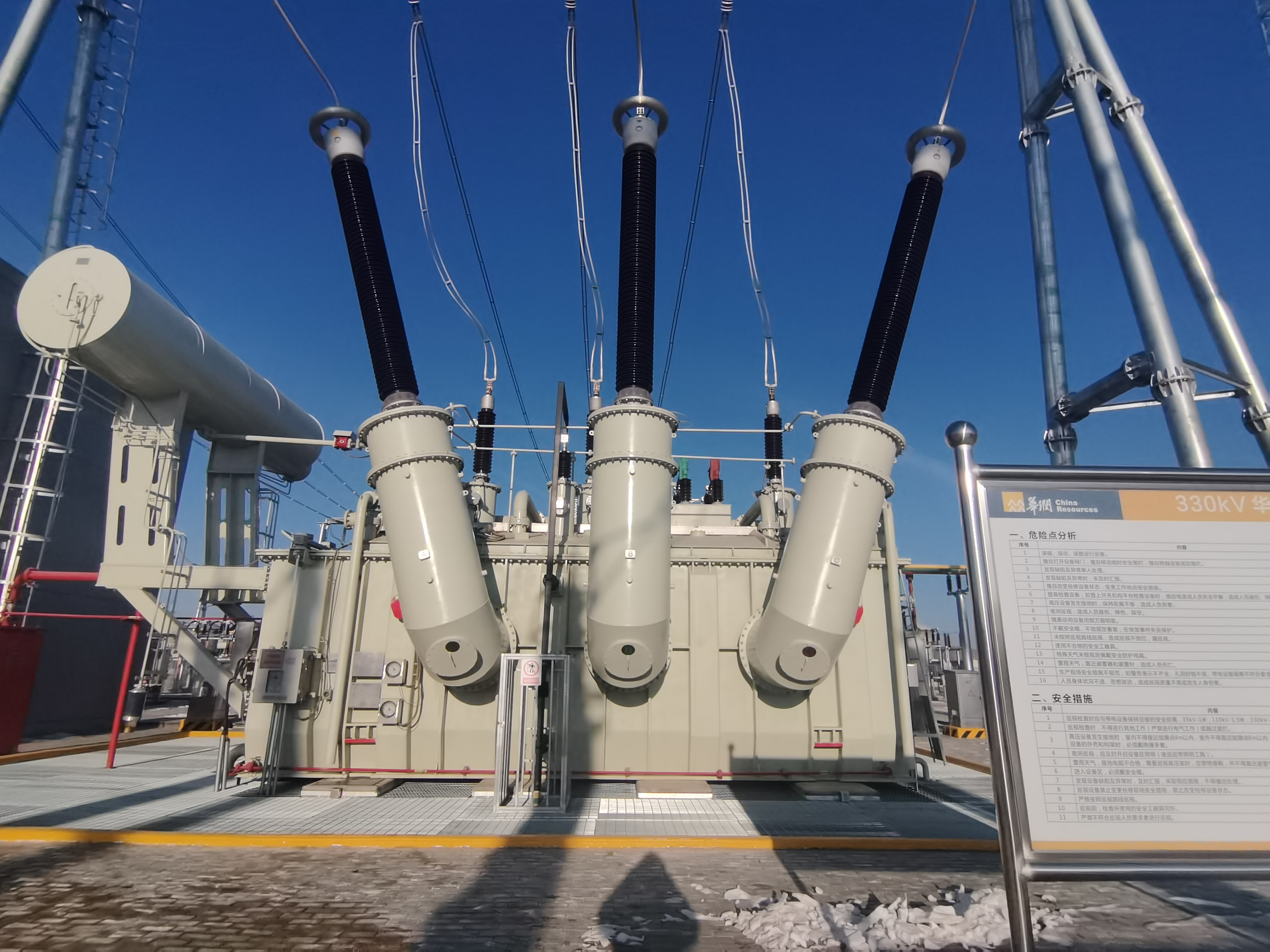
The integrity of electrical equipment depends fundamentally on how well its components protect against electrical faults and environmental stress. A bushing serves as a critical interface between high-voltage conductors and grounded equipment frames, managing the complex challenge of insulating conductors while allowing them to pass through metal barriers. The design of this component directly influences whether equipment maintains safe insulation levels under normal operation, fault conditions, and long-term environmental exposure. Understanding how bushing design affects equipment insulation safety is essential for engineers, maintenance professionals, and facility managers who must ensure reliable and safe power distribution systems.
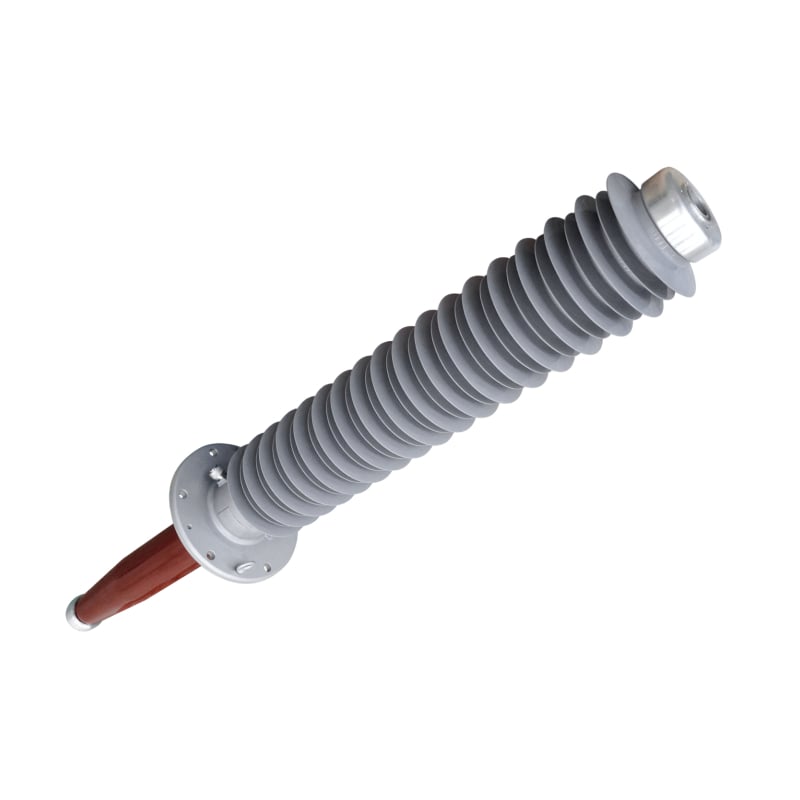
Electrical failures in industrial equipment often trace back to inadequate insulation at conductor penetration points. A poorly designed bushing can create multiple failure pathways: electric field concentration, moisture ingress, thermal stress accumulation, and partial discharge initiation. Conversely, a well-engineered bushing distributes electrical stress uniformly, resists environmental contamination, and maintains consistent insulation resistance over decades of service. This article examines the relationship between bushing design characteristics and insulation safety, providing practical insight into how material selection, geometry, and construction method determine whether equipment operates safely or faces catastrophic failure risk.
Insulation Material Selection and Stress Distribution
Dielectric Material Properties in Bushing Design
The choice of insulation material within a bushing directly determines its ability to withstand electrical stress without breakdown. Traditional porcelain bushings use ceramic materials with high dielectric strength but brittle mechanical properties, while composite bushings employ epoxy or silicone resins that offer superior mechanical flexibility and environmental resistance. Each material category has distinct advantages: porcelain provides proven long-term stability and excellent outdoor performance, whereas modern composite bushing designs deliver superior mechanical toughness and reduced weight. The insulation material must sustain the operating voltage while accommodating thermal cycling, moisture exposure, and mechanical vibration that industrial equipment routinely experiences.
Electric field stress concentration represents the primary failure mechanism in inadequately designed bushings. When a bushing lacks proper internal stress grading or uses uniform insulation thickness, the electric field becomes nonuniform, creating localized regions of extreme stress concentration. A well-designed bushing incorporates graduated insulation layers or stress-grading systems that intentionally weaken the field near high-voltage terminals and strengthen it near ground reference planes. This graduated approach means that the effective bushing design prevents catastrophic field peaks that would otherwise cause immediate insulation breakdown or accelerate partial discharge inception voltage degradation.
Moisture Resistance and Long-Term Insulation Durability
Environmental contamination represents a persistent threat to bushing insulation safety, particularly in humid, coastal, or polluted industrial environments. Moisture penetration into bushing material creates conductive pathways that reduce surface insulation resistance and promote leakage current flow. A superior bushing design incorporates hydrophobic coatings, sealed construction, and material specifications that resist moisture absorption. Modern bushing designs often employ silicon-based composite materials that naturally repel moisture and resist contamination better than traditional porcelain. The effectiveness of bushing design in resisting moisture directly correlates with insulation safety during extended exposure to high humidity, rain, or industrial fallout.
Geometric Configuration and Field Management
Terminal Design and Stress Relief Geometry
The terminal geometry at the high-voltage end of a bushing critically influences whether electrical stress remains acceptable or becomes dangerous. Sharp edges or abrupt dimensional transitions in bushing design create electric field singularities where stress concentrates to many times the average field level. Modern bushing design philosophy emphasizes smooth radii, gradual tapers, and contoured electrode shapes that distribute stress evenly across available insulation cross-sections. The specific bushing design geometry determines whether the critical field stress remains below the partial discharge inception voltage of the insulation material. Poor bushing design geometry can reduce the safe voltage withstand capability by 20 to 40 percent compared to optimized bushing designs with identical materials.
Creepage distance and air gaps within the bushing design also govern insulation safety by controlling where electrical discharge can occur. A properly designed bushing maintains sufficient air gaps in non-critical regions while concentrating insulation material where stress is highest. The creepage path length in bushing design must exceed prescribed minimum values to ensure that surface tracking cannot reach critical areas. International standards specify minimum creepage-to-thickness ratios that effective bushing design must satisfy. Inadequate creepage distance in poorly conceived bushing designs permits surface discharge to propagate toward the conductor terminal, eventually compromising insulation integrity.
Thermal Management Through Bushing Design Integration
Temperature directly affects insulation material properties, making thermal management an integral part of bushing design effectiveness. Elevated temperatures accelerate aging of organic insulation components and increase conductivity of inorganic materials, both degrading insulation safety margins. An effective bushing design includes features that promote heat dissipation from the conductor to the equipment frame or cooling medium. Some bushing designs incorporate expanded aluminum or copper fins that increase surface area and convection cooling. Other bushing design approaches use thermally conductive but electrically insulating materials that transport heat away from critical insulation regions. A bushing design that neglects thermal management allows hot spot formation, accelerating insulation degradation and reducing expected equipment service life.
Performance Testing and Design Validation
Dielectric Withstand Testing and Bushing Design Verification
Manufacturers validate bushing design safety through rigorous testing protocols that simulate the electrical, thermal, and environmental stresses equipment experiences in service. High-voltage withstand testing exposes a bushing to voltages well above normal operating levels to confirm that insulation design margins remain adequate. Power-frequency withstand tests typically apply 1.5 to 2 times the rated voltage for specified durations, confirming that the bushing design can tolerate temporary overvoltage events without breakdown. Impulse voltage testing subjects the bushing design to fast transient overvoltages resembling lightning or switching transients that natural electrical systems generate. A bushing design that passes these comprehensive tests demonstrates that insulation material selection, geometric configuration, and stress grading achieve acceptable safety.
Partial discharge testing represents one of the most revealing assessments of bushing design quality and insulation integrity. Even before catastrophic breakdown occurs, microscopic electrical discharges develop within insulation voids, gradually eroding material and creating degradation pathways. Modern testing protocols measure partial discharge activity at voltages near or below expected operating conditions, confirming that bushing design maintains safe discharge levels throughout life. A high-quality bushing design limits partial discharge to negligible levels even at elevated voltages, whereas poor bushing design may show significant discharge activity at surprisingly low stress levels. The absence of partial discharge activity in testing directly correlates with how well the bushing design will age and maintain insulation safety over 30 to 50 years of equipment operation.
Environmental Stress Simulation and Bushing Design Robustness
Real-world bushing performance depends not only on electrical properties but also on resistance to environmental degradation that long service in industrial settings creates. Accelerated aging tests expose bushing designs to combinations of thermal stress, moisture exposure, and sometimes UV radiation or pollutant gases to predict long-term behavior. A robust bushing design maintains insulation resistance and dielectric strength even after prolonged exposure to these combined stresses. Some bushing designs incorporate additives or coatings that provide UV resistance, while others use materials naturally resistant to ozone, salt spray, or industrial contaminants. Testing that validates bushing design robustness against realistic environmental challenges provides confidence that equipment will maintain insulation safety throughout its intended lifetime, even in harsh operating locations.
FAQ
How does bushing design prevent partial discharge in electrical equipment?
An effective bushing design prevents partial discharge by incorporating proper stress grading, smooth electrode geometries, and adequate insulation thickness in regions where electric field stress concentrates. The bushing design creates a uniform electric field distribution that keeps stress levels below the partial discharge inception voltage of the insulation material. Additionally, a well-executed bushing design minimizes voids and air gaps where discharges might initiate, using solid or impregnated insulation that eliminates discharge paths. Regular monitoring through diagnostic tests confirms that an aging bushing design maintains discharge levels within acceptable limits.
What role does bushing design play in moisture resistance and long-term safety?
Bushing design protects against moisture through multiple mechanisms: material selection emphasizing hydrophobic properties, sealed end fittings that prevent water entry, and geometric features that shed water away from critical insulation surfaces. Modern bushing design often incorporates composite materials with natural water-repellent characteristics superior to traditional porcelain. The effectiveness of bushing design in moisture management directly determines whether equipment maintains insulation resistance over years of exposure to humid or wet conditions. Inadequate bushing design that permits moisture penetration causes conductivity to increase and insulation resistance to decline, eventually leading to leakage currents and safety failures.
How can equipment operators assess whether their bushing design meets current safety standards?
Equipment operators should verify that their bushing design conforms to applicable international standards such as IEC 60137 for power transformers, which specify minimum insulation levels, partial discharge limits, and withstand voltage requirements. Documentation from the equipment manufacturer should confirm that the bushing design undergoes testing verifying high-voltage withstand performance, partial discharge characteristics, and environmental durability. Periodic diagnostic testing including power factor measurement and partial discharge detection reveals whether an aging bushing design continues to meet safety requirements. If testing shows that a bushing design no longer maintains adequate insulation margins, equipment should be serviced or the bushing replaced before insulation safety becomes compromised.