
 EN
EN



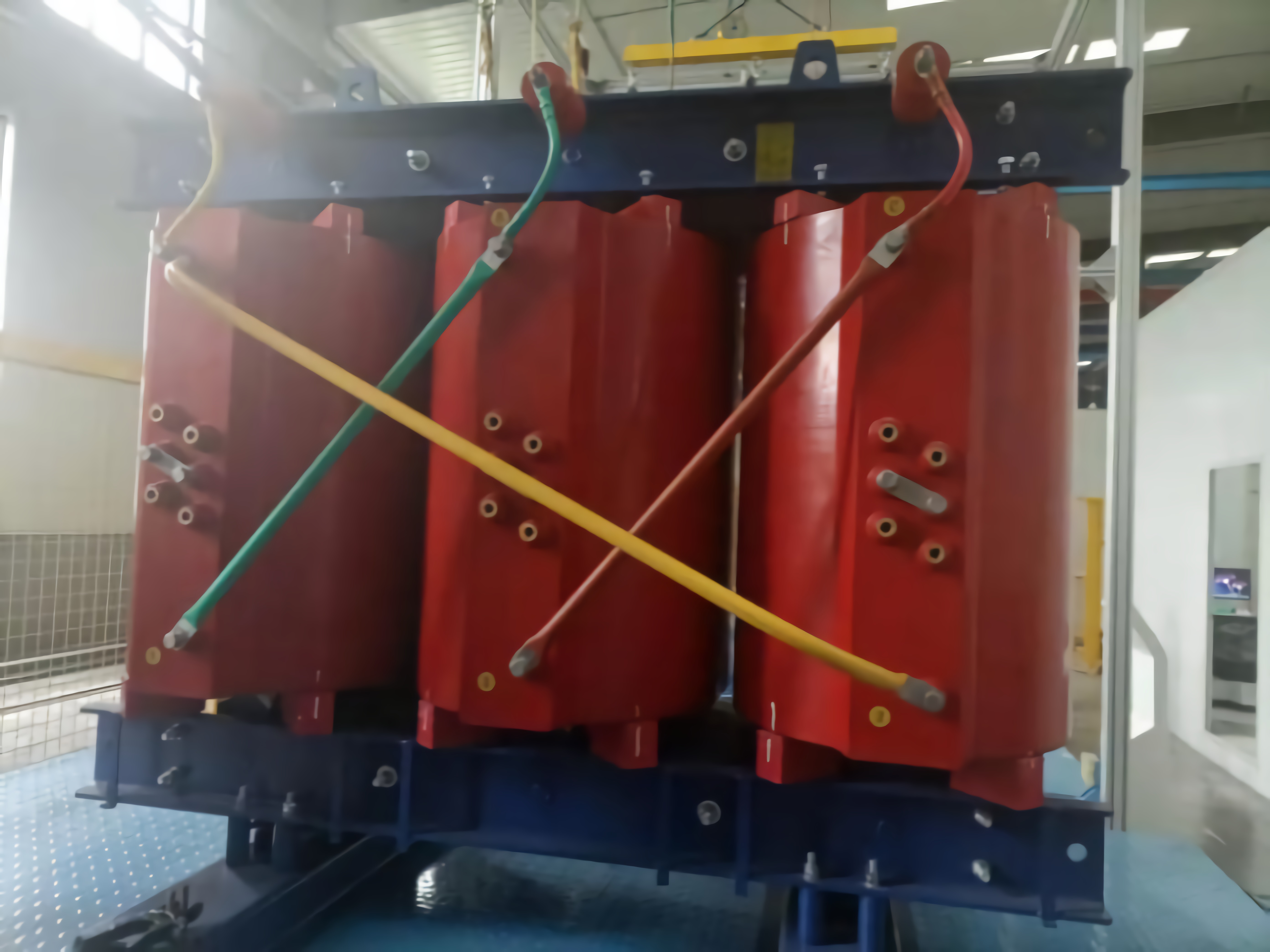
Accuracy classes define the performance precision of a voltage transformer, determining how faithfully it reproduces the primary voltage on the secondary side. When selecting a voltage transformer, understanding accuracy classes is essential because they directly affect measurement reliability, protection system performance, and regulatory compliance across electrical networks and industrial installations.
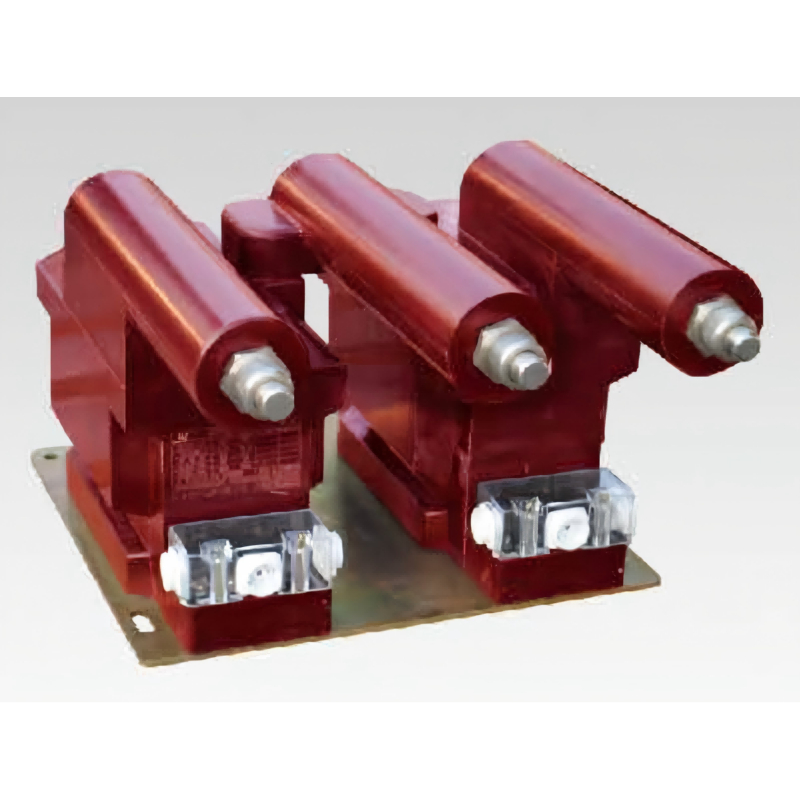
The voltage transformer accuracy class system provides manufacturers, engineers, and utilities with a standardized framework for specifying transformer performance characteristics. Each voltage transformer accuracy class represents maximum allowable errors under defined operating conditions, ensuring that electrical measurements and protection functions remain within acceptable tolerances for safe and efficient grid operation.
Understanding Voltage Transformer Accuracy Class Standards
What Defines a Voltage Transformer Accuracy Class
A voltage transformer accuracy class establishes the maximum permissible error—both ratio error and phase angle error—that the voltage transformer can introduce during normal operation. International standards such as IEC 61869-3 specify these accuracy class designations, which are expressed as numerical values representing the maximum percentage error allowed under rated load conditions.
Common voltage transformer accuracy classes include 0.1, 0.2, 0.5, 1.0, and 3.0, with lower numbers indicating higher precision. The voltage transformer accuracy class you select depends on your application's sensitivity to measurement errors and the criticality of the data being collected. Metering applications requiring high precision typically demand lower voltage transformer accuracy classes, while protection applications may tolerate slightly higher error margins.
How Accuracy Classes Impact Voltage Transformer Performance
The voltage transformer accuracy class directly influences both ratio error and phase displacement. Ratio error measures how closely the secondary voltage output matches the expected multiplication factor of the primary voltage, while phase angle error reflects the angular difference between primary and secondary voltage vectors.
When a voltage transformer operates within its specified accuracy class, it ensures that energy billing systems, protective relays, and monitoring equipment receive accurate voltage representations. An improperly specified voltage transformer accuracy class can lead to measurement errors that compound over time, causing revenue loss in metering applications or delayed fault detection in protection circuits, particularly in critical infrastructure like substations and industrial power systems.
Selecting the Right Voltage Transformer Accuracy Class for Your Application
Metering Applications and Voltage Transformer Accuracy Class Requirements
Metering applications demand strict voltage transformer accuracy classes because measurement errors directly translate to billing inaccuracies and revenue loss. For energy accounting systems, utilities and industrial facilities typically specify voltage transformer accuracy classes of 0.1, 0.2, or 0.5, depending on the voltage level and the acceptable error tolerance.
A voltage transformer with accuracy class 0.2 introduces a maximum ratio error of 0.2 percent and a phase angle error of no more than 10 minutes of arc. For high-value energy transactions or when monitoring critical loads, specifying a lower voltage transformer accuracy class improves the reliability of billing data and reduces disputes over consumption records.
Protection and Control Applications Using Voltage Transformer Accuracy Classes
Protection and control circuits typically tolerate larger measurement errors than metering systems, allowing the use of voltage transformer accuracy classes of 1.0 or 3.0. The protective relays and automation systems powered by these voltage transformers require reasonable signal fidelity but prioritize fast response time over absolute precision.
When selecting a voltage transformer accuracy class for protective applications, engineers must ensure that the error margin does not prevent the relay from detecting actual faults or cause false trips under normal operating conditions. The voltage transformer accuracy class must support the coordination settings of the protective scheme while remaining cost-effective, since protection-class transformers are typically more economical than metering-grade voltage transformers.
Voltage Transformer Accuracy Class Specifications and Testing Standards
Performance Parameters Within Each Voltage Transformer Accuracy Class
Each voltage transformer accuracy class specifies performance limits under defined test conditions, typically at rated voltage and rated burden. The voltage transformer accuracy class designation communicates both ratio error and phase angle error limits, allowing engineers to predict transformer behavior across a range of operating loads and voltage conditions.
The voltage transformer accuracy class also defines secondary excitation requirements, core saturation characteristics, and temperature compensation factors. These parameters ensure that a voltage transformer remains within its stated accuracy class when the system frequency drifts slightly, ambient temperature changes, or the connected instrumentation burden varies within design limits.
Testing and Certification of Voltage Transformer Accuracy Classes
Manufacturers verify voltage transformer accuracy class performance through factory acceptance testing and field verification procedures. A voltage transformer must undergo ratio tests, burden tests, and saturation tests to confirm it meets its published accuracy class before being certified for service.
Third-party agencies perform periodic verification testing to ensure that the voltage transformer accuracy class remains valid throughout its operational life. These certification activities protect utilities and industrial operators by confirming that measurement data collected through the transformer remains reliable and that protection circuits respond accurately to electrical events.
FAQ
What is the difference between voltage transformer accuracy class 0.1 and 0.5?
Voltage transformer accuracy class 0.1 provides maximum ratio error of 0.1 percent and phase angle error of 5 minutes of arc, while accuracy class 0.5 allows up to 0.5 percent ratio error and 15 minutes of arc phase displacement. The voltage transformer accuracy class 0.1 is suitable for high-precision metering and revenue-critical applications, whereas accuracy class 0.5 serves general metering and many industrial measurement tasks at lower cost.
Can a voltage transformer with a lower accuracy class be used instead of a higher one?
Yes, a voltage transformer with a lower accuracy class (higher precision) can always substitute for one with a higher class, though it may be more expensive. If your original specification called for a voltage transformer accuracy class 1.0, installing accuracy class 0.5 will improve measurement accuracy and system reliability without causing compatibility issues or operational problems.
How does burden affect voltage transformer accuracy class performance?
Burden refers to the connected instrumentation load on the secondary winding. As secondary burden increases, the voltage transformer accuracy class performance degrades because higher current draws affect the magnetic circuit. Each voltage transformer accuracy class includes a rated burden specification; operating beyond this limit may cause the transformer to exceed its stated accuracy limits and require derating or upgrading to a higher-capacity unit.