
 EN
EN



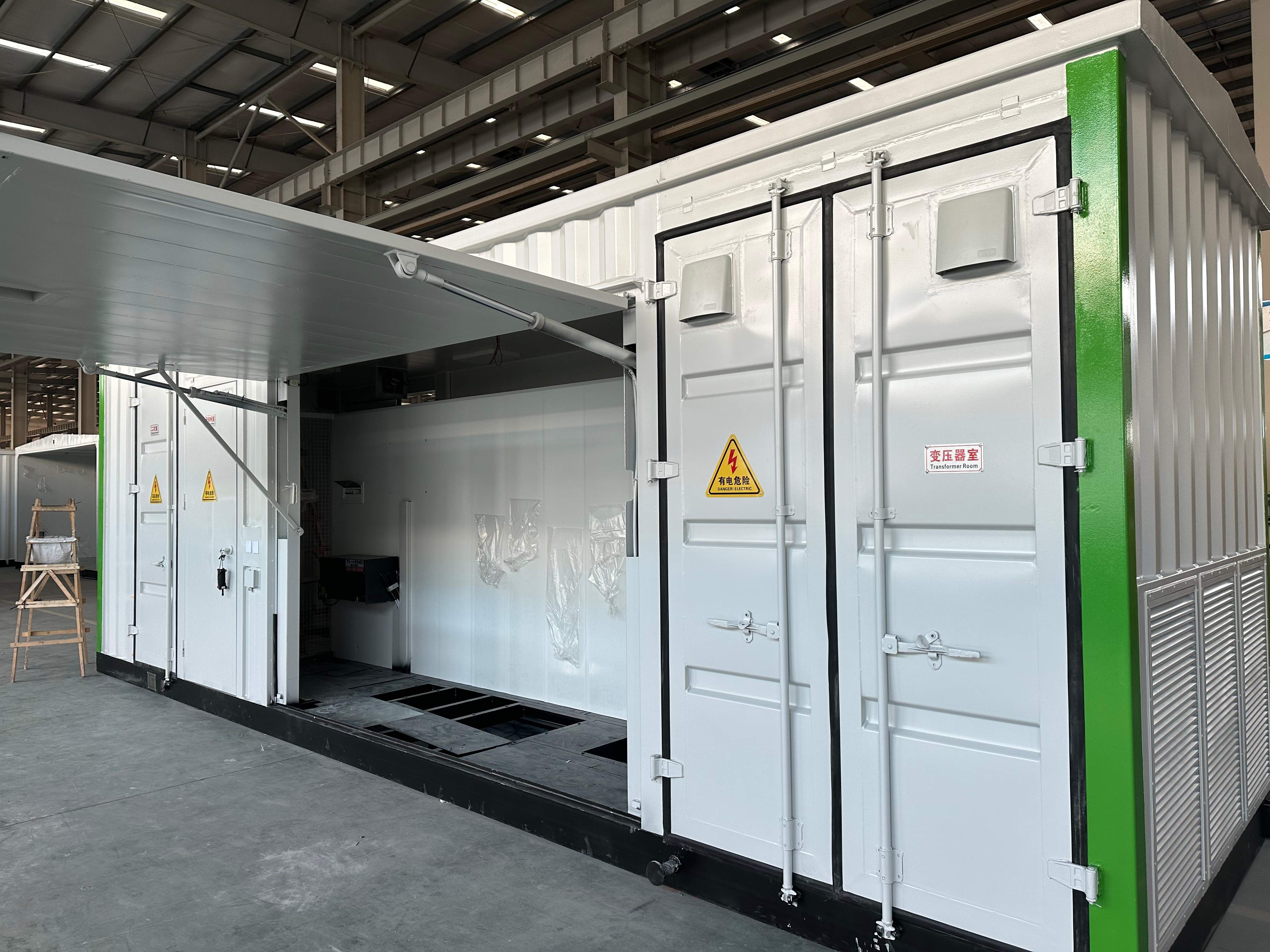
High voltage bushings are critical components in electrical power systems, serving as the interface between internal high-voltage conductors and external equipment housing. A bushing must simultaneously insulate, support mechanical load, and facilitate heat dissipation while maintaining electrical integrity under extreme conditions. Understanding the common failure modes of a bushing is essential for maintenance teams, asset managers, and electrical engineers who depend on reliable transformer and switchgear performance. When a bushing fails, the consequences extend beyond equipment damage to include catastrophic power outages, safety hazards, and substantial financial losses. This article examines the dominant failure modes affecting bushings in industrial and utility-scale power systems.
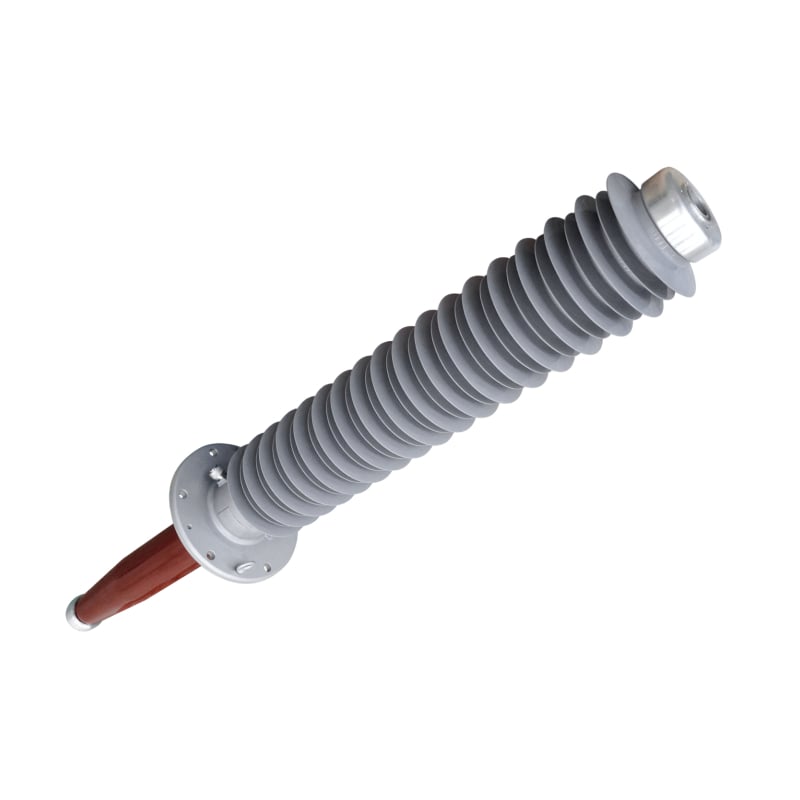
The structural and electrical design of a bushing determines its vulnerability to specific environmental and operational stresses. Different bushing types, including porcelain, composite, and resin-impregnated paper models, exhibit distinct failure pathways and degradation rates. Recognizing early warning signs of bushing deterioration enables predictive maintenance strategies that extend equipment life and prevent unplanned shutdowns. Industrial operators who proactively monitor bushing condition reduce lifecycle costs and maintain compliance with grid reliability standards.
Moisture Ingress and Insulation Degradation
Water Entry Pathways in Bushing Design
Moisture is the primary enemy of bushing integrity. Water penetrates a bushing through micro-cracks in the external porcelain or composite surface, capillary action along the porcelain-to-metal interface, and condensation within the bushing cavity. Once inside, moisture dissolves in the insulation material and creates conductive pathways that bypass the intended dielectric layer. The internal construction of a bushing, particularly the junction between the outdoor porcelain shed and indoor flange, represents the most vulnerable penetration point. Exposure to thermal cycling, vibration, and UV radiation accelerates micro-crack formation, allowing moisture to migrate into the bushing interior. Over months or years, accumulated water transforms the insulation resistance from millions of ohms into thousands, dramatically increasing leakage current. A bushing subjected to high moisture content will eventually fail through electrical breakdown or arcing.
Chemical Reaction Inside the Bushing Cavity
Once moisture enters the bushing interior, it reacts with the insulating oil or resin-impregnated paper to form acids and conductive byproducts. The presence of water lowers the dielectric strength of the oil and accelerates cellulose paper degradation in a bushing containing paper insulation. This chemical cascade produces free acids, esters, and decomposition products that further reduce electrical resistance. Regular oil analysis from a bushing drain valve reveals rising water content, acid number, and dissolved gas concentrations that signal imminent failure. Many industrial plants incorporate bushing oil sampling into their predictive maintenance protocol precisely because moisture-induced chemical degradation is both progressive and detectable before catastrophic breakdown occurs.
Thermal Stress and Mechanical Fatigue
Cyclic Temperature Variations
Thermal cycling causes differential expansion and contraction between the porcelain exterior, metal flange, and internal conductor of a bushing. Each component has a different coefficient of thermal expansion, creating internal stresses at material boundaries. A bushing experiences thermal cycling daily as load swings alter conductor current, and seasonally as ambient temperature fluctuates. The repeated expansion-contraction cycle induces fatigue cracks in the porcelain body and delamination at the interface between the porcelain and metal hardware. Outdoor bushings face especially severe thermal stress during rapid weather changes, with surface temperature differences exceeding 50 degrees Celsius between day and night. Once micro-cracks initiate in porcelain, moisture ingress accelerates, and a bushing failure becomes inevitable without intervention.
Mechanical Load and Vibration Effects
High-voltage bushings support not only their own weight but also the mass of the conductor and any attached hardware. Wind loading on outdoor equipment, vibration from adjacent transformer cooling fans, and mechanical impact during installation all impose stress on a bushing structure. Repeated vibration at resonant frequencies can loosen mechanical fasteners connecting the bushing flange to the transformer tank wall, degrading the seal integrity of a bushing. Loose mounting hardware allows a bushing to flex, further cracking the porcelain and opening pathways for moisture entry. Industrial transformers operating continuously for decades accumulate cumulative mechanical fatigue in the bushing mounting structure, requiring periodic re-torquing and visual inspection to detect incipient failure.
External Contamination and Environmental Degradation
Surface Flashover and Dry-Band Formation
Contaminated surfaces on outdoor bushings collect airborne dust, salt spray in coastal installations, and industrial pollutants that create conductive films. When moisture condenses on this contaminated surface, a conductive path forms across the porcelain shed of a bushing, allowing leakage current to flow. This leakage current generates localized heating, evaporating moisture and creating a dry band. The dry band acts as a barrier, causing voltage to concentrate across a narrow region of the bushing surface. This concentration triggers high-field ionization and surface discharge, eventually leading to flashover that arcs from the bushing top to ground. Surface flashover is particularly common on bushings in polluted industrial areas, marine environments, and high-altitude installations where atmospheric moisture and contamination interact.
Tracking and Erosion of Porcelain Surfaces
Repeated surface discharge and arcing gradually erode and carbonize the porcelain material of a bushing, creating conductive carbonized tracks. These tracks provide permanent conductive pathways that lower the flashover voltage of a bushing and increase leakage current. Once tracking initiates on a bushing, the degradation accelerates because the carbonized path preferentially conducts current. Heavy pollution combined with inadequate maintenance of a bushing surface will inevitably progress from minor tracking to catastrophic failure. Industrial applications in coastal zones, cement plants, and coal-fired power stations require more frequent washing and surface treatment of bushings to prevent carbonization and tracking progression.
Manufacturing Defects and Design Vulnerabilities
Internal Void Formation and Partial Discharge
Manufacturing defects in a bushing, including voids in the cast resin or impregnation, create localized weak points where electrical stress concentrates. Partial discharge begins in these voids at voltages below the main breakdown threshold, gradually degrading the surrounding insulation material. Detection of partial discharge using acoustic or electrical monitoring reveals the presence of voids in a bushing before full failure occurs. A bushing with internal voids will exhibit rapidly rising partial discharge magnitude over months, providing a clear warning signal. Utility companies operating high-value transformers employ portable partial discharge instruments to screen bushings for manufacturing quality and internal defects during routine inspections.
Improper Installation and Connection Issues
Misalignment or incorrect installation of a bushing creates internal mechanical stress and gaps at the flange interface that compromise sealing. Over-tightening the bushing mounting bolts during installation can crack the porcelain or warp the metal flange, initiating early failure. Under-tightening allows moisture and contaminants to enter the bushing cavity through gaps in the seal. Loose electrical connections inside the transformer tank prevent proper current transfer, causing localized heating that degrades the bushing insulation. Installation defects in a bushing often remain hidden until preventive diagnostics or failure investigation reveal the root cause. Many industrial maintenance protocols now include photographic documentation of bushing installation and torque verification records to establish a baseline for future comparison.
FAQ
What are the earliest warning signs that a bushing is beginning to fail?
Early indicators of bushing failure include elevated bushing oil moisture content above 1000 ppm, rising acid number above 0.05 mg KOH/g, and an increase in leakage current or power factor. Visible surface cracks, discoloration, or oily staining on the external porcelain of a bushing warrant immediate investigation. Partial discharge detected during testing suggests internal voids or moisture degradation is progressing. Temperature monitoring showing higher-than-normal bushing operating temperature can indicate increased resistive losses from moisture ingress. Regular oil sampling from a bushing drain valve combined with insulation resistance testing provides definitive early warning before catastrophic failure occurs.
How frequently should a bushing be inspected for potential failures?
Industry standards recommend visual inspection of outdoor bushings at least quarterly, with oil sampling and electrical testing performed annually for critical power equipment. Bushings in high-pollution or coastal environments require more frequent inspection and cleaning, potentially monthly or quarterly external examination. After adverse weather events, hurricanes, or operational anomalies, the bushing should be inspected for physical damage or moisture ingress. New bushings should be tested within the first operational year to establish a baseline for the bushing insulation resistance and partial discharge levels. Aging bushings beyond 25 years warrant enhanced monitoring programs because insulation material degradation in a bushing accelerates nonlinearly with time.
Can a bushing be repaired, or must it be replaced after failure?
In most cases, a failed bushing cannot be economically repaired and must be replaced with a new unit to restore full operational safety and performance. However, early-stage moisture contamination in a bushing can be managed through oil drying procedures using vacuum treatment or thermal conditioning to extend the remaining useful life. Moisture removal from a bushing requires specialized equipment and should only be performed by qualified technicians under controlled conditions. Once a bushing has experienced internal arcing, partial discharge damage, or porcelain fracture, replacement is the only option because the structural and electrical integrity cannot be reliably restored. The cost of a replacement bushing is typically less than 5 percent of the associated transformer replacement cost, making preventive replacement of aging bushings a sound economic decision for utilities and industrial operators.