
 EN
EN



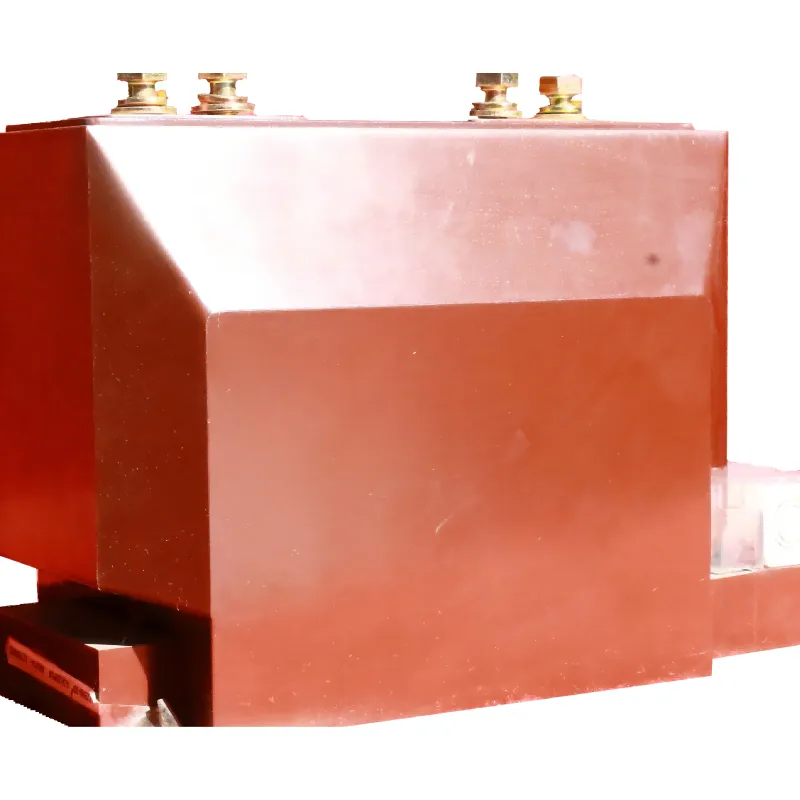
Large power transformers represent one of the most critical components in electrical power systems, serving as the backbone for efficient energy transmission and distribution across vast networks. These massive electrical devices face numerous design challenges that engineers must carefully address to ensure reliable operation, safety, and longevity. The complexity of modern transformer design has evolved significantly as power demands increase and grid requirements become more stringent, making it essential to understand the intricate engineering considerations that shape these vital pieces of equipment.
Thermal Management and Heat Dissipation
Core Loss Management
The primary thermal challenge in large transformer design involves managing core losses that generate substantial heat during operation. Core losses occur due to hysteresis and eddy currents within the magnetic core material, and these losses increase proportionally with the transformer size and operating frequency. Engineers must carefully select core materials with low loss characteristics while ensuring adequate magnetic flux density for efficient operation.
Silicon steel grades with grain-oriented properties have become the standard choice for large transformer cores, offering reduced core losses compared to conventional materials. The design process requires precise calculations to optimize the core cross-sectional area and minimize flux density while maintaining the required voltage transformation ratio. Advanced modeling techniques help predict thermal hotspots and ensure uniform heat distribution throughout the core structure.
Cooling System Integration
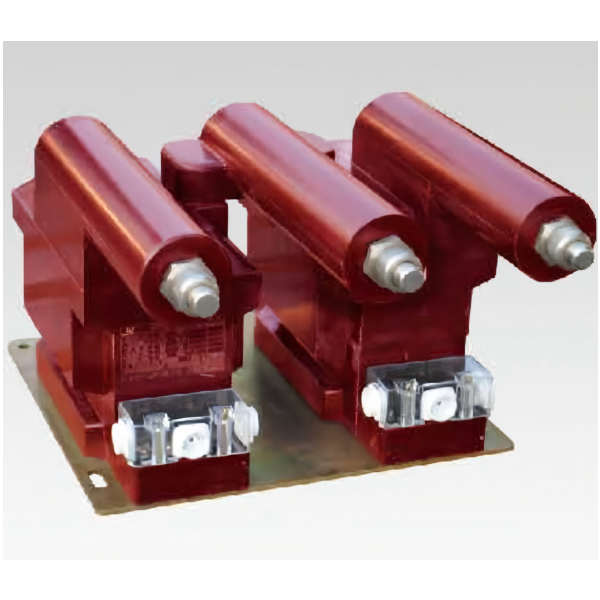
Effective cooling systems are crucial for maintaining optimal transformer operating temperatures and preventing thermal degradation of insulating materials. Large transformers typically employ oil-filled designs with sophisticated cooling circuits that circulate insulating oil through radiators or forced-air cooling systems. The challenge lies in designing cooling paths that provide adequate heat removal while maintaining proper insulation integrity.
Modern transformer cooling designs often incorporate multiple cooling stages, including natural convection, forced air circulation, and directed oil flow systems. Engineers must balance cooling effectiveness with system complexity, considering factors such as oil flow rates, temperature gradients, and thermal cycling effects on mechanical components. The integration of temperature monitoring systems enables real-time thermal management and prevents overheating conditions.
Insulation System Design and Dielectric Strength
Electrical Stress Distribution
Managing electrical stress distribution throughout the transformer represents one of the most challenging aspects of large transformer design. High voltage applications create intense electric fields that must be carefully controlled to prevent insulation breakdown and ensure long-term reliability. The insulation system must withstand not only normal operating voltages but also transient overvoltages and lightning impulses.
Designers employ sophisticated field modeling software to analyze electric field patterns and identify potential stress concentration points within the transformer structure. Critical areas such as winding ends, tap changer connections, and bushing interfaces require special attention to ensure adequate insulation clearances and proper stress grading. The use of field-grading materials and geometric optimization helps achieve uniform electric field distribution.
Insulating Material Selection
The selection of appropriate insulating materials for large transformers involves balancing dielectric strength, thermal stability, and mechanical properties. Traditional cellulose-based insulation systems continue to dominate the industry, but advanced synthetic materials offer improved performance characteristics for specific applications. The challenge lies in optimizing the insulation system for the expected service life while maintaining cost-effectiveness.
Oil-paper insulation systems require careful moisture control and aging management to maintain their dielectric properties over decades of service. Engineers must consider the interaction between different insulating materials and their long-term compatibility under thermal and electrical stress. Advanced diagnostic techniques enable monitoring of insulation condition and predictive maintenance strategies.
Mechanical Structure and Seismic Resilience
Winding Support Systems
Large transformer windings experience significant mechanical forces during operation, particularly under fault conditions when short-circuit currents can reach extremely high levels. The mechanical design must provide adequate support for these heavy copper or aluminum conductors while allowing for thermal expansion and contraction. Proper winding clamping and support structures are essential to prevent mechanical damage and maintain electrical clearances.
The challenge intensifies with increasing transformer ratings, as larger windings generate proportionally higher mechanical stresses. Engineers employ finite element analysis to optimize support structures and predict mechanical behavior under various loading conditions. Advanced materials such as composite supports offer improved strength-to-weight ratios while maintaining excellent insulation properties.
Seismic and Environmental Resistance
Modern transformer designs must accommodate seismic requirements and environmental conditions that vary significantly across different geographical regions. Seismic design standards require transformers to withstand specified ground acceleration levels without compromising structural integrity or electrical performance. This challenge becomes more complex for large transformers due to their substantial mass and height.
Base isolation systems and flexible mounting arrangements help reduce seismic loads transmitted to the transformer structure. Environmental considerations include wind loading, temperature cycling, and corrosion resistance for outdoor installations. The mechanical design must also accommodate transportation constraints, as large transformers often require special shipping arrangements and assembly procedures at the installation site.
Electromagnetic Compatibility and Noise Control
Magnetic Field Management
Large transformers generate significant magnetic fields that can interfere with nearby equipment and raise environmental concerns. The challenge involves containing these magnetic fields within acceptable levels while maintaining efficient transformer operation. Magnetic shielding techniques and optimized core designs help reduce stray magnetic fields and improve electromagnetic compatibility.
The transformer core configuration plays a crucial role in magnetic field distribution, with three-phase designs offering inherent advantages over single-phase units. Engineers must consider the effects of magnetic fields on adjacent transformers, control equipment, and communication systems. Advanced modeling techniques enable prediction of magnetic field patterns and optimization of transformer placement within substations.
Acoustic Noise Reduction
Transformer noise generation stems primarily from magnetostriction effects in the core material and vibrations transmitted through the mechanical structure. Large transformers can produce significant acoustic emissions that must comply with environmental noise regulations, particularly in urban installations. The challenge involves minimizing noise generation while maintaining transformer efficiency and reliability.
Noise reduction techniques include optimized core designs with low magnetostriction materials, vibration isolation systems, and acoustic enclosures. The transformer tank design influences noise transmission, and engineers employ various damping techniques to reduce structural vibrations. Sound barriers and strategic placement within substations can further reduce noise impact on surrounding areas.
Manufacturing and Quality Assurance Challenges
Precision Assembly Requirements
The manufacturing of large transformers demands exceptional precision in assembly processes to ensure proper electrical and mechanical performance. Tight tolerances are required for core lamination stacking, winding placement, and insulation installation. Any deviation from specifications can result in reduced efficiency, increased losses, or premature failure of the transformer.
Quality control systems must monitor every aspect of the manufacturing process, from raw material inspection to final testing procedures. Advanced measurement techniques and automated assembly systems help maintain consistency and reduce human error. The challenge increases with transformer size, as handling large components requires specialized equipment and careful coordination of manufacturing activities.
Testing and Validation Procedures
Comprehensive testing protocols are essential to validate transformer performance and ensure compliance with industry standards. Large transformers require extensive testing programs that include electrical, mechanical, and thermal performance verification. The challenge lies in developing test procedures that accurately simulate operating conditions while remaining practical and cost-effective.
High voltage testing presents particular challenges for large transformers, requiring specialized test facilities and safety procedures. Impulse testing simulates lightning strikes and switching surges to verify insulation coordination. Thermal testing validates cooling system performance and identifies potential hotspots that could affect transformer reliability. Modern test equipment incorporates digital monitoring and data analysis capabilities to enhance testing accuracy and efficiency.
Economic and Environmental Considerations
Lifecycle Cost Optimization
The economic design of large transformers involves optimizing initial costs against long-term operating expenses over the expected service life. This optimization challenge requires careful consideration of material costs, manufacturing complexity, efficiency levels, and maintenance requirements. Higher efficiency designs typically involve increased initial investment but provide substantial savings through reduced energy losses over decades of operation.
Lifecycle cost analysis helps engineers make informed decisions about design trade-offs and material selection. The challenge intensifies as energy costs continue to rise and environmental regulations become more stringent. Modern transformer designs increasingly emphasize efficiency improvements and reduced environmental impact while maintaining competitive initial costs.
Environmental Impact and Sustainability
Environmental considerations increasingly influence transformer design decisions, from material selection to end-of-life disposal planning. The use of environmentally friendly insulating fluids, recyclable materials, and energy-efficient designs reflects growing sustainability awareness in the industry. Regulatory requirements for reduced environmental impact continue to evolve, presenting ongoing challenges for transformer designers.
The transformer industry faces pressure to reduce the environmental footprint of manufacturing processes while improving product efficiency. This includes minimizing waste generation, reducing energy consumption during manufacturing, and developing designs that facilitate recycling at end-of-life. Advanced materials and manufacturing techniques offer opportunities to improve environmental performance while maintaining technical excellence.
FAQ
What are the most critical thermal challenges in large transformer design
The most critical thermal challenges include managing core losses and copper losses that generate heat during operation, designing effective cooling systems that maintain optimal operating temperatures, and preventing thermal hotspots that can degrade insulation materials. Large transformers require sophisticated cooling arrangements such as forced oil circulation and directed cooling flows to handle the substantial heat generation inherent in high-power applications.
How do engineers address electromagnetic interference in large transformers
Engineers address electromagnetic interference through careful magnetic field management using optimized core designs, magnetic shielding techniques, and strategic transformer placement. The three-phase core configuration helps balance magnetic fields, while proper grounding systems and electromagnetic compatibility testing ensure minimal interference with nearby equipment. Advanced modeling software enables prediction and mitigation of electromagnetic effects during the design phase.
What role does insulation system design play in transformer reliability
Insulation system design is fundamental to transformer reliability, as it must withstand normal operating voltages plus transient overvoltages and impulse conditions throughout the transformer service life. Proper electric field distribution, appropriate insulation material selection, and adequate clearance distances are essential. The insulation system must also maintain its properties under thermal stress and aging effects over decades of continuous operation.
How do manufacturing constraints affect large transformer design
Manufacturing constraints significantly influence large transformer design through limitations on component sizes, transportation restrictions, and assembly facility capabilities. Designers must consider shipping dimensions, weight limits for rail and road transport, and site assembly requirements. These constraints often dictate modular designs and special construction techniques to enable practical manufacturing and installation of very large transformers while maintaining performance specifications.