
 EN



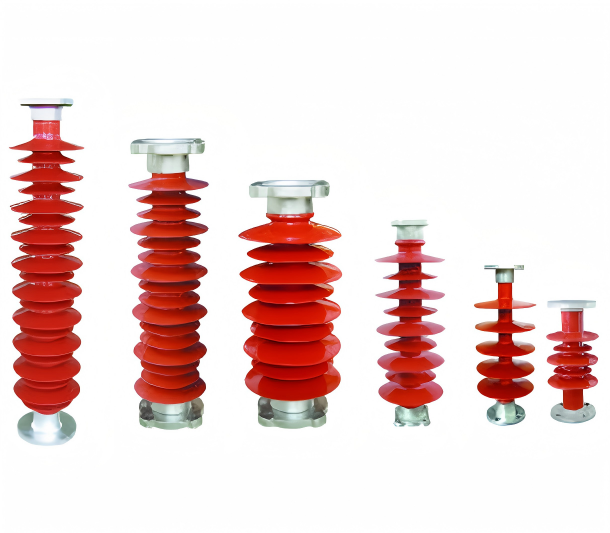
The performance of a hollow composite insulator depends fundamentally on its design architecture and material composition. Engineers and utility managers must understand how structural, thermal, and mechanical design factors directly influence the reliability and lifespan of these critical components. The hollow composite insulator has become essential in modern electrical infrastructure, yet many stakeholders remain uncertain about which design variables matter most for optimal performance.
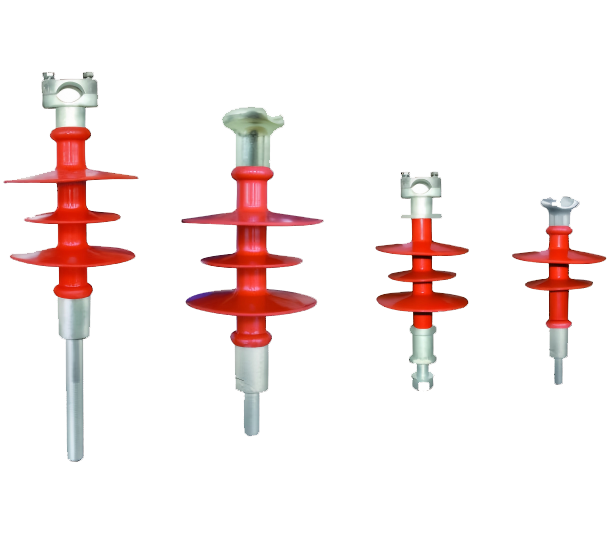
Understanding these design factors is critical for selecting the right hollow composite insulator for your specific application. Whether you operate in coastal environments, industrial zones, or challenging weather conditions, the design characteristics that determine performance efficiency will shape your maintenance costs, replacement schedules, and overall system safety. This article explores the core design factors that affect hollow composite insulator performance and their practical implications for electrical networks.
Structural Design and Material Composition
Core Architecture of Hollow Composite Insulators
The hollow composite insulator design begins with its fundamental architecture, which combines a fiberglass-reinforced polymer (FRP) rod as the load-bearing core with elastomeric sheds arranged along the outer surface. This hybrid structure distinguishes the hollow composite insulator from traditional porcelain alternatives and enables superior mechanical flexibility and impact resistance. The hollow composite insulator's core rod provides the tensile strength needed to support high-voltage transmission lines, while the composite material eliminates the brittle failure modes common in ceramic designs.
The material selection for a hollow composite insulator directly impacts its electrical and mechanical properties. Engineers must balance the fiberglass fiber volume fraction, resin type, and curing process to achieve optimal electrical conductivity, mechanical strength, and environmental stability. A well-designed hollow composite insulator maintains consistent performance across temperature variations and extended UV exposure, factors that poor material choices compromise. The composite construction allows manufacturers to tailor the hollow composite insulator's properties for specific voltage classes and environmental conditions, offering flexibility unavailable in traditional insulator designs.
Shed Design and Configuration
The shed geometry and spacing on a hollow composite insulator significantly affect its leakage current characteristics and pollution performance. Sheds must be designed to maximize the creepage distance—the path electricity must travel along the insulator surface—while minimizing water accumulation and contaminant deposition. A properly designed hollow composite insulator includes optimized shed angles, overlapping configurations, and ventilation pathways that reduce flashover risk under contaminated conditions.
The elastomeric material used for sheds in a hollow composite insulator must resist ozone, UV radiation, and thermal cycling without degrading surface properties. Premium silicone-based sheds outperform ethylene-propylene-diene-monomer (EPDM) alternatives in long-term performance, particularly in harsh industrial and coastal environments. The hollow composite insulator's shed design must also facilitate easy cleaning and inspection, as accessibility affects lifecycle maintenance efficiency and cost-effectiveness.
Thermal and Environmental Performance Factors
Temperature Stability and Thermal Cycling
A hollow composite insulator's design must account for thermal stresses caused by load fluctuations and environmental temperature swings. The coefficient of thermal expansion of the FRP core and elastomeric sheds must be carefully matched to minimize stress concentration at material interfaces. When thermal expansion mismatches occur within a hollow composite insulator, micro-cracks can develop over years, ultimately compromising electrical performance and mechanical integrity.
The hollow composite insulator's design temperature range directly affects its suitability for specific geographic and operational contexts. Insulators operating in regions with extreme seasonal temperature variations require robust design margins to prevent accelerated aging. Materials selected for a hollow composite insulator must maintain stable dielectric properties across the full operating temperature window, ensuring consistent voltage-withstanding capability regardless of ambient conditions.
Environmental Degradation and Pollution Resistance
Pollution contamination poses a major challenge to hollow composite insulator performance, especially in coastal, industrial, and arid regions. The design of a hollow composite insulator must incorporate material selections and surface features that resist salt deposition, dust accumulation, and chemical pollutants. Silicon dioxide particles, industrial fumes, and marine salt can gradually degrade the elastomeric sheds if the hollow composite insulator lacks proper surface treatment or material formulation.
The hydrophobic properties of a hollow composite insulator's shed material directly determine its pollution flashover performance. Hydrophobic recovery—the ability of elastomeric surfaces to regain water-repellent characteristics after contamination—is a critical design consideration. A well-engineered hollow composite insulator maintains hydrophobic surface properties that naturally shed water and contaminants, reducing leakage current and flashover probability. This passive self-cleaning mechanism is a major performance advantage compared to ceramic alternatives requiring regular washing.
Electrical Design and Performance Optimization
Voltage Distribution and Electric Field Management
The electrical design of a hollow composite insulator must ensure uniform voltage stress distribution along its length to prevent localized electric field concentrations. Non-uniform stress creates hotspots where corona discharge and surface degradation accelerate, shortening the insulator's operational life. Modern hollow composite insulator designs incorporate grading rings, optimized conductor geometry, and shed arrangements that balance electrical stress, enhancing long-term reliability.
A hollow composite insulator's creepage distance must be selected according to voltage class and pollution severity classifications established by international standards. Longer creepage paths reduce leakage current and contamination-induced flashover risk, making this design parameter essential for high-voltage applications in challenging environments. Engineers must verify that a hollow composite insulator's geometric design meets or exceeds minimum creepage requirements for its intended voltage level and pollution category.
Impulse Strength and Mechanical Resilience
The impulse voltage withstanding capability of a hollow composite insulator depends on its design architecture, material properties, and manufacturing quality. Lightning strikes and switching transients create rapid voltage transients that test the hollow composite insulator's dielectric limits. A well-designed hollow composite insulator incorporates multiple dielectric layers and material interfaces that collectively absorb impulse energy without failure, a characteristic that single-material ceramic insulators struggle to achieve consistently.
Mechanical resilience is equally critical; a hollow composite insulator must tolerate mechanical impact, cantilever stress, and dynamic loading without cracking or delamination. The design must incorporate sufficient material thickness, fiber reinforcement orientation, and adhesive strength at layer interfaces. When properly engineered, a hollow composite insulator exhibits superior impact resistance compared to brittle ceramic alternatives, reducing downtime and replacement frequency in challenging field conditions.
FAQ
What are the main design factors that determine hollow composite insulator reliability?
The core design factors affecting hollow composite insulator reliability include material composition of the FRP core and elastomeric sheds, shed geometry and creepage distance, thermal expansion coefficient matching, environmental contamination resistance, voltage stress distribution, and manufacturing process consistency. A hollow composite insulator designed with attention to all these factors will exhibit superior electrical performance, mechanical durability, and resistance to environmental degradation compared to poorly optimized designs.
How does shed design impact hollow composite insulator pollution performance?
Shed design directly influences how a hollow composite insulator performs in contaminated environments. Shed angle, overlapping configuration, and ventilation pathways in the hollow composite insulator determine water drainage efficiency and contaminant accumulation. Hydrophobic elastomeric shed materials enable the hollow composite insulator to passively shed water and maintain lower leakage current, providing excellent pollution flashover resistance without routine washing or maintenance.
Why is thermal stability important for hollow composite insulator design?
Thermal stability ensures that a hollow composite insulator maintains consistent electrical and mechanical properties across temperature fluctuations. Mismatched thermal expansion coefficients between materials can create stress concentrations in a hollow composite insulator, leading to micro-cracks and premature failure. Proper thermal design of the hollow composite insulator prevents accelerated aging, ensures long-term performance across seasons, and reduces lifecycle replacement costs in variable climate applications.