
 EN



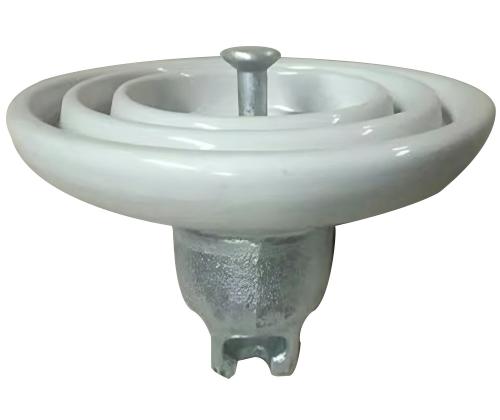
A bushing serves as one of the most critical yet often overlooked components in high voltage electrical equipment. This specialized insulating device enables electrical conductors to pass through grounded metal enclosures—such as transformer tanks, circuit breakers, and switchgear cabinets—while maintaining safe electrical isolation and operational integrity. Understanding the role of a bushing is essential for anyone involved in power system design, maintenance, or operation, as failures in this component can lead to catastrophic equipment damage, safety hazards, and widespread power outages.
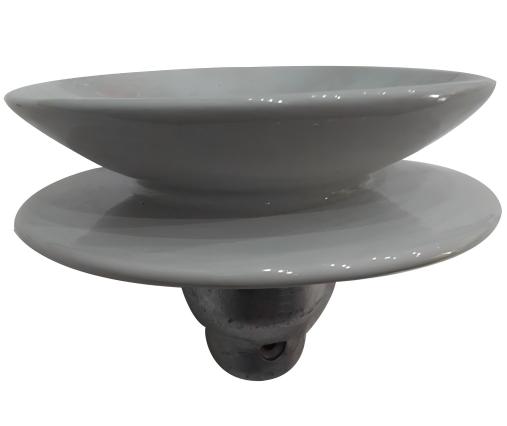
The fundamental function of a bushing is to provide electrical insulation between a live conductor and the grounded metal structure surrounding it. In high voltage systems, where voltages often exceed 100 kV, the electrical stresses are extreme, and any breakdown in insulation can result in arc formation, flashover, or complete equipment failure. A high-quality bushing must withstand not only steady-state voltages but also transient overvoltages caused by lightning strikes, switching operations, and system faults. This multifaceted responsibility makes the bushing an indispensable element of modern electrical infrastructure.
Electrical Insulation and Voltage Withstand Capabilities
Insulation Material Composition
Modern bushings employ layered insulation systems designed to manage electrical stress effectively across the conductor interface. A typical bushing combines paper insulation, porcelain or composite external housings, and specialized oils or resins to create a robust dielectric barrier. The insulation layers of a bushing are arranged concentrically around the central conductor, with each layer strategically placed to equalize voltage distribution and prevent localized electric field concentrations. The material selection for each bushing depends on the voltage rating, environmental conditions, and operational temperature profile of the equipment.
The paper insulation within a bushing is usually impregnated with transformer oil or synthetic fluids to enhance its dielectric strength and heat dissipation capacity. This combination creates a composite insulating medium that can withstand sustained high voltages while providing excellent thermal conductivity. When a bushing is properly designed and maintained, its insulation system can reliably support voltage stresses for decades, even in challenging industrial environments where temperature fluctuations and mechanical vibration are common.
Voltage Stress Distribution and Field Grading
One of the most sophisticated aspects of bushing engineering is the management of electric field strength around the conductor. Without proper field grading, electric field concentration occurs at the conductor interface, creating hotspots where insulation breakdown can initiate. A well-designed bushing incorporates grading electrodes or resistive coating layers that smooth the voltage gradient from the high-voltage conductor to the grounded metal enclosure. This field grading technique ensures that no single point within the bushing experiences excessive electrical stress, thereby extending the working life of the bushing significantly.
The grading system within a bushing is calibrated based on the voltage class and the specific application of the equipment. For extra-high voltage equipment operating at 330 kV or above, the bushing design becomes even more critical because even small defects in the grading system can trigger progressive failures. The electric field distribution around a bushing determines whether the component will perform reliably throughout its 30 to 40-year design life or fail prematurely due to insulation degradation.
Thermal Management and Heat Dissipation
Heat Generation and Temperature Monitoring
Every bushing generates heat when current flows through its conductor under normal operating conditions. This heat is proportional to the square of the current and the electrical resistance of the conductor material. A bushing designed for high current applications must incorporate thermal pathways that channel generated heat away from the insulation toward the external environment. Temperature monitoring within a bushing is critical because excessive heating accelerates insulation degradation and can trigger premature failure. Modern bushings often integrate temperature sensors or optical fiber monitoring systems to provide real-time thermal feedback to power system operators.
The external porcelain or composite housing of a bushing acts as both an insulator and a heat dissipation surface. Fins or corrugations molded into the external surface of a bushing increase the area available for convective heat transfer to surrounding air. In substations where multiple high-current bushings operate in close proximity, adequate ventilation around each bushing is essential to prevent thermal accumulation and localized overheating that could compromise the bushing performance.
Oil Circulation and Cooling Systems
In large power transformers, the bushing does not operate in isolation; it is immersed in transformer oil that circulates through the tank to remove heat generated throughout the equipment. The oil surrounding a bushing serves triple duty: it provides additional electrical insulation, removes heat generated in the conductor, and carries that heat toward radiators or cooling fans. The design of a bushing must accommodate this oil circulation path while ensuring that oil can flow freely through grading layers and insulation cavities without creating stagnant zones where localized heating could occur.
The integration between bushing design and the overall transformer cooling system is so important that changes to bushing geometry can significantly affect transformer thermal performance. A poorly designed bushing that restricts oil flow increases overall transformer operating temperature, reduces equipment efficiency, and shortens the lifespan of all insulating materials including the bushing itself. This interdependency emphasizes why bushing specifications must align with the complete thermal management strategy of the entire high voltage electrical equipment unit.
Mechanical Support and System Integration
Structural Integrity and Vibration Resistance
Beyond electrical and thermal functions, a bushing must provide mechanical support for the internal conductor and resist mechanical stresses from vibration, thermal cycling, and external impacts. High voltage electrical equipment operates in environments where electromagnetic forces can be substantial, creating mechanical vibrations that are transmitted to every internal component including the bushing. A bushing must be rigidly mounted and internally reinforced to prevent conductor movement that could damage insulation or create electrical contacts where they should not exist.
The mechanical design of a bushing must also accommodate thermal expansion and contraction cycles as operating temperatures fluctuate. Mismatches in thermal expansion coefficients between the conductor, insulation, porcelain housing, and metal flanges can create internal stresses that gradually degrade the bushing over time. Well-engineered bushings employ stress-relieving design features and material combinations that minimize thermal cycling damage and maintain structural integrity across the full operating temperature range expected throughout the equipment lifetime.
Connection Interfaces and Reliability
The bushing serves as the critical interface where internal equipment conductors connect to external power system circuits. This interface must maintain electrical continuity while providing mechanical clamping force sufficient to resist vibration-induced loosening and maintain consistent contact pressure. The design of the bushing terminal or flange determines whether external connections remain secure and corrosion-free throughout decades of operation. Poor design in this interface region can lead to loose connections, overheating at contact points, and escalating failure risk affecting the entire high voltage electrical equipment installation.
A bushing connection must also accommodate various external conductor types, including rigid copper bars, flexible cables, and different terminal lug designs used throughout the power industry. The standardization of bushing terminal geometry, thread dimensions, and clamping specifications has been developed through decades of practical experience and is codified in international standards such as IEC and IEEE specifications. Compliance with these standards ensures that external connections can be made reliably without requiring custom fabrication or specialized installation procedures that increase both cost and installation risk.
FAQ
What materials are typically used to manufacture bushings?
Bushings typically combine multiple materials selected for their specific properties: the central conductor is usually copper or aluminum for electrical conductivity, paper insulation impregnated with oil for dielectric strength and thermal conductivity, resistive grading materials to smooth electric field distribution, and external porcelain or composite housings for mechanical protection and environmental resistance. Modern bushings sometimes incorporate epoxy resin or silicone composites instead of traditional porcelain to reduce weight and improve mechanical durability in high-vibration environments.
How long does a typical bushing remain in service?
A properly designed and maintained bushing can operate reliably for 30 to 40 years or longer, with some bushings remaining in service for over 50 years. The actual lifespan depends on operating temperature, voltage stress, environmental conditions, maintenance practices, and manufacturing quality. Regular condition monitoring through oil analysis, insulation resistance testing, and thermal imaging can extend bushing life by identifying emerging problems before they cause catastrophic failure.
What are the warning signs of bushing failure?
Warning signs include visible cracks or porosity in the porcelain housing, oil leakage from bushing seals or flanges, discoloration or sediment in the oil surrounding the bushing, rising operating temperature detected through thermal imaging, and decreasing insulation resistance measured through specialized testing. Any of these indicators suggest that the bushing integrity is compromised and professional assessment should be performed to determine whether immediate replacement or continued monitoring is appropriate.