
 EN
EN



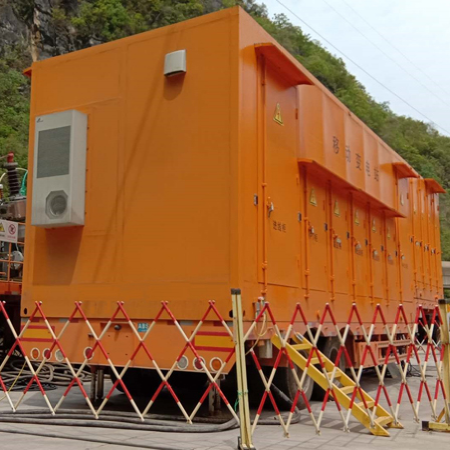
Temporary power projects across various industries require reliable, efficient, and rapidly deployable electrical infrastructure solutions. When construction sites, emergency response operations, or industrial facilities need immediate power distribution capabilities, traditional fixed substations simply cannot meet the urgent timeline demands. This is where mobile substation technology becomes indispensable, offering unprecedented flexibility and operational efficiency for temporary electrical installations. These portable power distribution units have revolutionized how organizations approach short-term electrical infrastructure needs, providing the same functionality as permanent installations while maintaining mobility and quick deployment capabilities.
Understanding Mobile Substation Technology
Core Components and Design Features
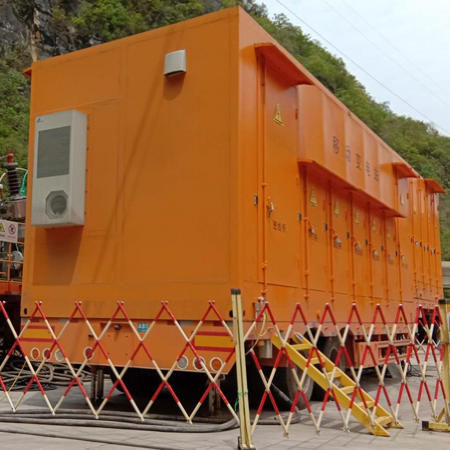
A mobile substation integrates all essential electrical distribution components into a transportable unit, typically mounted on a specially designed trailer or truck chassis. The primary components include high-voltage transformers, switchgear, protection systems, control panels, and monitoring equipment. These units are engineered to withstand harsh environmental conditions while maintaining electrical safety standards equivalent to permanent installations. The compact design maximizes functionality within space constraints, ensuring that every square foot serves a critical purpose in power distribution operations.
Modern mobile substation designs incorporate advanced materials and construction techniques that enhance durability and operational reliability. Weather-resistant enclosures protect sensitive electrical components from moisture, dust, and temperature extremes. Ventilation systems maintain optimal operating temperatures for transformers and electronic equipment. The modular design approach allows for customization based on specific voltage requirements, load capacities, and application needs. This flexibility ensures that each mobile substation can be tailored to meet precise project specifications.
Voltage Ratings and Capacity Specifications
Mobile substation units are available in various voltage configurations, ranging from low-voltage distribution systems to high-voltage transmission applications. Common voltage ratings include 4.16kV, 13.8kV, 25kV, 35kV, and higher transmission voltages up to 138kV or beyond. Power capacity typically ranges from 500kVA to 40MVA, depending on the specific application requirements and transportation limitations. These specifications ensure that mobile substations can handle diverse power distribution needs across different industries and project scales.
The selection of appropriate voltage and capacity specifications depends on several factors including load requirements, distance from primary power sources, and local electrical codes. Higher voltage ratings enable more efficient power transmission over longer distances, while lower voltage systems may be more suitable for localized distribution applications. Capacity planning must consider both current load demands and potential future expansion needs during the temporary installation period.
Applications Across Different Industries
Construction and Infrastructure Development
Construction projects represent one of the largest application areas for mobile substation technology. Large-scale infrastructure developments, commercial building construction, and residential developments often require substantial temporary power capacity before permanent electrical infrastructure becomes available. A mobile substation provides the necessary power distribution capability to support construction equipment, temporary lighting systems, and site office facilities. The ability to relocate these units as construction progresses adds significant value to project logistics.
Infrastructure projects such as highway construction, bridge building, and airport expansion frequently operate in remote locations where permanent power infrastructure is unavailable or impractical to install. Mobile substations enable these projects to maintain full operational capacity without waiting for utility companies to install permanent electrical service. This capability can significantly accelerate project timelines and reduce overall construction costs by eliminating delays associated with power availability.
Emergency Response and Disaster Recovery
Emergency response operations rely heavily on mobile substation technology to restore critical infrastructure after natural disasters or equipment failures. When hurricanes, earthquakes, or severe weather events damage permanent electrical infrastructure, mobile substations provide immediate power restoration capabilities for hospitals, emergency services, and essential community services. The rapid deployment capability of these units can mean the difference between extended outages and quick service restoration.
Disaster recovery efforts benefit enormously from the flexibility that mobile substations provide. Relief organizations can establish temporary command centers, medical facilities, and communication hubs with reliable power supplies. The self-contained nature of these units eliminates dependency on damaged local infrastructure, enabling emergency responders to focus on rescue and recovery operations rather than power system restoration. This independence is crucial during the critical first hours and days following major disasters.
Industrial and Manufacturing Applications
Industrial facilities frequently require mobile substation services during planned maintenance outages, equipment upgrades, or temporary production expansion. Manufacturing operations cannot afford extended downtime, making mobile substations essential for maintaining production schedules during electrical system modifications. These portable units enable continuous operation while permanent infrastructure undergoes necessary maintenance or expansion work.
Mining operations, oil and gas extraction facilities, and other remote industrial activities often rely on mobile substations as primary power distribution systems. The ability to relocate electrical infrastructure as operations expand or shift locations provides significant operational advantages. Mobile substations eliminate the need for extensive permanent electrical installations in temporary work areas, reducing capital investment while maintaining operational flexibility.
Technical Advantages and Operational Benefits
Rapid Deployment and Installation
The primary advantage of mobile substation technology lies in its rapid deployment capability. Traditional substation construction can require months of planning, site preparation, equipment procurement, and installation work. Mobile substations can be delivered and operational within days or even hours of arrival on site. This dramatic reduction in deployment time provides enormous value for time-sensitive projects and emergency applications.
Installation procedures for mobile substations are significantly simplified compared to permanent installations. Pre-engineered connections, standardized interfaces, and integrated protection systems eliminate much of the complexity associated with traditional substation commissioning. Qualified technicians can establish full operational capability with minimal site preparation and connection work. This streamlined installation process reduces both labor costs and project risk factors.
Cost-Effectiveness and Financial Advantages
Mobile substation solutions offer compelling financial advantages over permanent installations for temporary applications. The elimination of land acquisition, site preparation, foundation work, and permanent structure construction results in significant cost savings. Additionally, the rental or leasing model commonly used for mobile substations converts capital expenditure into operational expense, improving cash flow management for project-based organizations.
Long-term cost benefits extend beyond initial installation savings. Mobile substations require minimal decommissioning work at project completion, eliminating costly demolition and site restoration activities. The units can be relocated to new projects, maximizing asset utilization and return on investment. This reusability factor makes mobile substations particularly attractive for organizations with multiple temporary power requirements.
Flexibility and Scalability Options
Modern mobile substation designs provide exceptional flexibility in configuration and capacity scaling. Multiple units can be connected in parallel to increase overall system capacity, or arranged in different configurations to serve diverse load requirements. This modular approach enables precise matching of electrical capacity to actual load demands, avoiding over-specification and unnecessary costs.
Operational flexibility extends to voltage transformation capabilities, protection system configurations, and control system interfaces. Mobile substations can be equipped with multiple transformer taps, variable protection settings, and programmable control systems that adapt to changing operational requirements. This adaptability ensures optimal performance across diverse application scenarios and evolving project needs.
Safety and Reliability Considerations
Electrical Safety Standards and Compliance
Mobile substations must comply with the same rigorous electrical safety standards applied to permanent installations. This includes adherence to IEEE, IEC, and local electrical codes governing equipment design, installation practices, and operational procedures. Proper grounding systems, arc flash protection, and personnel safety measures are integrated into every mobile substation design to ensure safe operation under all conditions.
Safety systems incorporate multiple layers of protection including overcurrent protection, ground fault detection, and emergency shutdown capabilities. Personnel safety features such as interlocked access doors, warning systems, and proper clearance distances protect workers during operation and maintenance activities. Regular safety inspections and maintenance procedures ensure continued compliance with evolving safety standards throughout the service life of each mobile substation.
Reliability and Performance Monitoring
Reliability requirements for mobile substations often exceed those of permanent installations due to the critical nature of temporary power applications. Advanced monitoring systems track key performance parameters including voltage levels, current flows, temperature conditions, and equipment status. Real-time data collection enables predictive maintenance practices and early identification of potential issues before they impact operations.
Remote monitoring capabilities allow operators to track mobile substation performance from centralized control centers. Telecommunications interfaces enable real-time data transmission, alarm notification, and remote control capabilities. This connectivity ensures that mobile substations receive the same level of operational oversight as permanent installations, maintaining high reliability standards regardless of location.
Selection Criteria and Planning Considerations
Load Analysis and Capacity Planning
Proper mobile substation selection begins with comprehensive load analysis to determine capacity requirements, voltage levels, and operational characteristics. Load calculations must consider both steady-state operating conditions and transient requirements such as motor starting currents or peak demand periods. Accurate load forecasting ensures that the selected mobile substation provides adequate capacity without excessive over-specification.
Capacity planning should also account for potential load growth during the temporary installation period. Projects that may expand or modify their electrical requirements benefit from mobile substations with scalability options or the ability to add supplementary units. This forward-thinking approach prevents capacity constraints that could limit project operations or require costly equipment changes during critical project phases.
Site Requirements and Environmental Factors
Site evaluation plays a crucial role in mobile substation selection and deployment planning. Access roads must accommodate the transportation requirements of large trailer-mounted units, including adequate turning radius, bridge load ratings, and overhead clearances. Site preparation requirements are minimal but must include level parking areas, adequate drainage, and appropriate setback distances from buildings and other infrastructure.
Environmental considerations influence both equipment selection and operational procedures. Mobile substations designed for extreme weather conditions incorporate enhanced protection systems, upgraded insulation materials, and specialized cooling systems. Altitude, temperature ranges, seismic requirements, and exposure to corrosive environments all factor into equipment specification decisions. Proper environmental matching ensures reliable operation throughout the intended service period.
Future Trends and Technological Developments
Smart Grid Integration and Digital Technologies
The integration of smart grid technologies is transforming mobile substation capabilities and operational characteristics. Digital protection systems, advanced metering infrastructure, and automated control systems enable more sophisticated monitoring and control capabilities. These technologies support improved grid stability, enhanced fault detection, and optimized power quality management in temporary installations.
Internet of Things connectivity and cloud-based monitoring platforms are expanding the operational visibility and control options for mobile substations. Predictive analytics, machine learning algorithms, and artificial intelligence applications enable proactive maintenance scheduling and performance optimization. These digital enhancements position mobile substations as integral components of modern smart grid infrastructure rather than temporary stopgap solutions.
Sustainability and Environmental Considerations
Environmental sustainability is becoming increasingly important in mobile substation design and operation. Energy-efficient transformers, low-loss electrical components, and optimized cooling systems reduce environmental impact while improving operational efficiency. Alternative energy integration capabilities enable mobile substations to interface with solar panels, wind generators, and energy storage systems.
Sustainable materials and manufacturing processes are gaining prominence in mobile substation production. Recyclable materials, reduced packaging waste, and extended equipment life cycles contribute to overall environmental responsibility. These sustainability initiatives align with corporate environmental goals while maintaining the operational advantages that make mobile substations essential for temporary power projects.
FAQ
What is the typical deployment time for a mobile substation?
Most mobile substations can be deployed and operational within 24 to 72 hours of arrival on site, depending on the complexity of connections and local permitting requirements. Simple installations may achieve operational status within just a few hours, while more complex configurations requiring extensive cable routing or special protection settings may require additional setup time. This rapid deployment capability represents a significant advantage over permanent substation construction, which typically requires several months to complete.
How do mobile substations compare to permanent installations in terms of reliability?
Modern mobile substations achieve reliability levels comparable to permanent installations when properly maintained and operated. The same electrical components, protection systems, and safety standards apply to both mobile and permanent substations. However, mobile units may require more frequent monitoring and maintenance due to transportation stresses and outdoor exposure. Advanced monitoring systems and preventive maintenance programs ensure that mobile substations maintain high reliability throughout their service period.
What are the typical rental costs for mobile substations?
Mobile substation rental costs vary significantly based on capacity, voltage rating, rental duration, and geographic location. Monthly rental rates typically range from $5,000 to $50,000 or more for high-capacity transmission-class units. Additional costs may include transportation, installation services, maintenance, and insurance. Long-term rentals often receive preferential pricing, making mobile substations cost-effective for projects lasting several months or years.
Can mobile substations operate in extreme weather conditions?
Yes, mobile substations are designed to operate reliably in diverse weather conditions including extreme temperatures, high winds, and severe precipitation. Weatherproof enclosures protect electrical components from moisture and contamination. Heating and cooling systems maintain optimal operating temperatures for transformers and control equipment. However, severe weather events such as hurricanes or tornadoes may require temporary shutdown for safety reasons, similar to permanent electrical installations.