
 EN
EN



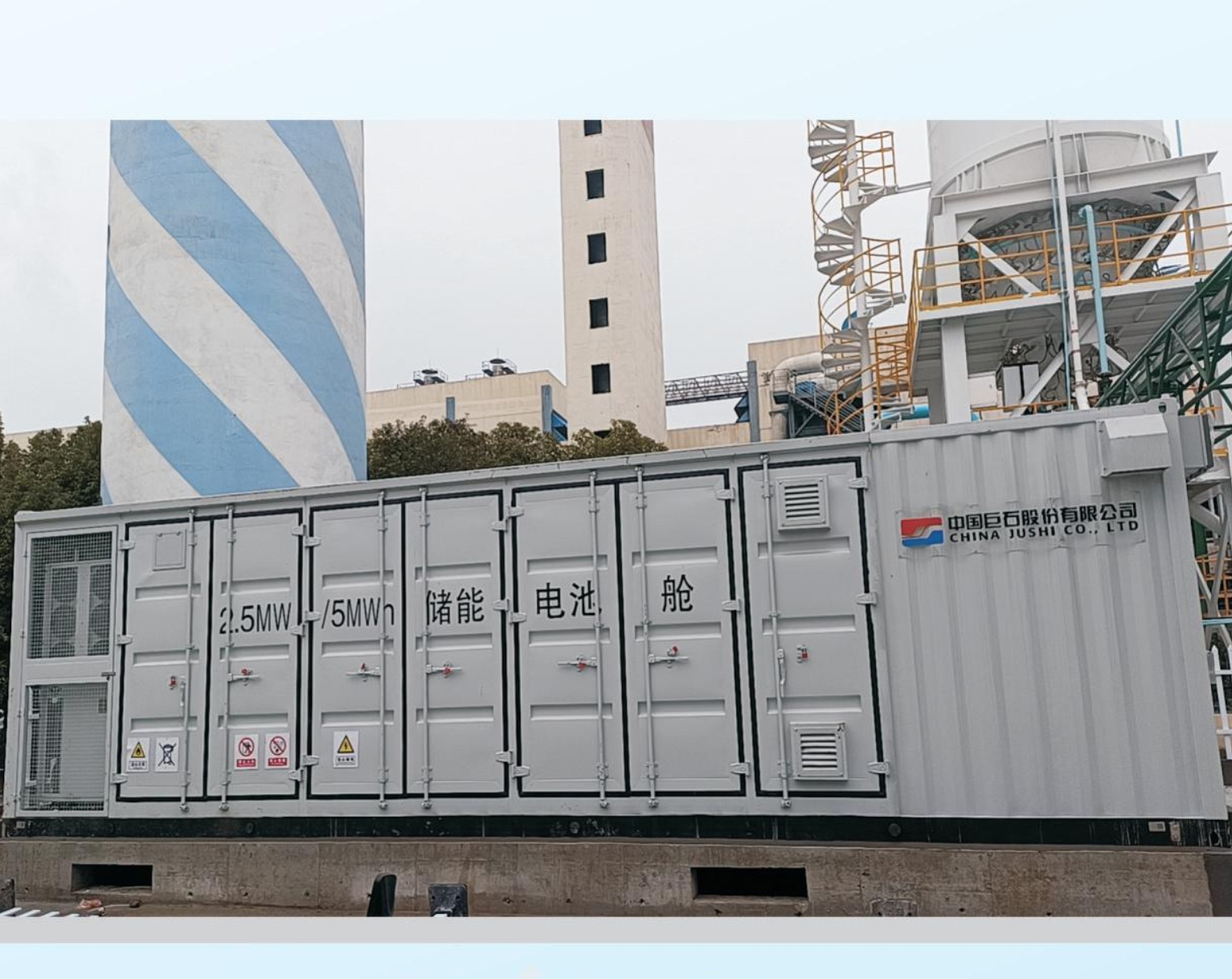
When natural disasters, equipment failures, or unexpected grid collapses strike, communities and industries face critical challenges in maintaining electrical power. Mobile substations emerge as vital infrastructure solutions that provide rapid emergency power supply to affected areas. These specialized units offer immediate relief when conventional power infrastructure becomes compromised or overwhelmed. Understanding why mobile substations are used for emergency power supply reveals their essential role in modern energy resilience and grid recovery operations.
Mobile substations represent a flexible, deployable approach to emergency power distribution. Unlike fixed infrastructure that requires years to plan, permit, and construct, mobile substations can be transported and operational within hours. This rapid deployment capability makes them indispensable for utilities managing supply disruptions, maintenance windows, and unexpected demand surges. Their portability transforms how power companies and emergency responders address critical energy gaps in disaster scenarios.
Speed of Deployment and Rapid Response Capabilities
Immediate On-Site Installation
Mobile substations can be transported by truck, rail, or specialized vehicles to emergency locations and become operational within a matter of hours. Traditional substation construction takes months or years, but mobile substations eliminate this timeline constraint entirely. When a major transformer fails or a region loses power due to storms, flooding, or equipment breakdown, mobile substations provide immediate emergency power supply without delay. This responsiveness prevents cascading blackouts, protects critical infrastructure, and enables faster recovery for hospitals, data centers, and municipal services.
Flexible Positioning and Accessibility
Mobile substations are designed to reach difficult-to-access areas where conventional infrastructure cannot quickly be repaired. They navigate congested urban streets, rural roads, and disaster zones more easily than attempting to rebuild stationary installations. Emergency power supply from mobile substations restores service to isolated communities and essential facilities during the critical window when permanent repairs are underway. Their compact design and transportability make them ideal for regions where geographic isolation or infrastructure damage would otherwise extend outage duration significantly.
Cost Efficiency and Economic Resilience
Reduced Capital Expenditure for Emergency Response
Deploying mobile substations costs substantially less than constructing permanent infrastructure or purchasing backup generators for every vulnerable location. Utilities maintain a strategic reserve of mobile substations that can be activated only when emergencies occur, avoiding unnecessary capital tied up in redundant fixed installations. The emergency power supply provided by mobile substations reduces the total cost of managing grid outages compared to alternative solutions. This economic efficiency allows utilities to achieve stronger resilience without proportional increases in operating budgets or long-term debt commitments.
Revenue Protection During Outages
Extended blackouts cause enormous financial losses for industrial operations, retail businesses, hospitals, and municipalities. Mobile substations minimize outage duration and restore revenue-generating operations faster than waiting for permanent repairs. Emergency power supply from mobile substations protects businesses from accumulated losses and customer dissatisfaction during critical periods. For utilities, faster recovery through mobile substations improves customer satisfaction, reduces regulatory penalties, and strengthens market reputation during high-stress situations.
Grid Stability and Load Management During Crisis Periods
Balancing Demand During Network Failures
When major transmission lines fail or regional generators shut down unexpectedly, grid stability depends on rapidly redirecting power to critical load centers. Mobile substations provide emergency power supply that stabilizes voltage levels, prevents cascading failures, and maintains power to hospitals, emergency services, and water treatment facilities. Their flexible capacity allows operators to balance demand across remaining infrastructure while permanent repairs proceed. This load management prevents secondary blackouts that could compound the original emergency into a regional or national crisis.
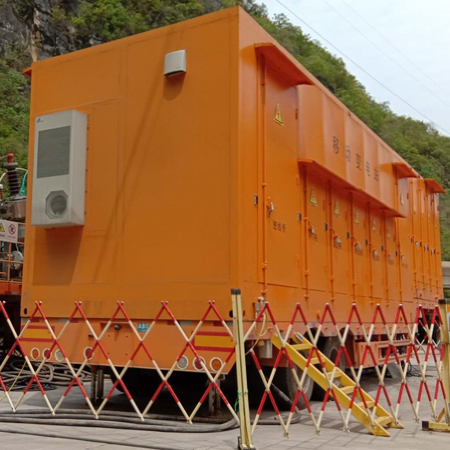
Temporary Capacity Enhancement
During peak demand seasons or when scheduled maintenance takes substations offline, mobile substations supplement existing infrastructure to prevent shortfalls. They inject emergency power supply exactly where bottlenecks emerge, avoiding the need for rolling blackouts or service rationing. This targeted capacity enhancement protects industrial production, maintains climate control in critical facilities, and preserves quality of life for affected populations. Strategic placement of mobile substations distributes load more evenly across the network and prevents voltage dips that damage sensitive equipment.
Real-World Emergency Applications and Impact
Disaster Response and Natural Disaster Recovery
When hurricanes, earthquakes, floods, or severe winter storms devastate conventional power infrastructure, mobile substations are deployed immediately to restore emergency power supply to affected communities. They support search-and-rescue operations, hospital operations, water pumping systems, and emergency shelters. Mobile substations enable utilities to prioritize critical infrastructure first while permanent repairs advance over weeks or months. Their presence directly saves lives by ensuring that emergency services and essential facilities continue operating during the most vulnerable periods of disaster response.
Industrial and Commercial Continuity
Manufacturing plants, data centers, and financial institutions depend on uninterrupted power for safety and business continuity. Mobile substations provide emergency power supply that bridges the gap between equipment failure and repair or between scheduled maintenance windows. This capability prevents product losses in food processing plants, protects sensitive electronic systems in computing facilities, and maintains service availability in telecommunications networks. Industries increasingly view mobile substations as essential risk management tools rather than occasional emergency measures.
FAQ
How quickly can mobile substations begin delivering emergency power supply?
Mobile substations can typically be transported to a site and operational within two to four hours of deployment authorization. The exact timing depends on distance, road conditions, and site preparation requirements. This rapid response capability makes mobile substations significantly faster than constructing or repairing permanent infrastructure, which would require days, weeks, or months of work and coordination.
What capacity range do mobile substations provide for emergency power supply?
Mobile substations typically range from 10 MVA to 100 MVA in capacity, with some specialized units exceeding these standards. This range allows utilities to match emergency power supply to specific demand requirements without oversizing or undersizing the deployment. Operators select appropriate mobile substations based on the affected area's power requirements and the duration of the emergency condition.
Can mobile substations serve as permanent solutions or only temporary emergency power supply?
Mobile substations are designed as temporary emergency power supply solutions, typically deployed for weeks to months until permanent infrastructure is restored or constructed. While they can remain operational longer if necessary, their mobile nature and operational costs make them unsuitable for indefinite long-term use. However, they bridge critical gaps during emergency situations and reduce overall system downtime compared to waiting exclusively for permanent repairs.