
 EN
EN



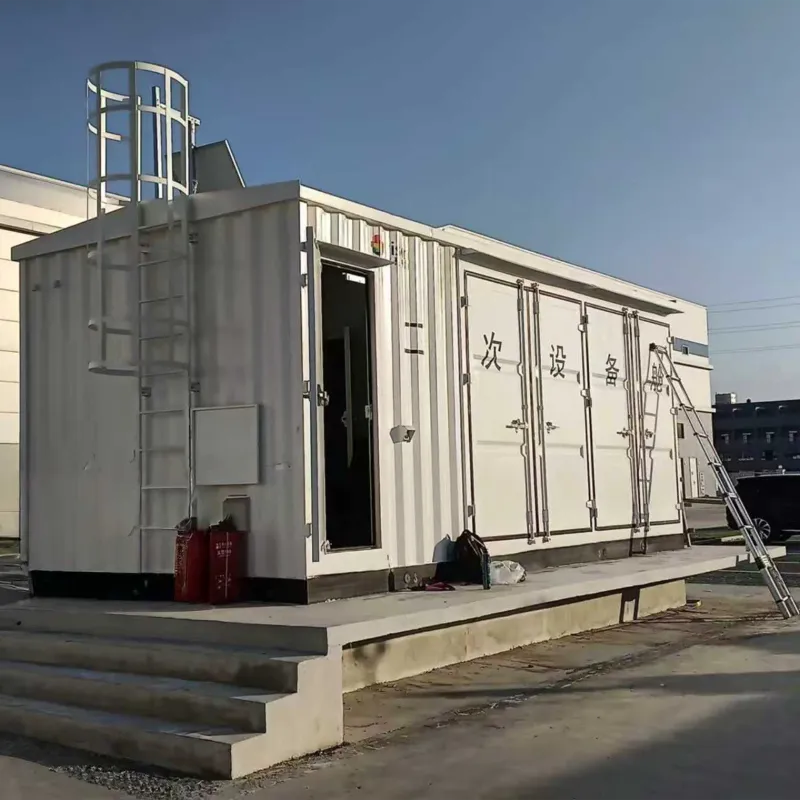
Prefabricated cabins have become increasingly essential in modern power projects, offering solutions that traditional construction methods simply cannot match. These modular structures deliver exceptional value by addressing the unique operational and logistical challenges that power utility companies face during infrastructure development and expansion. Understanding how prefabricated cabins contribute to project success is critical for stakeholders looking to optimize timelines, budgets, and operational efficiency in the power sector.
The power industry demands rapid mobilization, precise specifications, and reliable infrastructure across geographically dispersed locations. Prefabricated cabins meet these demands through standardized design, accelerated on-site assembly, and quality-controlled manufacturing. This approach fundamentally changes how power projects are planned, executed, and scaled.
Accelerated Project Deployment and Timeline Reduction
Speed of Assembly and Installation
One of the most compelling advantages of prefabricated cabins is the dramatic reduction in project timelines. Traditional on-site construction requires extensive planning, material procurement, weather-dependent scheduling, and skilled labor coordination over extended periods. Prefabricated cabins, by contrast, are manufactured in controlled environments while site preparation occurs simultaneously, effectively compressing the overall project duration. The modular components arrive ready for integration, requiring only connection of utilities and structural assembly at the location.
For power projects where operational downtime represents significant revenue loss, this speed advantage translates directly to financial benefit. A prefabricated cabin deployment can reduce on-site construction time by 40 to 60 percent compared to conventional building methods. When power utilities need to upgrade substations, establish remote monitoring stations, or deploy emergency response facilities, prefabricated cabins enable rapid response without compromising quality or safety standards.
Weather and Environmental Independence
Prefabricated cabins complete their manufacturing phase in dedicated factory facilities where environmental conditions are controlled and optimized. This independence from weather delays represents a substantial advantage in power projects, particularly those in challenging climates or remote regions. Weather-related construction delays routinely add weeks or months to traditional projects, but prefabricated cabins eliminate this vulnerability by completing the majority of work indoors before transportation to the site.
Power utilities operating in regions with seasonal challenges, extreme temperatures, or high precipitation find that prefabricated cabins maintain consistent quality and predictable completion schedules regardless of external conditions. This reliability enables more accurate project forecasting and resource planning across the power company's portfolio.
Cost Efficiency and Financial Optimization
Reduction of Labor and Material Waste
Prefabricated cabins deliver substantial cost advantages through optimized material usage and labor efficiency. Factory manufacturing enables precise material quantities, reducing waste that typically accompanies on-site construction. The controlled production environment allows manufacturers to implement lean processes, standardize workflows, and achieve economies of scale that individual power projects cannot replicate independently. Labor costs decrease significantly because assembly operations occur in productive factory settings rather than on remote or difficult-to-access power project sites.
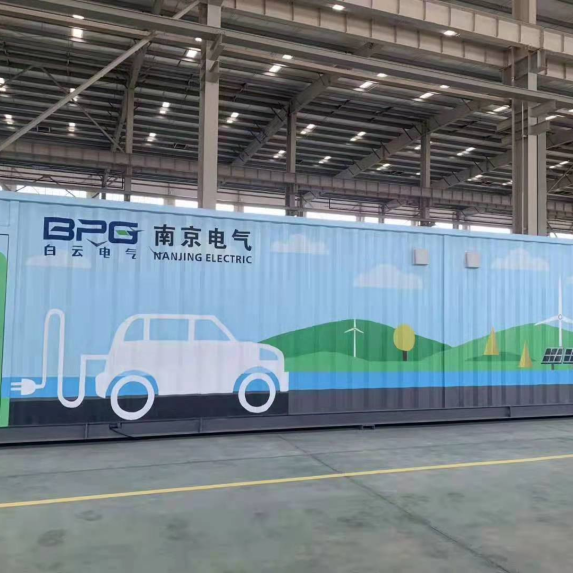
Additionally, prefabricated cabins minimize the need for specialized trades working simultaneously at project locations. Electricians, HVAC technicians, and other specialists complete their work during factory production, reducing the complexity and expense of on-site coordination. Power companies benefit from predictable labor costs and fewer scheduling conflicts that typically inflate expenses in traditional construction.
Long-Term Operational and Maintenance Savings
The financial advantages of prefabricated cabins extend beyond initial installation costs into the operational phase. Factory-constructed units undergo rigorous quality assurance testing before leaving the manufacturing facility, resulting in higher construction standards and fewer defects. This quality foundation reduces maintenance expenses and emergency repairs during the cabin's service life. Prefabricated cabins designed specifically for power projects incorporate durability features, weatherproofing, and electrical infrastructure that are optimized for reliability.
Power utilities also benefit from standardized designs that simplify spare parts inventory, maintenance procedures, and technical support. When multiple prefabricated cabins are deployed across a utility's service territory, technicians work with consistent systems rather than managing diverse construction specifications, further reducing operational overhead and improving response times to maintenance requirements.
Design Flexibility and Application Across Power Infrastructure
Customization Within Standardized Frameworks
Modern prefabricated cabins offer exceptional flexibility in design and configuration while maintaining the efficiency benefits of standardized manufacturing. Manufacturers can customize internal layouts, electrical configurations, HVAC systems, and safety features to match specific power project requirements without sacrificing production economies. This balance between standardization and customization enables power companies to procure solutions perfectly aligned with their operational specifications.
Whether a power project requires control room configurations for substation management, housing for monitoring equipment, shelter for emergency response teams, or temporary facilities for construction phases, prefabricated cabins can be engineered to deliver the necessary functionality. Manufacturers work with power utilities during the design phase to ensure that customizations enhance rather than complicate manufacturing processes.
Scalability and Multi-Unit Deployment
Power utilities frequently expand infrastructure across multiple locations, requiring consistent quality and coordinated deployment. Prefabricated cabins support this scalability elegantly through standardized designs that can be manufactured in volumes, shipped to various project sites, and assembled according to local requirements. A power company planning to establish ten new monitoring stations can procure all required prefabricated cabins from a single manufacturer, ensuring consistency while enabling staged deployment across the year.
This scalability also addresses the challenge of workforce consistency in power projects. When prefabricated cabins arrive with factory-trained assembly documentation and consistent component specifications, project teams across different locations operate with identical procedures and expectations. Prefabricated cabins reduce training complexity and minimize the risk of quality variations that occur when different teams construct unique designs independently.
FAQ
How do prefabricated cabins ensure quality standards for power infrastructure?
Prefabricated cabins manufactured for power projects undergo factory quality assurance testing that verifies electrical systems, structural integrity, weatherproofing, and safety features before shipment. Manufacturers implement quality control protocols at each production stage, with final comprehensive inspections ensuring that all systems function correctly. This factory-controlled process achieves higher quality consistency than on-site construction, where environmental variables and coordination challenges introduce greater variability. Power utilities receive documentation of all testing and inspections, providing confidence that prefabricated cabins meet industry standards and project specifications.
Can prefabricated cabins accommodate the specific electrical requirements of different power projects?
Yes, prefabricated cabins can be customized to integrate the specific electrical components, protection systems, and control configurations required by different power projects. Manufacturers work with power utilities to design electrical layouts that match the project's voltage requirements, protection scheme architecture, and communication infrastructure needs. Prefabricated cabins accommodate conduit routing, cable management, grounding systems, and equipment mounting tailored to the project's technical specifications while maintaining manufacturing efficiency. This flexibility enables power companies to deploy prefabricated cabins across diverse applications from distribution automation to renewable energy integration.
What environmental and safety advantages do prefabricated cabins offer for remote power projects?
Prefabricated cabins designed for remote power projects incorporate weatherproofing, thermal insulation, and environmental controls that protect sensitive equipment and personnel in challenging conditions. Factory construction enables thorough environmental testing that simulates the extreme temperatures, humidity levels, and atmospheric conditions the cabin will encounter. Safety systems including fire suppression, electrical grounding, and structural reinforcement are integrated during manufacturing, ensuring comprehensive protection. For remote power projects where accessibility complicates emergency response and maintenance, these built-in safety and environmental features provide substantial operational advantages and reduce risks associated with equipment exposure to harsh conditions.