
 EN
EN



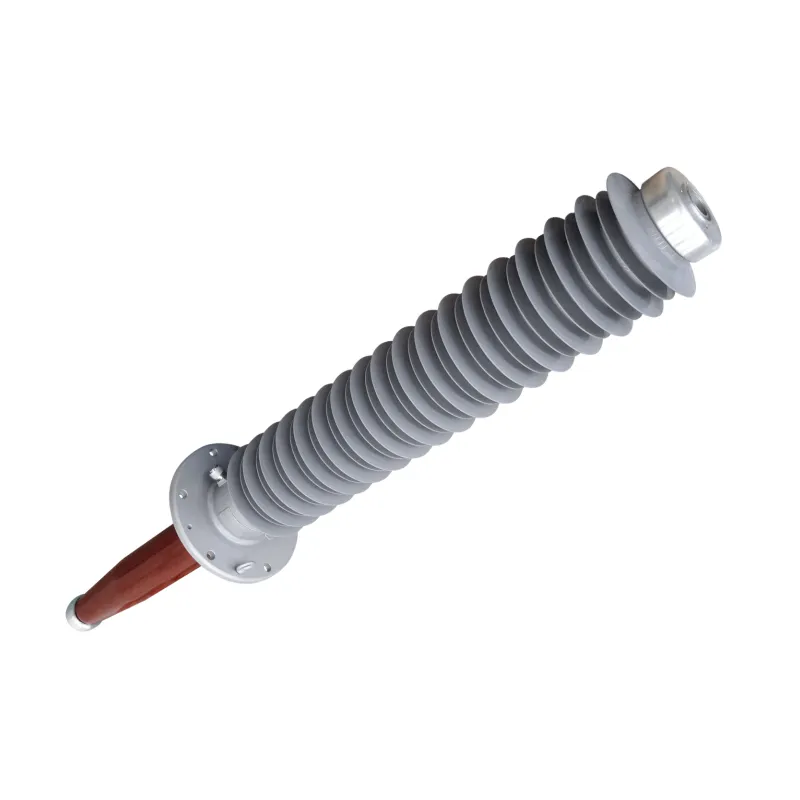
Transformer bushings represent one of the most critical yet often overlooked components in power transformer systems. These specialized electrical devices serve as the primary interface between high-voltage internal windings and external circuits, making transformer bushings fundamentally essential to overall system safety and performance. Understanding why transformer bushings demand such careful attention reveals the complex interdependencies between component design, operational reliability, and industrial asset protection.
The engineering significance of transformer bushings extends far beyond basic electrical connectivity. These components must simultaneously manage extreme voltage stresses, thermal cycling, mechanical pressures, and environmental exposure while maintaining absolute electrical integrity. When transformer bushings fail, the consequences cascade rapidly through industrial operations, causing equipment damage, power disruptions, and potential safety hazards that can cost millions in downtime and repairs.
The Essential Role of Transformer Bushings in Electrical Safety
Voltage Isolation and Breakdown Prevention
Transformer bushings serve as critical voltage isolation barriers that prevent electrical breakdown between high-voltage windings and grounded external structures. Inside a power transformer, voltages can reach hundreds of kilovolts, creating extraordinary electrical stress on every component. Transformer bushings are engineered with specialized insulation materials and geometric configurations that distribute this voltage stress gradually across their length, preventing localized electrical field concentrations that could trigger catastrophic insulation failure. The quality of insulation within transformer bushings directly determines whether a transformer operates safely for decades or fails suddenly with destructive consequences.
Environmental and Mechanical Protection
Power transformers operate in diverse environmental conditions, from coastal salt spray to industrial pollution to extreme temperature variations. Transformer bushings protect internal windings from moisture infiltration, contamination, and physical damage while maintaining consistent electrical performance across all operating conditions. The robust design of modern transformer bushings accounts for thermal expansion cycles, mechanical vibration from electromagnetic forces, and long-term aging of insulation materials. Without proper transformer bushings, environmental degradation would rapidly compromise the transformer's structural integrity and safety record.
Critical Performance Factors for Transformer Bushing Reliability
Insulation Material Quality and Composition
The insulation materials used in transformer bushings determine their ability to withstand electrical stress, temperature variations, and chemical degradation over extended service life. High-quality transformer bushings employ carefully engineered combinations of porcelain, composite materials, and impregnated paper that have been validated through rigorous testing protocols. The specific composition and manufacturing process of transformer bushings dramatically affects their dielectric strength, thermal capacity, and aging resistance. Inferior transformer bushings constructed from substandard materials may initially appear functional but exhibit accelerated degradation patterns that lead to premature failure and safety incidents.
Thermal Management and Heat Dissipation
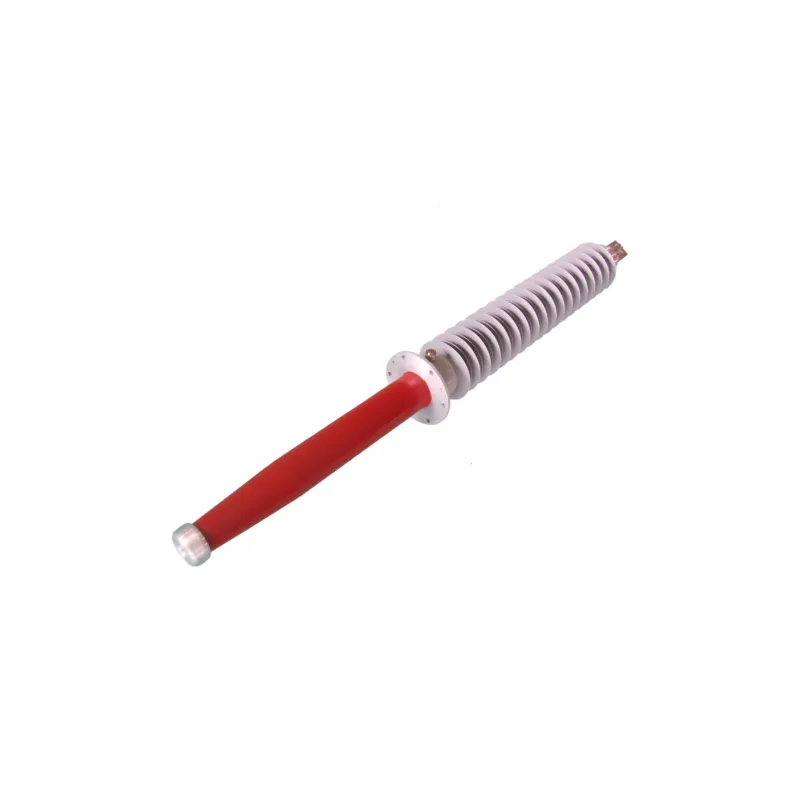
Operating transformer bushings generate internal heat due to electrical losses and dielectric heating, necessitating effective thermal dissipation mechanisms to prevent temperature buildup that accelerates insulation deterioration. Advanced transformer bushings incorporate design features that enhance heat dissipation and maintain stable operating temperatures even under peak load conditions. Temperature monitoring of transformer bushings has become an industry best practice, with many utilities implementing real-time thermal sensing to detect developing problems before catastrophic failure occurs. The thermal performance of transformer bushings represents a direct correlation with overall transformer safety and service life extension.
Consequences of Failed or Deteriorated Transformer Bushings
Cascade Failure Mechanisms in Power Systems
When transformer bushings begin to fail, they initiate a cascade of problems that rapidly compromise the entire transformer system. Electrical breakdown across failed transformer bushings creates fault currents that can damage transformer windings, core structures, and connected equipment throughout the power distribution network. The sudden failure of transformer bushings can trigger explosive arcing events, tank rupture, and oil fires that pose immediate physical danger to personnel and nearby infrastructure. Industrial facilities have experienced complete production shutdowns lasting weeks due to single transformer bushing failures, demonstrating why these components justify substantial investment in quality assurance and preventive maintenance.
Operational Disruption and Economic Impact
The economic consequences of transformer bushing failure extend far beyond the cost of replacement equipment. Manufacturing plants, data centers, hospitals, and critical infrastructure operations depend on continuous transformer availability, making unexpected transformer bushing failures extraordinarily expensive. Emergency replacement of failed transformer bushings requires specialized technicians, extended downtime, and often emergency procurement costs that far exceed normal purchasing prices. Proactive maintenance of transformer bushings and timely replacement during normal operating windows prevents these catastrophic scenarios and protects operational continuity across industrial sectors.
Regulatory Compliance and Insurance Implications
Regulatory standards and insurance requirements increasingly mandate rigorous inspection and maintenance protocols for transformer bushings as fundamental safety obligations. Facilities that allow transformer bushings to deteriorate without intervention face potential regulatory violations, insurance claim denials, and liability exposure if failures cause property damage or personnel injury. Documented maintenance records of transformer bushings have become essential evidence of due diligence in industrial asset management. Organizations that prioritize transformer bushing maintenance demonstrate commitment to safety standards and reduce their exposure to regulatory penalties and insurance complications.
FAQ
How often should transformer bushings be inspected for safety compliance?
Most industry standards recommend comprehensive inspection of transformer bushings at least annually, with additional inspections during extreme operating conditions or after detected anomalies. Transformer bushings exposed to harsh environmental conditions or operating near rated capacity may require more frequent assessment. Advanced diagnostic techniques including thermal imaging, oil analysis, and dielectric testing can detect developing transformer bushing problems long before visual inspection identifies deterioration.
What are the primary warning signs that transformer bushings need replacement?
Visible signs of transformer bushing degradation include porcelain cracking, oil leakage around the transformer bushing base, discoloration, or partial discharge activity detected through electronic monitoring systems. Temperature increases in transformer bushings beyond normal ranges often signal internal insulation degradation requiring prompt replacement. Rising dissolved gas concentrations in transformer oil also frequently indicate transformer bushing deterioration before catastrophic failure occurs.
Can transformer bushings be refurbished or must they always be replaced?
Once transformer bushings show significant deterioration or electrical degradation, complete replacement represents the only reliable solution, as internal insulation damage cannot be adequately repaired. Some utilities attempt temporary repairs on transformer bushings during emergency situations, but these always represent temporary expedients rather than permanent solutions. Planned replacement of transformer bushings during scheduled maintenance windows prevents emergency replacements that cause extended operational disruption and higher total costs.