
 EN
EN



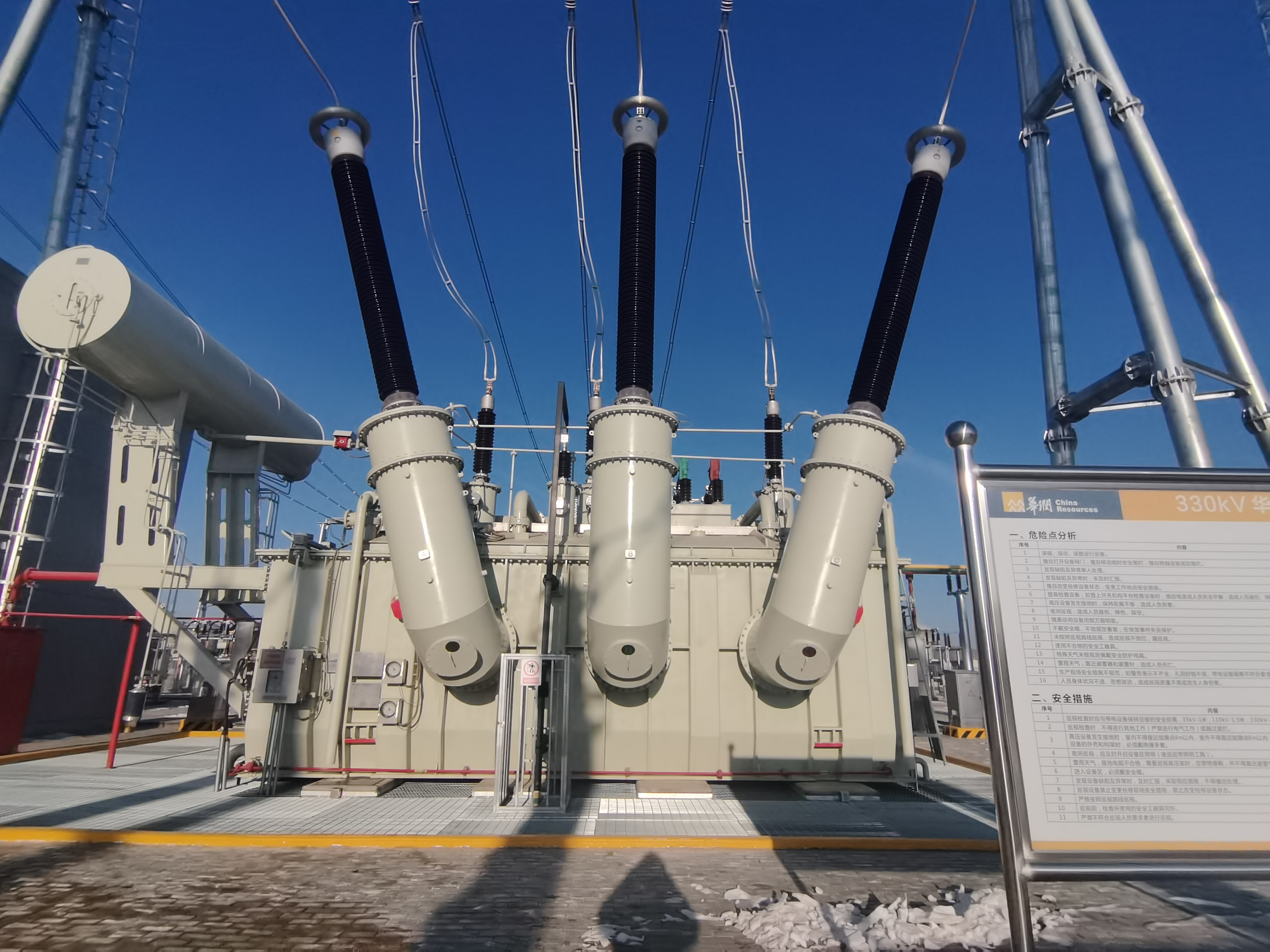
Voltage transformers are critical components in modern electrical substations, serving multiple essential functions that ensure reliable power system operation. These precision devices, also known as potential transformers, convert high voltages to standardized lower voltages suitable for measurement instruments, protection relays, and control systems. Understanding how voltage transformers are applied in substations is fundamental for electrical engineers, maintenance professionals, and utility operators who manage power distribution infrastructure. The voltage transformer operates on the principle of electromagnetic induction, stepping down dangerous high voltages into safe, measurable levels that monitoring equipment can process without risk of damage or operator injury.
Substations represent strategic nodes in electrical grids where voltage transformation, power distribution, and system protection converge. The voltage transformer plays an indispensable role within this infrastructure, enabling operators to monitor electrical parameters, protect equipment from faults, and maintain grid stability. Each voltage transformer in a substation must meet rigorous accuracy standards and safety requirements, as any malfunction could compromise the entire power distribution chain. This guide explores the practical applications, operational principles, and installation considerations for voltage transformers in substation environments.
Measurement and Metering Applications
Energy Billing and Consumption Monitoring
One of the primary applications of the voltage transformer in substations is enabling accurate energy measurement for billing purposes. Revenue meters connected to voltage transformers measure the voltage component of apparent power consumption across residential, commercial, and industrial circuits. The voltage transformer reduces primary system voltages, typically ranging from 6 kV to 765 kV, down to standardized secondary voltages of 120 volts or 110 volts. This standardized secondary voltage allows revenue meters to function safely and accurately without requiring overspecified instrumentation designed for hazardous high-voltage environments. Accuracy class ratings for voltage transformers used in metering applications typically range from 0.2 to 1.0, ensuring that billing calculations remain within acceptable tolerance limits established by regulatory agencies.
Power Quality Assessment and System Analysis
Power quality monitoring represents another critical measurement function where the voltage transformer delivers voltage samples to specialized analyzers and data acquisition systems. These analyzers examine harmonic content, voltage sag events, transient disturbances, and waveform distortion that could indicate equipment stress or approaching failures. The voltage transformer provides consistent, proportional voltage reproduction across frequencies relevant to power quality analysis, enabling technicians to diagnose problems such as capacitor bank failures, transformer saturation, or nonlinear load interactions. By extracting representative voltage signals through the voltage transformer, substation operators gain visibility into power quality conditions that affect downstream equipment reliability and energy efficiency.
Protection and Control Functions
Relay Operation and Fault Detection
Protection relays represent the sensory nervous system of electrical substations, and the voltage transformer serves as a primary sensor input for these critical safety devices. Overcurrent relays, directional relays, distance relays, and voltage protection relays all depend on accurate voltage samples from properly configured voltage transformers to detect abnormal conditions. When faults occur within protected zones, the voltage transformer rapidly transmits voltage changes to protection relays, which then command circuit breakers to isolate the faulty section within milliseconds. The voltage transformer must respond quickly to transient voltage changes without saturation or lag that could delay protective relay operation. Installation of voltage transformers near fault sources ensures that protection relays receive voltage signals representative of actual system conditions rather than distorted or attenuated samples.
Synchronization and Voltage Regulation Control
Synchronization of generator connections to the grid requires precise phase and voltage matching, functions that depend on reliable voltage transformer outputs. The voltage transformer provides voltage reference signals to synchronizing relays that compare phase angle and magnitude between incoming generator voltage and existing grid voltage. Similarly, automatic voltage regulation systems use voltage transformer feedback to adjust generator excitation levels and transformer tap positions, maintaining grid voltage within acceptable ranges despite changing load conditions. These control functions demand that the voltage transformer maintain excellent linearity and frequency response across the full operating range, without phase shift or amplitude distortion that could lead to improper synchronization or voltage instability.
Substation Installation and Operational Considerations
Physical Placement and Grounding Requirements
Strategic placement of the voltage transformer within the substation layout directly impacts measurement accuracy and protection system reliability. Voltage transformers for metering must be located on the load side of all protective devices to ensure that billed energy corresponds to delivered energy rather than energy lost in substation components. The voltage transformer primary should be connected directly across the power system phase and ground at the point of measurement, minimizing cable runs that could introduce voltage drops or noise. Secondary grounding of the voltage transformer prevents dangerous potential between secondary windings and ground, protecting technicians and instruments from shock hazards. In substations with multiple measurement points, separate voltage transformers may be required at different circuit levels to capture accurate data from each power system section.
Accuracy Specifications and Burden Limitations
Selection of appropriate accuracy classes for voltage transformers depends on intended applications and metering requirements within the substation. The voltage transformer accuracy class indicates maximum permissible errors across specified operating ranges, typically 80% to 120% of nominal primary voltage. Burden, representing the total impedance of all connected secondary devices, directly affects voltage transformer accuracy and must remain below manufacturer specifications. A heavily burdened voltage transformer may produce secondary voltage output that deviates significantly from ideal proportionality to primary voltage, introducing measurement errors into revenue meters and protection relays. Substation designers must verify that cumulative impedance of all metering devices, protection relays, and monitoring equipment connected to each voltage transformer secondary remains within acceptable limits.
Maintenance and Testing Practices
Regular maintenance and diagnostic testing of voltage transformers ensures continued accuracy and prevents sudden failures that could disrupt substation operations. Insulation resistance testing identifies deterioration of the voltage transformer dielectric system, alerting maintenance teams to potential breakdown risks before catastrophic failure occurs. Excitation current measurements detect core saturation or lamination damage that could impair the voltage transformer's ability to accurately reproduce secondary voltage across all frequency ranges. Ratio and polarity tests verify that the voltage transformer delivers correct proportionality between primary and secondary voltages and confirms correct phase relationships. Many utilities establish preventive replacement intervals for aging voltage transformers, removing devices approaching end-of-life before unreliability compromises measurement accuracy or protection effectiveness.
FAQ
What is the difference between a voltage transformer and a current transformer in substations?
A voltage transformer measures voltage and powers voltage-dependent protection functions, while a current transformer measures current and powers current-dependent protection functions. Both are instrument transformers that provide proportional samples of primary power system quantities, but they serve distinct measurement and protection roles. Voltage transformers connect in parallel with the circuit being measured, whereas current transformers connect in series. Both instrument transformer types are essential for comprehensive substation protection and metering.
Why must voltage transformer secondary circuits be grounded?
Grounding the voltage transformer secondary prevents hazardous voltage between secondary windings and ground during primary winding insulation failures. If the voltage transformer primary winding develops a fault to ground, an ungrounded secondary could establish a dangerous potential between secondary circuits and protective ground structures. Secondary grounding provides a safe discharge path for such fault currents, protecting technicians who might contact secondary wiring during maintenance. The voltage transformer grounding connection is typically established at a single point near the protection relay cabinet to maintain a clear ground reference without creating parallel current paths that could obscure protection relay operation.
How does burden affect voltage transformer performance?
Burden represents the total electrical load connected to the voltage transformer secondary, including metering device impedance, protection relay coils, and monitoring equipment inputs. Excessive burden causes the voltage transformer secondary voltage to drop below ideal proportionality to primary voltage, introducing measurement errors and potentially degrading protection relay sensitivity. Every device connected to the voltage transformer secondary contributes to overall burden, and cumulative impedance must remain below the maximum burden rating specified by the manufacturer. Substation designers must carefully calculate secondary burden during planning stages to ensure that selected voltage transformers can accurately serve all intended measurement and protection functions without performance degradation.