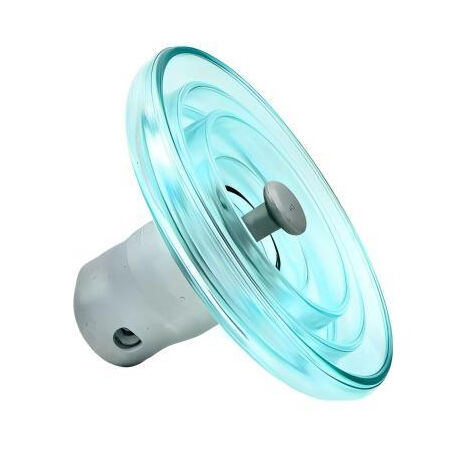
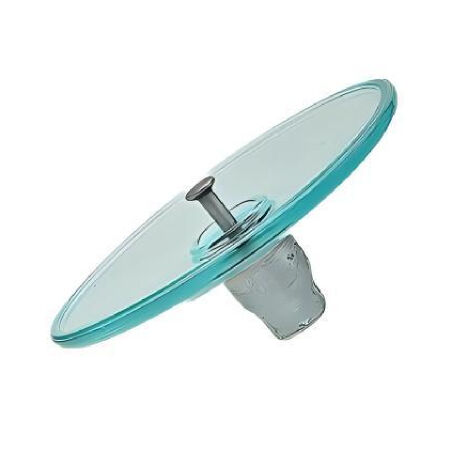
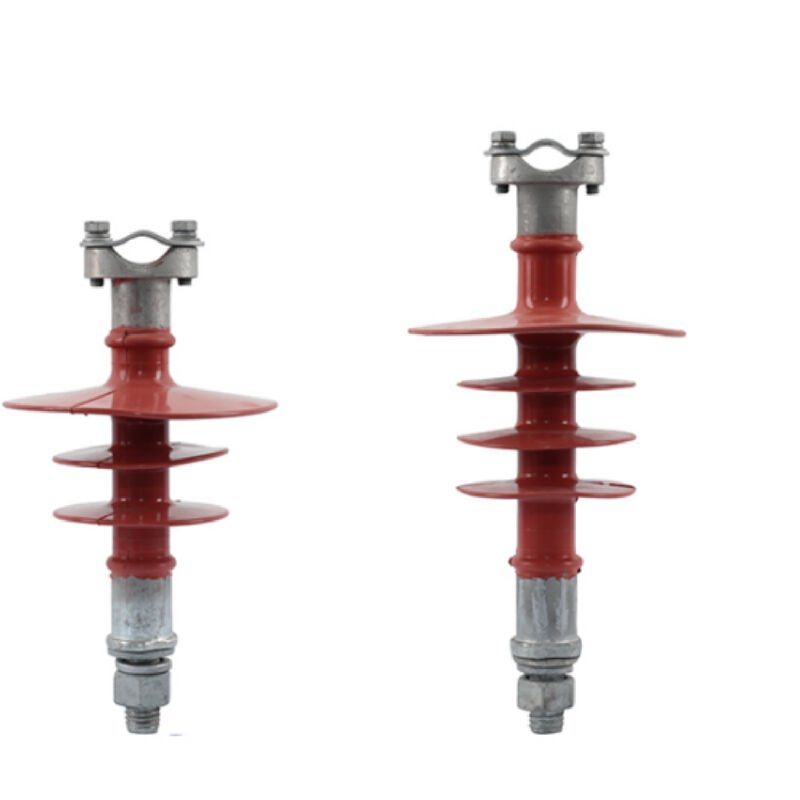
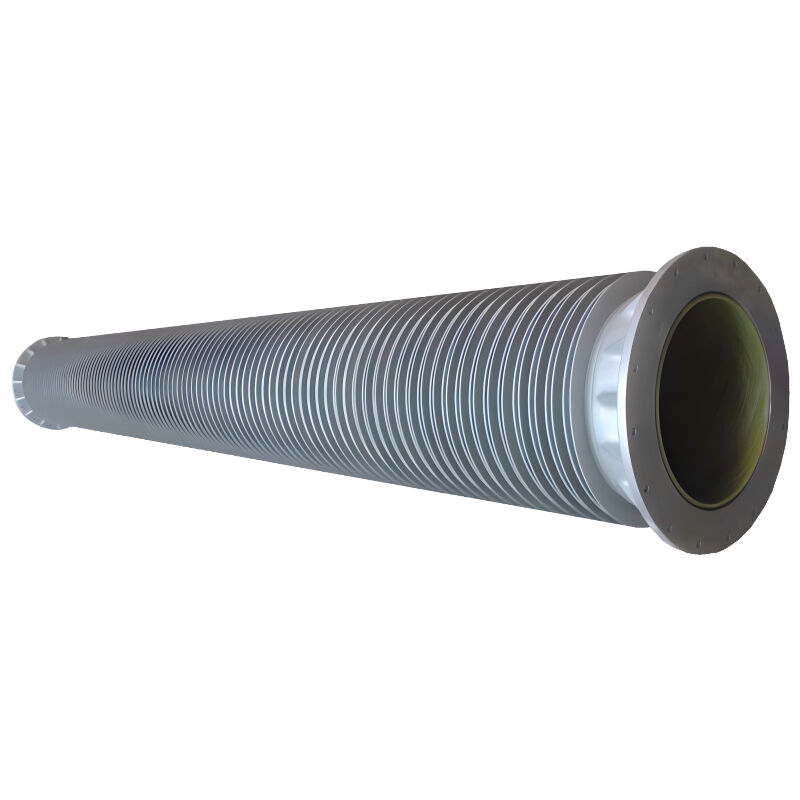
izolator talerzowy porcelanowy
Izolator porcelanowy w kształcie dysku stanowi kluczowy element systemów przesyłu i rozdziału energii elektrycznej, pełniąc funkcję podstawowej bariery między przewodnikami pod napięciem a uziemionymi konstrukcjami. Ten zaawansowany ceramiczny element ma przede wszystkim zapobiegać przepływowi prądu elektrycznego tam, gdzie nie powinien on występować, zapewniając integralność i bezpieczeństwo systemu przy różnych poziomach napięcia. Izolator porcelanowy w kształcie dysku składa się z ciałka ceramicznego wykonanego z wyjątkowo dobrze dobranej masy ceramicznej, charakteryzującego się doskonałymi właściwościami dielektrycznymi, oraz z metalowych elementów mocujących zapewniających bezpieczne połączenie mechaniczne. Charakterystyczny kształt dysku zapewnia optymalną odległość elektryczną przy jednoczesnym zachowaniu wytrzymałości konstrukcyjnej w różnorodnych warunkach środowiskowych. Proces produkcji obejmuje wypalanie materiałów glinianych w wysokiej temperaturze, co prowadzi do uzyskania gęstej, niemieszczącej porów powierzchni odpornoj na absorpcję wilgoci i zanieczyszczenia. Nowoczesne izolatory porcelanowe w kształcie dysku wykorzystują zaawansowane techniki emaliowania, które poprawiają wydajność powierzchniową i wydłużają czas eksploatacji. Do cech technologicznych tych izolatorów należą: wysoka wytrzymałość mechaniczna, doskonała stabilność termiczna oraz wyróżniające się właściwości elektryczne w szerokim zakresie temperatur. Ich solidna konstrukcja umożliwia niezawodną pracę w skrajnych warunkach pogodowych – od arktycznego zimna po pustynny upał. Konstrukcja izolatora porcelanowego w kształcie dysku umożliwia stosowanie różnych konfiguracji montażu, czyniąc go odpowiednim zarówno do linii napowietrznych przesyłowych, jak i do zastosowań w stacjach elektroenergetycznych. Standardowe wymiary i parametry elektryczne zapewniają zgodność z istniejącą infrastrukturą oraz spełnienie międzynarodowych norm bezpieczeństwa. Izolatory te charakteryzują się wyjątkową odpornością na promieniowanie UV, działanie czynników chemicznych oraz uderzenia mechaniczne, zachowując swoje właściwości izolacyjne przez dziesięciolecia eksploatacji. Zastosowania izolatorów porcelanowych w kształcie dysku obejmują wiele sektorów, w tym systemy energetyczne operatorów sieci, obiekty przemysłowe oraz instalacje energii odnawialnej. Są one powszechnie stosowane w wieżach przesyłowych, na słupach rozdzielczych oraz w urządzeniach rozdzielniczych, tam, gdzie niezawodna izolacja elektryczna jest niezbędna dla bezpiecznej eksploatacji i ochrony personelu.
 ×
×



 EN
EN