
 EN
EN



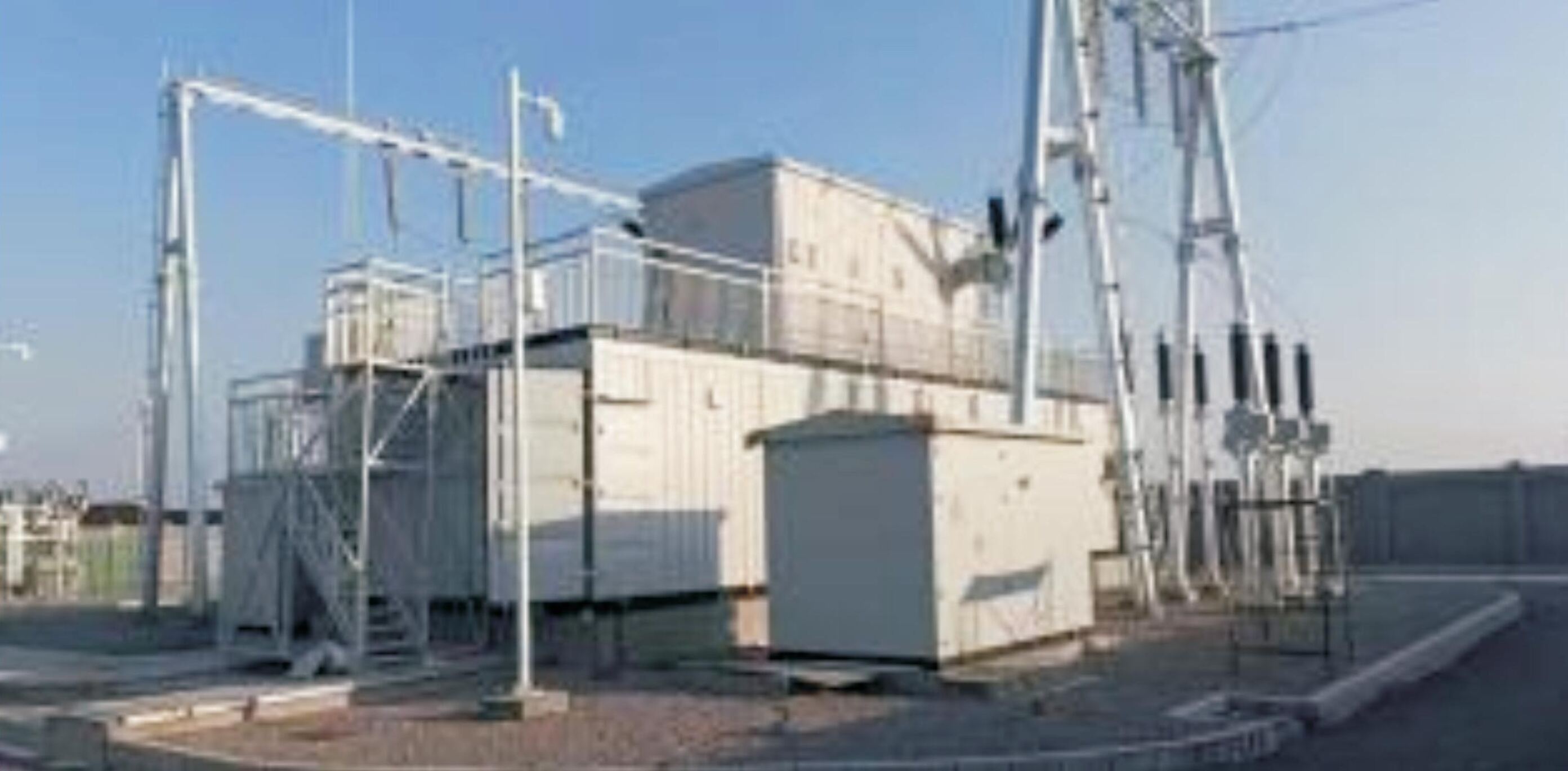
Transformatorët e fuqisë përfaqësojnë kurrizin e infrastrukturës moderne elektrike, duke shërbyer si pjesë kryesore që lejojnë transmetimin dhe shpërndarjen efikase të energjisë elektrike nëpër rrjetet e gjerë. Këto pajisje elektrike të sofistikuara lejojnë transformimin e tensionit përmes parimeve të induksionit elektromagnetik, duke e bërë mundur që sistemet e fuqisë të funksionojnë në nivele optimale efikasie. Kuptimi i pjesëve strukturore të një transformatori është thelbësor për inxhinierët elektrikë, profesionistët e mirëmbajtjes dhe çdo person që merret me dizajnimin dhe operimin e sistemeve të fuqisë. Dizajni i ndërlikuar i këtyre pajisjeve përfshin shumë elemente të ndërlidhura që punojnë harmonikisht për të siguruar konvertimin dhe shpërndarjen e besueshme të energjisë nëpër rrjetet elektrike të tërë botës.
Montimi i Bërthamës dhe Pjesët e Qarkut Magnetik
Ndërtimi i Bërthamës Magnetike
Bërthama magnetike formon bazën strukturore themelore të çdo transformatori, duke shërbyer si shteg për rrjedhën magnetike që gjenerohet gjatë punës. Bërthamat e moderne të transformatorëve përdorin laminat prej çeliku elektrik të cilësisë së lartë, zakonisht të përbëra nga çeliku me silikon me veti magnetike specifike që minimizojnë humbjet e energjisë. Këto laminata montohen dhe asamblonhen me kujdes për të krijuar një qark magnetik të mbyllur që drejton efikasishëm rrjedhën magnetike midis bobinave primare dhe sekondare. Projektimi i bërthamës ndikon në mënyrë të konsiderueshme në efikasitetin e transformatorit, ku prodhuesit përdorin teknika metalurgjike të avancuara për të zvogëluar humbjet e bërthamës dhe për të përmirësuar karakteristikat e përgjithshme të performancës.
Metodat kryesore të ndërtimit ndryshojnë në varësi të madhësisë së transformatorit dhe kërkesave të aplikimit, ku transformatorët e mëdhenj të energjisë përzakonisht kanë konfigurime të bashkimit me hapje të shkallëzuar ose të ndërprera. Trashësia e laminave zakonisht varion nga 0,23 mm deri në 0,35 mm, ku laminat më të holla ofrojnë humbje më të vogla të rrymave vortikose, por kërkojnë procese më komplekse prodhimi. Kontrolli i cilësisë gjatë montimit të bërthamës siguron përshtatjen e duhur dhe gabimet ajrore minimale, të cilat në rast të kundërt mund të sjellin rezistencë magnetike të papërdorshme dhe të zvogëlojnë efikasitetin e transformatorit. Projektimet e avancuara të bërthamës përfshijnë çelik silikon me orientim të grurëve, i cili ofron veti magnetike të jashtëzakonshme në drejtimin e rrotullimit, duke optimizuar shpërndarjen e rrjedhës nëpër qarkun magnetik.
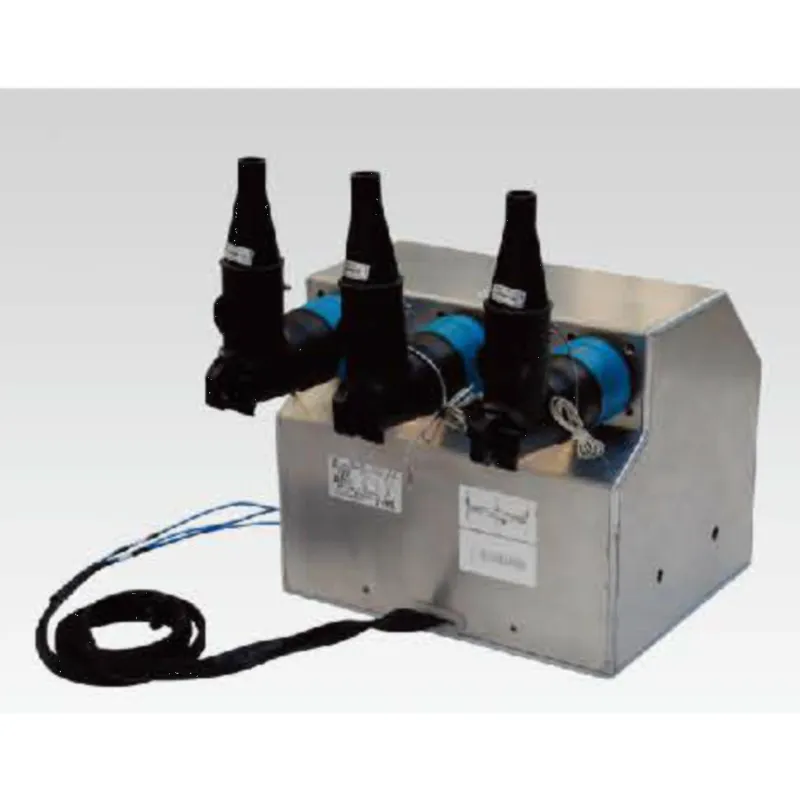
Sistemet e ngushtimit dhe mbështetjes së bërthamës
Sistemet efektive të ngushtimit të bërthamës ruajnë integritetin strukturor nën kushte të ndryshme operimi, përfshirë zgjerimin termik, forcën elektromagnetike dhe vibracionet mekanike. Kornizat ose strukturat prej çeliku për ngushtim mbajnë në mënyrë të sigurt montazhin e bërthamës së laminuar, duke lejuar një zgjerim të kontrolluar gjatë ndryshimeve të temperaturës. Këto sisteme mbështetëse duhet të jenë në gjendje të rezistojnë stresit mekanik të konsiderueshëm që gjenerohen nga forcat elektromagnetike gjatë kushteve të dëmtimit, duke siguruar besnikëri të gjatëkohëshme dhe stabilitet operacional. Dizajni i ngushtimit përfshin edhe elemente për zbutjen e vibracioneve, të cilat reduktojnë nivelin e zhurmës akustike gjatë funksionimit të transformatorit.
Sistemet moderne të ngushtimit përdorin materiale të avancuara dhe teknika inxhinierike për të optimizuar performancën mekanike, duke minimizuar njëkohësisht peshën dhe koston e prodhimit. Barierat izoluese midis komponentëve metalikë të ngushtimit dhe bërthamës aktive parandalojnë rrethimin e papërshtatshëm të rrymave vortikose, që mund të rrisin humbjet. Shtypja e ngushtimit duhet të kontrollohet me kujdes për të shmangur stresin e tepërt mbi laminatet, ndërkohë që ruhet rigjidsia strukturore e mjaftueshme. Procedurat e mirëmbajtjes së rregullt përfshijnë monitorimin e shtypjes së ngushtimit dhe inspektimin e strukturave mbështetëse për shenja të dëmtimit ose të lëshimit mekanik, të cilat mund të ndikojnë në performancën e transformatorit.
Sistemet e Mbështjelljes dhe Konfigurimi Elektrik
Dizajni i Mbështjelljes Primare dhe Sekondare
Sistemet e mbështjelljes përbëjnë zemrën elektrike të funksionimit të transformatorëve, duke kthyer energjinë elektrike nëpërmjet parimeve të induksionit elektromagnetik midis niveleve të ndryshme të tensionit. Mbështjelljet primare marrin energjinë elektrike nga burimi i furnizimit, ndërsa mbështjelljet sekondare dërgojnë energjinë e transformuar te ngarkesat e lidhura ose rrjetet e shpërndarjes. Konfigurimi i mbështjelljeve përcakton raportet e transformimit të tensionit, aftësitë e përdorimit të rrymës dhe karakteristikat elektrike të përgjithshme të njësisë së transformatorit. Dizajnet e avancuara të mbështjelljeve përfshijnë shumë pikë kontakti për tension që ofrojnë fleksibilitet për rregullimin e tensionit dhe optimizimin e sistemit nën kushte të ndryshme ngarkese.
Zgjedhja e përcjellësit për bobinat e transformatorit varet nga shkallëzimet e rrymës, niveli i tensionit dhe konsideratat termike, ku bakri dhe alumini janë materiale kryesore që përdoren në zbatime moderne. Sistemet e izolimit të bobinave mbrojnë përcjellësit nga stresi elektrik, duke ruajtur njëkohësisht integritetin mekanik nën kushtet e funksionimit. Rregullimi gjeometrik i bobinave ndikon në induktancën e fushës së shpërndarë, në aftësinë e rezistencës ndaj rrymës së shkurtër dhe në efikasitetin e ftohjes, gjë që kërkon një analizë inxhinierike të hollësishme gjatë fazave të dizajnit. Projektimet e kabllorëve të transpozuara vazhdimisht përmirësojnë shpërndarjen e rrymës dhe zvogëlojnë humbjet në zbatime me rrymë të lartë, ndërsa konfigurimet e bobinave të tipit disk ofrojnë aftësi të përmirësuar rezistencë ndaj rrymës së shkurtër.
Koordinimi i Izolimit dhe Sistemet Dielektrike
Sistemet e plotë të izolimit mbrojnë bobinat e transformatorit dhe komponentët strukturorë nga shkatërrimi elektrik, duke siguruar një funksionim të besueshëm nën kushtet normale dhe anormale të tensionit. Moderne transformer izolimi përfshin shumë materiale dielektrike, përfshirë izolimin lëngor, pengesat e izolimit të ngurtë dhe materiale të përbëra të dizajnuara për klasa tensioni specifike. Procesi i koordinimit të izolimit merr parasysh tensionet e punës, tensionet e kaluara të përkohshme dhe faktorët mjedisore që mund të ndikojnë në performancën dielektrike gjatë tërë jetës së pritshme të shfrytëzimit.
Izolimi lëngor, zakonisht vaj mineral ose alternativa sintetike, siguron të dyja: fortësinë dielektrike dhe aftësitë e transferimit të nxehtësisë, të cilat janë të domosdoshme për funksionimin e transformatorit. Materialet izoluese të ngurta përfshijnë letrën e shtypur, letrën kraft dhe filmat polimerë të avancuar që krijojnë pengesa midis elementeve të përçueshëm në potenciale të ndryshme. Projektimi i sistemit të izolimit përfshin teknikat e shkallëzimit të stresit që optimizojnë shpërndarjen e fushës elektrike dhe parandalojnë përqendrimet lokale të stresit që mund të çojnë në dëmtim të hershëm.
Struktura e rezervuarit dhe mbulimi mbrojtës
Projektimi dhe materialet e ndërtimit të rezervuarit
Rezervuari i transformatorit ofron mbrojtje të domosdoshme për pjesët e brendshme, ndërkohë që shërben edhe si rezervuar për lëngun izolues dhe si bazë strukturore për aksesorët e jashtëm. Ndërtimi i rezervuarit përdor plaka prej çeliku me rezistencë të lartë, të ngjitur me anë të ngjitjes për të formuar një mbulesë të mbyllur që është në gjendje të rezistojë ndryshimet e shtypjes brendshme dhe kushtet e jashtme mjedisore. Projektimi i rezervuarit përfshin struktura forcuese që shpërndajnë ngarkesat mekanike dhe ofrojnë pika montimi për bushingjet, pajisjet e ftohjes dhe pajisjet mbrojtëse. Projektimet e avancuara të rezervuarit optimizojnë modele të rrethullimit të lëngut brendshëm, të cilat përmirësojnë transferimin e nxehtësisë dhe përmirësojnë performancën termike të përgjithshme.
Proceset e fabricimit të rezervuarëve sigurojnë integritetin strukturor përmes procedurave të kujdesshme të ngjitjes, trajtimeve për zvogëlimin e tensioneve dhe protokollave të testimit të plotë. Sipërfaqja e brendshme e rezervuarit merr mbulime ose trajtime specializuar që parandalojnë korrozionin dhe kontaminimin e lëngjeve izoluese. Sipërfaqet e jashtme të rezervuarit përfshijnë përfundime rezistente ndaj motit që mbrojnë nga degradimi ambiental, duke ofruar njëkohësisht shenjat identifikuese dhe paralajmërimet e sigurisë. Konsiderimet në dizajnimin e rezervuarit përfshijnë qasjen për operacionet e mirëmbajtjes, pikat e ngjitjes për transport dhe instalim, si dhe dispozitat për modifikime apo përmirësime të ardhshme të pajisjeve.
Sistemet e Sigurimit dhe Mbrojtja Ambientale
Sistemet efektive të hermetizimit parandalojnë hyrjen e lagështirës dhe kontaminimin, duke ruajtur integritetin e sistemeve të brendshme të izolimit gjatë tërë jetës së shfrytëzimit të transformatorit. Teknologjitë moderne të hermetizimit përfshijnë materiale elastomerike të avancuara, mbyllëse mekanike dhe sisteme kompensimi të shtypjes që i përshtaten cikleve të zgjerimit dhe tkurrjes termike. Projektimi i sistemit të hermetizimit merr parasysh faktorë të ndryshëm ambientalë, përfshirë temperaturat ekstreme, ndryshimet e lagështirës dhe ndryshimet e shtypjes atmosferike që mund të ndikojnë në kushtet e brendshme. Procedurat e rregullta të mirëmbajtjes përfshijnë inspektimin e mbyllësave, planifikimin e zëvendësimeve dhe sistemet e monitorimit që zbulojnë degradimin e mundshëm të mbyllësave.
Sistemet e mbrojtjes së mjedisit mbrojnë pjesët e transformatorëve nga kushtet atmosferike, burimet e ndotjes dhe dëmtimet fizike që mund të komprometojnë besueshmërinë e funksionimit. Këto sisteme mund të përfshijnë kapset mbrojtëse, sisteme ventilimi dhe instalime drenazhi që menaxhojnë sfidat mjedisore. Niveli i mbrojtjes ndryshon në varësi të vendndodhjes së instalimit, ku aplikimet brenda ambientit, jashtë ambientit dhe ato specializuar kërkojnë qasje të ndryshme për kontrollin mjedisor. Sistemet e avancuara të monitorimit ofrojnë vlerësim të vazhdueshëm të kushteve mjedisore dhe i njoftojnë operatorët për probleme potenciale që kërkojnë veprime korrigjuese.
Sistemet e Ftohjes dhe Menaxhimi Termik
Metodat e Ftohjes Natyrale dhe të Detyruar
Menaxhimi termik përfaqëson një aspekt kritik të projektimit të transformatorit, pasi temperaturat e tepërta mund të degradojnë sistemet e izolimit dhe të zvogëlojnë ndjeshëm jetëgjatësinë operative. Ftohja natyrore mbështetet në proceset e konvekcionit dhe rrezatimit për të shpërndarë nxehtësinë e gjeneruar gjatë funksionimit normal, duke përdorur sipërfaqet e rezervuarëve dhe radiatorët e jashtëm për të transferuar nxehtësinë në ajrin përreth. Kjo metodë ftohjeje siguron funksionim të besueshëm pa pajisje ndihmëse, por mund të kufizojë aftësitë e ngarkimit të transformatorit në mjedise me temperaturë të lartë. Efektiviteti i ftohjes natyrore varet nga kushtet e ambientit, vendndodhja e instalimit dhe modelet e ngarkimit të transformatorit që ndikojnë në shkallët e gjenerimit të nxehtësisë së brendshme.
Sistemet e ftohjes së detyruar përfshijnë ventilatorë, pompa dhe ndërrues të nxehtësisë që heqin aktivisht nxehtësinë nga pjesët e transformatorit, duke lejuar ratingje më të larta fuqie dhe performancë të përmirësuar nën kushte të rënda operimi. Ftohja me ajër të detyruar përdor ventilatorë të jashtëm që përmirësojnë rrethqarkullimin e ajrit rreth sipërfaqeve të ftohjes, ndërsa ftohja me vaj të detyruar përdor pompa që rrethojnë lëngun izolues nëpër ndërrues të jashtëm të nxehtësisë. Sistemet e avancuara të ftohjes përfshijnë kontrolla me shpejtësi të ndryshueshme që rregullojnë kapacitetin e ftohjes bazuar në kushtet e ngarkimit dhe temperaturat ambientale. Zgjedhja e metodave të ftohjes varet nga ratingjet e transformatorit, kufizimet e instalimit dhe konsideratat ekonomike të lidhura me kostot fillestare dhe shpenzimet operative.
Sistemet e Monitorimit dhe Kontrollit të Temperaturës
Sistemet e monitorimit të temperaturës ofrojnë një vlerësim të vazhdueshëm të kushteve termike gjatë tërë operimit të transformatorit, duke mundësuar mirëmbajtjen paraprake dhe mbrojtjen kundër kushteve të nxehtësisë së tepërt. Sistemet moderne të monitorimit përfshijnë shumë sensorë temperaturë të vendosur strategjikisht për të matur temperaturat e bobinave, temperaturat e lëngjeve dhe kushtet ambientale që ndikojnë në performancën termike. Sistemet digjitale të monitorimit përpunojnë të dhënat e temperaturës dhe japin alarmer kur kalohen kufijtë e paracaktuar, duke lejuar operatorët të marrin veprime korrigjuese para se të ndodhë dëmtimi. Të dhënat historike të temperaturës mbështesin programet e mirëmbajtjes dhe të vlerësimit të jetës që optimizojnë përdorimin e transformatorit dhe strategjitë e zëvendësimit.
Sistemet e kontrollit të temperaturës rregullojnë automatikisht funksionimin e pajisjeve të ftohjes në bazë të kushteve termike të matuara dhe kërkesave të ngarkesës. Këto sisteme përfshijnë kontrolerë logjikë programues që optimizojnë efikasitetin e ftohjes, duke minimizuar njëkohësisht konsumin e energjisë dhe zhvlerësimin e pajisjeve. Algoritmet e avancuara të kontrollit marrin në konsiderim shumë variabla, përfshirë kushtet e ngarkesës, temperaturat ambientale dhe disponueshmërinë e pajisjeve për të mbajtur një performancë termike optimale. Integrimi i monitorimit të temperaturës me sistemet e përgjithshme të monitorimit të transformatorëve ofron një ndërgjegjësim operacional të plotë, i cili mbështet menaxhimin efikas të sistemit të energjisë dhe optimizimin e mirëmbajtjes.
Bushingjet dhe Lidhjet Terminale
Konstruksioni i Bushingjeve të Tensionit të Lartë
Bushingjet me tension të lartë shërbejnë si komponentë kryesore ndërfaces që lejojnë lidhje elektrike të sigurta midis bobinave të brendshme të transformatorit dhe elementeve të jashtme të sistemit fuqie. Këto pajisje të sofistikuara duhet të ofrojnë izolim elektrik, duke u mbajtur gjithashtu nën stres mekanik, kushte mjedisore dhe stres elektrik që lidhen me funksionimin e sistemit fuqie. Ndërtimi i bushingjeve përfshin disa materiale izoluese, përfshirë porcelanin, polimeret ose sistemet e izolimit me vaj-letrë, të cilat ofrojnë fortësi dielektrike adekuate për aplikime specifike tensioni. Projektimi i bushingjeve merr parasysh distancat e rrjedhjes, karakteristikat e shkarkimit të rrymës së shkurtër (flashover) dhe kërkesat për performancën në kushte të ndotjes, të cilat ndryshojnë sipas mjedisit të instalimit dhe niveleve të tensionit të sistemit.
Teknologjitë moderne të bushing-ve përdorin materiale të avancuara dhe procese prodhimi që përmirësojnë besueshmërinë, ndërkohë që zvogëlojnë kërkesat për mirëmbajtje në krahasim me dizajnet tradicionale. Bushing-et polimerike ofrojnë avantazhe në aplikimet sismike për shkak të peshës më të vogël dhe vetive mekanike të përmirësuara, ndërsa bushing-et prej porcelani sigurojnë performancë të provuar në kushte ambientale të vështira. Montimi i bushing-ut përfshin sisteme të brendshme të shkallëzimit kapacitiv që optimizojnë shpërndarjen e fushës elektrike dhe zvogëlojnë përqendrimet e stresit që mund të çojnë në dëmtim të hershëm. Procedurat e sigurimit të cilësisë verifikojnë performancën e bushing-ut përmes testimeve të hollësishme në fabrikë dhe inspektimeve periodike të mirëmbajtjes gjatë tërë jetës së shfrytëzimit.
Sistemet e Terminaleve me Voltazh të Ulët
Sistemet e terminaleve me tension të ulët ofrojnë ndërfaqe lidhjeje për spiralet sekondare dhe qarqet ndihmëse, duke përfshirë karakteristikat e dizajnit të përshtatshme për aplikimet me tension të ulët, duke ruajtur në të njëjtën kohë margjina adekuate sigurie dhe besueshmëri operative. Këto sisteme terminale mund të përdorin metoda të ndryshme lidhjeje, përfshirë lidhjet me bullona, ndërfaqet me futje ose konektorë specializuar të dizajnuar për aplikime specifike. Dizajni i terminaleve merr parasysh kapacitetin e bartjes së rrymës, aftësinë e rezistencës ndaj shkurtorritjes dhe kërkesat për qasjen e lehtë gjatë mirëmbajtjes, të cilat mbështesin operimin e sigurtë dhe efikas të sistemit të energjisë. Veçoritë e mbrojtjes mjedisore mbrojnë lidhjet e terminaleve nga kushtet atmosferike dhe ndotja që mund të ndikojnë në performancën elektrike.
Dizajni i sistemit terminal përfshin dispozita për lidhjet e instrumenteve, qarqet e kontrollit dhe ndërfaqet e pajisjeve mbrojtëse që suportojnë monitorimin dhe kontrollin e përgjithshëm të transformatorëve. Këto lidhje anësore lejojnë integrimin me sistemet e mbrojtjes, monitorimit dhe automatizimit të sistemit të energjisë që optimizojnë performancën e përgjithshme të sistemit. Rregullimi i terminaleve merr parasysh procedurat e mirëmbajtjes, kërkesat për testim dhe aspektet e sigurisë operative që ndikojnë në personelin që punon në pajisje të energjuara. Dizajnet e avancuara të terminaleve përfshijnë veçori që lehtësojnë zbulimin e shpejtë të gabimeve dhe operacionet e mirëmbajtjes, duke ruajtur njëkohësisht nivele të larta sigurie operative dhe besueshmëri sistemi.
Pajisjet Anësore dhe Sistemet e Mbrojtjes
Sistemet e Relajeve Mbrojtëse dhe Kontrollit
Sistemet e sofistikuar të mbrojtjes sigurojnë investimet në transformatorë duke zbuluar kushtet e papërshtatshme të funksionimit dhe duke nisur veprime korrigjuese të përshtatshme për të parandaluar dëmtimin e pajisjeve dhe për të siguruar sigurinë e personelit. Mbrojtja moderne e transformatorëve përfshin shumë funksione mbrojtëse, përfshirë mbrojtjen nga rryma e tepërt, mbrojtjen diferenciale, mbrojtjen nga temperatura e lartë dhe sistemet e zbulimit të gazit që monitorojnë modelet e ndryshme të dështimit. Relatet digjitale mbrojtëse ofrojnë funksionalitet të avancuar me cilësime programueshme, aftësi komunikimi dhe regjistrim të plotë të ngjarjeve, që mbështesin analizën e hollësishme të gabimeve dhe aktivitetet e planifikimit të mirëmbajtjes.
Dizajni i sistemit të mbrojtjes merr në konsiderim koordinimin me pajisjet mbrojtëse të sipërme dhe të poshtme për të siguruar funksionimin selektiv dhe për të minimizuar çregullimet e sistemit gjatë kushteve të dëmtimit. Filozofia e mbrojtjes përfshin koncepte të redundancës që ofrojnë mbrojtje rezervë në rast se sistemet kryesore mbrojtëse nuk funksionojnë si duhet. Sistemet e avancuara të mbrojtjes përdorin lidhje komunikimi me fibër optike që ofrojnë rezistencë ndaj interferencës elektromagnetike, duke lejuar transferimin e të dhënave me shpejtësi të lartë midis pajisjeve mbrojtëse. Procedurat e rregullta të mirëmbajtjes përfshijnë testimin e sistemit mbrojtës, verifikimin e kalibrimit dhe analizën e performancës, të cilat sigurojnë besueshmërinë e vazhdueshme gjatë tërë jetës së shërbyerit të pritshme.
Pajisje Monitorimi dhe Diagnostikimi
Sistemet e monitorimit të plotë ofrojnë vlerësim të vazhdueshëm të gjendjes dhe performancës së transformatorëve, duke mundësuar strategji parashikuese mirëmbajtjeje që optimizojnë përdorimin e pajisjeve, ndërkohë që zvogëlojnë dështimet e papritura. Sistemet moderne të monitorimit përfshijnë analizën e gazeve të tretura, zbulimin e descarzimeve pjesshme, monitorimin e lagështisë dhe analizën e vibracioneve, të cilat ofrojnë informacione rreth gjendjes së brendshme të transformatorit. Platformat digjitale të monitorimit përpunojnë shumë rrjedha të dhënash dhe përdorin algoritme të avancuara për të identifikuar probleme që po zhvillohen para se të rezultojnë në dështim pajisjesh ose ndërprerje shërbimi.
Ekipamenti diagnostik lejon vlerësimin e hollësishëm të gjendjes së transformatorit gjatë ndërprerjeve të planifikuara për mirëmbajtje, duke mbështetur vendimet e informuara rreth vazhdimisë së punës, riparimit ose zëvendësimit. Këto mjete diagnostike përfshijnë pajisje për testimin e rezistencës së izolimit, sete për testin e raportit të kthesave, sisteme për matjen e impedancës dhe pajisje për analizën e vajit, të cilat ofrojnë një vlerësim të plotë të gjendjes elektrike dhe mekanike të transformatorit. Integrimi i monitorimit në linjë me aftësitë diagnostike jashtë linjë ofron pamje të plotë mbi gjendjen e shëndetit të transformatorit dhe mbështet strategjitë e optimizuara të mirëmbajtjes që e balancojnë kërkesat e besueshmërisë me konsideratat ekonomike.
Pyetje të shpeshta
Cilat materiale përdoren zakonisht në ndërtimin e bërthamës së transformatorit
Transformer bërthamat përdorin kryesisht laminat të çelikut elektrik të cilësisë së lartë, specifikisht çelik silikon me orientim të grurit, i cili ofron veti magnetike të jashtëzakonshme dhe humbje të ulëta në bërthamë. Këto laminat zakonisht kanë një trashësi nga 0,23 mm deri në 0,35 mm dhe janë vendosur me kujdes për të krijuar një qark magnetik efikas. Përmbajtja e silikonit në çelik ndihmon në zvogëlimin e humbjeve nga rrymat e vorticos, ndërsa orientimi i grurit optimizon shpërndarjen e rrjedhës magnetike në tërë montazhin e bërthamës.
Si ndikojnë sistemet e ftohjes në performancën dhe kapacitetin e transformatorëve
Sistemet e ftohjes ndikojnë drejtpërdrejt në kapacitetin e ngarkimit dhe në jetëgjatësinë operative të transformatorëve duke menaxhuar temperaturat brendëshme që ndikojnë në shkallën e degradimit të izolimit. Metodat e ftohjes natyrale kufizojnë kapacitetin e transformatorit në bazë të kushteve ambientale, ndërsa sistemet e ftohjes së detyruar me ventilatorë dhe pompa lejojnë ratingje më të larta të fuqisë dhe performancë të përmirësuar nën kushte të kërkuara. Menaxhimi efikas termik parandalon ngrohjen e tepërt që mund të dëmtojë sistemet e izolimit dhe të zvogëlojë besueshmërinë e transformatorit.
Cili është roli i bushing-ut në funksionimin dhe sigurinë e transformatorit
Bushing-et sigurojnë izolimin elektrik kritik midis bobinave të brendshme të transformatorit dhe lidhjeve të jashtme me sistemin e energjisë, ndërkohë që lejojnë transferimin e sigurt të energjisë në nivele të ndryshme tensioni. Këto komponente duhet të rezistojnë stresit elektrik, forcave mekanike dhe kushteve mjedisore gjatë tërë jetës së tyre shfrytëzuese. Projektimi i bushing-ut të lartë cilësie përfshin materiale izoluese të përshtatshme dhe sisteme për shpërndarjen e stresit, të cilat sigurojnë funksionimin e besueshëm dhe sigurinë e personelit gjatë veprimtarive të mirëmbajtjes dhe të operimit.
Pse është e rëndësishme koordinimi i izolimit në projektimin e transformatorëve
Koordinimi i izolimit siguron që të gjitha pjesët e transformatorit të jenë në gjendje të mbajnë tensionet e normala të funksionimit dhe kushtet e parashikuara të tensionit të lartë pa shkatërrim elektrik ose dështim. Ky proces përfshin zgjedhjen e niveleve të përshtatshme të izolimit për klasat e ndryshme të tensionit dhe koordinimin e sistemeve të mbrojtjes për të kufizuar ekspozimin ndaj tensioneve të larta. Koordinimi i duhur i izolimit parandalon dështimet e shtrenjta dhe siguron funksionimin e besueshëm të transformatorit gjatë tërë jetës së shërbyerit të pritshme nën kushte të ndryshme të sistemit.
Tabela e Lëndës
- Montimi i Bërthamës dhe Pjesët e Qarkut Magnetik
- Sistemet e Mbështjelljes dhe Konfigurimi Elektrik
- Struktura e rezervuarit dhe mbulimi mbrojtës
- Sistemet e Ftohjes dhe Menaxhimi Termik
- Bushingjet dhe Lidhjet Terminale
- Pajisjet Anësore dhe Sistemet e Mbrojtjes
-
Pyetje të shpeshta
- Cilat materiale përdoren zakonisht në ndërtimin e bërthamës së transformatorit
- Si ndikojnë sistemet e ftohjes në performancën dhe kapacitetin e transformatorëve
- Cili është roli i bushing-ut në funksionimin dhe sigurinë e transformatorit
- Pse është e rëndësishme koordinimi i izolimit në projektimin e transformatorëve