
 EN
EN



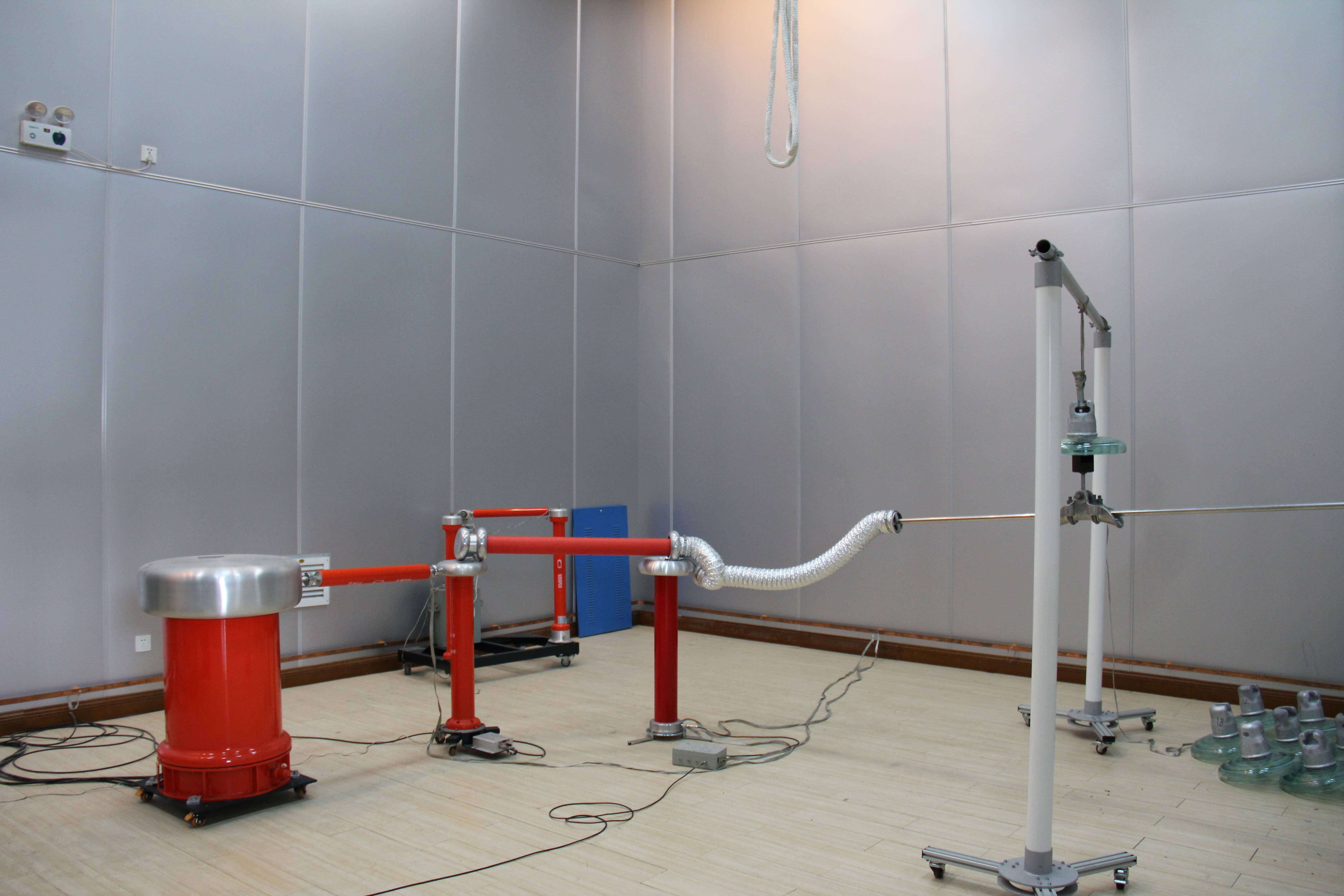
A bushing is a critical component in high-voltage electrical systems that serves as an insulating passage through a grounded conductive barrier. The primary function of any bushing is to control electric field distribution around the point where a high-voltage conductor penetrates a grounded metal enclosure, such as a transformer tank or switchgear cabinet. Without proper field control through bushing design, electric field concentrations can reach dangerous levels, leading to insulation breakdown, equipment failure, and operational hazards. Understanding how a bushing manages this field distribution is essential for engineers selecting or maintaining high-voltage equipment.
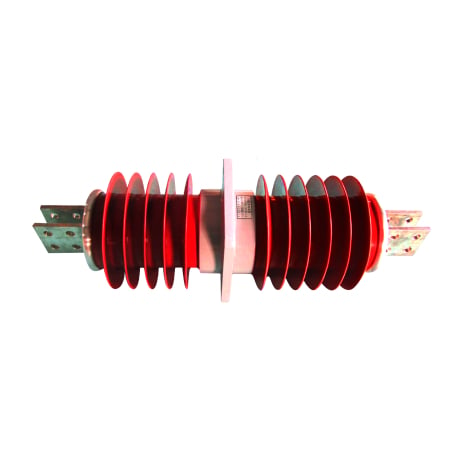
The electric field distribution challenge emerges because a conductor at high voltage creates a strong radial electric field that attempts to spread outward through any available path. When that conductor must pass through a grounded conductive barrier, the field tries to concentrate at the point of penetration, creating a region of extremely high field intensity. A properly engineered bushing redistributes this concentration across a larger surface area and through specially designed insulating materials, thereby reducing peak field strength and protecting the equipment and surrounding environment from electrical stress and breakdown.
Field Concentration and Why It Matters
The Core Problem of Voltage Penetration
In any high-voltage system, when a live conductor passes through a ground conductor, the electric field at that interface naturally wants to concentrate. A bushing solves this by providing a smooth, graduated insulation path. The field lines that would otherwise bunch up at a sharp boundary are instead guided through the bushing's radial geometry, spreading the stress over a much larger area. This field redistribution is the mechanical and electrical essence of bushing function. Without a bushing designed to control this field, the uncontrolled concentration would quickly exceed the dielectric strength of available materials, causing flashover or puncture.
How Conductor Voltage Creates Field Stress
The voltage difference between the conductor inside the bushing and the grounded metal shell creates an electric field that radiates outward. Inside the bushing, this field is largely contained and graded by the insulating structure. A bushing with poor field control allows sharp corners or gaps in the insulation to create 'field enhancement zones' where the local field strength far exceeds the average. Modern bushing design uses smooth geometry and layered insulation to ensure that no single point experiences a field concentration greater than the material can sustain, thereby maintaining system reliability.
Bushing Design Features That Control Field Distribution
Radial Geometry and Stress Cone Design
The fundamental design tool for controlling electric field distribution in a bushing is the radial stress cone, often called the stress grading structure. This conical or cylindrical geometry inside the bushing ensures that the electric field strength decreases smoothly as you move away from the central conductor. A well-designed bushing maintains a relatively uniform field across its insulating thickness, preventing hotspots. The shape and dimensions of this stress cone are calculated using finite element analysis to ensure that the field distribution remains below the breakdown threshold of the chosen insulation material throughout the entire rated voltage range.
Capacitive Grading and Conductive Coatings
Many modern bushings employ capacitive grading, which uses layers of insulation with different permittivity values or thin conductive coatings to control electric field distribution. These coatings create equipotential surfaces that guide the electric field in a predetermined pattern, preventing any region from experiencing excessive field concentration. By adjusting the resistivity and thickness of grading layers, engineers can shape the field distribution to match the dielectric strength profile of the insulation, ensuring that stress is balanced rather than concentrated at any weak point in the bushing structure.
Material Selection and Insulation System
The choice of insulation material directly influences how well a bushing can control electric field distribution. Paper-impregnated oil, composite materials, and solid epoxy systems all have different dielectric properties and field-handling capabilities. A bushing designed with the right material combination ensures that the electric field distribution aligns with the material's ability to withstand stress. For instance, a porcelain bushing uses the ceramic's high dielectric strength and its geometry to spread the field evenly, while a composite bushing can use engineered resin systems to achieve similar field control with reduced weight and improved handling.
Performance Implications and System Safety
Preventing Breakdown and Extending Equipment Life
Effective control of electric field distribution through proper bushing design directly translates to longer equipment life and higher operational reliability. When field concentration is minimized, the insulation experiences uniform aging and stress, allowing the bushing to perform reliably for decades. Conversely, poor field control leads to localized heating, accelerated insulation degradation, and unpredictable failure. Field distribution quality is measured by analyzing how evenly the voltage is distributed across the bushing's thickness; uniform distribution is always the target because it ensures that all insulating material is used efficiently and no region is overstressed.
Safety and Environmental Compliance
A bushing that properly controls electric field distribution reduces the risk of electrical discharge, fire, or explosive failure. In industrial settings, particularly where flammable gases or liquids may be present, a bushing with poor field control could trigger a catastrophic event. Modern bushing standards and testing protocols specifically require verification of field distribution uniformity. Engineers conducting insulation design reviews and maintenance programs rely on understanding how well a bushing controls the electric field distribution to assess whether the equipment meets current safety codes and can continue operating without unacceptable risk.
Partial Discharge Activity and Monitoring
Electric field distribution quality is directly linked to partial discharge (PD) activity within the bushing. A bushing with good field control maintains lower PD levels because there are fewer regions of extreme field concentration where ionization can occur. Monitoring PD activity in a bushing provides real-world feedback on whether the field distribution is remaining controlled throughout the equipment's life. As insulation ages or water ingress occurs, the field distribution can degrade; condition-based maintenance that tracks partial discharge trends helps operators detect when a bushing's field control has deteriorated and replacement is needed before failure occurs.
FAQ
Why does a bushing need to control electric field distribution?
A bushing controls electric field distribution because the point where a high-voltage conductor penetrates a grounded barrier naturally creates a concentration of electric field stress. Without a bushing designed to redistribute this field over a larger area through proper geometry and insulation layering, the field strength at that boundary would exceed the dielectric breakdown strength of available materials, causing sudden failure. Proper field control ensures that the bushing can safely carry rated voltage without excessive aging or risk of flashover.
What design features are most important for field distribution control in a bushing?
The most critical design features for controlling electric field distribution in a bushing are the radial stress cone geometry, capacitive or resistive grading layers, and the dielectric properties of the insulation material. These elements work together to shape the electric field so that it decreases smoothly from the central conductor to the outer ground, preventing hotspots. Finite element analysis during design ensures that the field distribution matches the stress-handling capability of the chosen insulation system across the entire operating voltage range.
How can an operator verify that a bushing is controlling field distribution properly?
An operator can verify that a bushing is controlling electric field distribution properly by monitoring partial discharge levels, conducting periodic insulation resistance tests, and observing the condition of the bushing during thermographic inspections. Low and stable partial discharge activity indicates good field control, while rising PD trends suggest that field distribution may be degrading due to aging or moisture ingress. A bushing that maintains low temperature rise and consistent electrical properties over time is effectively controlling the field distribution as designed.