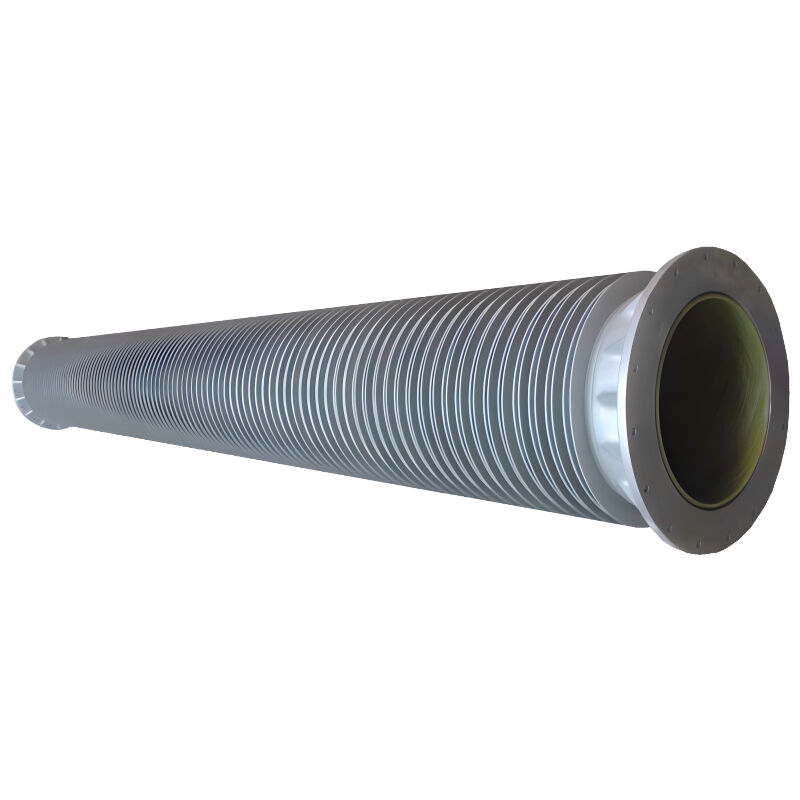
Step Down Transformer Solutions: Efficient Voltage Reduction Technology for Industrial and Commercial Applications

Get a Free Quote

Our representative will contact you soon.
Email
Name
Company Name
Message
0/1000

a step down transformer

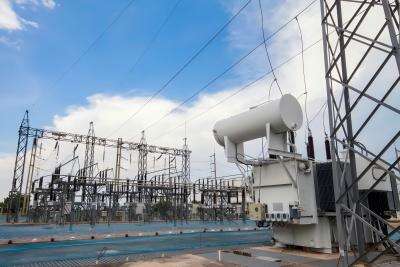
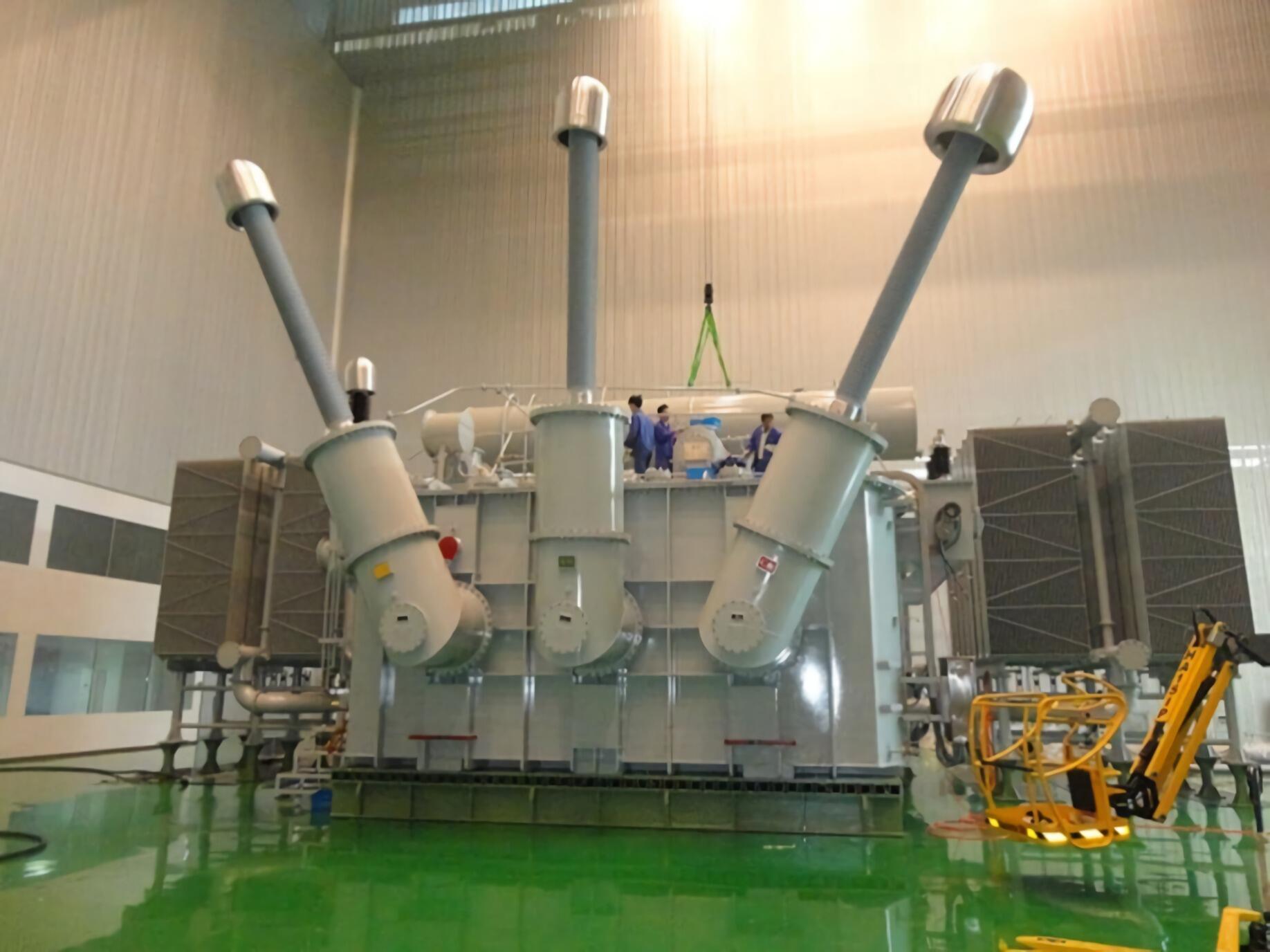
A step down transformer is an essential electrical device that reduces voltage levels from high to low values while maintaining power efficiency and safety standards. This electromagnetic device operates on the fundamental principle of mutual induction, where alternating current flowing through the primary winding creates a magnetic field that induces voltage in the secondary winding. The primary characteristic that defines a step down transformer is having fewer turns in the secondary winding compared to the primary winding, resulting in proportionally lower output voltage. These transformers play a crucial role in power distribution systems, converting high transmission voltages to safer, usable levels for residential, commercial, and industrial applications. The core construction typically utilizes high-grade silicon steel laminations that minimize energy losses and maximize magnetic flux transfer efficiency. Modern step down transformer designs incorporate advanced insulation materials, temperature monitoring systems, and protection mechanisms to ensure reliable long-term operation. The voltage reduction ratio depends on the turns ratio between primary and secondary windings, allowing precise control over output voltage levels. These devices can handle various load types, from resistive heating elements to complex electronic equipment, making them versatile solutions for diverse electrical requirements. Safety features include proper grounding systems, overcurrent protection, and thermal shutoff mechanisms that prevent damage during fault conditions. Installation flexibility allows both indoor and outdoor mounting configurations, with weatherproof enclosures available for harsh environmental conditions. The transformer's ability to provide electrical isolation between input and output circuits enhances system safety by preventing direct electrical connection between different voltage levels. Regular maintenance requirements are minimal, typically involving periodic inspections of connections, insulation integrity, and cooling systems to ensure optimal performance throughout the operational lifespan.

New Products

A step down transformer offers numerous practical benefits that make it an indispensable component in modern electrical systems. The primary advantage lies in its ability to reduce dangerous high voltages to safe, manageable levels that protect both equipment and personnel from electrical hazards. This voltage reduction capability enables the efficient distribution of electrical power from generation facilities to end-user locations without compromising safety standards. Energy efficiency represents another significant benefit, as quality step down transformers achieve efficiency ratings exceeding 95 percent, minimizing power losses during voltage conversion processes. This high efficiency translates directly into reduced operating costs and lower environmental impact through decreased energy consumption. The electromagnetic isolation provided by a step down transformer prevents electrical faults in one circuit from affecting connected circuits, enhancing overall system reliability and protecting expensive equipment from damage. Flexibility in application allows these transformers to serve various industries, from residential housing developments to large-scale manufacturing facilities, adapting to diverse voltage requirements and load characteristics. Cost-effectiveness emerges from the transformer's long operational lifespan, often exceeding 25 years with proper maintenance, providing excellent return on investment compared to alternative voltage regulation methods. Installation simplicity reduces project complexity and labor costs, as step down transformers require minimal supporting infrastructure and can integrate seamlessly with existing electrical systems. The ability to handle fluctuating loads without performance degradation ensures consistent power quality even during peak demand periods or varying operational conditions. Maintenance requirements remain low throughout the operational lifetime, requiring only periodic inspections and basic upkeep procedures that minimize ongoing operational expenses. Regulatory compliance becomes straightforward as step down transformers meet international safety standards and electrical codes, simplifying approval processes for new installations. Scalability allows for easy system expansion by adding multiple transformers or upgrading to higher capacity units as power requirements grow. Environmental sustainability benefits include the absence of moving parts that reduce mechanical wear and the potential for recycling core materials at end-of-life, supporting green energy initiatives and corporate sustainability goals.

Tips And Tricks

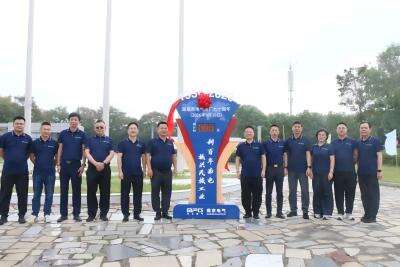
Nanjing Electric Holds Grand 89th Anniversary Celebration

26

Jan

Nanjing Electric Holds Grand 89th Anniversary Celebration

View More
Setting Sail for the World  From Export to Global Expansion, Baiyun Electric Accelerates Its Internationalization

26

Nov

Setting Sail for the World From Export to Global Expansion, Baiyun Electric Accelerates Its Internationalization

View More
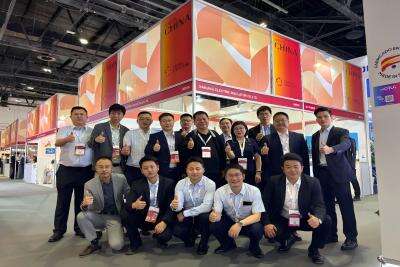
International Exhibition | Nanjing Electric Showcases at Middle East Energy 2025

26

Jan

International Exhibition | Nanjing Electric Showcases at Middle East Energy 2025

View More

Get a Free Quote

Our representative will contact you soon.
Email
Name
Company Name
Message
0/1000

a step down transformer

Advanced Voltage Regulation Technology

Advanced Voltage Regulation Technology

The sophisticated voltage regulation technology integrated into modern step down transformers represents a breakthrough in power management solutions that delivers unprecedented stability and precision. This advanced system utilizes automatic voltage regulation mechanisms that continuously monitor output voltage levels and make real-time adjustments to maintain consistent power delivery regardless of input voltage fluctuations or load variations. The technology incorporates intelligent tap-changing mechanisms that can respond within milliseconds to voltage deviations, ensuring that sensitive electronic equipment receives stable power supply conditions essential for optimal performance. These regulation systems feature multiple voltage taps that provide fine-tuned control over output voltage levels, allowing customization to meet specific application requirements with remarkable accuracy. The integrated monitoring systems collect comprehensive data on voltage levels, current flow, temperature conditions, and load characteristics, enabling predictive maintenance scheduling and early fault detection capabilities. Advanced protection algorithms built into the regulation system automatically disconnect the transformer during dangerous conditions such as overvoltage, overcurrent, or excessive temperature rise, preventing equipment damage and ensuring personnel safety. The technology includes harmonic filtering capabilities that eliminate voltage distortions caused by non-linear loads, delivering clean power that extends the lifespan of connected equipment and improves overall system efficiency. Remote monitoring capabilities allow operators to track transformer performance from central control centers, enabling rapid response to potential issues and optimizing maintenance schedules based on actual operating conditions rather than predetermined timelines. The regulation system's adaptive learning algorithms continuously optimize performance based on load patterns and environmental conditions, maximizing efficiency while minimizing energy losses throughout varying operational scenarios.
Superior Energy Efficiency Performance

Superior Energy Efficiency Performance

The exceptional energy efficiency performance of step down transformers delivers substantial economic and environmental benefits that significantly impact operational costs and sustainability objectives. These transformers achieve industry-leading efficiency ratings through innovative core design techniques that utilize premium grain-oriented silicon steel laminations, reducing eddy current losses and hysteresis losses to absolute minimum levels. The optimized winding configuration employs high-conductivity copper or aluminum conductors arranged in precisely calculated geometries that minimize resistance losses while maximizing magnetic coupling between primary and secondary circuits. Advanced cooling systems integrated into the transformer design maintain optimal operating temperatures that preserve efficiency levels even under heavy load conditions, utilizing natural convection, forced air cooling, or liquid cooling methods depending on power ratings and installation requirements. The efficiency improvements translate directly into reduced electricity consumption, lowering utility bills and decreasing carbon footprint associated with power generation and distribution activities. Heat dissipation management through intelligent thermal design prevents efficiency degradation over time, ensuring that performance levels remain consistent throughout the transformer's operational lifespan while reducing maintenance requirements and extending equipment life. Power factor optimization features built into modern step down transformers improve overall system efficiency by reducing reactive power consumption, which decreases transmission losses and reduces demand charges from utility providers. The transformer's ability to maintain high efficiency across varying load conditions from light loads to full capacity ensures optimal performance during all operational scenarios, eliminating the need for oversized equipment that wastes energy during partial load operation. Energy monitoring capabilities provide real-time feedback on efficiency performance, allowing operators to identify optimization opportunities and track energy savings achieved through transformer upgrades or system improvements.
Comprehensive Safety Protection Systems

Comprehensive Safety Protection Systems

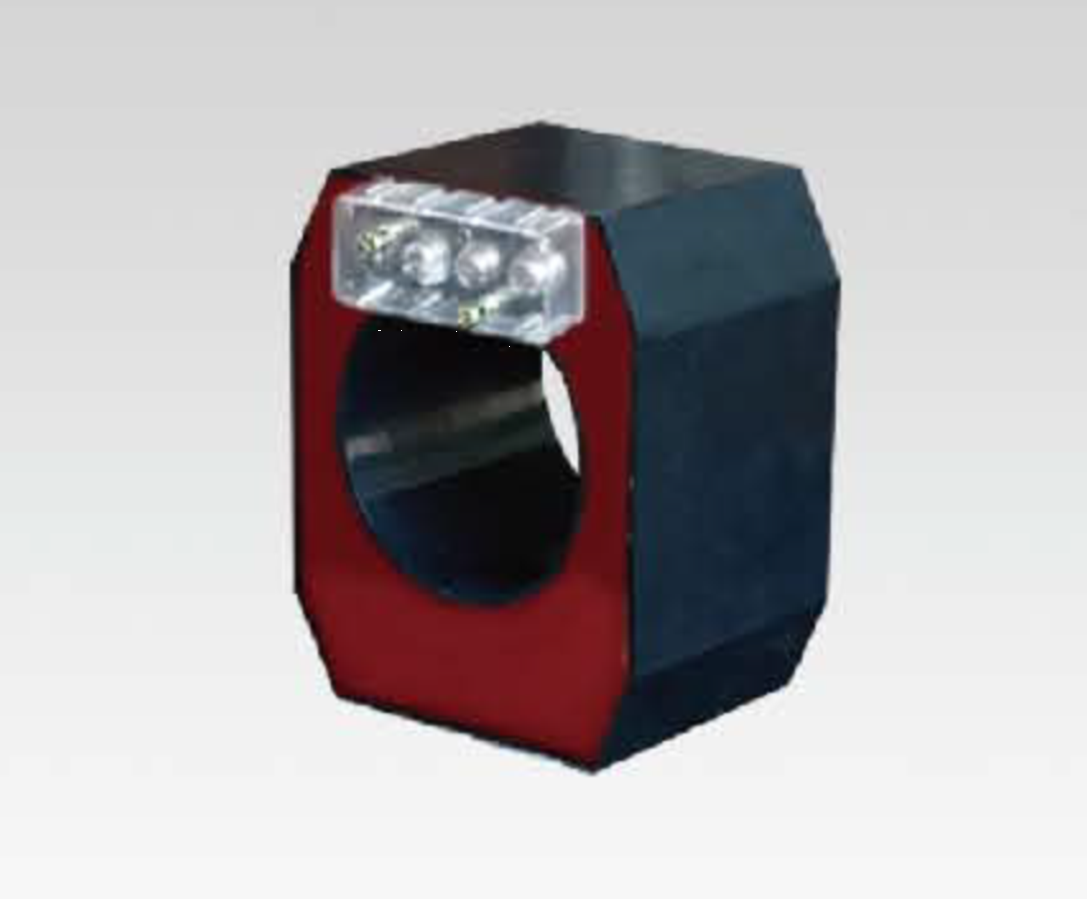
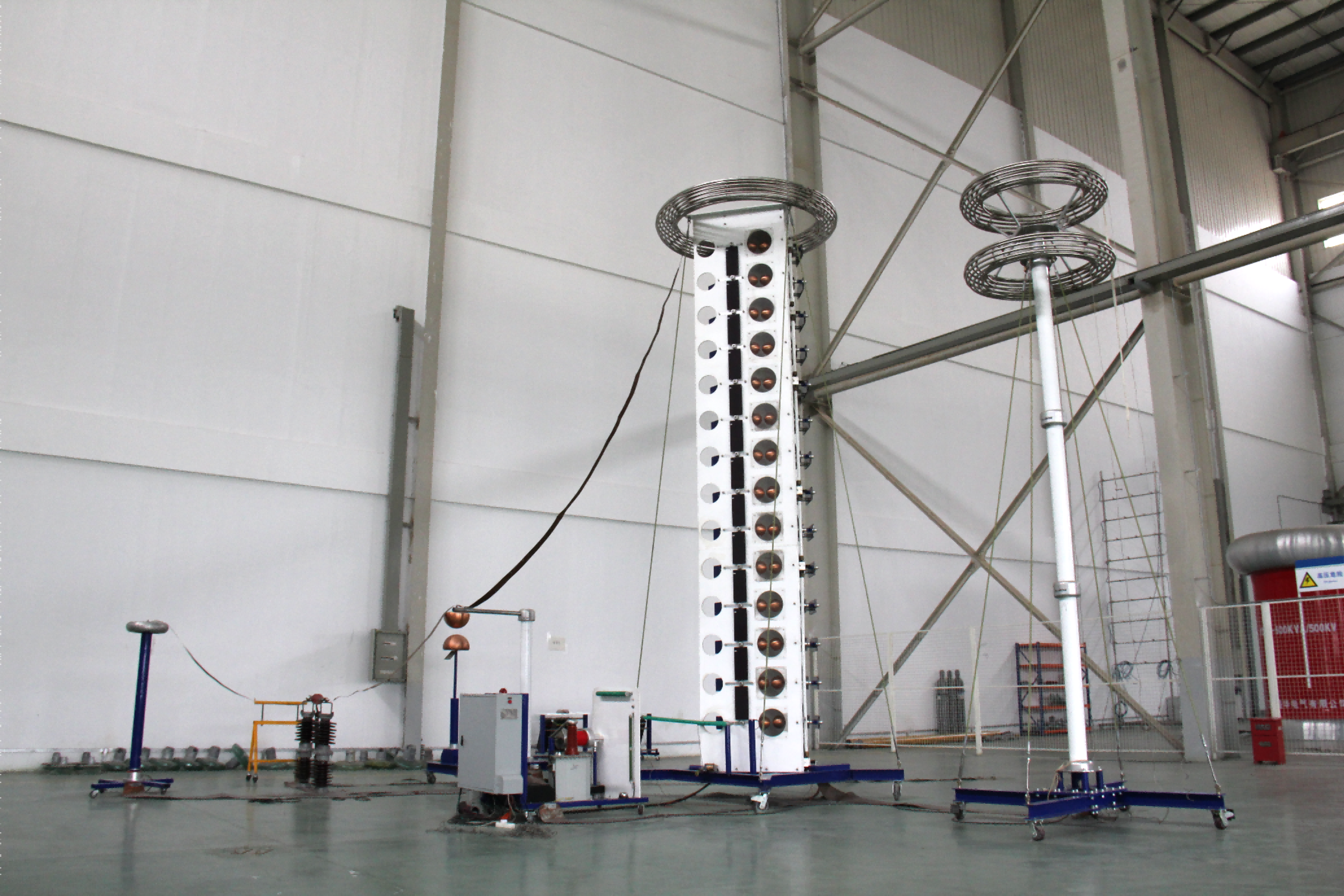
The comprehensive safety protection systems incorporated into step down transformers provide multiple layers of security that protect both personnel and equipment from electrical hazards while ensuring reliable operation under all conditions. These protection systems begin with robust insulation design that utilizes multiple insulation barriers between different voltage levels, preventing electrical breakdown even under extreme conditions such as lightning strikes or system faults. Ground fault protection circuits continuously monitor for current leakage to ground, immediately disconnecting power when dangerous conditions are detected to prevent electric shock hazards and equipment damage. Overcurrent protection devices including fuses, circuit breakers, and current transformers provide rapid disconnection during short circuit conditions, limiting fault current magnitude and preventing catastrophic damage to the transformer and connected equipment. Temperature monitoring systems utilize multiple sensors strategically placed throughout the transformer to detect overheating conditions before they reach dangerous levels, triggering alarms or automatic shutdown procedures to prevent fire hazards. Pressure relief systems in oil-filled transformers prevent tank rupture during internal fault conditions by providing controlled venting of gases generated during electrical arcs or overheating incidents. Lightning arresters and surge protection devices shield the transformer from voltage spikes caused by lightning strikes or switching operations, preventing insulation failure and extending equipment lifespan. Fire suppression systems designed specifically for electrical equipment provide rapid response to fire incidents while using suppressants that do not damage electrical components or create toxic fumes. Electrical isolation between input and output circuits eliminates direct conductive paths that could transfer dangerous voltages to load circuits, enhancing safety for maintenance personnel and end users. Regular safety testing protocols including insulation resistance measurements, power factor testing, and dissolved gas analysis ensure that protection systems remain effective throughout the transformer's operational lifetime, providing early warning of potential safety issues before they become critical problems.

Get a Free Quote

Our representative will contact you soon.
Email
Name
Company Name
Message
0/1000
Newsletter
Please Leave A Message With Us