Comprehensive Cost Analysis Methodology
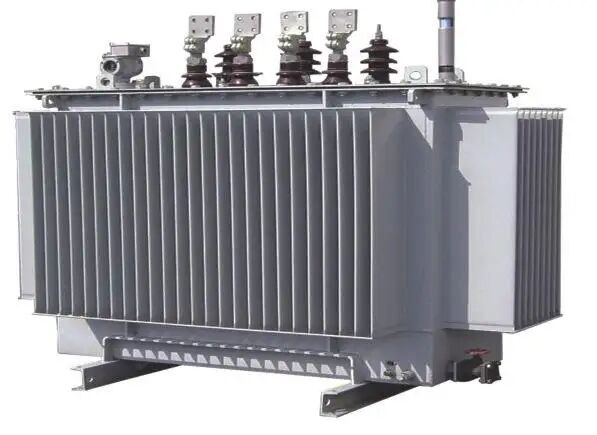
Effective transformer cost evaluation requires a systematic methodology that examines multiple financial dimensions beyond initial purchase price, ensuring stakeholders make informed decisions that optimize long-term value. This comprehensive approach begins with total cost of ownership calculations that integrate acquisition costs, installation expenses, operational energy consumption, maintenance requirements, and end-of-life disposal considerations. Professional cost analysis methodology incorporates load forecasting to determine appropriate transformer capacity, preventing oversizing that increases unnecessary costs or undersizing that creates reliability risks. Energy efficiency assessment forms a critical component, comparing annual energy losses across different transformer models to calculate cumulative savings over projected service life. Installation cost factors include site preparation requirements, transportation logistics, crane rental expenses, electrical connection materials, and specialized labor rates. Maintenance cost projections consider manufacturer recommendations, historical performance data, inspection frequencies, and replacement part availability. Risk assessment evaluates potential failure costs, including emergency replacement expenses, business interruption losses, and temporary power solutions. Environmental cost considerations encompass disposal fees, recycling opportunities, and regulatory compliance expenses. Financial modeling techniques such as net present value calculations, payback period analysis, and lifecycle cost comparisons provide objective frameworks for transformer cost decision-making. Market timing strategies help optimize transformer cost through bulk purchasing opportunities, seasonal pricing variations, and manufacturer incentive programs. Technology roadmap alignment ensures selected transformers remain compatible with evolving electrical standards and smart grid implementations. Professional consultation services can enhance cost analysis accuracy while identifying potential savings opportunities that internal teams might overlook. Documentation requirements for cost justification, regulatory approval, and insurance purposes add administrative dimensions to comprehensive analysis. Quality assurance protocols verify that cost-effective selections meet performance specifications and safety standards. This methodical approach to transformer cost evaluation prevents costly mistakes while maximizing infrastructure investment returns.
 ×
×



 EN
EN