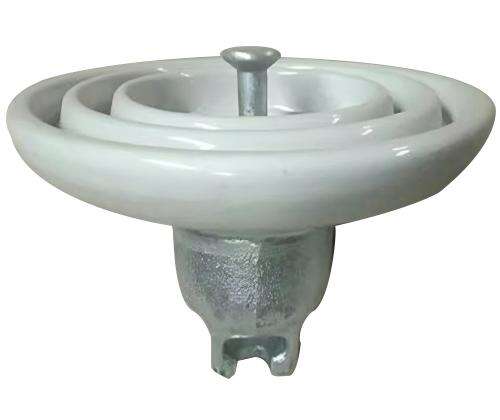
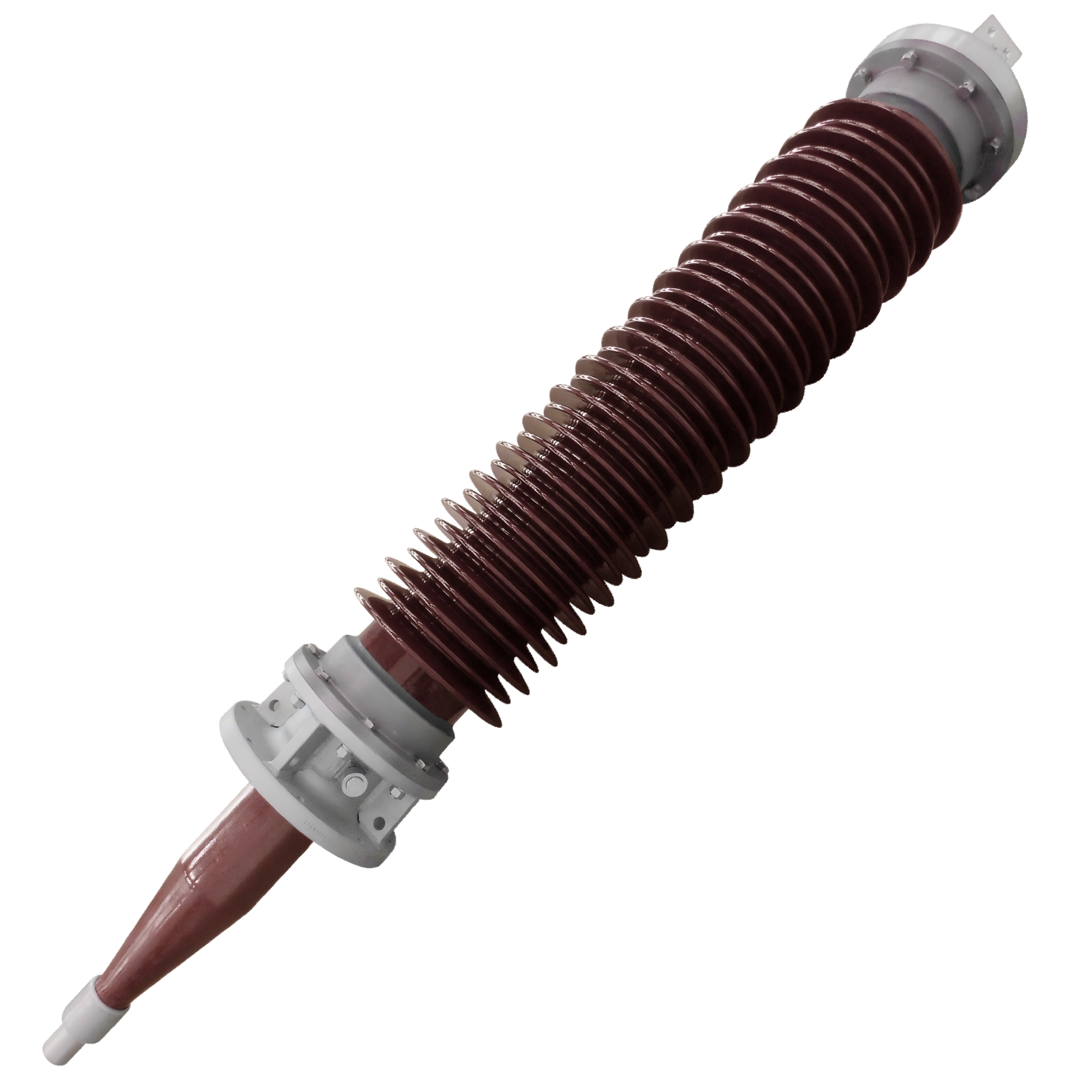
industrial insulator
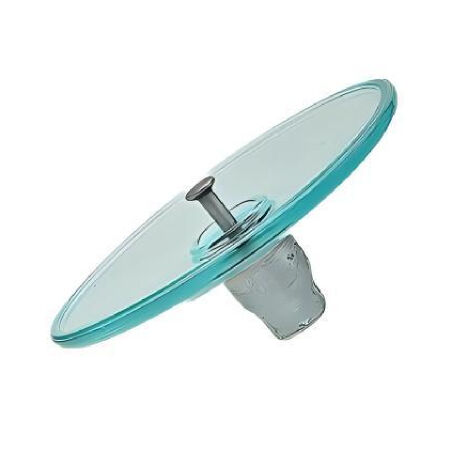
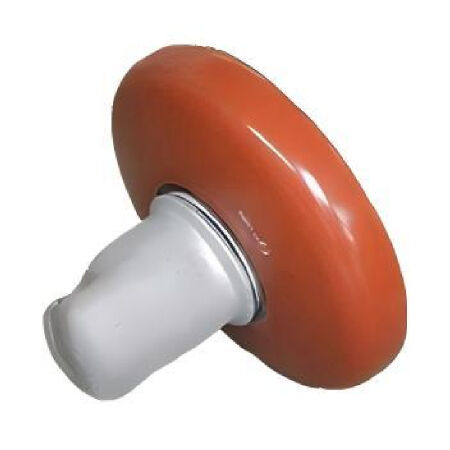
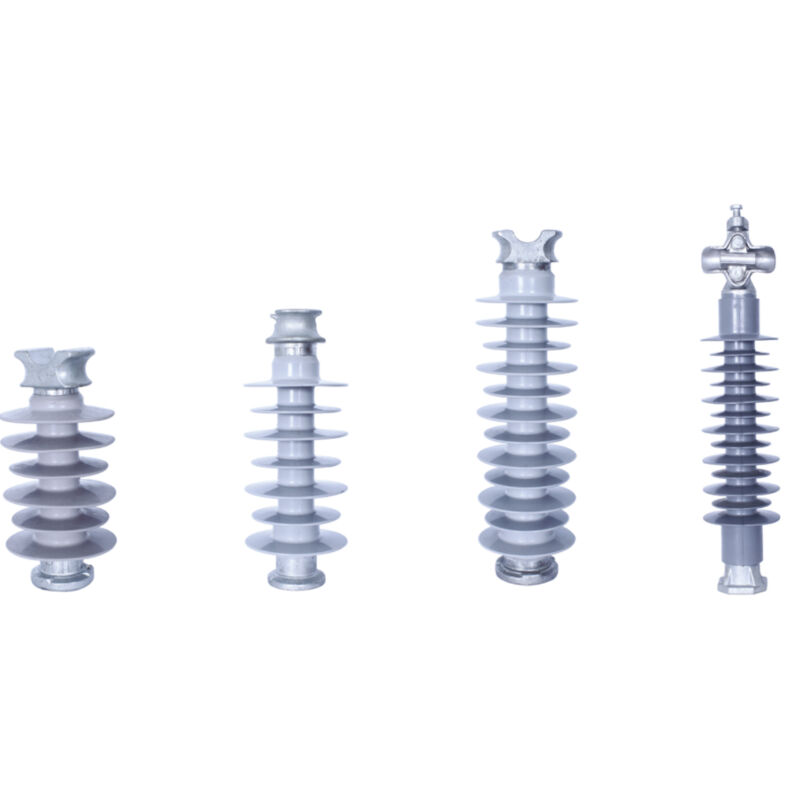
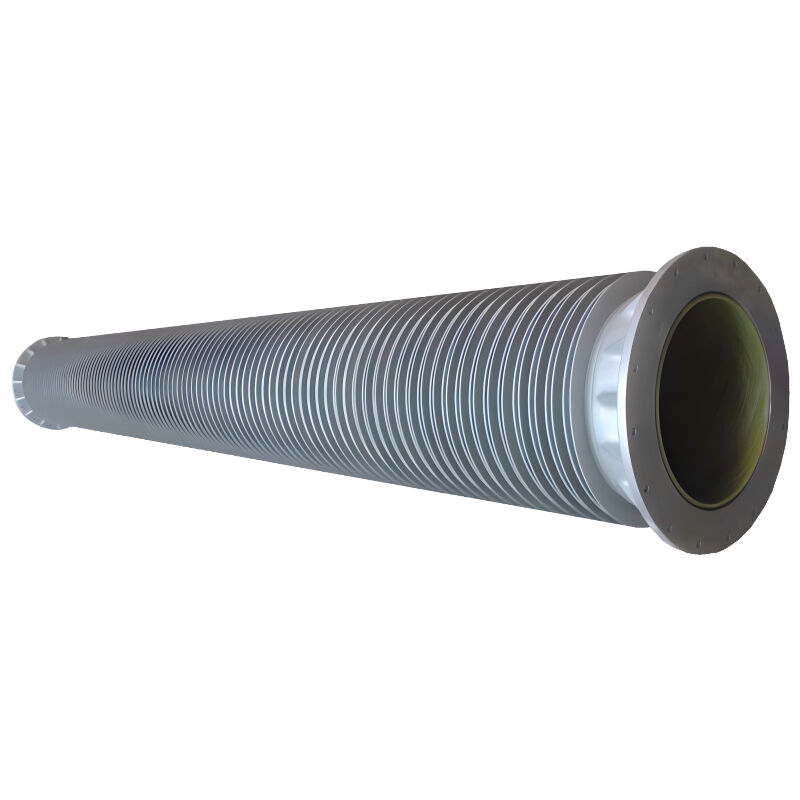
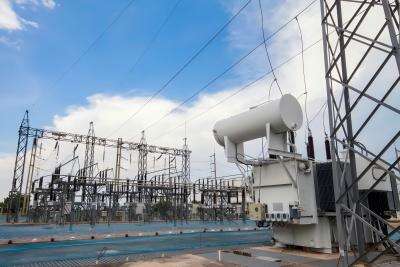
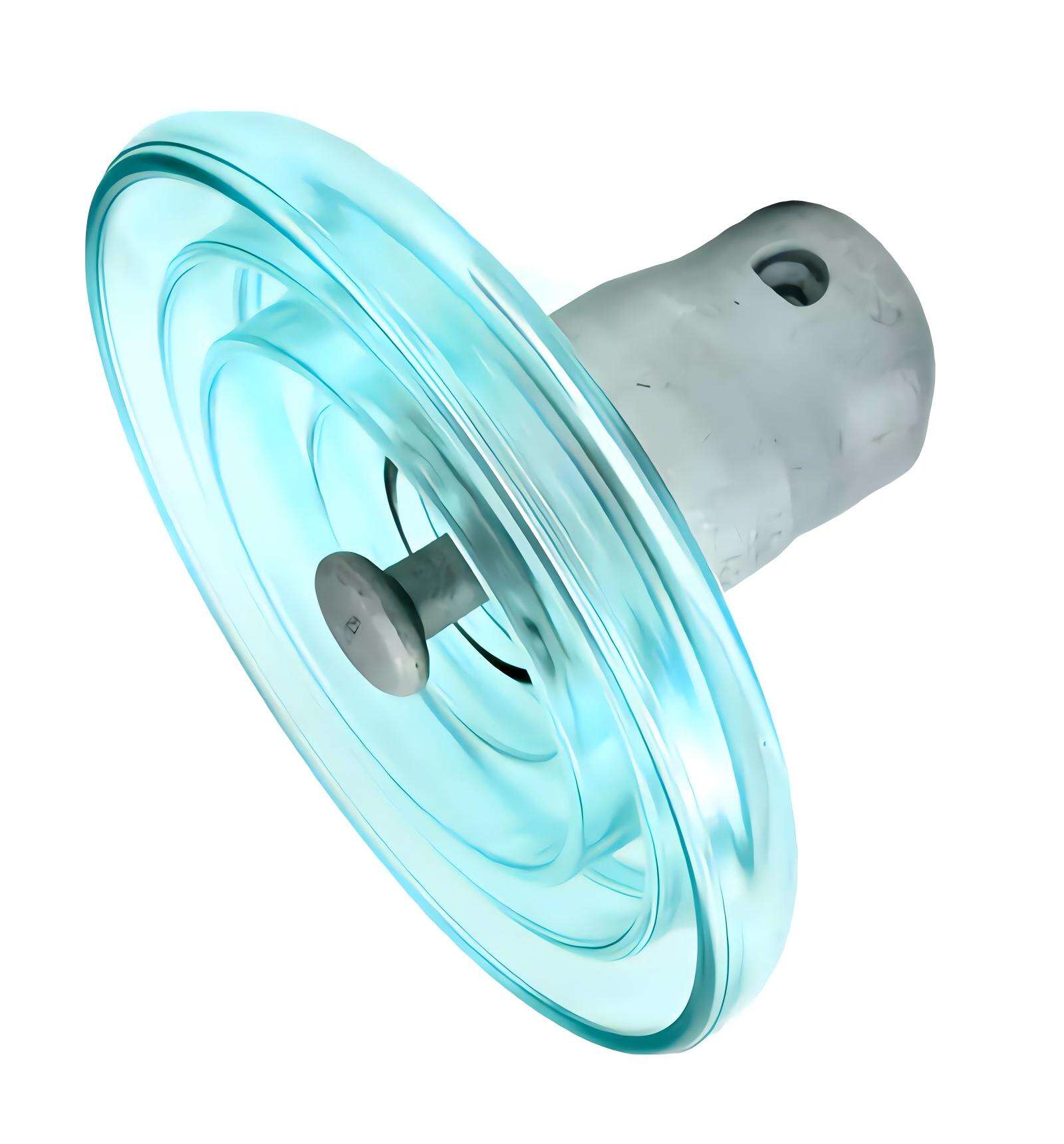
Industrial insulators serve as critical components in electrical power systems, designed to prevent unwanted electrical current flow while maintaining structural support for power lines and equipment. These specialized devices create barriers between conductive materials and grounded surfaces, ensuring safe and efficient electricity transmission across vast networks. The primary function of an industrial insulator centers on electrical isolation, preventing dangerous arcs and maintaining system integrity under various environmental conditions. Modern industrial insulator designs incorporate advanced materials like porcelain, glass, and polymer compounds that deliver exceptional dielectric strength while withstanding mechanical stress. The technological features of contemporary industrial insulators include weather-resistant coatings, self-cleaning surfaces, and enhanced tracking resistance that prevents surface contamination from compromising performance. These components must endure extreme temperatures, humidity fluctuations, UV radiation, and pollution exposure while maintaining consistent electrical properties. Industrial insulator applications span multiple sectors including power generation facilities, transmission networks, distribution systems, and industrial manufacturing plants. They protect equipment in substations, support overhead power lines, and isolate high-voltage components in switchgear assemblies. The construction industry relies on industrial insulators for crane operations near power lines, while mining operations use specialized variants for harsh underground environments. Transportation systems incorporate these devices in electrified railways and electric vehicle charging infrastructure. Manufacturing facilities depend on industrial insulators to protect sensitive equipment from electrical interference and ensure worker safety around high-voltage machinery. The aerospace sector utilizes lightweight ceramic industrial insulators in satellite systems and aircraft electrical components. Renewable energy installations, including wind farms and solar arrays, require specialized industrial insulators that withstand dynamic loads and weather extremes while maintaining electrical isolation over decades of service life.
 ×
×

 EN
EN