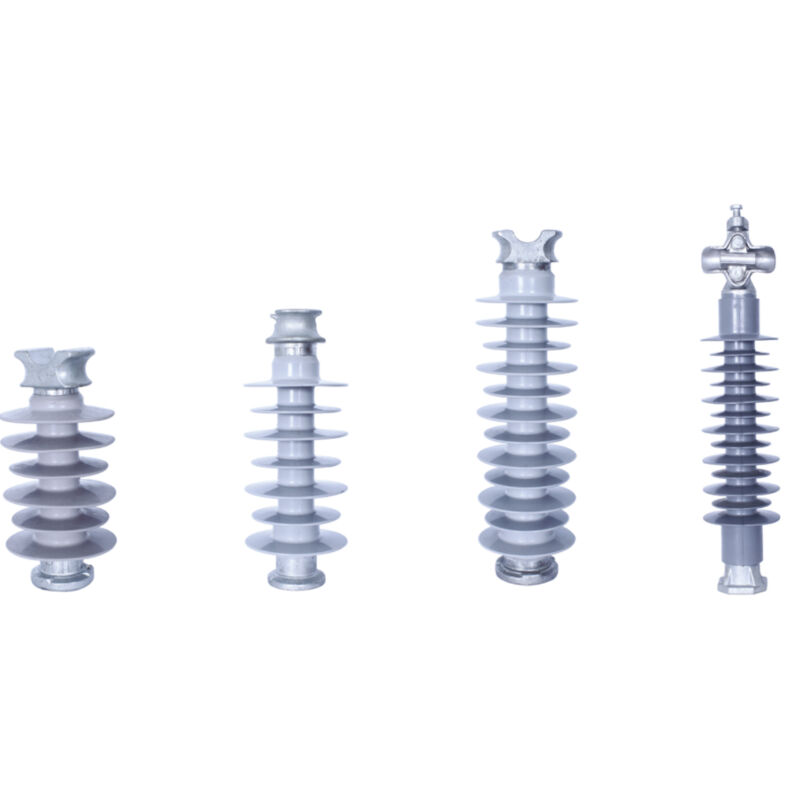
Premium Overhead Line Insulator Solutions - Enhanced Electrical Safety & Reliability

Get a Free Quote

Our representative will contact you soon.
Email
Name
Company Name
Message
0/1000

overhead line insulator

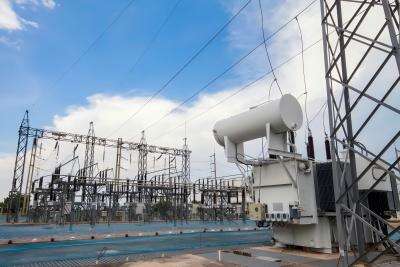
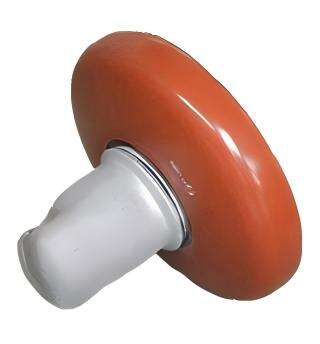
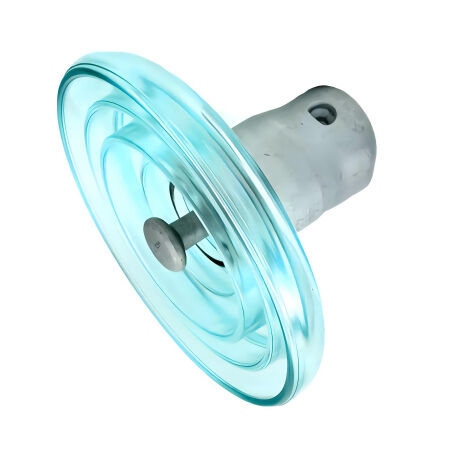
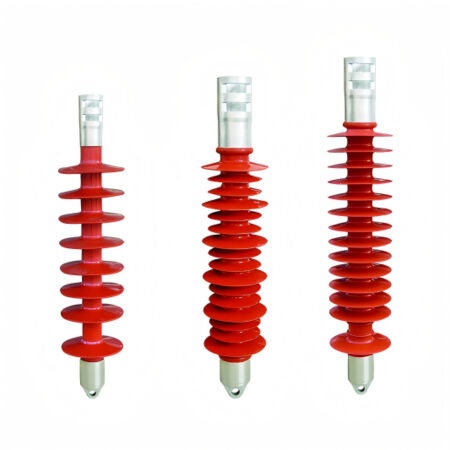
An overhead line insulator serves as a critical component in electrical power transmission systems, providing essential isolation between energized conductors and grounding structures. This specialized equipment prevents electrical current from flowing through supporting poles, towers, or other infrastructure elements while maintaining reliable power transmission across vast distances. The overhead line insulator performs multiple vital functions within electrical networks, including mechanical support for conductors, electrical isolation under various weather conditions, and protection against environmental factors such as pollution, moisture, and temperature fluctuations. Modern overhead line insulator designs incorporate advanced materials and engineering principles to withstand extreme operational stresses while delivering consistent performance throughout their extended service life. The technological features of contemporary overhead line insulator products include enhanced dielectric strength, superior mechanical durability, and optimized creepage distance design. These insulators utilize high-grade porcelain, tempered glass, or composite polymer materials that resist degradation from ultraviolet radiation, chemical exposure, and thermal cycling. Surface design innovations feature shed configurations that promote self-cleaning properties and minimize contamination buildup, ensuring optimal electrical performance even in challenging environmental conditions. The overhead line insulator construction incorporates precisely engineered stress distribution systems that handle both static loads from conductor weight and dynamic forces generated by wind, ice loading, and seismic activity. Quality control measures during manufacturing ensure dimensional accuracy, material consistency, and electrical characteristics that meet rigorous international standards. Applications for overhead line insulator technology span residential distribution networks, industrial power systems, and high-voltage transmission corridors. These versatile components support various conductor types, accommodate different voltage levels, and adapt to diverse geographical and climatic conditions while maintaining safety and reliability standards essential for modern electrical infrastructure operations.

New Product Releases

The overhead line insulator delivers exceptional performance benefits that directly impact system reliability and operational efficiency for utility companies and electrical contractors. These components provide superior electrical isolation properties that prevent dangerous fault conditions and protect both equipment and personnel from electrical hazards. The robust construction of modern overhead line insulator designs ensures extended service life, often exceeding thirty years under normal operating conditions, which significantly reduces replacement costs and maintenance scheduling requirements. Weather resistance represents another major advantage of quality overhead line insulator products, as they maintain consistent performance across temperature ranges from extreme cold to intense heat while resisting damage from rain, snow, ice storms, and high winds. The self-cleaning surface design of advanced overhead line insulator models reduces maintenance intervention needs by naturally shedding contamination through rainfall and wind action, minimizing service interruptions and lowering operational expenses. Installation flexibility allows overhead line insulator systems to accommodate various mounting configurations, conductor sizes, and voltage requirements, enabling contractors to standardize inventory while serving diverse project specifications. Cost-effectiveness emerges through reduced maintenance requirements, extended replacement intervals, and improved system reliability that minimizes expensive power outages and emergency repairs. The overhead line insulator design incorporates safety features that protect maintenance personnel during routine inspections and cleaning operations, reducing liability concerns and improving workplace safety records. Environmental compatibility ensures that overhead line insulator materials resist degradation from industrial pollution, salt spray in coastal areas, and chemical exposure from agricultural activities. Mechanical strength characteristics enable these insulators to support heavy conductor loads while withstanding dynamic stresses from wind loading, conductor galloping, and seismic events without compromising electrical performance. Quality manufacturing processes guarantee consistent dimensional accuracy and electrical properties, allowing system designers to predict performance characteristics and optimize installation procedures. The overhead line insulator technology provides reliable operation across diverse geographic regions and climatic conditions, making it suitable for global deployment in both developed and developing electrical infrastructure markets.

Latest News

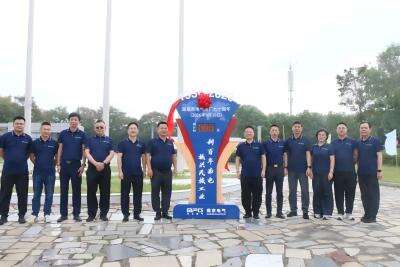
Nanjing Electric Holds Grand 89th Anniversary Celebration

26

Jan

Nanjing Electric Holds Grand 89th Anniversary Celebration

View More
Setting Sail for the World  From Export to Global Expansion, Baiyun Electric Accelerates Its Internationalization

26

Nov

Setting Sail for the World From Export to Global Expansion, Baiyun Electric Accelerates Its Internationalization

View More
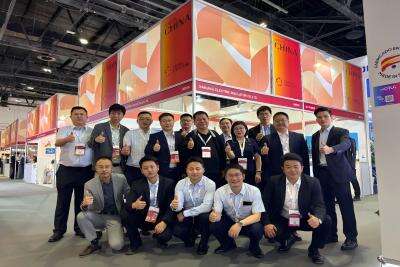
International Exhibition | Nanjing Electric Showcases at Middle East Energy 2025

26

Jan

International Exhibition | Nanjing Electric Showcases at Middle East Energy 2025

View More

Get a Free Quote

Our representative will contact you soon.
Email
Name
Company Name
Message
0/1000

overhead line insulator

Advanced Material Technology for Maximum Durability

Advanced Material Technology for Maximum Durability

The overhead line insulator incorporates cutting-edge material science to deliver unparalleled durability and performance in demanding electrical environments. High-grade porcelain formulations used in premium overhead line insulator manufacturing undergo precise temperature-controlled firing processes that create dense, non-porous ceramic structures with exceptional mechanical strength and electrical properties. These materials resist thermal shock, chemical attack, and mechanical stress while maintaining stable electrical characteristics throughout decades of service. Composite polymer overhead line insulator designs utilize specially formulated elastomeric materials that provide superior flexibility and impact resistance compared to traditional ceramic options. The polymer housing protects the internal fiberglass core while weatherproof shed designs prevent moisture penetration and contamination accumulation. Advanced UV stabilizers incorporated into the polymer matrix prevent degradation from solar radiation exposure, ensuring color stability and material integrity over extended outdoor exposure periods. Tempered glass overhead line insulator options combine the electrical performance of ceramic materials with enhanced mechanical properties that provide visible failure indication for improved maintenance scheduling and safety management. The manufacturing process involves controlled cooling cycles that create internal stress patterns, resulting in predictable failure modes that facilitate early detection and replacement planning. Surface treatment technologies applied to overhead line insulator exteriors include specialized coatings that enhance hydrophobic properties, reduce contamination adhesion, and improve electrical performance under polluted conditions. These treatments maintain effectiveness for years without requiring reapplication, reducing maintenance costs and improving system reliability. Quality control procedures verify material composition, structural integrity, and electrical performance through rigorous testing protocols that simulate decades of service conditions in accelerated timeframes. Each overhead line insulator undergoes individual inspection and testing to ensure conformance with international standards and customer specifications before shipment.
Optimized Design for Superior Electrical Performance

Optimized Design for Superior Electrical Performance

The overhead line insulator features scientifically engineered design elements that maximize electrical performance while minimizing maintenance requirements and operational costs. Shed configuration optimization represents a critical aspect of modern overhead line insulator design, with precisely calculated spacing, angles, and profiles that create extended creepage paths for enhanced flashover protection under contaminated conditions. Computer modeling and field testing validate these designs across various pollution levels and weather conditions to ensure reliable performance in diverse installation environments. The overhead line insulator incorporates graduated shed diameters that promote natural cleaning action through wind and precipitation while preventing contamination bridging between shed elements. Internal stress distribution systems within the overhead line insulator structure utilize advanced engineering principles to manage mechanical loads efficiently while maintaining electrical integrity. Finite element analysis during design development ensures optimal stress patterns that prevent premature failure and extend service life beyond traditional expectations. Hardware attachment systems integrate seamlessly with the overhead line insulator body through precision-machined interfaces that eliminate stress concentration points and provide secure mechanical connections. Corona mitigation features built into the overhead line insulator design include rounded edges, optimized electrode shapes, and controlled surface finishes that minimize partial discharge activity and associated degradation mechanisms. These design elements reduce radio frequency interference generation while preventing long-term deterioration of insulator materials. The overhead line insulator profile incorporates wind-resistant characteristics that minimize galloping conductor movements and reduce dynamic loading on support structures. Aerodynamic testing validates these features to ensure stable performance under various wind conditions and conductor configurations. Electrical field distribution modeling optimizes the overhead line insulator geometry to prevent field concentration that could lead to premature aging or failure under operating voltage stress. These design improvements result in improved reliability, reduced maintenance requirements, and extended service intervals that benefit both utility operators and end customers through improved power quality and reduced service interruptions.
Versatile Installation and Maintenance Benefits

Versatile Installation and Maintenance Benefits

The overhead line insulator provides exceptional installation flexibility and maintenance advantages that streamline project execution while reducing long-term operational costs for utility companies and electrical contractors. Standardized mounting interfaces enable the overhead line insulator to integrate with various support structure types, including wood poles, concrete posts, steel towers, and composite crossarms, eliminating the need for custom hardware and reducing inventory requirements. Universal attachment systems accommodate different conductor sizes and types while maintaining optimal electrical clearances and mechanical support characteristics. The overhead line insulator design facilitates rapid installation through ergonomic handling features and intuitive mounting procedures that reduce labor time and improve worker safety during construction activities. Pre-assembled hardware packages eliminate field assembly requirements while ensuring proper torque specifications and connection integrity. Live-line maintenance capabilities allow qualified personnel to service overhead line insulator installations without system de-energization, minimizing service interruptions and reducing revenue loss for utility operators. Specialized tools and procedures developed specifically for overhead line insulator maintenance enable efficient inspection, cleaning, and replacement operations under energized conditions. Visual inspection features incorporated into the overhead line insulator design include clearly visible condition indicators that facilitate routine maintenance planning and emergency response procedures. Color-coded components and standardized marking systems help maintenance personnel quickly identify insulator specifications, installation dates, and service history information. The overhead line insulator construction includes replaceable components that enable partial refurbishment without complete unit replacement, extending service life and reducing replacement costs. Modular design principles allow for selective component replacement based on actual wear patterns and service conditions. Environmental adaptability ensures that the overhead line insulator performs reliably across diverse geographic and climatic conditions without requiring specialized installation procedures or additional protective measures. This versatility simplifies project planning and reduces material costs for multi-region installations. Training requirements for overhead line insulator installation and maintenance remain minimal due to standardized procedures and comprehensive documentation packages that support both experienced professionals and new technicians entering the electrical utility industry.

Get a Free Quote

Our representative will contact you soon.
Email
Name
Company Name
Message
0/1000
Newsletter
Please Leave A Message With Us