Long Rod Insulator: Superior Electrical Isolation Solutions for Modern Power Systems

Get a Free Quote

Our representative will contact you soon.
Email
Name
Company Name
Message
0/1000

long rod insulator

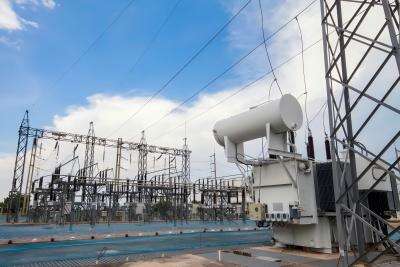
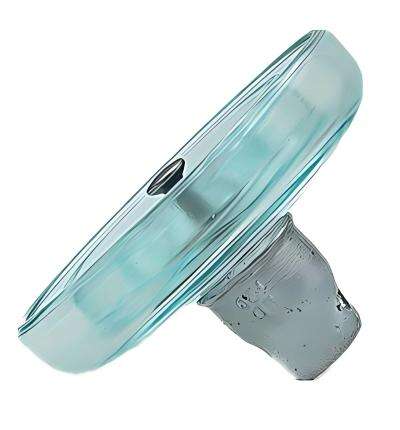
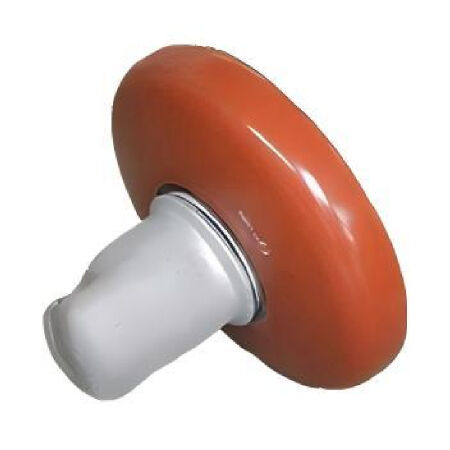
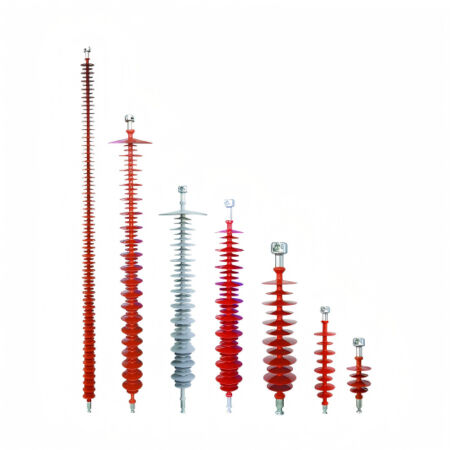
The long rod insulator represents a critical component in modern electrical transmission and distribution systems, serving as an essential protective element that maintains electrical isolation between conductors and supporting structures. This specialized insulator features an elongated cylindrical design that provides superior electrical performance compared to traditional disc-type insulators. The long rod insulator consists of a solid core material, typically fiberglass reinforced plastic (FRP), surrounded by weatherproof housing made from high-quality polymer materials such as silicone rubber or ethylene propylene diene monomer (EPDM). The main function of a long rod insulator centers on preventing electrical current from flowing between live conductors and grounded tower structures or poles. This isolation capability protects both equipment and personnel while ensuring reliable power transmission. The insulator achieves this through its unique construction that combines excellent dielectric strength with robust mechanical properties. The technological features of long rod insulators include superior contamination resistance, enhanced tracking resistance, and improved hydrophobic characteristics. These insulators demonstrate exceptional performance in harsh environmental conditions, including coastal areas with salt spray, industrial zones with chemical pollution, and regions experiencing frequent precipitation. The streamlined profile of the long rod insulator reduces wind loading on transmission structures, which translates to lower mechanical stress and improved system reliability. Applications for long rod insulators span across various voltage levels, from medium voltage distribution networks operating at 15kV to extra high voltage transmission lines exceeding 800kV. Power utilities commonly deploy these insulators on overhead transmission lines, substations, and distribution systems where reliable electrical isolation remains paramount. The versatility of long rod insulators makes them suitable for both new construction projects and retrofit applications where existing ceramic or glass insulators require replacement due to performance limitations or maintenance concerns.

Popular Products

Long rod insulators deliver substantial advantages that make them the preferred choice for modern electrical infrastructure projects. These insulators provide superior contamination performance compared to conventional disc insulators, significantly reducing maintenance requirements and operational costs. The smooth polymer surface of a long rod insulator naturally sheds dirt, dust, and other contaminants, maintaining consistent electrical performance even in challenging environmental conditions. This self-cleaning characteristic eliminates the need for frequent washing cycles that traditional ceramic insulators require, resulting in considerable labor cost savings and reduced system downtime. The lightweight design of long rod insulators offers significant installation benefits, requiring less heavy equipment and reducing construction timelines. Installation crews can handle these insulators more easily, improving workplace safety while decreasing project costs. The reduced weight also minimizes structural loading on transmission towers and poles, potentially allowing for lighter support structures or increased conductor capacity on existing infrastructure. Long rod insulators demonstrate exceptional reliability through their resistance to mechanical damage and electrical tracking. The polymer housing provides excellent impact resistance, reducing the risk of insulator failure due to vandalism, wildlife contact, or severe weather events. This durability translates to fewer emergency repairs and extended service life, providing excellent return on investment for utility companies. The hydrophobic properties of long rod insulators represent another significant advantage, particularly in regions with high humidity or frequent precipitation. The surface repels water effectively, preventing the formation of continuous water films that could create flashover paths. This characteristic maintains insulation performance during wet conditions when traditional ceramic insulators might experience reduced effectiveness. Manufacturing consistency ensures reliable performance across entire installations, with each long rod insulator meeting strict quality standards. The standardized production process eliminates the variability often found in ceramic insulator manufacturing, providing predictable electrical and mechanical characteristics. This consistency simplifies system design calculations and reduces the risk of premature failures due to manufacturing defects. Environmental sustainability represents an increasingly important advantage, as polymer materials used in long rod insulators can be recycled at end of service life, supporting utility sustainability initiatives while reducing waste disposal costs.

Practical Tips

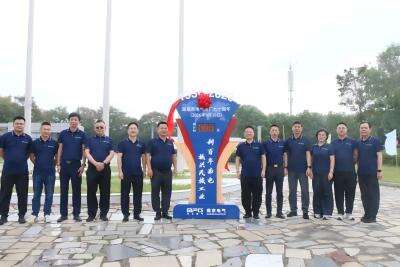
Nanjing Electric Holds Grand 89th Anniversary Celebration

26

Jan

Nanjing Electric Holds Grand 89th Anniversary Celebration

View More
Setting Sail for the World  From Export to Global Expansion, Baiyun Electric Accelerates Its Internationalization

26

Nov

Setting Sail for the World From Export to Global Expansion, Baiyun Electric Accelerates Its Internationalization

View More
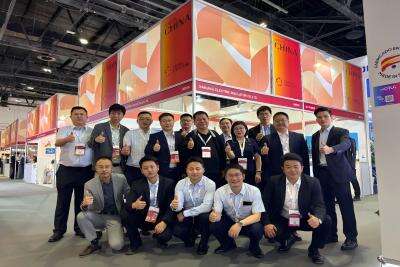
International Exhibition | Nanjing Electric Showcases at Middle East Energy 2025

26

Jan

International Exhibition | Nanjing Electric Showcases at Middle East Energy 2025

View More

Get a Free Quote

Our representative will contact you soon.
Email
Name
Company Name
Message
0/1000

long rod insulator

Superior Contamination Resistance and Self-Cleaning Properties

Superior Contamination Resistance and Self-Cleaning Properties

The long rod insulator showcases exceptional contamination resistance that fundamentally transforms maintenance practices for electrical utilities worldwide. This remarkable characteristic stems from the advanced polymer materials used in manufacturing, which create a naturally hydrophobic surface that actively repels moisture, dust, salt deposits, and industrial pollutants. Unlike traditional ceramic or glass insulators that accumulate contamination in their multiple sheds and grooves, the streamlined design of a long rod insulator minimizes surface area where contaminants can accumulate. The smooth polymer exterior prevents the buildup of conductive deposits that typically cause electrical tracking and eventual insulator failure. This self-cleaning capability operates through natural weather processes, where wind and rain effectively remove surface contaminants without requiring manual intervention. The practical implications of this contamination resistance extend far beyond simple maintenance reduction, directly impacting operational reliability and cost efficiency. Utilities operating in coastal environments benefit tremendously from the salt fog resistance of long rod insulators, as the polymer surface prevents salt crystallization that commonly causes flashovers in ceramic alternatives. Industrial facilities generating airborne pollutants find these insulators maintain consistent performance without the frequent cleaning schedules required for traditional designs. The economic benefits compound over time, as reduced maintenance translates to lower labor costs, decreased equipment requirements for cleaning operations, and fewer system outages for maintenance activities. Power system reliability improves significantly when long rod insulators maintain their electrical characteristics despite environmental challenges, ensuring consistent power delivery to customers while minimizing emergency response requirements. The contamination resistance also extends operational life considerably, as the absence of accumulated deposits prevents the electrochemical processes that degrade insulator surfaces over time. This longevity characteristic provides excellent return on investment, particularly in harsh environmental conditions where traditional insulators require frequent replacement. Quality testing protocols demonstrate that long rod insulators maintain their hydrophobic properties throughout their service life, ensuring consistent contamination resistance performance from installation through end of operational period.
Enhanced Mechanical Strength and Impact Resistance

Enhanced Mechanical Strength and Impact Resistance

The mechanical superiority of long rod insulators establishes them as the most reliable choice for demanding electrical applications where structural integrity cannot be compromised. The fiberglass reinforced plastic core provides exceptional tensile and compression strength, typically exceeding 120kN mechanical failing load while maintaining electrical insulation properties throughout the stress range. This mechanical robustness enables long rod insulators to withstand extreme weather conditions including high winds, ice loading, and seismic activity without compromising electrical performance or structural integrity. The polymer housing adds another layer of protection, absorbing impact energy that would typically cause catastrophic failure in ceramic insulators. Wildlife interactions, which represent a significant cause of power system outages, rarely result in insulator damage when long rod insulators are properly installed, as the flexible polymer material can withstand bird contacts and small animal impacts without cracking or shattering. The manufacturing process ensures consistent mechanical properties throughout each long rod insulator, eliminating weak spots that might develop during the firing process used for ceramic alternatives. Quality control testing verifies that every unit meets or exceeds specified mechanical ratings, providing system designers with confidence in load calculations and safety margins. Installation advantages multiply when considering the handling characteristics of long rod insulators, as their unbreakable nature reduces shipping damage, storage concerns, and installation risks that commonly affect ceramic products. Construction crews appreciate the reduced risk of accidental damage during installation, as dropped or mishandled units typically remain serviceable rather than requiring replacement. The mechanical resilience extends to operational conditions, where thermal cycling, wind-induced vibrations, and conductor movement create ongoing stress patterns that long rod insulators accommodate without degradation. Engineering analysis demonstrates superior fatigue resistance compared to rigid ceramic designs, ensuring reliable performance throughout extended service periods. The combination of high strength-to-weight ratio and impact resistance enables optimization of supporting structures, potentially reducing tower requirements or allowing increased conductor capacity on existing infrastructure. System designers benefit from the predictable mechanical characteristics that simplify structural calculations and reduce safety factor requirements typically applied to account for ceramic insulator variability.

Exceptional Electrical Performance and Tracking Resistance

Exceptional Electrical Performance and Tracking Resistance

The electrical characteristics of long rod insulators represent a significant advancement in insulation technology, delivering superior performance across all critical electrical parameters while maintaining consistency throughout their operational life. The dielectric strength of these insulators exceeds conventional requirements by substantial margins, typically providing dry flashover voltages 15-20% higher than equivalent ceramic designs while maintaining this performance advantage under wet conditions. The creepage distance optimization inherent in long rod insulator design ensures adequate electrical isolation even under severely contaminated conditions, with the effective creepage distance remaining constant regardless of contamination accumulation due to the self-cleaning properties of the polymer surface. Tracking resistance represents perhaps the most critical electrical advantage, as the polymer materials resist the formation of conductive carbon paths that commonly develop on ceramic surfaces exposed to electrical stress and contamination. Laboratory testing demonstrates that long rod insulators maintain their insulation properties even after extended exposure to tracking tests that would cause failure in traditional ceramic units. The electrical aging characteristics show minimal degradation over time, with polymer materials maintaining stable dielectric properties throughout decades of service exposure to electrical, thermal, and environmental stresses. Power frequency performance remains consistent across temperature ranges and humidity conditions, ensuring reliable system operation during varying weather patterns and seasonal changes. The long rod insulator design eliminates the corona discharge points commonly found at metal fittings of disc insulator strings, reducing radio interference and preventing the gradual degradation associated with sustained corona activity. Impulse voltage performance exceeds ceramic alternatives, providing superior protection against lightning strikes and switching surges that threaten transmission system integrity. The uniform electric field distribution along the long rod insulator length prevents stress concentration points that could initiate electrical breakdown, contributing to enhanced reliability and extended service life. Quality manufacturing processes ensure consistent electrical properties between units, eliminating the performance variations that can affect system coordination and protection settings. Field experience confirms that long rod insulators maintain their electrical characteristics throughout their service life, providing predictable performance that simplifies system maintenance and replacement planning while ensuring continuous electrical safety margins.

Get a Free Quote

Our representative will contact you soon.
Email
Name
Company Name
Message
0/1000
Newsletter
Please Leave A Message With Us