Premium Silicone Rubber Insulator Solutions - Superior Performance & Reliability

Get a Free Quote

Our representative will contact you soon.
Email
Name
Company Name
Message
0/1000

silicone rubber insulator

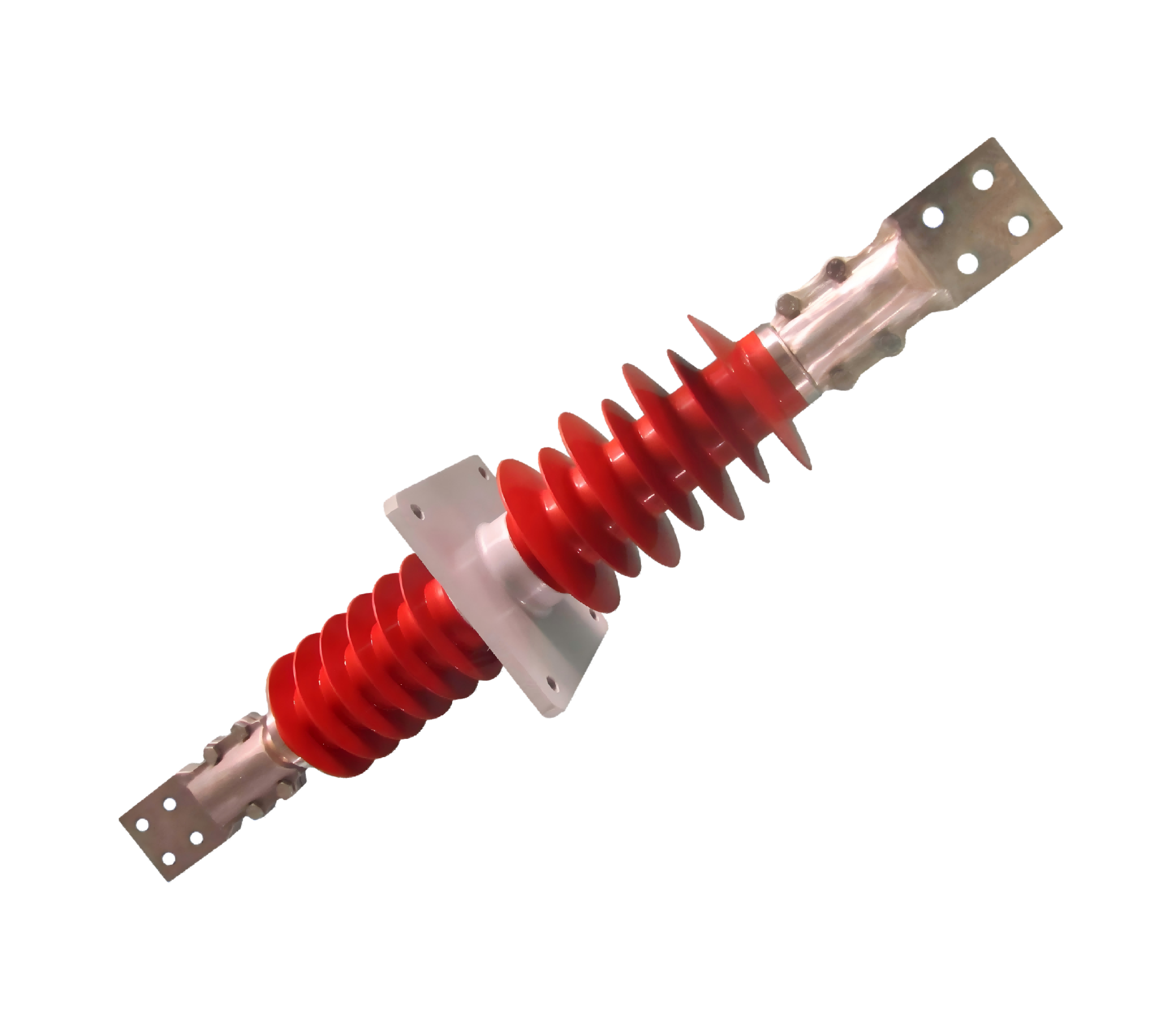
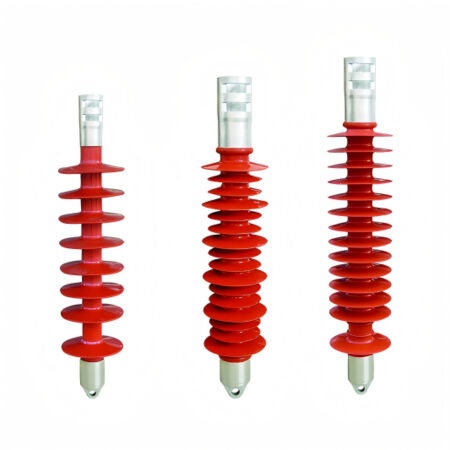
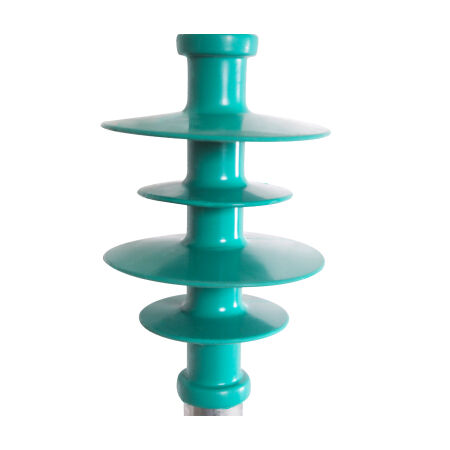
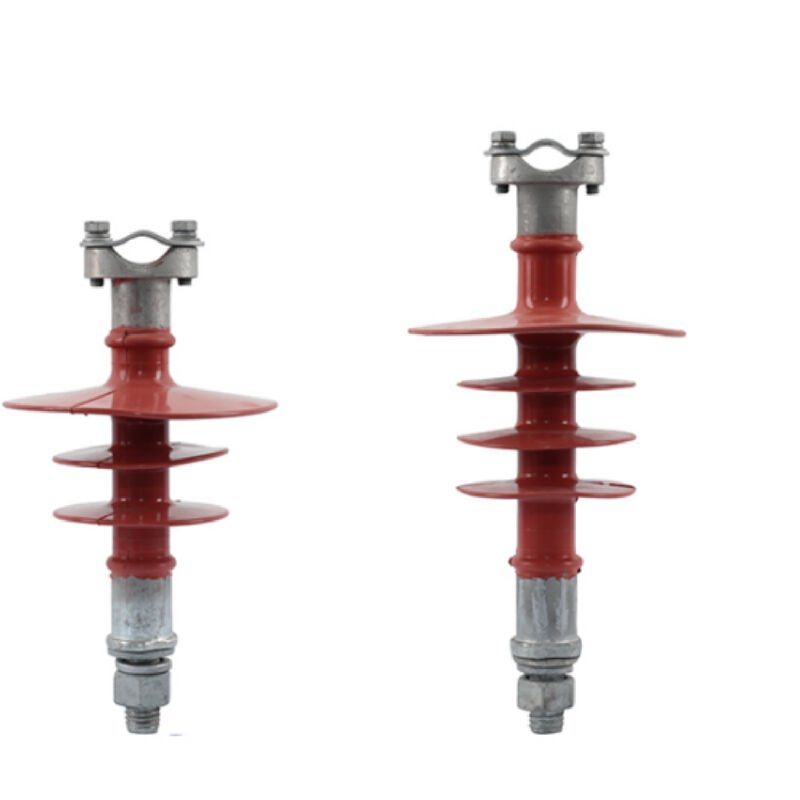
The silicone rubber insulator represents a revolutionary advancement in electrical power transmission and distribution systems, offering superior performance characteristics that address the evolving demands of modern infrastructure. These specialized components serve as critical barriers between energized conductors and grounded structures, preventing unwanted electrical current flow while maintaining system integrity under diverse environmental conditions. The silicone rubber insulator combines the exceptional dielectric properties of traditional ceramic materials with the enhanced durability and adaptability of advanced polymer technology. This innovative design incorporates a fiberglass rod core that provides mechanical strength, surrounded by silicone rubber housing that delivers outstanding electrical insulation properties. The manufacturing process involves precision molding techniques that create uniform material distribution and consistent performance characteristics across all operational parameters. The technological features of silicone rubber insulator systems include hydrophobic surface properties that naturally repel moisture, preventing the formation of conductive water films that could compromise electrical performance. The material composition demonstrates remarkable resistance to ultraviolet radiation, ozone exposure, and extreme temperature fluctuations, ensuring long-term reliability in harsh outdoor environments. The silicone rubber insulator incorporates advanced shed and shank geometries that optimize electrical field distribution, minimizing stress concentrations that could lead to premature failure. These insulators find extensive applications across transmission lines, distribution networks, substations, and industrial electrical installations where reliable insulation performance is paramount. The lightweight construction of silicone rubber insulator units reduces mechanical stress on supporting structures while maintaining equivalent or superior electrical performance compared to traditional alternatives. Advanced manufacturing quality control processes ensure consistent material properties and dimensional accuracy, resulting in predictable performance characteristics that electrical engineers can confidently incorporate into system designs.

New Product Releases

The silicone rubber insulator delivers exceptional performance benefits that translate directly into operational cost savings and enhanced system reliability for electrical utilities and industrial facilities. The superior hydrophobic properties of silicone materials create a self-cleaning surface that maintains insulation effectiveness even in contaminated environments, reducing maintenance requirements and extending service intervals significantly. This characteristic proves particularly valuable in coastal regions, industrial areas, or locations with high pollution levels where traditional insulators require frequent cleaning or replacement. The lightweight design of silicone rubber insulator systems reduces transportation costs, simplifies installation procedures, and minimizes structural loading on towers and poles, enabling utilities to optimize their infrastructure investments. Installation teams appreciate the reduced physical demands and improved safety conditions when handling these lighter components compared to heavy ceramic alternatives. The exceptional weather resistance of silicone rubber insulator materials eliminates concerns about thermal cycling damage, UV degradation, and ozone cracking that commonly affect other polymer insulators. This durability ensures consistent performance across diverse climatic conditions, from arctic cold to desert heat, without material degradation or performance reduction. The vandal-resistant properties of silicone rubber insulator designs provide additional security benefits, as these units resist damage from projectiles that might shatter ceramic insulators, reducing unplanned outages and replacement costs. The flexible nature of silicone materials allows these insulators to withstand mechanical stresses and vibrations that could damage rigid ceramic units, particularly important in areas subject to seismic activity or high wind conditions. Manufacturing advantages include consistent quality control, reduced production variations, and the ability to create complex geometries that optimize electrical performance while maintaining mechanical integrity. The silicone rubber insulator offers excellent tracking and erosion resistance, maintaining surface integrity even when exposed to electrical stress over extended periods. Cost-effectiveness becomes apparent through reduced life-cycle expenses, including lower installation costs, minimal maintenance requirements, extended service life, and improved system reliability that reduces outage-related losses. Environmental benefits include recyclability of materials and reduced carbon footprint due to lightweight transportation and extended service life.

Practical Tips

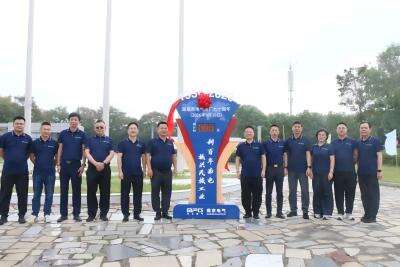
Nanjing Electric Holds Grand 89th Anniversary Celebration

26

Jan

Nanjing Electric Holds Grand 89th Anniversary Celebration

View More
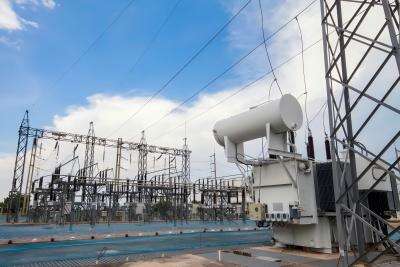
Setting Sail for the World  From Export to Global Expansion, Baiyun Electric Accelerates Its Internationalization

26

Nov

Setting Sail for the World From Export to Global Expansion, Baiyun Electric Accelerates Its Internationalization

View More
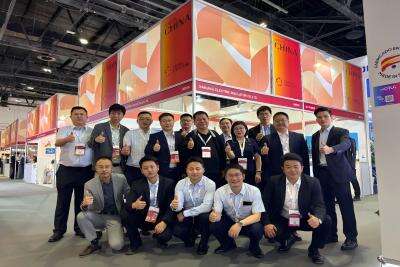
International Exhibition | Nanjing Electric Showcases at Middle East Energy 2025

26

Jan

International Exhibition | Nanjing Electric Showcases at Middle East Energy 2025

View More

Get a Free Quote

Our representative will contact you soon.
Email
Name
Company Name
Message
0/1000

silicone rubber insulator

Superior Hydrophobic Performance and Self-Cleaning Properties

Superior Hydrophobic Performance and Self-Cleaning Properties

The silicone rubber insulator incorporates advanced hydrophobic technology that fundamentally changes how electrical insulators interact with environmental moisture and contamination. This remarkable characteristic stems from the molecular structure of silicone materials, which naturally repel water molecules and create a protective barrier against moisture accumulation. The hydrophobic surface ensures that water forms discrete droplets rather than continuous films, preventing the creation of conductive paths that could compromise electrical insulation performance. This self-cleaning mechanism operates continuously, as water droplets roll off the surface and carry away dust, salt, and other contaminants that would otherwise accumulate and create potential failure points. The practical benefits of this technology become especially apparent in challenging environments such as coastal areas with salt spray, industrial zones with airborne pollutants, or regions with frequent fog and high humidity conditions. Traditional ceramic insulators in these environments often require regular washing or replacement to maintain adequate performance, creating significant maintenance costs and operational disruptions. The silicone rubber insulator eliminates these concerns by maintaining consistent insulation properties regardless of environmental contamination levels. Field testing has demonstrated that these insulators continue to perform effectively even after years of exposure to severe pollution without any cleaning maintenance. This reliability translates directly into reduced operational costs, improved system availability, and enhanced safety for maintenance personnel who no longer need to perform frequent cleaning operations on energized equipment. The hydrophobic properties also extend the overall service life of the insulator by preventing moisture-related degradation mechanisms that commonly affect other materials. Utility companies report significant reductions in maintenance schedules and associated costs when switching to silicone rubber insulator technology, with some installations showing no performance degradation after decades of service in highly contaminated environments.
Exceptional Mechanical Strength and Flexibility

Exceptional Mechanical Strength and Flexibility

The mechanical performance characteristics of silicone rubber insulator systems represent a significant advancement over traditional rigid ceramic designs, offering unprecedented durability and resilience in demanding applications. The innovative construction combines a high-strength fiberglass core with flexible silicone rubber housing, creating a hybrid structure that optimizes both mechanical integrity and operational flexibility. This design philosophy addresses the fundamental limitation of ceramic insulators, which can catastrophically fail when subjected to impact loads, thermal shock, or mechanical stress concentrations. The fiberglass core provides the necessary tensile and compression strength to handle electrical conductor loads, wind forces, and seismic accelerations while maintaining dimensional stability under varying temperature conditions. The silicone rubber housing contributes flexibility that allows the insulator to absorb dynamic loads without transferring excessive stress to the mounting points or conductor connections. This flexibility proves particularly valuable in applications where mechanical vibrations, conductor galloping, or differential thermal expansion could create problematic stress conditions. The material properties of silicone rubber remain consistent across extreme temperature ranges, from arctic installations at minus forty degrees Celsius to desert environments exceeding sixty degrees Celsius, ensuring reliable mechanical performance regardless of climatic conditions. Impact resistance represents another crucial advantage, as the silicone rubber insulator can withstand projectile impacts that would shatter ceramic units, reducing vulnerability to vandalism and accidental damage. This characteristic proves especially important in urban areas or locations where security concerns exist. The flexible design also accommodates installation tolerances and structural movements that might otherwise create alignment problems or mechanical stress concentrations. Field experience demonstrates that silicone rubber insulator systems maintain their mechanical properties throughout extended service periods, showing no signs of fatigue, cracking, or dimensional changes that could compromise system performance. The combination of strength and flexibility enables these insulators to handle emergency loading conditions, such as conductor failure scenarios, without creating cascade failures that could affect adjacent equipment or structures.
Advanced Manufacturing Quality and Design Optimization

Advanced Manufacturing Quality and Design Optimization

The manufacturing processes and design optimization strategies employed in silicone rubber insulator production represent the culmination of decades of materials science research and electrical engineering advancement, resulting in products that consistently exceed performance expectations across diverse applications. Modern manufacturing techniques utilize computer-controlled injection molding systems that ensure precise dimensional control, uniform material distribution, and consistent quality characteristics throughout every production batch. This precision manufacturing approach eliminates the variability issues that historically affected ceramic insulator production, where kiln firing processes could introduce performance variations between individual units. The design optimization process for silicone rubber insulator systems employs sophisticated computer modeling techniques that analyze electrical field distributions, mechanical stress patterns, and environmental interaction factors to create geometries that maximize performance while minimizing material usage. Advanced finite element analysis tools enable engineers to optimize shed profiles, shank dimensions, and overall insulator geometry to achieve specific electrical and mechanical performance targets for different application requirements. The material formulation process involves careful selection of base silicone polymers, reinforcing fillers, and performance additives to achieve optimal combinations of electrical properties, mechanical strength, and environmental resistance. Quality control procedures throughout the manufacturing process include automated dimensional inspection, electrical testing protocols, and accelerated aging studies that verify long-term performance characteristics before products reach the market. The manufacturing flexibility of silicone rubber insulator production enables rapid customization for specific application requirements, including non-standard dimensions, special mounting configurations, or enhanced performance characteristics for extreme service conditions. This adaptability contrasts sharply with ceramic insulator production, where tooling changes and firing cycle requirements make customization expensive and time-consuming. Environmental considerations in the manufacturing process include waste reduction strategies, energy-efficient production techniques, and recyclable material selection that minimize the overall environmental impact of insulator production. The consistency achieved through advanced manufacturing processes translates directly into predictable field performance, enabling electrical engineers to design systems with confidence in insulator reliability and performance characteristics. Continuous improvement programs incorporate field performance feedback into manufacturing process refinements, ensuring that silicone rubber insulator technology continues to evolve to meet changing industry requirements and performance standards.

Get a Free Quote

Our representative will contact you soon.
Email
Name
Company Name
Message
0/1000
Newsletter
Please Leave A Message With Us