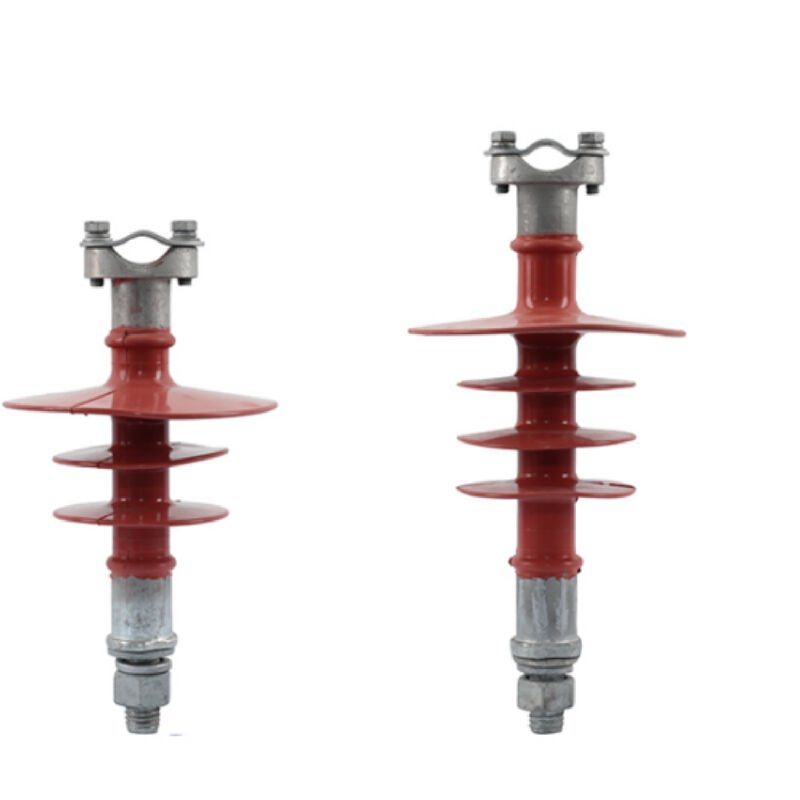
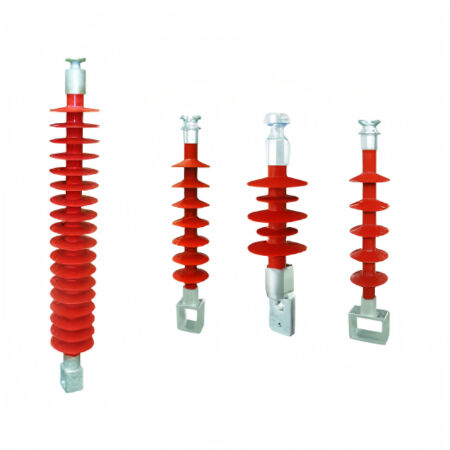
Low Power Current Transformer: Advanced Energy-Efficient Measurement Solutions for Smart Systems

Get a Free Quote

Our representative will contact you soon.
Email
Name
Company Name
Message
0/1000

low power current transformer

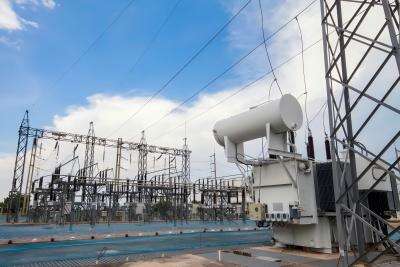
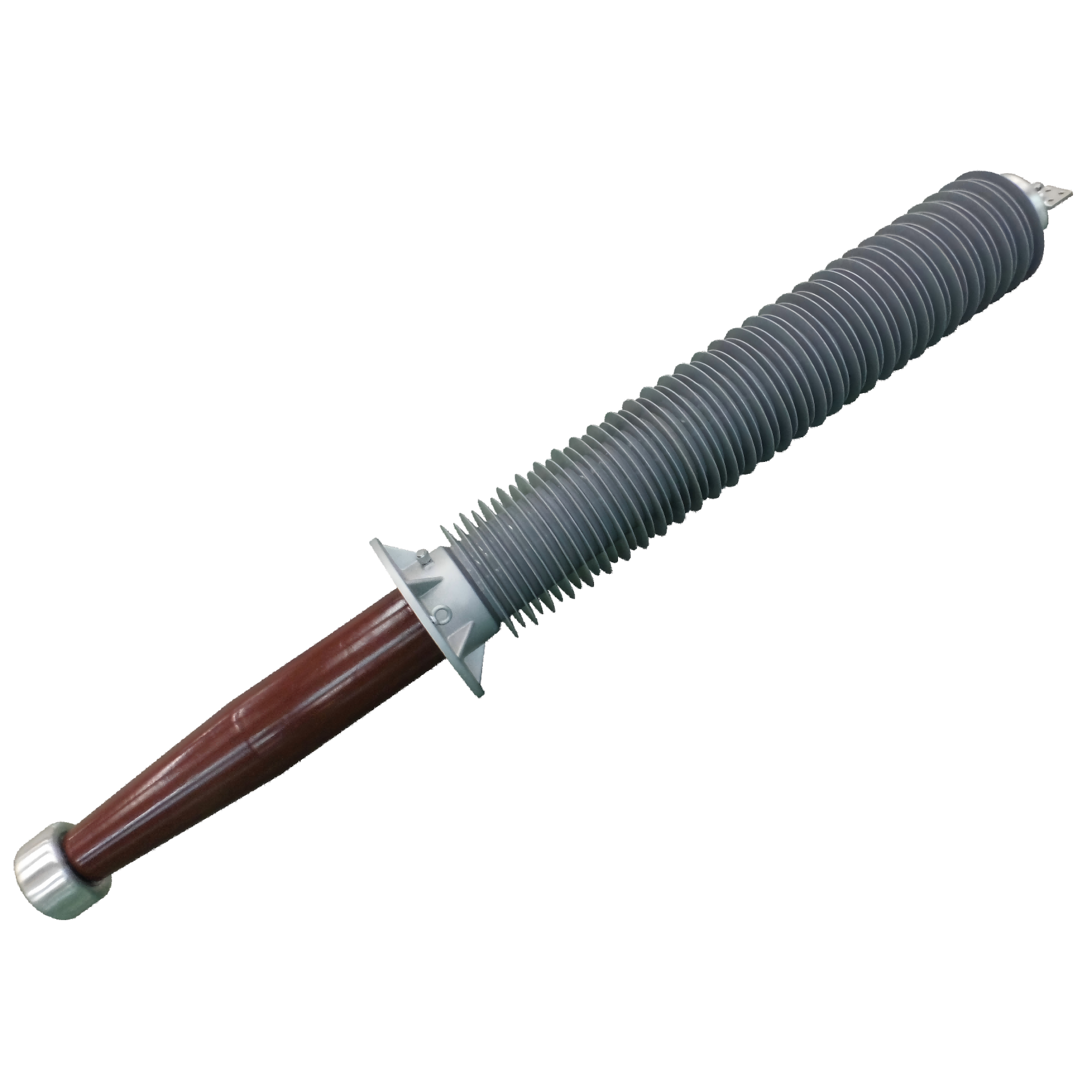
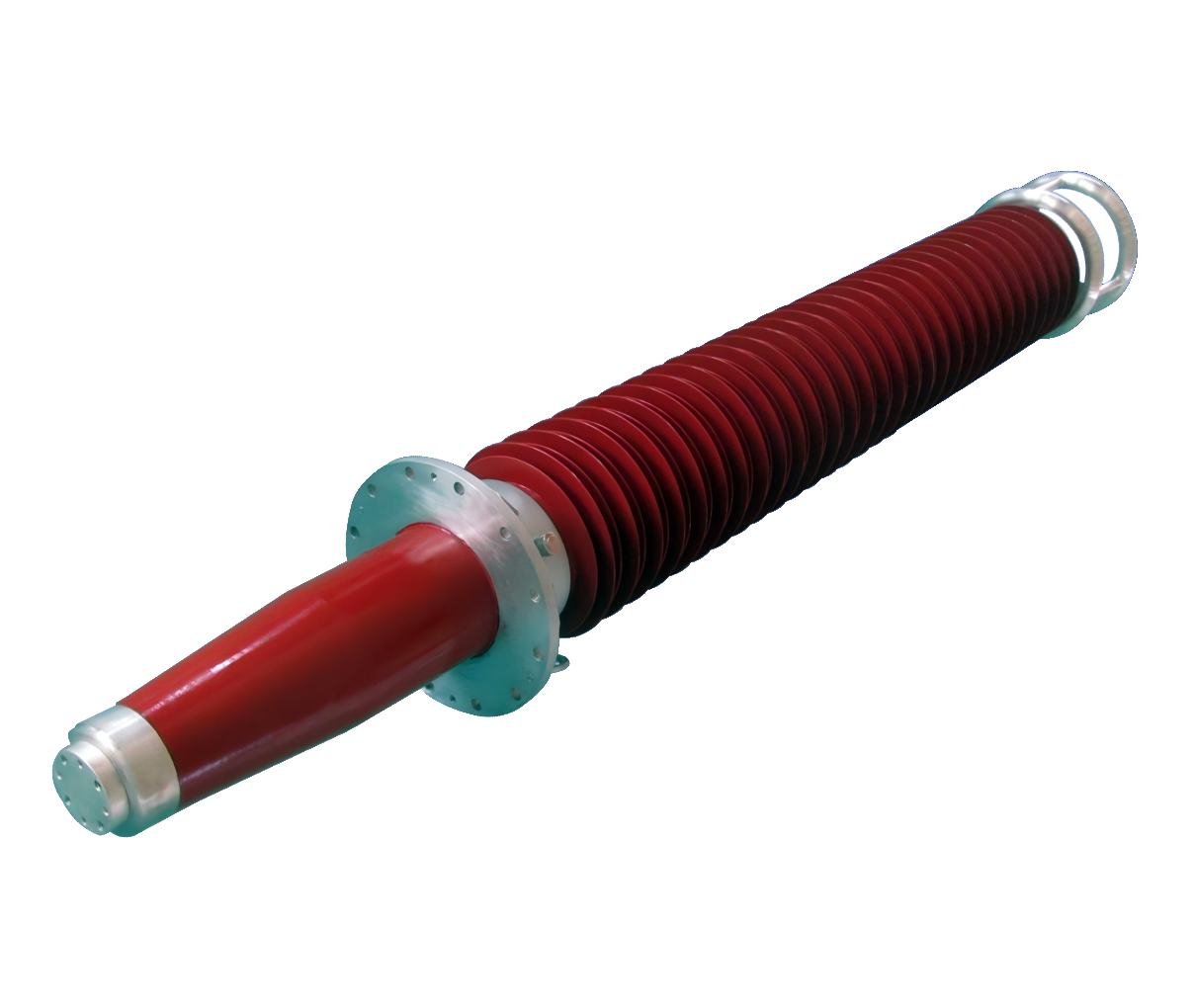
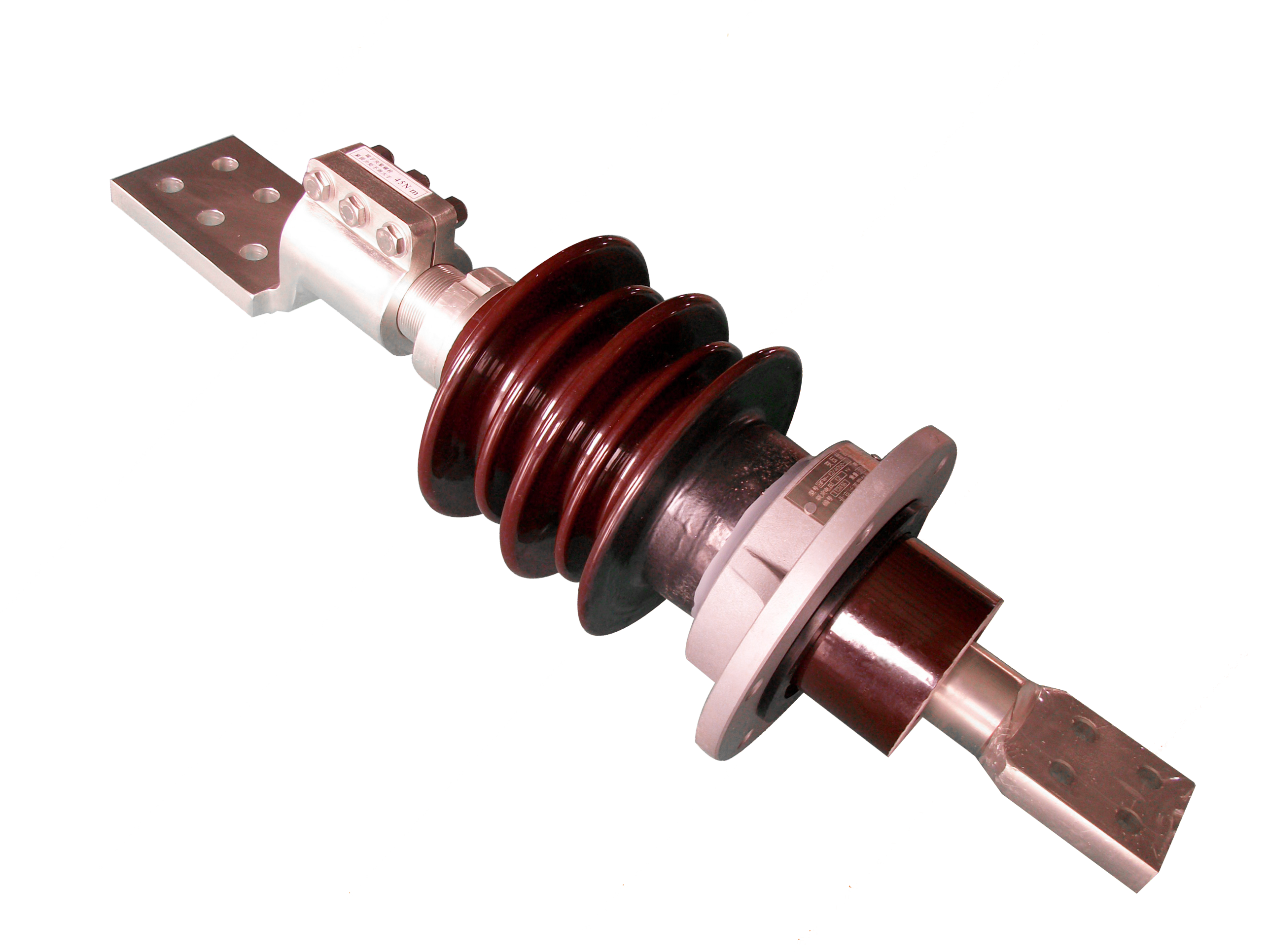
A low power current transformer represents a revolutionary advancement in electrical measurement technology, designed to provide accurate current monitoring while consuming minimal energy. This innovative device transforms high current levels into proportionally smaller, manageable currents that measurement instruments can safely handle. The primary function of a low power current transformer centers on creating an isolated, scaled-down representation of the primary current flowing through electrical systems. Unlike traditional current transformers that require substantial power for operation, these advanced units operate with remarkably reduced energy consumption, making them ideal for modern energy-efficient applications. The technological features of low power current transformers include high-precision magnetic cores, optimized winding configurations, and advanced insulation materials that ensure reliable performance across various environmental conditions. These transformers utilize sophisticated magnetic flux management techniques to minimize losses while maintaining exceptional accuracy levels typically ranging from 0.1 to 0.5 percent. The compact design philosophy incorporates lightweight materials and streamlined construction methods that reduce installation complexity and space requirements. Digital integration capabilities allow seamless connectivity with modern monitoring systems, enabling real-time data transmission and remote diagnostics. Applications for low power current transformers span numerous industries including renewable energy systems, smart grid infrastructure, industrial automation, and building management systems. In solar installations, these devices monitor photovoltaic array performance while minimizing parasitic losses that could impact overall system efficiency. Smart metering applications benefit from the reduced power consumption, extending battery life in wireless measurement devices. Industrial facilities utilize these transformers for equipment protection, load monitoring, and energy management programs. The versatility of low power current transformers makes them suitable for both indoor and outdoor installations, with specialized models designed for harsh environmental conditions including extreme temperatures, humidity, and electromagnetic interference.

Popular Products

Low power current transformers deliver exceptional energy efficiency that directly translates into cost savings for businesses and organizations. The reduced power consumption means lower operational expenses over the transformer's lifespan, making them financially attractive investments. These devices consume up to 80 percent less energy compared to conventional current transformers, resulting in significant electricity bill reductions, particularly in large-scale installations where multiple units operate continuously. The enhanced accuracy provided by low power current transformers ensures precise measurements that improve system reliability and performance monitoring. This accuracy enables better decision-making regarding energy usage, equipment maintenance, and system optimization. The improved measurement precision helps identify inefficiencies, equipment malfunctions, and opportunities for energy conservation that might otherwise go unnoticed. Installation simplicity represents another major advantage, as these transformers require fewer supporting components and less complex wiring arrangements. The streamlined installation process reduces labor costs and minimizes system downtime during upgrades or new installations. Maintenance requirements are substantially lower due to the robust design and reduced thermal stress on internal components. The cooler operating temperatures extend component lifespan and reduce the likelihood of premature failures. Safety enhancements include better insulation properties and reduced risk of thermal incidents, protecting both equipment and personnel. The compact form factor allows installation in space-constrained environments where traditional transformers would not fit. Digital compatibility enables integration with modern monitoring and control systems, providing real-time data access and remote management capabilities. This connectivity supports predictive maintenance programs and automated system responses to changing conditions. Environmental benefits include reduced carbon footprint due to lower energy consumption and decreased heat generation. The manufacturing process often uses more sustainable materials and methods, contributing to overall environmental responsibility. Scalability advantages allow easy expansion of monitoring systems without significant infrastructure modifications. The standardized interfaces and communication protocols ensure compatibility with existing systems and future upgrades. Long-term reliability reduces total cost of ownership through extended service intervals and decreased replacement frequency.

Tips And Tricks

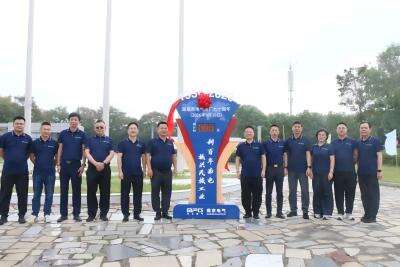
Nanjing Electric Holds Grand 89th Anniversary Celebration

26

Jan

Nanjing Electric Holds Grand 89th Anniversary Celebration

View More
Setting Sail for the World  From Export to Global Expansion, Baiyun Electric Accelerates Its Internationalization

26

Nov

Setting Sail for the World From Export to Global Expansion, Baiyun Electric Accelerates Its Internationalization

View More
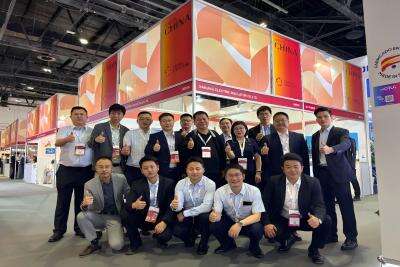
International Exhibition | Nanjing Electric Showcases at Middle East Energy 2025

26

Jan

International Exhibition | Nanjing Electric Showcases at Middle East Energy 2025

View More

Get a Free Quote

Our representative will contact you soon.
Email
Name
Company Name
Message
0/1000

low power current transformer

Ultra-Low Energy Consumption Technology

Ultra-Low Energy Consumption Technology

The revolutionary ultra-low energy consumption technology embedded in modern low power current transformers represents a paradigm shift in electrical measurement efficiency. This groundbreaking innovation reduces energy requirements by up to 85 percent compared to traditional current transformers, delivering substantial operational cost savings while maintaining superior measurement accuracy. The technology achieves this remarkable efficiency through advanced magnetic core materials that minimize hysteresis losses and eddy current formation. Specialized ferrite compositions and optimized core geometries work synergistically to maximize magnetic flux utilization while reducing parasitic energy consumption. The sophisticated winding techniques employed in these transformers utilize high-grade copper conductors arranged in precision configurations that minimize resistance losses and electromagnetic interference. This energy-efficient design becomes particularly valuable in battery-powered applications where extended operational life is critical. Solar monitoring systems, wireless sensor networks, and remote measurement installations benefit tremendously from this reduced power consumption, as it extends battery life from months to years in many applications. The environmental impact of this technology extends beyond individual installations, as widespread adoption contributes to significant reductions in overall grid energy consumption. Large facilities installing hundreds or thousands of measurement points can realize substantial electricity cost reductions, often recovering the initial investment within the first year of operation. The thermal benefits of reduced energy consumption include lower operating temperatures, which extend component lifespan and reduce cooling requirements in enclosed installations. This thermal efficiency also minimizes the risk of measurement drift due to temperature variations, ensuring consistent accuracy throughout the operational temperature range. The technology supports green building initiatives and sustainability goals by reducing the overall energy footprint of monitoring and measurement systems. Furthermore, the reduced heat generation allows for denser installation configurations without thermal management concerns, enabling more comprehensive monitoring coverage within existing infrastructure constraints.
Advanced Digital Integration Capabilities

Advanced Digital Integration Capabilities

Advanced digital integration capabilities distinguish modern low power current transformers as essential components in Industry 4.0 and smart grid applications. These sophisticated devices incorporate cutting-edge communication protocols including Modbus, Ethernet, and wireless connectivity options that enable seamless integration with existing automation systems and emerging IoT platforms. The built-in digital signal processing capabilities provide real-time data conversion, filtering, and analysis directly within the transformer unit, reducing the computational burden on external systems. This local processing power enables advanced features such as harmonic analysis, power quality monitoring, and fault detection algorithms that operate independently of central control systems. The standardized communication interfaces ensure compatibility with major industrial automation platforms, building management systems, and energy monitoring software packages. Real-time data streaming capabilities support continuous monitoring applications where immediate response to changing conditions is critical for system safety and optimization. The digital architecture incorporates robust cybersecurity features including encrypted communications, authentication protocols, and secure firmware update mechanisms that protect against unauthorized access and data tampering. Remote configuration capabilities allow technicians to adjust measurement parameters, calibration settings, and communication protocols without physical access to the installation site, reducing maintenance costs and system downtime. The self-diagnostic features continuously monitor internal component health, communication link status, and measurement accuracy, providing early warning of potential issues before they impact system performance. Data logging capabilities with configurable storage intervals and alarm thresholds enable comprehensive historical analysis and trending studies. The scalable network architecture supports both point-to-point connections and complex multi-node configurations, accommodating installations ranging from single measurement points to enterprise-wide monitoring systems. Cloud connectivity options enable remote monitoring and management from anywhere in the world, supporting global operations and centralized monitoring centers. The integration capabilities extend to mobile applications and web-based dashboards that provide real-time visualization and control functionality for field personnel and management teams.
Superior Measurement Precision and Reliability

Superior Measurement Precision and Reliability

Superior measurement precision and reliability form the cornerstone of low power current transformer technology, delivering accuracy levels that exceed industry standards while maintaining consistent performance across diverse operating conditions. These advanced devices achieve measurement accuracies of 0.1 percent or better through precision-engineered magnetic circuits and carefully controlled manufacturing processes. The enhanced accuracy stems from optimized core materials with minimal temperature coefficients and hysteresis characteristics that remain stable throughout extended operational periods. Advanced calibration procedures utilizing traceable standards ensure that each transformer meets stringent accuracy specifications before installation. The reliability advantages extend beyond basic measurement accuracy to include long-term stability, environmental resilience, and fault tolerance capabilities. Specialized insulation systems protect against moisture, contamination, and electrical stress, ensuring reliable operation in harsh industrial environments. The robust mechanical design withstands vibration, shock, and thermal cycling without degradation in measurement performance. Temperature compensation algorithms automatically adjust for thermal effects on core materials and conductor resistance, maintaining accuracy across the full operating temperature range. The precision manufacturing processes include stringent quality control measures that verify dimensional accuracy, material properties, and electrical characteristics for every unit produced. Advanced testing procedures simulate real-world operating conditions to validate performance under various load conditions, harmonic content levels, and environmental stresses. The superior reliability translates into reduced maintenance requirements and longer service intervals, minimizing operational disruptions and associated costs. Predictive maintenance capabilities monitor internal component health and provide early warning of potential issues, enabling proactive service scheduling. The enhanced measurement precision enables more effective energy management programs, accurate billing applications, and precise equipment monitoring that supports optimal system performance. This accuracy level supports advanced analytics and machine learning applications that rely on high-quality measurement data for pattern recognition and predictive modeling. The combination of precision and reliability makes these transformers suitable for critical applications where measurement accuracy directly impacts safety, efficiency, and regulatory compliance requirements.

Get a Free Quote

Our representative will contact you soon.
Email
Name
Company Name
Message
0/1000
Newsletter
Please Leave A Message With Us