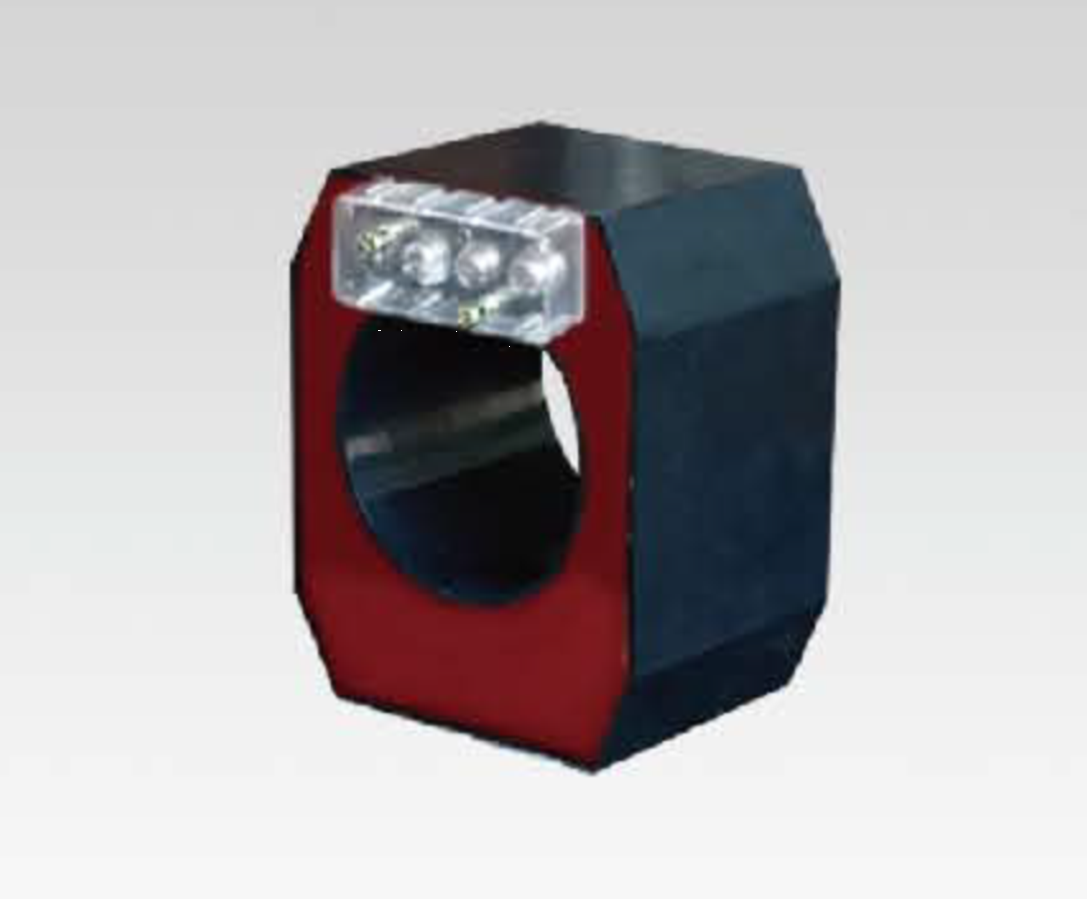
indoor current transformer
Indoor current transformers represent essential electrical equipment designed specifically for measuring and protecting electrical systems within controlled environments. These sophisticated devices operate by stepping down high electrical currents to manageable levels that standard measuring instruments and protective relays can safely handle. The indoor current transformer functions as a critical interface between high-voltage power systems and low-voltage control circuits, ensuring accurate current measurement while maintaining electrical isolation for safety purposes. These transformers utilize electromagnetic induction principles to create a proportional secondary current that corresponds directly to the primary circuit current flowing through the system. The core construction typically features high-grade silicon steel laminations that minimize losses and provide excellent magnetic properties for precise current transformation. Indoor current transformers are specifically engineered for installation within substations, switchgear rooms, and other protected electrical environments where environmental factors like moisture, dust, and extreme temperatures are controlled. Their compact design allows for efficient space utilization while maintaining the necessary insulation levels required for safe operation. The measurement accuracy of these devices typically ranges from 0.1 to 1.0 class ratings, depending on the specific application requirements and precision needs. Modern indoor current transformer designs incorporate advanced insulation materials and construction techniques that enhance reliability and extend operational lifespan. These units serve dual purposes in electrical systems by providing both measurement capabilities for energy monitoring and protection functions for system safety. The secondary outputs connect to various devices including digital meters, analog gauges, protection relays, and data acquisition systems. Installation flexibility makes indoor current transformers suitable for both new construction projects and retrofit applications in existing electrical infrastructure. Their role in power system monitoring enables operators to track energy consumption, detect abnormal operating conditions, and maintain optimal system performance while ensuring personnel safety through proper electrical isolation.
 ×
×


 EN
EN