outdoor low voltage transformer
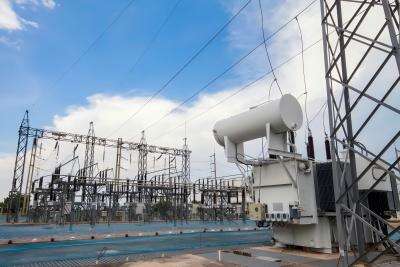
An outdoor low voltage transformer serves as a critical electrical component designed to safely reduce high voltage electricity to lower, more manageable levels suitable for residential and commercial outdoor applications. These specialized transformers operate by converting standard utility power, typically ranging from 120V to 480V, down to safer voltage levels between 12V and 24V, making them essential for powering landscape lighting, outdoor security systems, and various exterior electrical installations. The outdoor low voltage transformer features weather-resistant enclosures constructed from durable materials such as stainless steel, aluminum, or reinforced polymer composites that provide exceptional protection against environmental factors including rain, snow, UV radiation, and temperature fluctuations. Advanced magnetic core technology within these units ensures efficient power conversion while minimizing energy loss during the transformation process. Most outdoor low voltage transformer units incorporate built-in safety mechanisms including thermal overload protection, short circuit protection, and ground fault circuit interrupters to prevent electrical hazards and equipment damage. The compact design of modern outdoor low voltage transformer systems allows for versatile installation options, whether mounted on exterior walls, utility poles, or standalone pedestals. These transformers typically feature multiple output terminals, enabling simultaneous connection of various outdoor electrical loads while maintaining consistent voltage delivery across all connected circuits. Professional-grade outdoor low voltage transformer models often include digital displays or analog gauges for real-time monitoring of output voltage, current draw, and operational status. The installation process requires proper grounding and adherence to local electrical codes, ensuring safe operation throughout the transformer's extended service life. Quality outdoor low voltage transformer units are designed to operate reliably in temperature ranges from negative forty degrees Fahrenheit to positive one hundred fifty degrees Fahrenheit, making them suitable for diverse climatic conditions worldwide.
 ×
×




 EN
EN