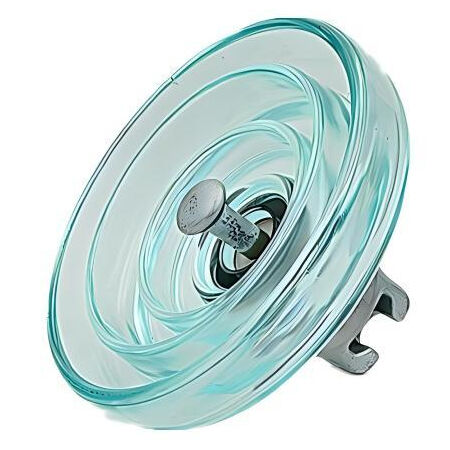
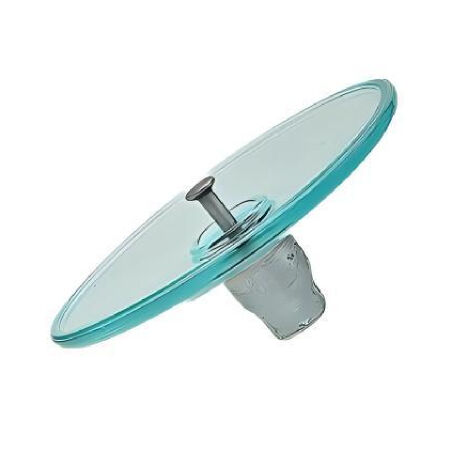
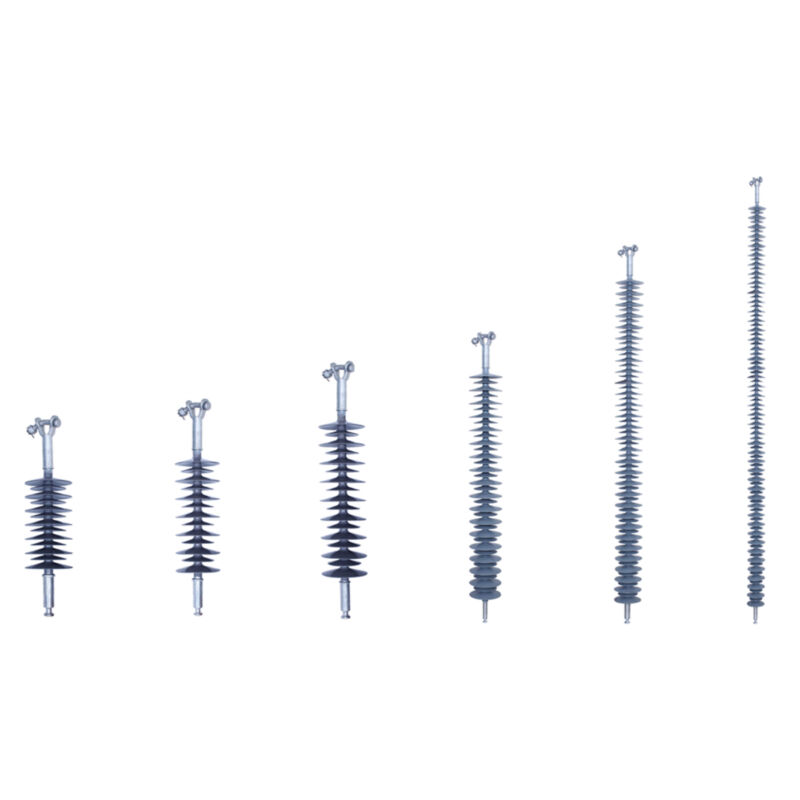
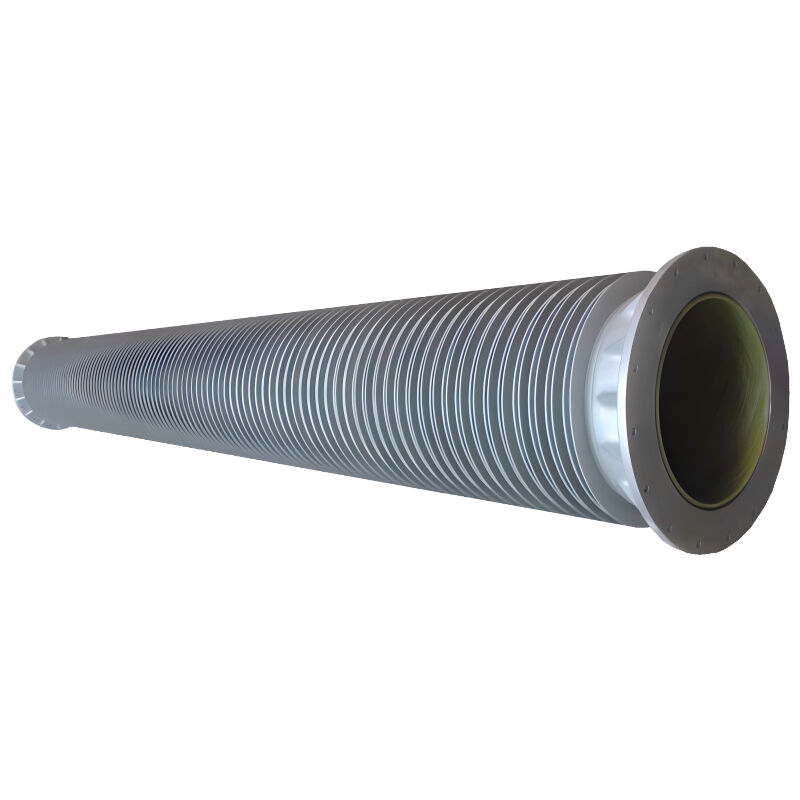
porcelain shackle insulator
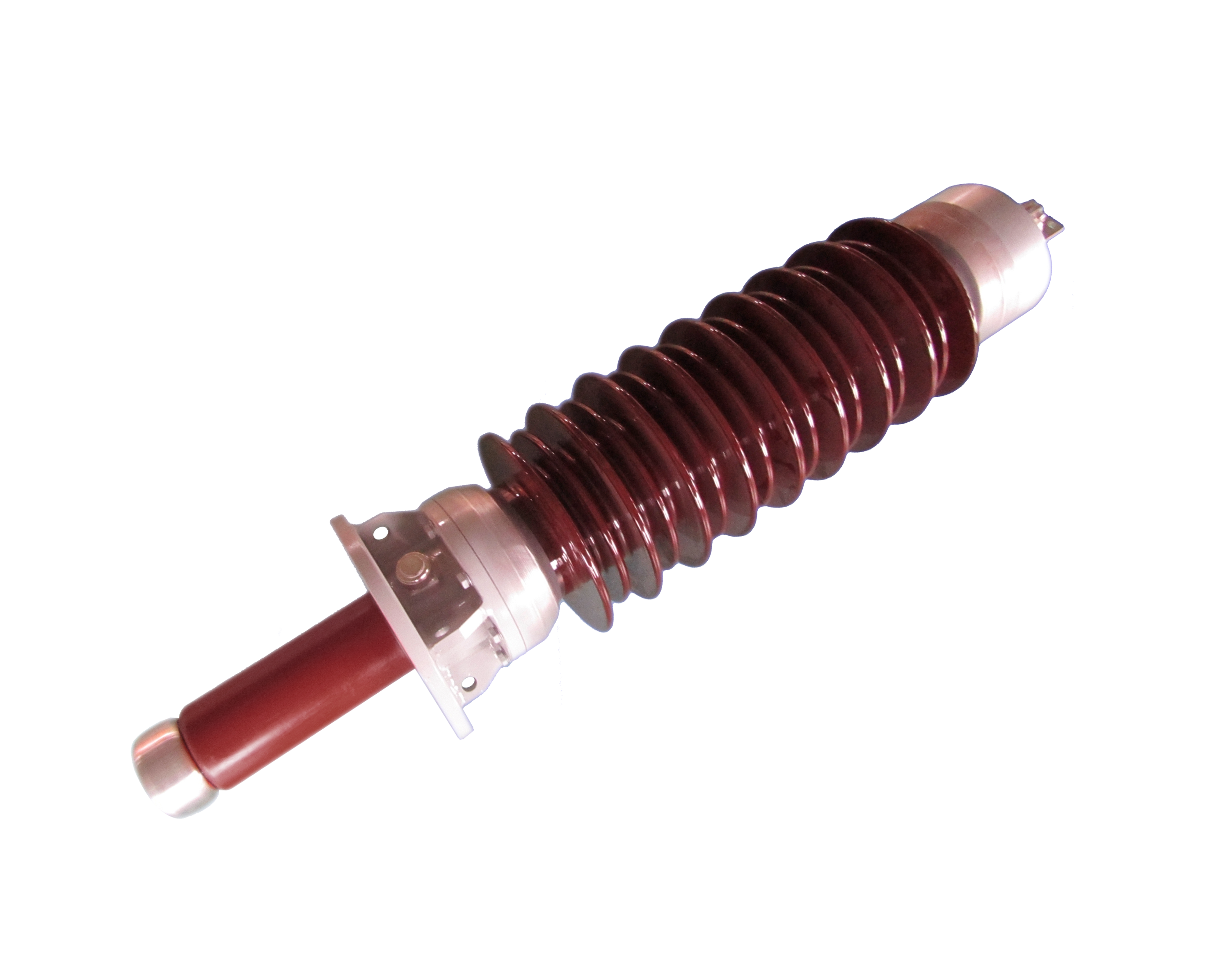
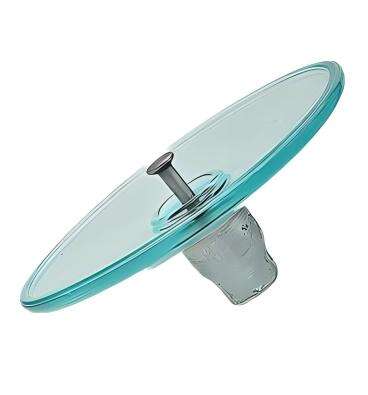
A porcelain shackle insulator represents a critical component in electrical power transmission and distribution systems, serving as the essential link between overhead conductors and supporting structures. This specialized insulator combines the exceptional dielectric properties of high-grade porcelain with an innovative shackle design, creating a robust solution for electrical isolation and mechanical support. The porcelain shackle insulator functions primarily to prevent electrical current from flowing between energized conductors and grounded support structures, while simultaneously providing the mechanical strength necessary to maintain proper conductor positioning under various environmental conditions. The technological foundation of the porcelain shackle insulator lies in its carefully engineered ceramic composition, which undergoes rigorous firing processes at temperatures exceeding 1200 degrees Celsius. This manufacturing approach ensures optimal density and minimizes porosity, resulting in superior electrical insulation characteristics and enhanced resistance to environmental degradation. The shackle configuration incorporates a unique pivoting mechanism that accommodates thermal expansion and contraction of overhead conductors, reducing mechanical stress on both the insulator and the supporting infrastructure. Applications for the porcelain shackle insulator span numerous sectors within the electrical industry, including medium voltage distribution networks, rural electrification projects, and industrial power systems. These insulators prove particularly valuable in coastal environments where salt spray and humidity create challenging operating conditions for electrical equipment. The porcelain shackle insulator design also excels in regions experiencing significant temperature fluctuations, as the material composition maintains stable electrical properties across a wide temperature range. Installation versatility represents another key aspect of the porcelain shackle insulator, as the component adapts to various mounting configurations including horizontal and vertical orientations. This flexibility enables electrical engineers to optimize system design while maintaining strict safety standards and regulatory compliance requirements throughout diverse installation environments.
 ×
×

 EN
EN