porcelain ceramic insulators
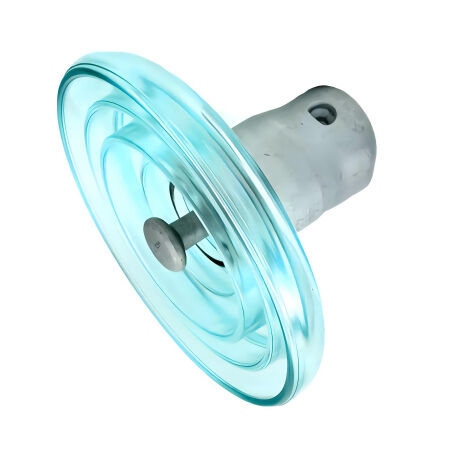
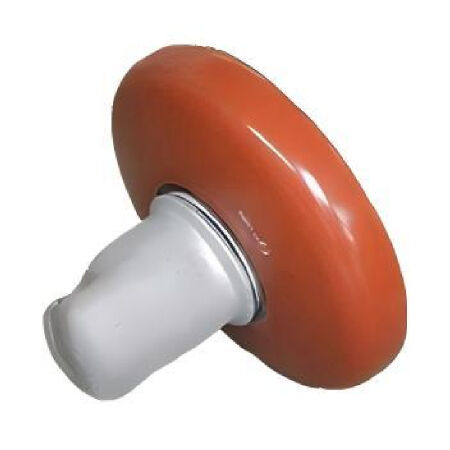
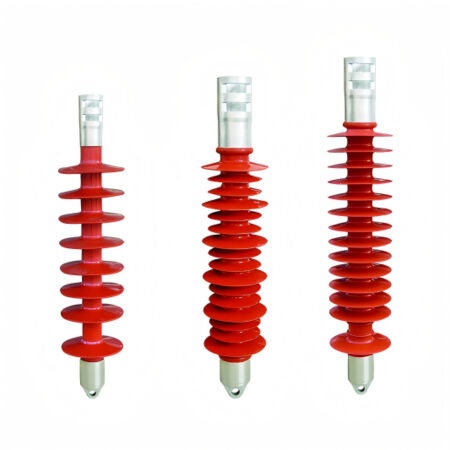
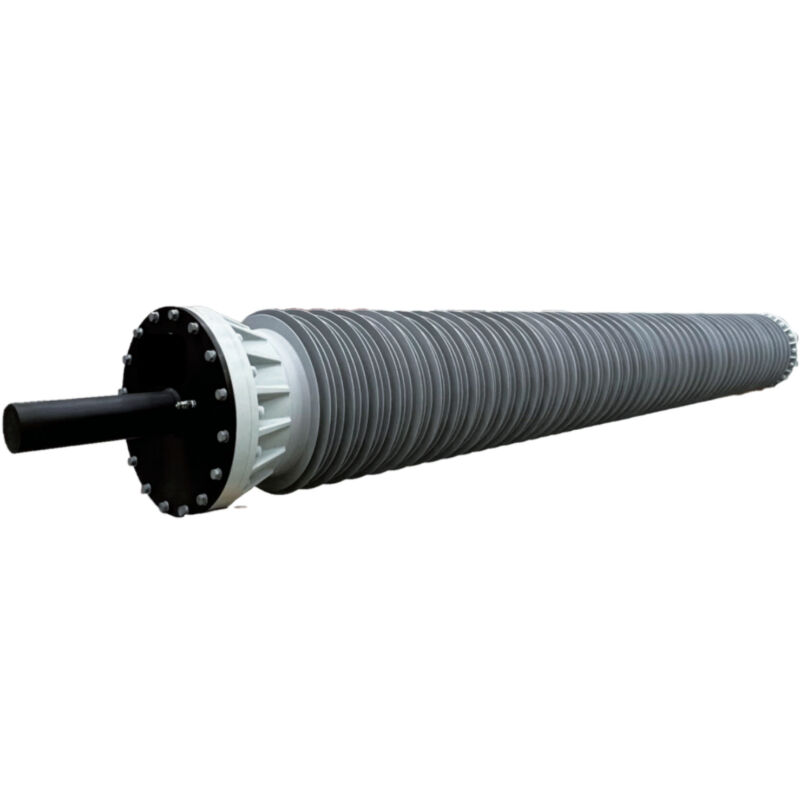
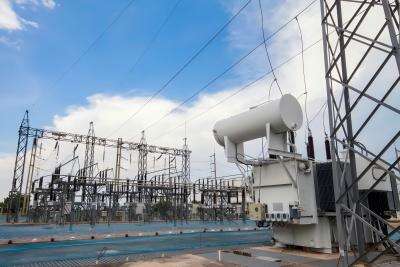
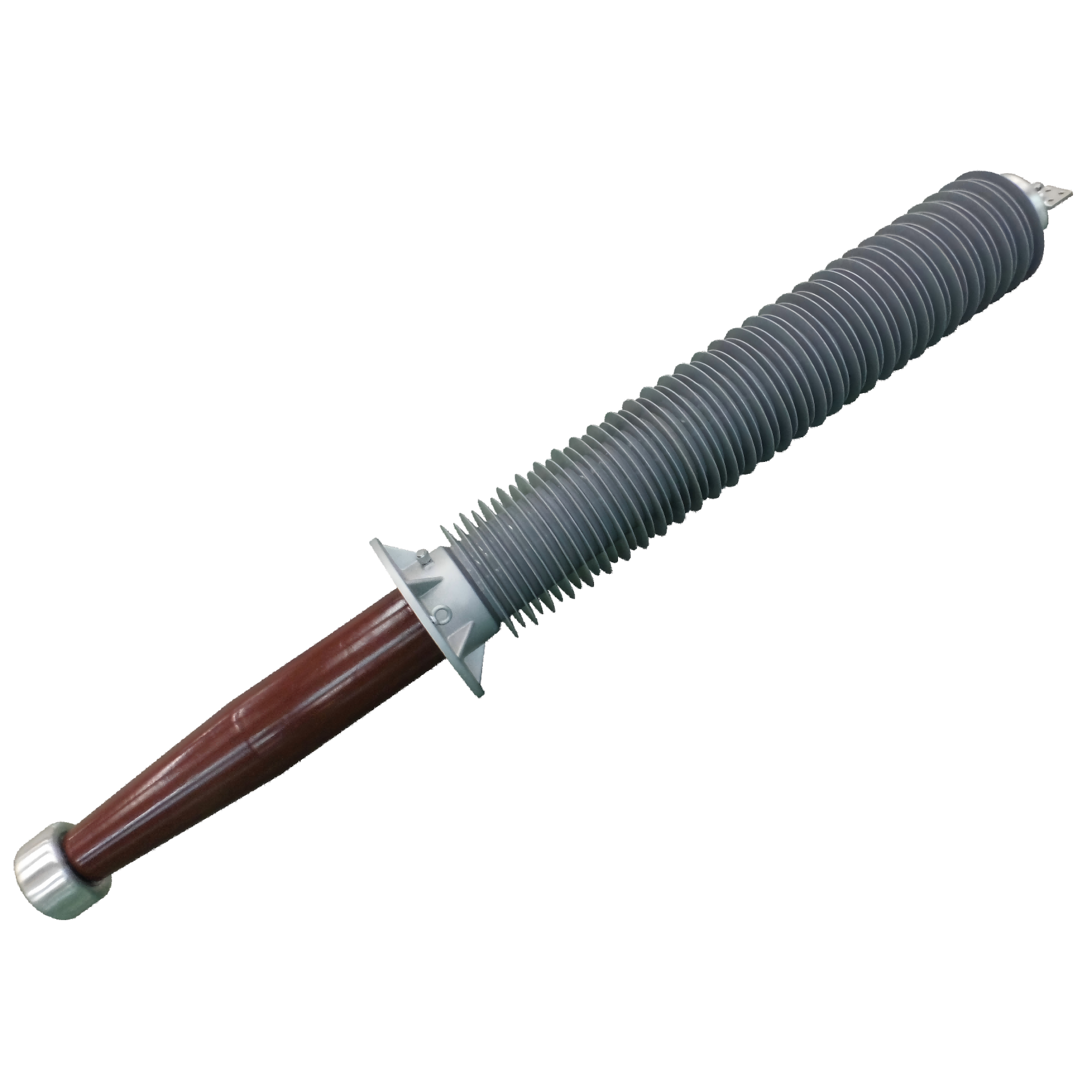
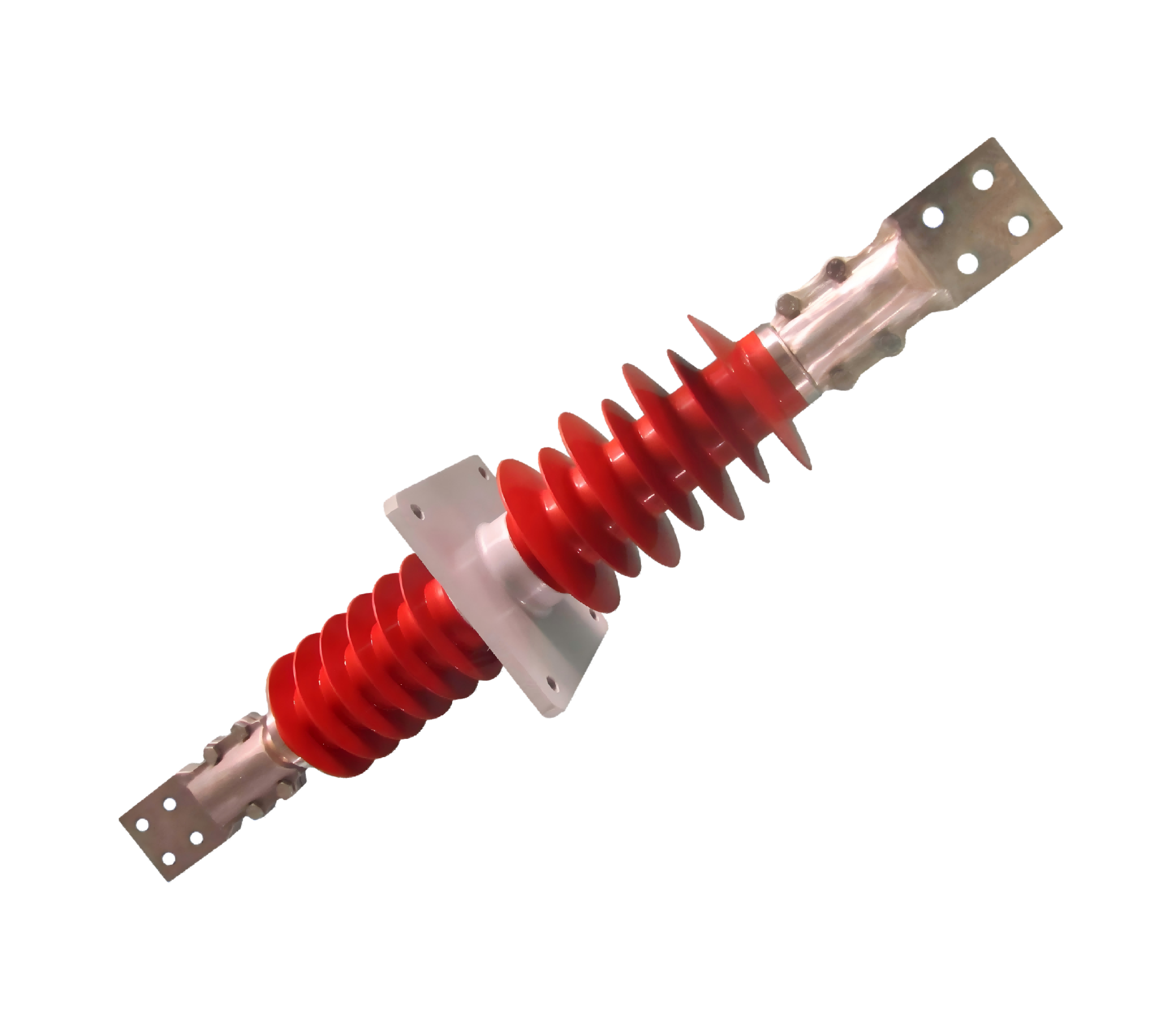
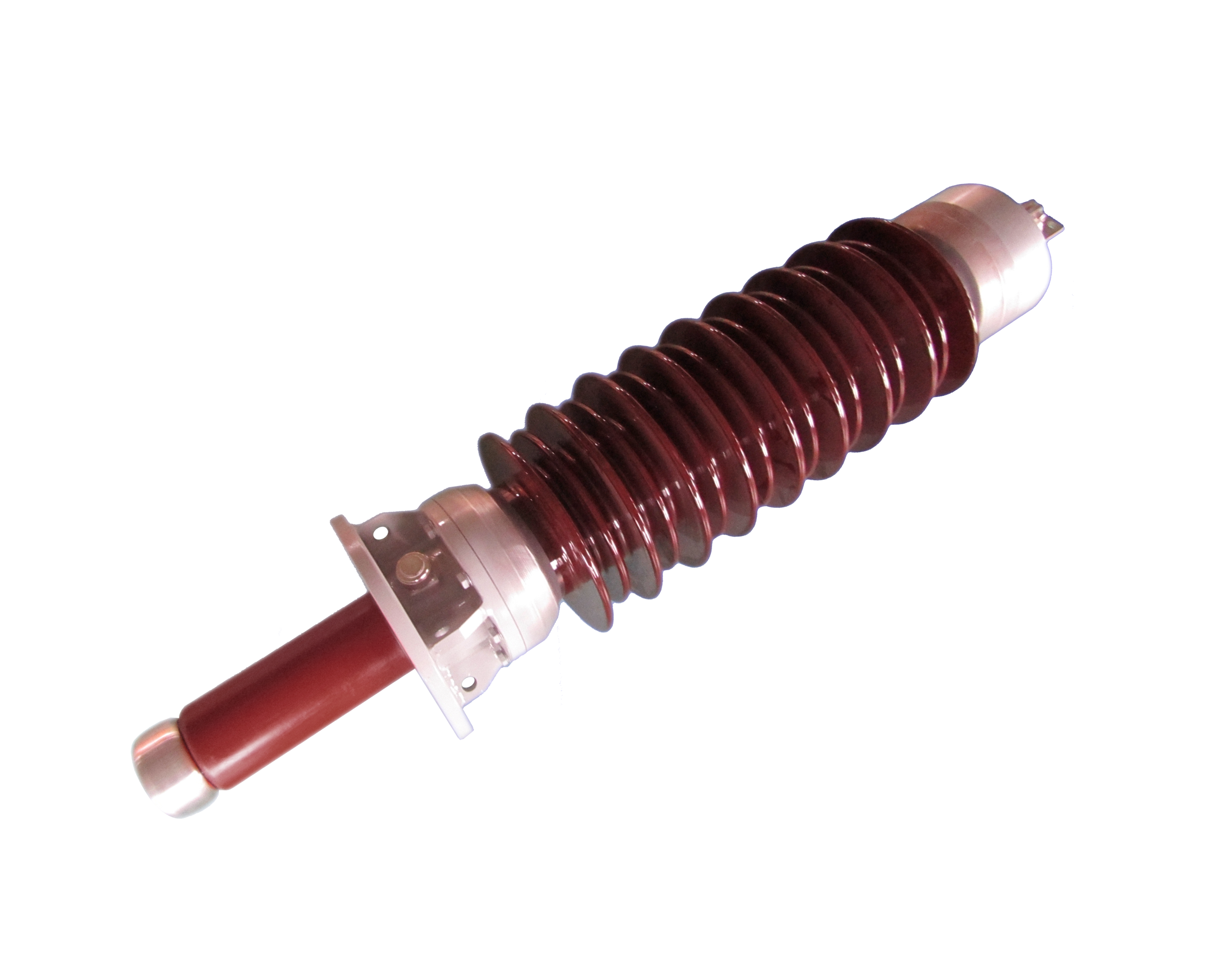
Porcelain ceramic insulators represent a cornerstone technology in electrical power transmission and distribution systems worldwide. These specialized components serve as critical barriers that prevent unwanted electrical current flow between conductors and supporting structures, ensuring safe and efficient power delivery across vast networks. Manufactured from high-grade porcelain materials, these insulators combine exceptional dielectric strength with remarkable mechanical durability to withstand extreme environmental conditions. The primary function of porcelain ceramic insulators involves maintaining electrical isolation while providing structural support for overhead power lines, transformers, and various electrical equipment. Their design incorporates sophisticated engineering principles that balance electrical performance with mechanical reliability. The porcelain composition typically consists of carefully selected clay minerals, feldspar, and quartz, fired at temperatures exceeding 1200 degrees Celsius to achieve optimal density and strength characteristics. This manufacturing process creates a vitrified surface that resists moisture absorption and contamination buildup, essential factors for maintaining consistent electrical performance. Technologically, porcelain ceramic insulators feature superior dielectric properties that enable them to withstand high voltage stress without electrical breakdown. Their low electrical conductivity ensures minimal leakage current, while their high mechanical strength supports heavy conductor loads and withstands severe weather conditions including ice storms, high winds, and temperature fluctuations. The smooth glazed surface of porcelain ceramic insulators facilitates self-cleaning during rainfall, reducing maintenance requirements and extending service life. Applications span across transmission lines, distribution networks, substations, and industrial facilities where reliable electrical isolation is paramount. These insulators are commonly found in suspension assemblies, pin-type configurations, and post insulators, each designed for specific voltage levels and mechanical loading requirements. The versatility of porcelain ceramic insulators makes them suitable for voltages ranging from medium distribution levels to extra-high transmission applications exceeding 800 kilovolts.
 ×
×


 EN
EN