
 EN
EN



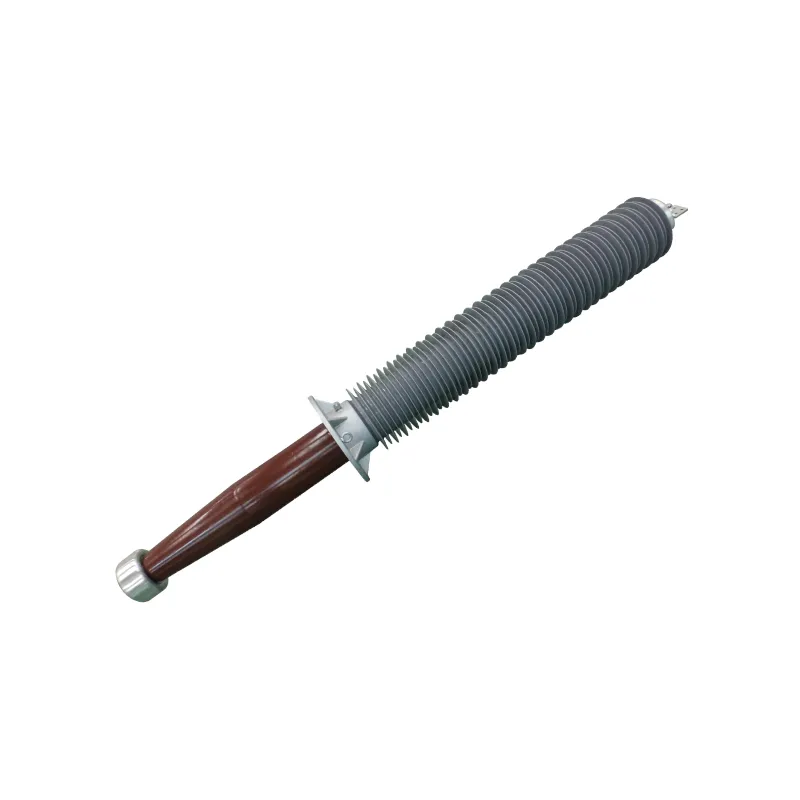
Partial discharge is a critical threat to transformer reliability, often occurring at microscopic defects within insulation materials. A transformer bushing must be engineered with precision to eliminate the conditions that allow partial discharge to initiate and propagate. This engineering challenge requires a deep understanding of electrical stress distribution, material science, and thermal management within the bushings that connect external circuits to internal transformer windings. The design of a transformer bushing determines whether harmful electrical ionization will occur during normal and peak operating conditions.
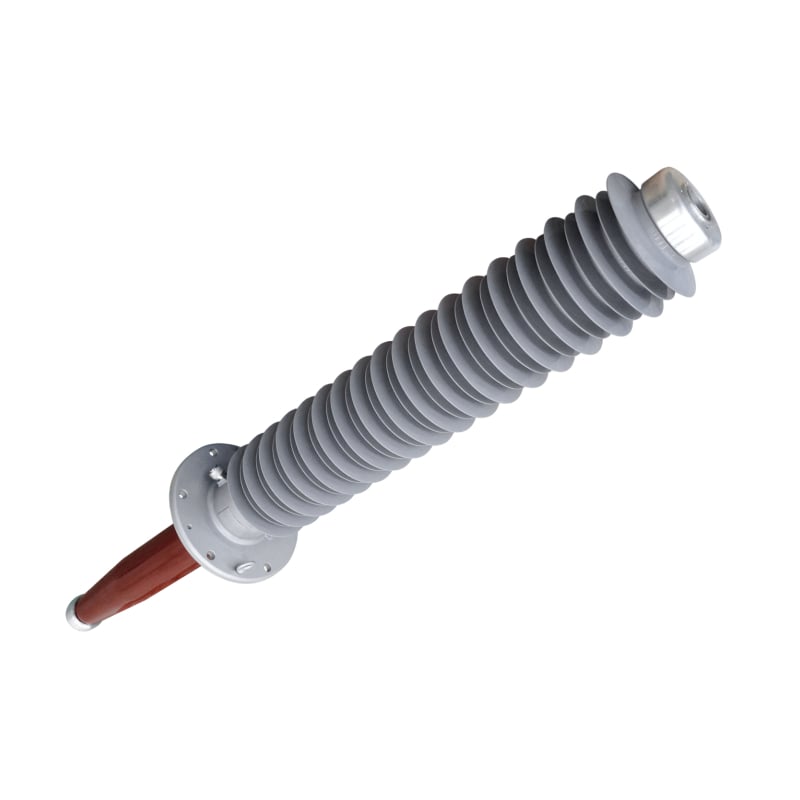
Understanding how a transformer bushing prevents partial discharge is essential for electrical engineers, maintenance professionals, and utility operators responsible for power system stability. Partial discharge events degrade insulation progressively, leading to premature bushing failure and catastrophic transformer outages. Modern transformer bushing designs employ multiple strategic layers of protection, including controlled electrical gradients, moisture barriers, and thermally optimized conductor structures. This article explores the engineering principles that make a transformer bushing effective at suppressing partial discharge under demanding industrial conditions.
Electrical Stress Grading in Transformer Bushing Design
Understanding Electrical Field Distribution
The electrical field within a transformer bushing must be carefully controlled to prevent ionization thresholds from being exceeded. High voltage gradients concentrate near the conductor surface, where partial discharge is most likely to initiate. A well-designed transformer bushing uses graded insulation materials with progressively lower permittivity values moving outward from the conductor. This grading technique flattens the electric field profile, ensuring that no localized region experiences excessively high stress. The transformer bushing achieves this through precise material selection and layering, reducing peak field strength by up to fifty percent compared to uniform insulation designs.
Capacitive Grading Techniques
Capacitive grading within a transformer bushing employs conducting surfaces at intermediate voltage levels to redistribute electrical stress more evenly. These embedded shields, typically made of conductive materials, create equipotential surfaces that control field distribution. A transformer bushing incorporating capacitive grading maintains lower field intensities throughout its thickness, staying well below the critical partial discharge inception voltage. This technique is particularly effective in high-voltage applications where field strengths would otherwise approach dangerous levels during transient overvoltages or switching surges.
Insulation Material Selection and Moisture Management
Advanced Composite Materials in Transformer Bushing Construction
A transformer bushing must use insulation materials with high dielectric strength and excellent resistance to moisture ingress. Modern designs employ resin-impregnated cellulose, epoxy composites, or synthetic polymers that provide superior electrical properties compared to traditional paper and oil systems. These materials in a transformer bushing resist ionization and arc formation by maintaining structural integrity even under prolonged electrical stress. The choice of material directly influences how effectively the transformer bushing suppresses partial discharge, with premium materials offering partial discharge inception voltages twenty to thirty percent higher than conventional options.
Moisture Barriers and Environmental Protection
Moisture absorption significantly reduces the dielectric strength of any transformer bushing, creating pathways for partial discharge initiation. Advanced designs incorporate hydrophobic surface coatings and sealed end-cap structures that prevent water vapor from entering the insulation system. A transformer bushing with effective moisture barriers maintains consistent electrical properties throughout its operational life, even in humid tropical environments. Silicone rubber or polyurethane coatings applied to a transformer bushing create durable barriers that remain effective for decades, protecting internal insulation from condensation and rain splash.
Thermal Management and Conductor Design
Heat Dissipation Strategies
Temperature rise within a transformer bushing accelerates insulation aging and reduces the margin against partial discharge. The conductor within the transformer bushing experiences resistive heating that must be efficiently transferred to the surrounding environment. Optimized designs use hollow conductors, internal cooling passages, or thermally conductive insulation wraps to reduce internal temperature gradients. A transformer bushing maintained at lower operating temperatures retains higher dielectric strength, reducing the risk of partial discharge over the asset's entire service life. Temperature control is particularly critical in compact transformer bushing designs where heat density is inherently high.
Conductor Surface Finish and Geometry
Surface irregularities on the conductor within a transformer bushing create localized electric field peaks where partial discharge readily initiates. High-quality transformer bushing manufacturing employs smooth, polished conductor surfaces that minimize field concentration points. Some advanced designs use elliptical or specially contoured conductors that further reduce peak field intensities. The transformer bushing conductor geometry is precisely calculated using finite element analysis to ensure uniform field distribution even at the conductor surface, eliminating the micro-cavities and surface defects that typically trigger partial discharge in poorly designed bushings.
Testing and Validation of Transformer Bushing Designs
Partial Discharge Testing Procedures
Manufacturers validate that a transformer bushing successfully prevents partial discharge through rigorous electrical testing at voltages far exceeding normal operating conditions. Partial discharge testing applies stress voltages while monitoring for ionization activity within the insulation. A transformer bushing that passes these tests demonstrates that its design eliminates partial discharge initiation points under normal circumstances and during anticipated overvoltage transients. Testing standards require that a transformer bushing exhibit zero or negligible partial discharge activity at one-point-five times rated voltage, confirming the effectiveness of grading and material selection strategies.
Life Expectancy and Accelerated Aging Studies
The long-term effectiveness of a transformer bushing in preventing partial discharge is verified through accelerated thermal and electrical aging tests. These tests simulate decades of operation within controlled laboratory conditions, monitoring insulation properties as the transformer bushing material ages. A transformer bushing that maintains consistent partial discharge resistance throughout accelerated aging demonstrates that its design principles remain effective even as materials gradually degrade. This validation process provides utilities and operators with confidence that a transformer bushing will perform reliably for its entire twenty-five to forty-year design life.
FAQ
What causes partial discharge in transformer bushings?
Partial discharge occurs when the electric field within a transformer bushing exceeds the ionization threshold of the insulation material, typically at microscopic voids, moisture, or surface irregularities. High voltage gradients concentrate near the conductor surface where imperfections create localized stress peaks. Without proper grading and material selection in the transformer bushing design, transient overvoltages or manufacturing defects can initiate ionization that progressively degrades insulation.
How does a transformer bushing maintain electrical safety over time?
A transformer bushing maintains safety through continuous moisture protection, thermal stability, and designed field grading that keeps electrical stress below ionization thresholds. Advanced materials and capacitive grading work together to ensure that the transformer bushing preserves dielectric strength even as normal aging processes occur. Regular monitoring and preventive maintenance of the transformer bushing support early detection of any degradation before failure occurs.
Can partial discharge damage occur quickly in poorly designed transformer bushings?
Yes, a transformer bushing with inadequate grading or moisture protection can experience rapid insulation degradation once partial discharge initiates. Ongoing ionization within the transformer bushing creates chemical byproducts and heat that accelerate material breakdown, potentially causing failure within months if partial discharge activity remains undetected. This risk emphasizes the critical importance of proper transformer bushing design and regular condition monitoring during the asset lifecycle.