
 EN
EN



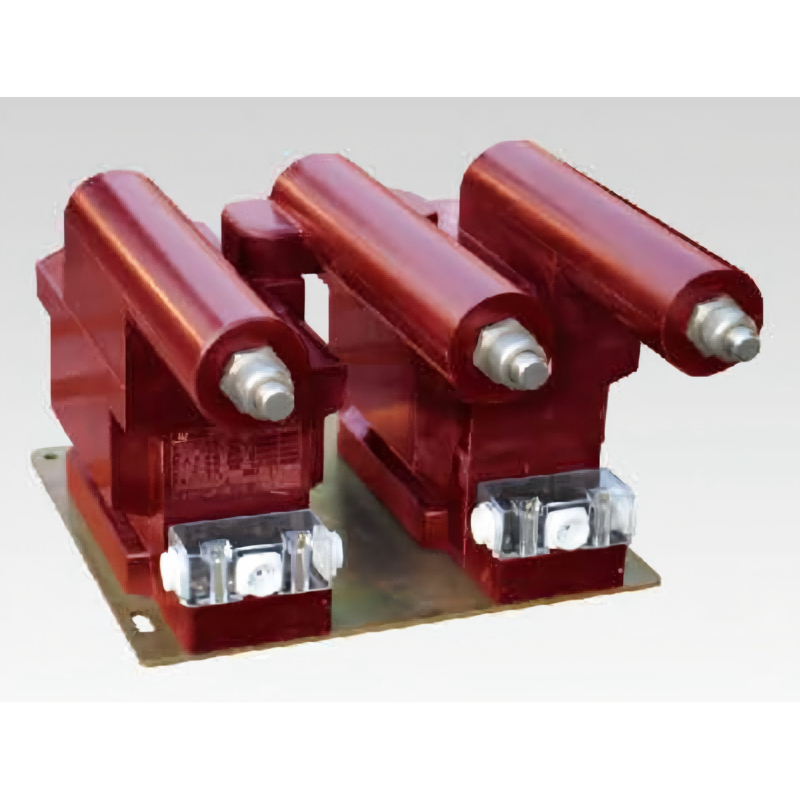
Voltage transformers play a critical role in modern power distribution systems by delivering accurate voltage measurements to protective relays and monitoring devices. These precision instruments ensure that grid protection systems respond correctly to electrical faults, preventing cascading failures and minimizing downtime across industrial and utility networks. Understanding how voltage transformers improve grid protection accuracy is essential for engineers and facility managers responsible for maintaining reliable power delivery.
The fundamental purpose of voltage transformers is to step down high transmission voltages to standardized low voltages suitable for protective relays, meters, and instrumentation. By maintaining precise voltage ratios, voltage transformers enable protection systems to detect faults with exceptional accuracy, triggering appropriate circuit breaker operations before damage escalates. This measurement precision directly translates into improved grid stability and reduced risk of unplanned outages.
How Voltage Transformers Enable Accurate Fault Detection
Precision Voltage Measurement for Relay Systems
Protective relays depend on accurate voltage signals to distinguish between normal operating conditions and genuine faults requiring immediate isolation. Voltage transformers convert kilovolt-level transmission voltages into volt-level signals that relays can safely process and analyze. When voltage transformers deliver unstable or inaccurate measurements, relay systems misinterpret grid conditions, leading to either delayed fault clearance or false trips that disrupt service to customers.
The accuracy of voltage transformers directly impacts relay response time and discrimination capability. voltage transformers with tight tolerance specifications ensure that relays receive voltage information within a narrow margin of error, allowing protective algorithms to calculate fault location and severity with confidence. This precision is especially important in multi-zone protection schemes where several layers of relays must coordinate seamlessly.
Minimizing False Trips and Nuisance Outages
Inaccurate voltage measurements from poorly specified voltage transformers often trigger unnecessary circuit breaker trips, creating artificial outages that damage customer relationships and reduce system revenue. When voltage transformers exhibit nonlinear response characteristics or frequency-dependent errors, relays receive distorted signals that exceed alarm thresholds despite normal operating conditions. Industrial facilities equipped with voltage transformers designed for standard grid profiles may experience frequent false alarms when connecting microgrids or distributed generation sources.
Quality voltage transformers maintain consistent accuracy across the full frequency range and under transient conditions, ensuring relays respond only to genuine faults. This reliability reduces unnecessary equipment cycling and extends the service life of switchgear components. Utilities implementing voltage transformers with enhanced burden ratings and lower magnetizing current achieve more stable voltage signals, directly correlating with improved relay performance and customer satisfaction.
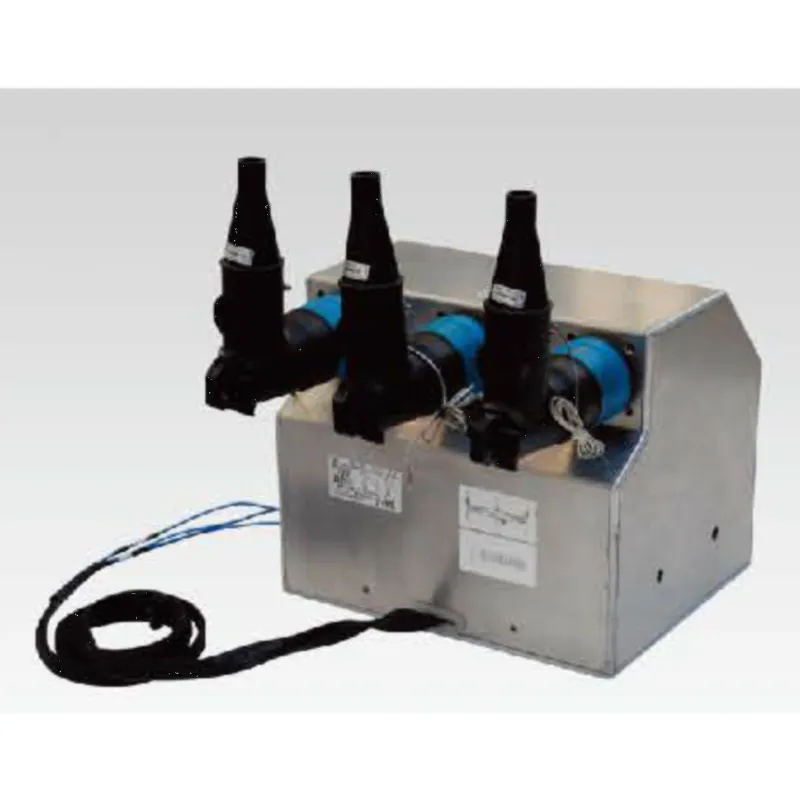
Key Performance Characteristics of High-Accuracy Voltage Transformers
Burden Rating and Accuracy Class Selection
Voltage transformers are specified according to accuracy classes that define maximum allowable voltage ratio errors under standardized load conditions. Accuracy class 0.2 voltage transformers introduce errors below 0.2 percent, making them suitable for revenue metering and critical protection applications where precision directly affects protection reliability. Accuracy class 0.5 voltage transformers offer adequate performance for many utility applications but may not meet emerging smart grid requirements demanding real-time voltage monitoring across hundreds of measurement points.
The burden rating of voltage transformers indicates the maximum load the secondary winding can supply without exceeding specified accuracy limits. When burden loads increase beyond the rated capacity, voltage transformers experience voltage drops that degrade measurement accuracy and impair relay function. Modern protection schemes incorporating digital relays and synchrophasors require voltage transformers with lower burden ratings to accommodate multiple connected devices while maintaining accuracy.
Frequency Response and Transient Performance
Voltage transformers must maintain accurate measurement across a wide frequency spectrum to support grid protection during both steady-state and transient conditions. Ferroresonance phenomena can develop when voltage transformers encounter high impedance loads or certain circuit configurations, causing secondary voltage oscillations that confuse protective relays. Well-designed voltage transformers incorporate damping techniques and appropriate core materials to suppress ferroresonance while maintaining neutral earthing effectiveness.
Transient response characteristics determine how quickly voltage transformers can track voltage changes during fault conditions. If voltage transformers exhibit slow transient response, relays may fail to detect fault inception during the critical first milliseconds when intervention is most effective. Advanced voltage transformers engineered for modern protection schemes deliver rapid secondary voltage changes that enable faster fault detection and reduced incident duration.
Integration with Modern Grid Protection Standards
Alignment with IEC and ANSI Protection Standards
International standards define specific requirements for voltage transformers to ensure consistent protection performance across different utilities and countries. IEC 61869 standards establish accuracy classes, burden ratings, and test procedures that voltage transformers must satisfy for grid protection applications. Voltage transformers designed to IEC 61869 specifications provide utilities with confidence that protection systems will perform reliably regardless of operating conditions within design parameters.
ANSI C57.13 standards similarly govern voltage transformer specifications for North American power systems, emphasizing burden compatibility and accuracy maintenance during rated operation. When voltage transformers meet these recognized standards, utilities can replace units without redesigning protective schemes or recalibrating relay settings. This standardization simplifies maintenance programs and ensures that spare inventory remains functional across multiple facilities.
Support for Digital Relays and Phasor Measurement Units
Modern protection architectures incorporate digital relays and phasor measurement units that extract voltage phasors and harmonics from secondary signals. Voltage transformers designed for digital relay environments must maintain consistent phase angles across frequency bands and suppress harmonic distortion that would confuse numerical protection algorithms. Phase shift errors in voltage transformers degrade differential protection accuracy and impair the coordination of distance relays during complex fault scenarios.
Phasor measurement units depend on voltage transformers that deliver stable voltage references synchronized with GPS timing signals. When voltage transformers introduce unpredictable phase shifts or phase lag variations, phasor data quality deteriorates, reducing the effectiveness of wide-area protection schemes and grid stability monitoring. Utilities expanding synchrophasor networks must specify voltage transformers explicitly designed to support real-time measurement accuracy demands.
FAQ
Why do voltage transformers affect grid protection accuracy?
Voltage transformers are the primary measurement interface between high-voltage power systems and protection relays operating at standardized low voltages. Any errors introduced by voltage transformers propagate directly into relay decision-making logic, causing delayed fault detection or false trips. Inaccurate voltage transformers fundamentally undermine the precision of grid protection schemes regardless of relay sophistication or algorithm quality.
What accuracy class should voltage transformers meet for protection applications?
Accuracy class 0.2 voltage transformers are recommended for critical protection applications requiring the highest measurement reliability and fastest fault detection response. Class 0.5 voltage transformers offer acceptable performance for many transmission and distribution scenarios where fault events are less frequent or less severe. Specific accuracy class selection for voltage transformers should consider relay sensitivity, fault clearing time requirements, and the consequences of false operations in your particular facility.
How do voltage transformers support emerging smart grid technologies?
Advanced voltage transformers with lower burden ratings and extended frequency response characteristics enable deployment of multiple measurement devices on secondary circuits without sacrificing accuracy. Voltage transformers specifically designed for phasor measurement units deliver stable phase references that improve wide-area monitoring capabilities and support advanced protection algorithms. As utilities adopt distributed energy resources and microgrids, voltage transformers engineered for modern environments become essential infrastructure supporting reliable operation.