
 EN



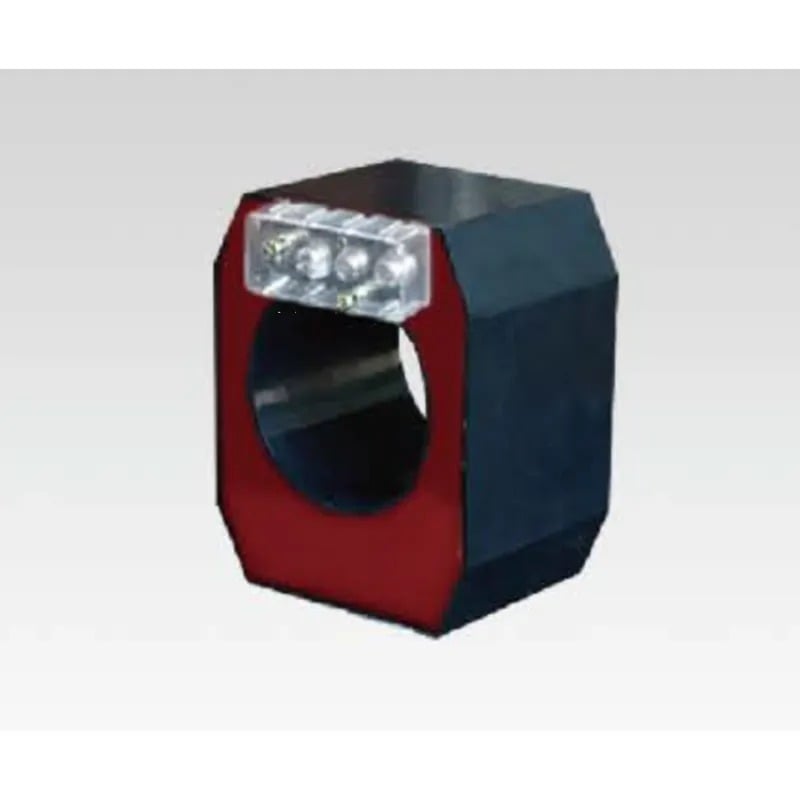
A current transformer is a specialized electrical device that plays a critical role in modern power distribution systems and industrial applications. These precision instruments convert high electrical currents into proportional, measurable currents that can be safely processed by meters, relays, and monitoring equipment. Without current transformers, utilities and industrial operators would struggle to measure power flow accurately, protect equipment from overloads, and maintain grid stability. The current transformer operates on electromagnetic principles that allow it to downscale currents by a fixed ratio, making it possible to gather real-time data from high-voltage circuits without direct physical contact or safety risks.
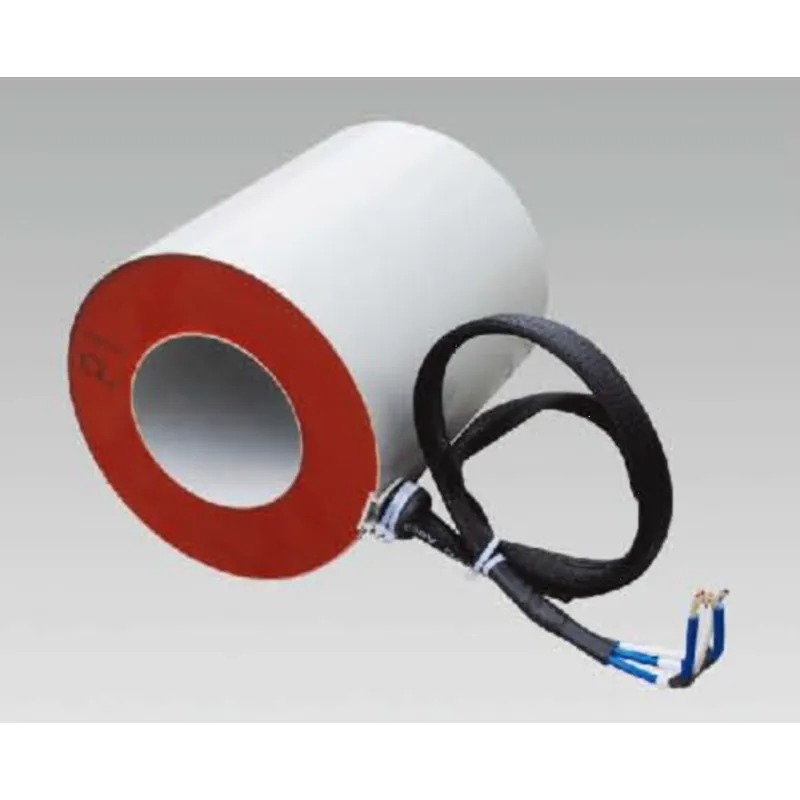
The importance of accurate current measurement in modern energy infrastructure cannot be overstated. As electrical grids become increasingly complex and power demands grow, the current transformer has become indispensable for monitoring system performance, detecting faults, and enabling demand-response programs. Industrial facilities rely on current transformers to track energy consumption, optimize load distribution, and ensure compliance with regulatory standards. Understanding how current transformers enable accurate power monitoring helps facility managers, electrical engineers, and utility operators make informed decisions about system design, maintenance, and upgrade strategies.
How Current Transformers Transform High Currents for Accurate Measurement
Core Operating Principles of Current Transformer Technology
The current transformer operates based on electromagnetic induction principles similar to conventional power transformers, yet with a critical design difference. Instead of stepping down voltage, a current transformer scales down electrical current into a proportional, measurable range. The primary winding of a current transformer carries the main circuit current, while the secondary winding produces a reduced current that is typically standardized to 1 ampere or 5 amperes, depending on the application. This proportional relationship ensures that readings from instruments connected to the secondary side accurately reflect the primary current, maintaining measurement fidelity across different load conditions. The turns ratio of a current transformer determines the transformation ratio, allowing engineers to select models suited to specific current ranges and monitoring requirements.
Safety and Practical Integration Benefits
One fundamental advantage of using a current transformer is the electrical isolation it provides between high-voltage primary circuits and measurement or protection devices. By converting large currents into smaller, safer levels, the current transformer allows standard meters, relays, and data acquisition systems to be connected without exposure to hazardous voltage levels. This isolation also protects sensitive electronic equipment from voltage spikes and transient events that might otherwise cause damage. Industrial facilities and utility substations rely on this safety characteristic to deploy standardized instrumentation across diverse voltage and current environments, reducing both installation costs and maintenance complexity. The current transformer essentially bridges the gap between high-power distribution circuits and conventional low-voltage monitoring equipment.
Role of Current Transformers in Real-Time Power Monitoring Systems
Energy Measurement and Consumption Tracking
Accurate power monitoring begins with precise current measurement, and the current transformer is the foundational component enabling this capability. When a current transformer feeds current data to a meter or analyzer, the equipment can calculate real-time power consumption, power factor, and energy usage patterns. Facility managers use current transformer data to identify peak demand periods, detect unusual consumption spikes that might indicate equipment malfunction, and benchmark performance against operational baselines. In demand-side management applications, current transformers provide the measurement granularity required for time-of-use billing, load balancing, and demand-response automation. The current transformer's ability to deliver consistent, repeatable readings across varying load conditions makes it essential for accurate revenue metering and operational efficiency tracking in both utility and industrial contexts.
Fault Detection and System Protection
Beyond simple measurement, the current transformer is critical for protective relay systems that safeguard equipment and personnel. Protective relays monitor the current transformer secondary output and trigger circuit breakers or alarms when fault conditions are detected, such as overcurrent, phase imbalance, or short circuits. The precision of the current transformer directly affects the speed and accuracy with which faults are identified and isolated, reducing damage to downstream equipment and minimizing outage duration. Modern multifunction protective relays integrate multiple current transformer inputs to perform sophisticated analyses, including harmonic detection, residual current monitoring, and differential protection schemes. Without reliable current transformers delivering accurate secondary currents, these protection strategies would lose effectiveness, putting critical infrastructure and personnel at risk.
Selecting and Maintaining Current Transformers for Optimal Performance
Performance Specifications and Application Matching
Choosing the right current transformer requires careful evaluation of several technical parameters to ensure reliable operation and measurement accuracy. The primary current rating must match the maximum expected circuit current, as undersizing or oversizing a current transformer compromises measurement accuracy and can shorten equipment life. The accuracy class of a current transformer—typically expressed as 0.2S, 0.5S, 1.0, or similar designations—specifies the maximum permissible error under standard test conditions. For revenue metering applications, current transformers with higher accuracy classes are preferred, while protection applications may tolerate broader tolerances. The current transformer burden, expressed in volt-amperes at rated secondary current, must be compatible with the connected instruments to prevent saturation and accuracy degradation. Proper application of these specifications ensures that the current transformer delivers the measurement fidelity required by your monitoring system.
Maintenance and Diagnostic Approaches
Maintaining current transformer accuracy involves routine inspections, periodic testing, and proactive replacement when degradation is detected. Visual inspections should verify that the current transformer secondary terminals remain securely connected and that insulation shows no signs of damage or moisture ingress. Regular burden measurements confirm that connected instruments remain within acceptable limits and that secondary windings maintain proper resistance. Thermal imaging during normal operation can identify hotspots indicating internal winding problems or imminent failure in a current transformer. Oil-filled current transformers require periodic oil analysis to detect moisture or dissolved gases that indicate internal degradation. Documenting current transformer test results and performance trends enables predictive maintenance strategies that prevent unexpected failures and extend the operational lifetime of your measurement and protection infrastructure.
FAQ
What is the main purpose of a current transformer in electrical systems?
The main purpose of a current transformer is to proportionally reduce high electrical currents to safe, measurable levels suitable for meters, relays, and monitoring equipment. A current transformer enables accurate measurement of power consumption, supports protective relay operations, and provides electrical isolation between high-voltage primary circuits and low-voltage instrumentation. This fundamental role makes the current transformer essential for power monitoring, equipment protection, and grid stability in modern electrical systems.
How does a current transformer differ from a conventional power transformer?
While both devices operate on electromagnetic induction principles, a power transformer steps down voltage while maintaining proportional power transfer, whereas a current transformer proportionally reduces current while isolating circuits. A current transformer is typically connected in series with a circuit to measure current, whereas a conventional power transformer steps voltage for distribution purposes. The current transformer design emphasizes measurement accuracy and secondary winding standardization, whereas a power transformer focuses on efficient voltage transformation across different system levels.
Why is current transformer accuracy important for power monitoring?
Current transformer accuracy directly affects billing accuracy, equipment protection reliability, and operational decision-making. Inaccurate current transformer readings lead to incorrect energy calculations, misaligned fault detection thresholds, and poor visibility into system performance. For utilities conducting revenue metering, even small current transformer inaccuracies multiply across thousands of customers, creating significant financial impact. Industrial facilities depend on precise current transformer data to optimize energy efficiency, maintain equipment reliability, and comply with power quality standards. Selecting and maintaining high-quality current transformers ensures that power monitoring data remains trustworthy and actionable.