
 EN



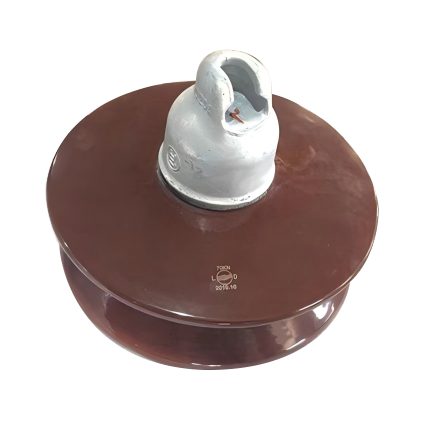
The electrical power industry depends on reliable insulation systems to maintain safe, efficient energy distribution across vast networks. A porcelain insulator serves as a critical component in this infrastructure, preventing electrical current from flowing where it should not and protecting equipment and personnel from dangerous faults. Understanding the standards that govern porcelain insulator design, manufacture, and performance is essential for engineers, utilities, and equipment managers who specify these components for power systems. Standards ensure consistency, safety, and reliability across suppliers and installations worldwide.
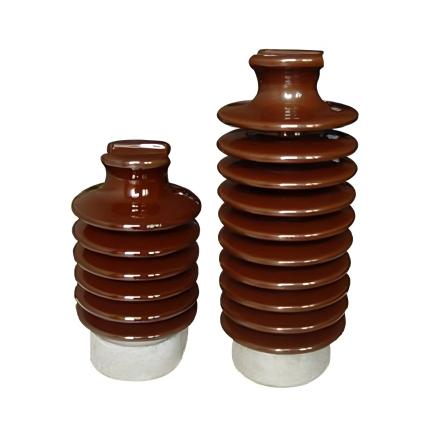
Compliance with established standards protects utilities from unexpected failures, ensures operational continuity, and reduces liability risks. Each porcelain insulator must meet rigorous electrical, mechanical, and environmental performance criteria established by international and regional standards organizations. The selection and specification of porcelain insulators require knowledge of which standards apply to your specific application, voltage class, and operating environment. This article explores the primary standards that apply to porcelain insulators in power systems and explains what each standard demands from manufacturers and users.
International and Regional Standards for Porcelain Insulators
IEC Standards and Global Adoption
The International Electrotechnical Commission (IEC) has established comprehensive standards that serve as the foundation for porcelain insulator specifications globally. IEC 60383 series standards define the requirements for porcelain insulators used in electrical power systems across different voltage levels and applications. A porcelain insulator complying with IEC standards demonstrates electrical strength through high dielectric rigidity, mechanical resistance to loading and vibration, and chemical durability in harsh outdoor environments. IEC standards specify the classification of porcelain insulators by voltage class, mechanical strength rating, and creepage distance, which is the minimum path length along the porcelain surface designed to prevent surface flashover.
The IEC framework applies to high voltage insulators, transmission line insulators, and distribution class porcelain insulators. Most modern porcelain insulator manufacturers design their products to meet IEC specifications because these standards are recognized by utilities and procurement professionals in nearly every country. The porcelain insulator standards within the IEC system address both new product design and acceptance testing for batch production. National standards organizations in major markets align their requirements with IEC specifications, creating a harmonized global market for porcelain insulator products.
American Standards and ANSI Specifications
In North America, the American National Standards Institute (ANSI) develops standards for porcelain insulators used in power systems. ANSI C29 series standards define requirements for porcelain insulators, including electrical performance, mechanical properties, and manufacturing quality. The ANSI C29.1 standard covers porcelain insulators for power systems and specifies dimensional classes, voltage withstand values, and mechanical strength requirements. A porcelain insulator manufactured to ANSI standards must demonstrate specific wet and dry breakdown voltages appropriate to its voltage class and insulation distance.
ANSI standards for porcelain insulators address both indoor and outdoor applications, with specific guidance on puncture resistance and erosion resistance for varying climatic zones. The porcelain insulator specifications within ANSI standards include acceptance criteria for visual defects, chip limits, and surface condition. Utilities in North America and utilities importing equipment to North America typically require compliance with ANSI standards alongside or instead of IEC standards. The porcelain insulator must pass specific mechanical load tests, electrical impulse withstand tests, and accelerated aging tests to achieve ANSI compliance.
Testing and Performance Requirements for Porcelain Insulators
Electrical Performance Testing
A porcelain insulator must successfully withstand electrical stresses that occur during normal operation and during fault conditions. Standards for porcelain insulators require testing of dry flashover voltage, wet flashover voltage, and impulse withstand voltage at the specified voltage class. The porcelain insulator is subjected to high-voltage testing in laboratories to confirm that the insulation material and design geometry provide adequate safety margins. Wet withstand testing simulates rainfall or coastal salt spray conditions where porcelain insulators face reduced electrical strength due to surface conductivity.
The porcelain insulator must also pass puncture resistance testing, which simulates the internal electrical stress that could occur if moisture penetrates microcracks or voids within the material. Test procedures for porcelain insulators include 50 kilovolt impulse tests, water jet impact tests, and thermal cycling tests that confirm long-term stability. The porcelain insulator specifications establish minimum withstand voltages with safety factors built in to account for field degradation over decades of service. Agencies performing porcelain insulator testing must use calibrated equipment and trained personnel following strict test protocols outlined in the applicable standards.
Mechanical and Environmental Durability
Standards for porcelain insulators mandate mechanical testing to verify that the product can withstand wind loads, ice accumulation, and mechanical stresses from installation and operation. The porcelain insulator must demonstrate adequate bending strength and compression strength to support its own weight and any conductor or hardware load applied to it. Mechanical load testing subjects the porcelain insulator to gradually increasing stress until fracture, establishing the ultimate mechanical strength rating. Environmental testing of porcelain insulators includes thermal shock cycling to confirm that the ceramic material and cement bonding do not degrade when exposed to rapid temperature changes.
Salt fog testing and humidity aging tests confirm that a porcelain insulator maintains its surface properties and resists electrochemical degradation in corrosive environments. The porcelain insulator material itself is inherently resistant to chemical attack, but the standards for porcelain insulators address the long-term durability of any metallic components and the adhesion of any coatings applied. Manufacturers must document that the porcelain insulator withstands accelerated aging protocols equivalent to years or decades of field service. The standards for porcelain insulators in coastal, industrial, and high-pollution environments often include additional environmental testing to confirm suitability for those regions.
Application-Specific Standards and Design Considerations
Voltage Class and Creepage Distance Requirements
Standards for porcelain insulators establish creepage distance requirements based on voltage class and pollution level in the intended service area. Creepage distance is the insulation path measured along the surface of the porcelain insulator and directly affects the electrical performance in wet or polluted conditions. The porcelain insulator must provide a minimum creepage distance, expressed in millimeters per kilovolt, to prevent surface tracking and flashover on the contaminated surface. Higher pollution environments require higher creepage values, which means a larger physical porcelain insulator or additional design features such as sheds or ribs to extend the surface path.
Standards for porcelain insulators define pollution severity levels from low to very high, and the porcelain insulator design must match the expected service environment. A porcelain insulator intended for coastal utility use must have substantially greater creepage distance than one used inland. The porcelain insulator specifications document the voltage rating and pollution category for each product model so that engineers can select appropriate insulators. Incorrect creepage distance selection can lead to premature surface failure and loss of insulating capability in the field, making this specification critical to long-term reliability.
Hardware, Mounting, and Interface Standards
Standards for porcelain insulators address not only the ceramic core but also the metal fittings, cements, and interface designs that attach the porcelain insulator to supporting structures or electrical conductors. The porcelain insulator must be permanently bonded to metal caps and pins using appropriate cements and manufacturing processes that prevent moisture intrusion and corrosion. Standards for porcelain insulators specify material compatibility between the ceramic, the bonding cement, and the metal hardware to ensure no galvanic corrosion or mechanical stress concentration occurs. The porcelain insulator interface design must allow sufficient mechanical and electrical performance even after decades of thermal cycling and vibration.
Manufacturing standards for porcelain insulators include quality assurance procedures, incoming material inspection, process controls, and final acceptance testing. The porcelain insulator must be inspected for visual defects, measured for dimensional accuracy, and tested for critical electrical and mechanical properties before shipment. Standards for porcelain insulators require manufacturers to maintain detailed records of production batches, test results, and any deviations from specifications. Traceability standards allow utilities to track porcelain insulator performance in the field and relate field failures back to specific manufacturing periods or material lots if needed.
FAQ
What voltage classes do porcelain insulator standards cover?
Standards for porcelain insulators cover voltage classes ranging from low voltage distribution systems below 1 kilovolt up to ultra-high voltage transmission lines at 765 kilovolts and above. Each voltage class within porcelain insulator standards specifies different electrical breakdown voltages, creepage distances, and mechanical load requirements. The porcelain insulator standard appropriate for your application depends on the system voltage, pollution environment, and mechanical loading conditions. Manufacturers typically offer porcelain insulator products across multiple voltage classes, and the standard determines which products are acceptable for each application.
How often are porcelain insulator standards updated?
Standards for porcelain insulators are periodically reviewed and updated to incorporate new materials, improved testing methods, and field experience. A porcelain insulator standard update typically occurs every 5 to 10 years, driven by advances in ceramic chemistry, digital measurement technology, and better understanding of failure modes. When a porcelain insulator standard is updated, manufacturers may need to modify product designs or implement new testing procedures to remain compliant. Utilities and equipment specifiers should track standard revisions to determine whether existing inventories of porcelain insulators remain acceptable or whether new products must meet updated requirements.
Can a porcelain insulator meeting IEC standards be used in North America?
A porcelain insulator designed to IEC specifications can sometimes be adapted for North American use, but utilities typically require verification that the porcelain insulator meets ANSI standards or equivalent performance criteria. The porcelain insulator electrical properties and mechanical performance required by IEC and ANSI standards are often similar, but dimensional standards, mounting interfaces, and testing protocols may differ. A porcelain insulator imported from an IEC-compliant manufacturer must undergo re-testing and qualification by the North American utility before acceptance. The porcelain insulator specification process should clearly state whether IEC, ANSI, or dual compliance is required to avoid supply chain delays and ensure seamless integration with existing equipment and procedures.