
 EN



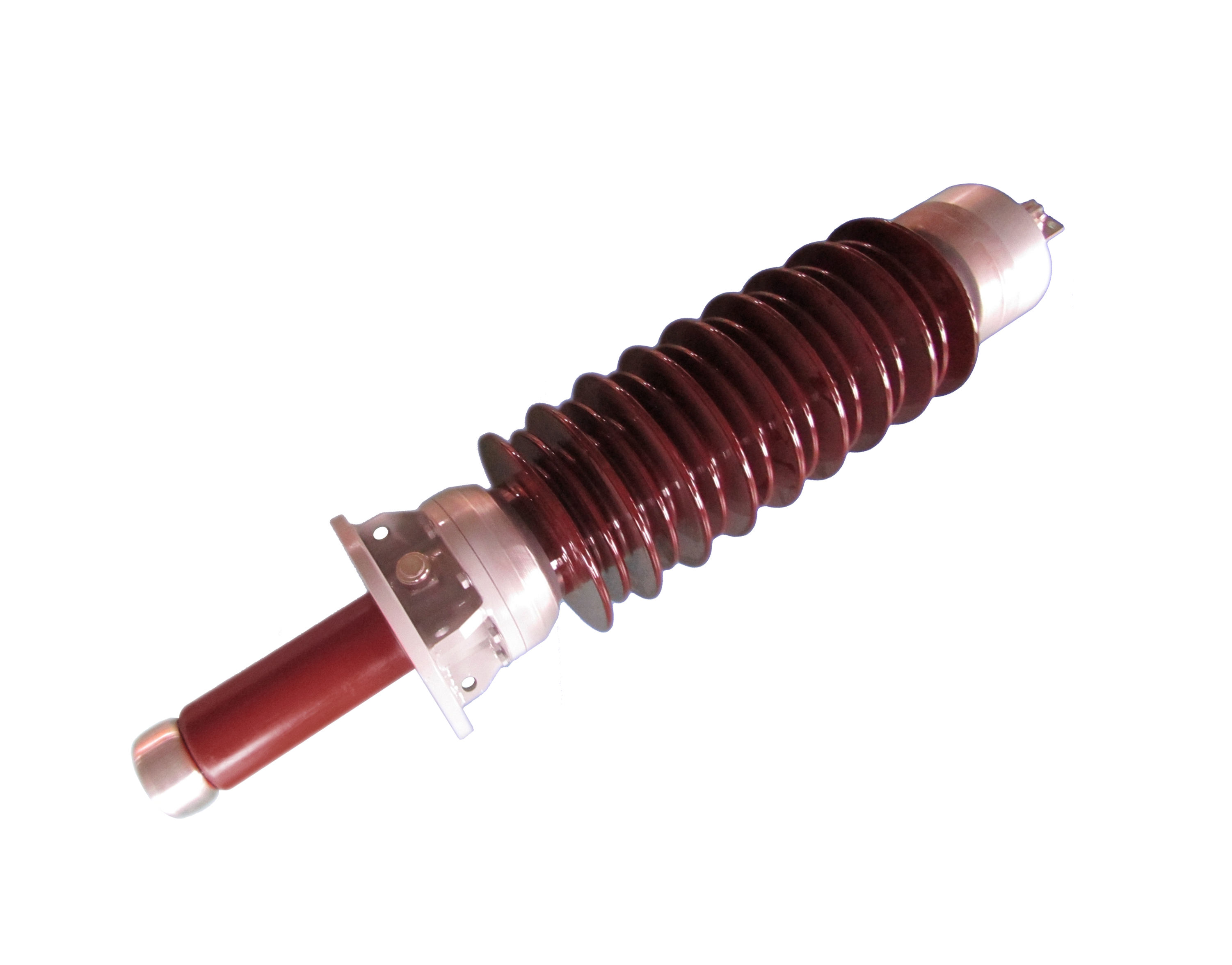
The porcelain insulator remains one of the most reliable components in electrical power transmission and distribution systems, engineered specifically to manage intense electrical stress over decades of continuous operation. Understanding how a porcelain insulator maintains its integrity under long-term electrical stress is essential for utilities, engineers, and maintenance professionals who depend on consistent grid performance. Electrical stress encompasses voltage surges, thermal cycling, moisture infiltration, and mechanical loading—all factors that test the durability of insulation materials daily.
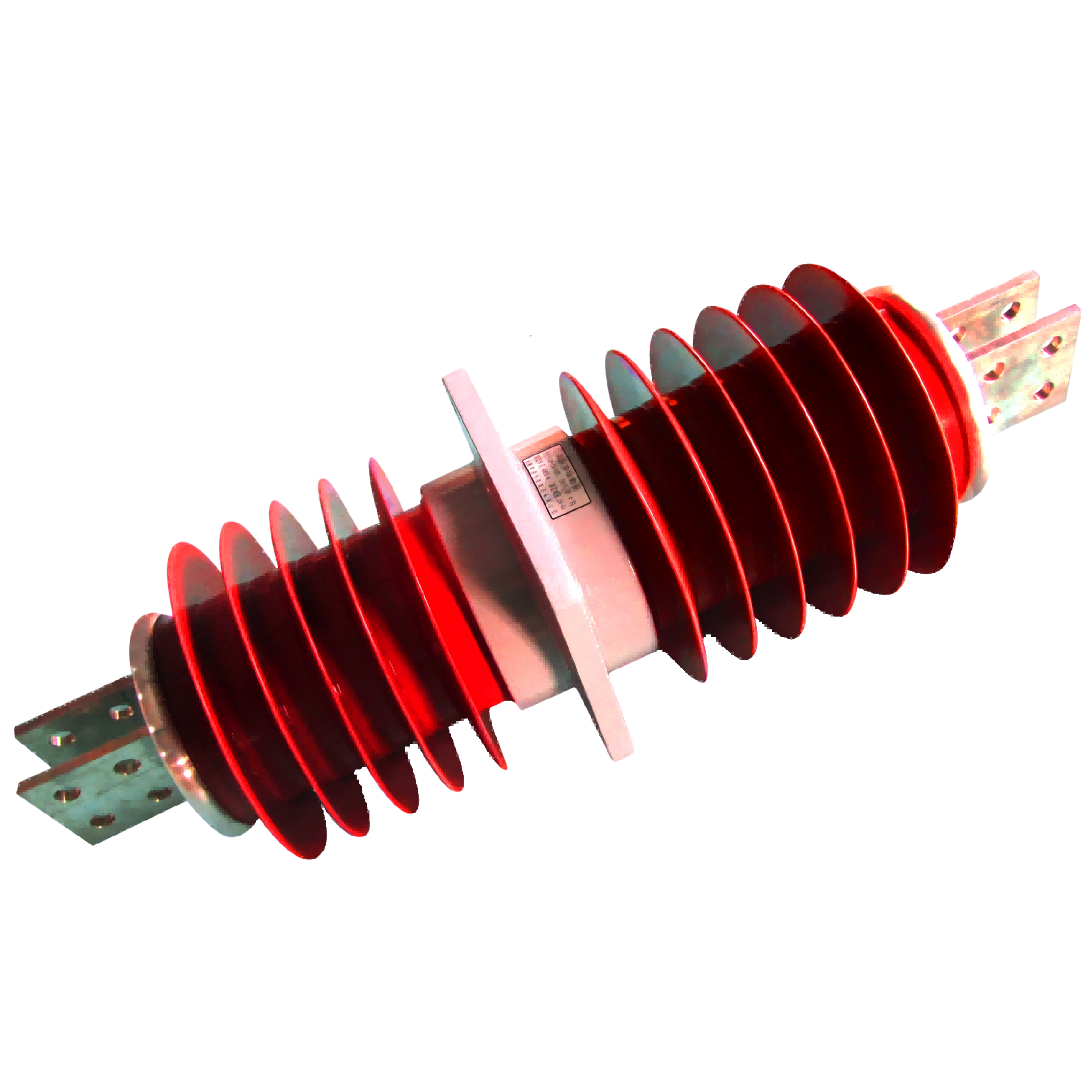
A porcelain insulator is specifically designed to resist electrical breakdown while maintaining mechanical strength under adverse field conditions. The material composition, surface finish, and geometric design work together to create a component that not only prevents electrical failure but also adapts to environmental challenges. This article explores the mechanisms, material science, and practical performance characteristics that allow a porcelain insulator to endure electrical stress throughout its operational lifespan.
Material Properties and Electrical Resistance
Ceramic Composition and Dielectric Strength
The porcelain insulator derives its electrical performance from carefully formulated ceramic materials, typically composed of kaolin clay, feldspar, and silica fired at high temperatures. This composition creates a dense, non-porous structure that resists electrical conductivity and prevents charge migration under sustained voltage. The dielectric strength of a porcelain insulator—its ability to withstand electric fields without ionization—is significantly higher than organic polymers or untreated materials. When exposed to long-term electrical stress, the crystalline structure of the porcelain insulator maintains its molecular stability, preventing the gradual breakdown that occurs in less robust materials.
Moisture Resistance and Surface Condition
The glazed surface of a porcelain insulator plays a critical role in resisting electrical stress by preventing moisture absorption. Long-term electrical stress combined with environmental moisture is one of the primary causes of insulation failure in inferior materials. A properly manufactured porcelain insulator resists moisture penetration through its impermeable glaze, which prevents leakage currents that would otherwise accumulate over years of exposure. The surface condition of a porcelain insulator remains stable even after extended periods of exposure to rain, salt spray, and atmospheric contamination, ensuring consistent electrical performance under stress.
Stress Distribution and Design Engineering
Geometry Optimization Under Electrical Stress
The shape and dimensional design of a porcelain insulator directly influence how electrical stress distributes across the component. Engineers design the porcelain insulator with multiple disc sections and carefully calculated diameters to ensure that electrical fields remain uniform and below critical ionization thresholds. The skirt design of a suspension-type porcelain insulator creates longer creepage paths, which distribute electrical stress over greater distances and reduce the risk of surface flashover. Each segment of a porcelain insulator is proportioned to share the voltage drop evenly, preventing stress concentration at vulnerable points where failure might initiate.
Mechanical Load Integration
Beyond electrical stress, a porcelain insulator must simultaneously manage mechanical loads from transmission line tension, wind pressure, and vibration. The internal stress distribution within a porcelain insulator must accommodate these mechanical forces while maintaining electrical integrity. Modern porcelain insulator designs incorporate reinforced cement interfaces and optimized internal stress paths that prevent cracking or delamination under combined electrical and mechanical stress. This dual-stress engineering ensures that a porcelain insulator neither experiences electrical breakdown nor mechanical failure during its operational lifetime.
Long-Term Performance Under Sustained Voltage
Aging Characteristics and Stability
One of the defining advantages of a porcelain insulator is its minimal aging under continuous electrical stress. Unlike organic insulators that gradually degrade through oxidation and material decomposition, a porcelain insulator maintains chemical stability across decades of operation. The ceramic matrix of a porcelain insulator does not undergo significant molecular changes when exposed to repeated voltage cycles, thermal fluctuations, or partial discharge phenomena. Laboratory testing of aged porcelain insulator samples shows negligible reductions in dielectric strength even after simulated exposure to many years of field conditions, demonstrating the material's inherent stability under prolonged electrical stress.
Environmental Stress Factors and Mitigation
Environmental conditions amplify electrical stress on insulators, yet a porcelain insulator is engineered to resist these combined challenges. Salt contamination, coastal fog, industrial pollution, and high humidity all accelerate insulation failure in weak materials, but the porcelain insulator resists degradation through its chemically inert glaze and dense structure. The surface of a porcelain insulator sheds contaminants naturally through rain and surface tension effects, preventing accumulation that would otherwise create conductive paths under electrical stress. Regular cleaning and maintenance of a porcelain insulator further ensures that external contamination does not compromise its long-term electrical performance.
Thermal Cycling Resilience
Temperature variations present a secondary form of stress that affects insulator longevity. A porcelain insulator resists thermal cycling damage because its coefficient of thermal expansion is relatively low and uniform throughout the ceramic matrix. When electrical current flows through a porcelain insulator under load, localized heating occurs, but the material's high thermal conductivity distributes this heat evenly, preventing hot spots that could trigger internal cracking. The robust microstructure of a porcelain insulator maintains its dimensional stability across temperature ranges from arctic cold to desert heat, ensuring that thermal stress does not contribute to cumulative failure over years of service.
FAQ
What causes electrical stress on porcelain insulators?
Electrical stress on porcelain insulators arises from sustained high voltage, voltage surges during switching events, lightning strikes, and partial discharges at the material surface. Long-term electrical stress also includes corona effects and the gradual accumulation of leakage currents through contaminated surfaces. These stressors challenge the insulation properties of a porcelain insulator continuously throughout its operational life.
How long can a porcelain insulator typically last under electrical stress?
A well-designed and maintained porcelain insulator typically lasts 25 to 50 years or longer under normal electrical stress conditions. The exact lifespan of a porcelain insulator depends on voltage levels, environmental contamination, maintenance practices, and the quality of the manufacturing process. Many utilities report porcelain insulators continuing to perform reliably beyond 50 years with minimal deterioration, demonstrating the material's exceptional resistance to long-term electrical stress.
Can a porcelain insulator be repaired if damaged by electrical stress?
Once a porcelain insulator is damaged by electrical stress or mechanical impact, it cannot be effectively repaired and must be replaced to restore system reliability. Cracks or punctures in a porcelain insulator compromise its dielectric strength and accelerate failure under electrical stress. Preventive replacement during scheduled maintenance prevents unexpected outages and ensures consistent performance across the transmission or distribution network.