
 EN
EN



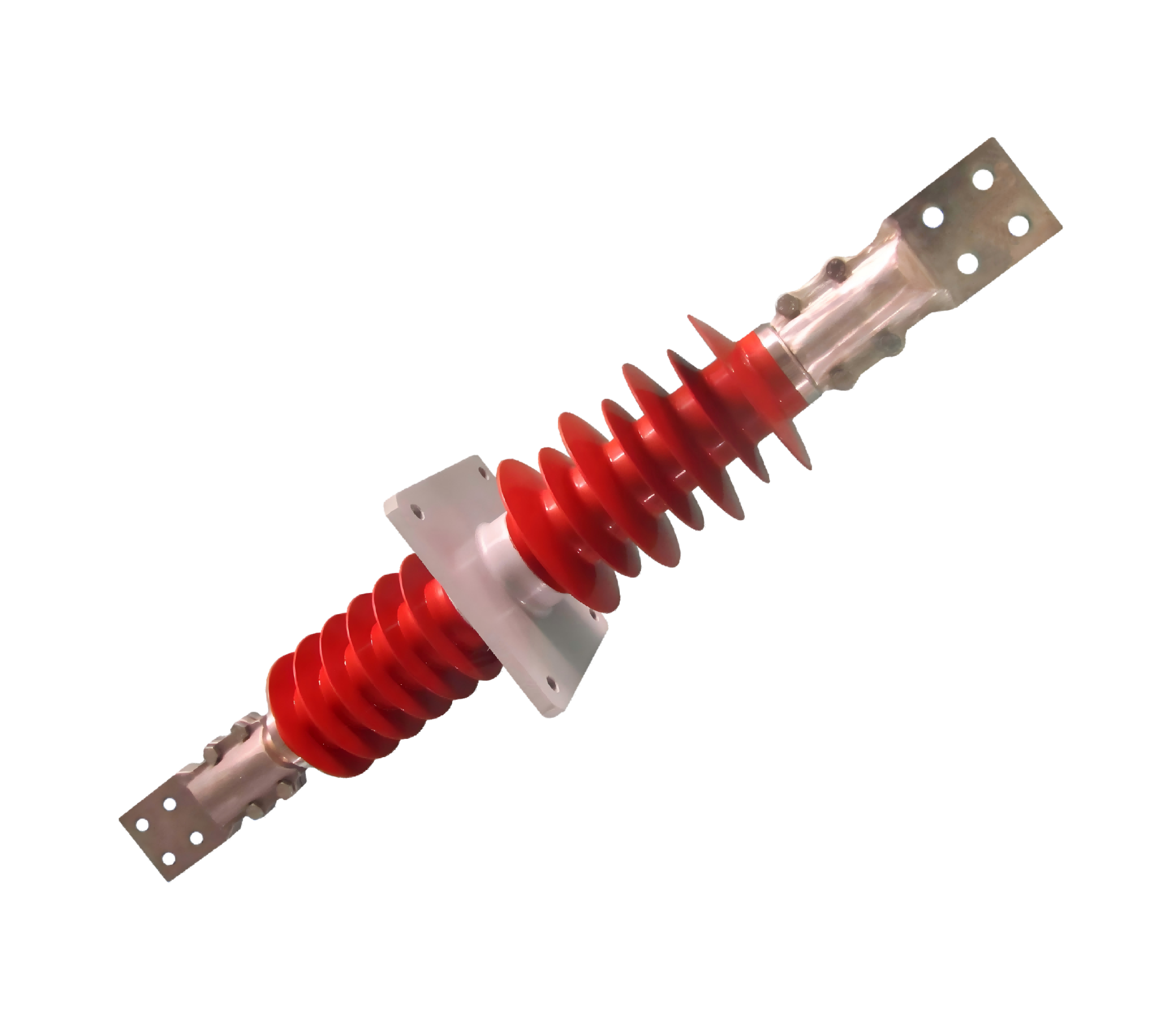
Electrical infrastructure relies heavily on specialized components that ensure safe and efficient power transmission, with wall bushing systems serving as critical elements in modern electrical installations. These components bridge the gap between indoor and outdoor electrical systems, providing essential insulation and protection while maintaining conductivity. Understanding the various installation factors that influence wall bushing performance is crucial for electrical engineers, facility managers, and maintenance professionals who aim to optimize their electrical systems for long-term reliability and safety.
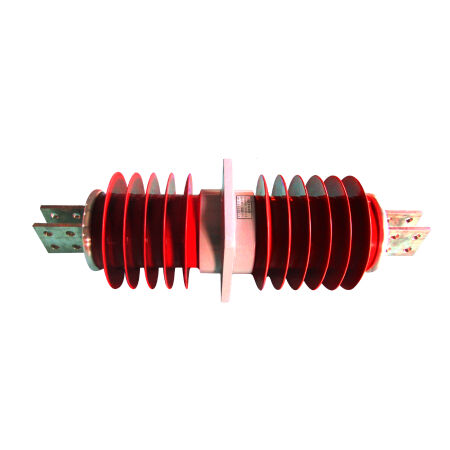
The complexity of wall bushing installations extends beyond simple mechanical mounting procedures. Multiple interconnected factors influence the overall performance, durability, and safety of these systems. Environmental conditions, proper alignment, material compatibility, and maintenance accessibility all play significant roles in determining how effectively a wall bushing will perform throughout its operational lifetime. Electrical professionals must carefully evaluate each of these elements during the planning and installation phases to ensure optimal system performance.
Environmental Considerations for Wall Bushing Installation
Temperature and Climate Impact
Temperature fluctuations represent one of the most significant environmental challenges affecting wall bushing performance. These electrical components experience thermal expansion and contraction cycles that can create stress on both the bushing materials and mounting structures. Extreme temperature variations can cause differential expansion between the wall bushing conductor and its insulating materials, potentially leading to mechanical stress or seal failures over time.
Climate conditions also influence the selection of appropriate wall bushing materials and protective coatings. Humid environments require enhanced moisture resistance, while areas with significant temperature swings demand materials with superior thermal stability. The installation team must consider local climate patterns, including seasonal variations, to select components that will maintain their integrity under expected operating conditions.
Proper thermal management during installation involves ensuring adequate clearance around the wall bushing to allow for thermal expansion. Installation teams should also consider the thermal conductivity of surrounding materials and structures to prevent heat buildup that could compromise performance or create safety hazards.
Moisture and Humidity Factors
Moisture infiltration poses significant risks to wall bushing systems, potentially causing insulation breakdown, corrosion, or electrical tracking. The installation process must include comprehensive moisture protection measures, including proper sealing of entry points and the use of appropriate gaskets and weather barriers. Humidity levels can also affect the dielectric properties of insulating materials, making moisture control a critical installation consideration.
Drainage considerations become particularly important when installing wall bushing components in areas prone to water accumulation. The installation angle and positioning must facilitate proper water runoff while maintaining electrical clearances and mechanical integrity. Additional protective measures, such as drip shields or moisture barriers, may be necessary in high-humidity environments.
Pollution and Contamination Concerns
Industrial environments often present unique contamination challenges that can significantly impact wall bushing performance. Airborne particles, chemical vapors, and other contaminants can accumulate on insulator surfaces, creating conductive paths that compromise electrical integrity. The installation design must account for local contamination levels and include appropriate protection measures.
Salt spray in coastal environments creates particular challenges for wall bushing installations, as salt deposits can create conductive pathways and accelerate corrosion processes. Specialized materials and protective coatings become essential in these environments, and installation procedures must ensure complete coverage and protection of vulnerable components.
Mechanical Installation Factors
Proper Alignment and Positioning
Precise alignment during wall bushing installation directly affects both mechanical integrity and electrical performance. Misalignment can create stress concentrations that lead to premature failure, while also potentially affecting the electrical characteristics of the system. Installation teams must use appropriate measurement tools and alignment procedures to ensure accurate positioning within specified tolerances.
The positioning of a wall bushing must also consider accessibility for future maintenance and inspection activities. Adequate clearances must be maintained around the component to allow for safe access by maintenance personnel, while also ensuring that electrical clearances meet applicable safety codes and standards.
Vertical and horizontal alignment requirements vary depending on the specific wall bushing design and application. Some installations require precise angular positioning to optimize electrical field distribution, while others may have more flexible positioning requirements. Understanding these specifications is essential for achieving optimal performance.
Mounting Structure Integrity
The structural integrity of mounting surfaces and support structures plays a crucial role in wall bushing performance and longevity. Inadequate structural support can lead to excessive vibration, misalignment, or mechanical failure of the bushing system. Installation teams must verify that mounting structures can handle both static loads and dynamic forces that may occur during operation.
Wall thickness, material composition, and structural reinforcement requirements must be carefully evaluated before installation. Some wall bushing applications may require additional structural modifications or reinforcement to provide adequate support. The mounting hardware and fastening systems must also be selected to provide long-term reliability under expected load conditions.
Seismic considerations may also influence mounting requirements in areas prone to earthquake activity. Flexible mounting systems or additional bracing may be necessary to prevent damage during seismic events while maintaining electrical integrity and safety clearances.
Electrical Performance Optimization
Conductor Connection Quality
The quality of conductor connections significantly impacts wall bushing electrical performance and long-term reliability. Proper connection techniques ensure minimal resistance and heat generation at joint locations. Connection materials must be compatible with both the wall bushing conductors and the connected electrical system to prevent galvanic corrosion or other compatibility issues.
Torque specifications for connection hardware must be carefully followed during installation to ensure proper contact pressure without over-stressing components. Under-tightened connections can create high resistance joints that generate excessive heat, while over-tightening can damage threads or create stress concentrations that lead to premature failure.
Connection inspection and testing procedures should be implemented during installation to verify proper electrical continuity and resistance values. These measurements provide baseline data that can be used for future maintenance and performance monitoring activities.
Grounding and Bonding Requirements
Proper grounding and bonding of wall bushing installations is essential for both safety and performance. Grounding systems must provide reliable paths for fault currents while also managing normal operational currents and voltages. The installation must comply with applicable electrical codes and standards for grounding conductor sizing, routing, and connection methods.
Bonding requirements extend beyond the wall bushing itself to include connected metallic components, mounting hardware, and nearby conductive structures. Proper bonding helps prevent potential differences that could create safety hazards or interfere with normal operation. Installation teams must ensure that all required bonding connections are made using appropriate materials and techniques.
Ground resistance testing should be performed as part of the installation process to verify that grounding systems meet performance requirements. Documentation of test results provides important baseline information for future maintenance and troubleshooting activities.
Material Compatibility and Selection
Insulation Material Performance
The selection and installation of appropriate insulation materials directly affects wall bushing electrical performance and service life. Different insulation materials offer varying characteristics in terms of dielectric strength, thermal stability, moisture resistance, and mechanical properties. Installation teams must ensure that selected materials are compatible with expected operating conditions and environmental factors.
Insulation installation techniques must prevent air gaps, moisture inclusion, or other defects that could compromise electrical integrity. Proper cleaning and preparation of surfaces before insulation installation helps ensure good adhesion and uniform coverage. Quality control measures during installation help identify and correct potential problems before they affect system performance.
Long-term aging characteristics of insulation materials should be considered during selection and installation. Some materials may require specific installation techniques or environmental controls to achieve their expected service life. Understanding these requirements helps ensure that wall bushing systems will provide reliable long-term performance.
Metallic Component Compatibility
Metallic components in wall bushing systems must be selected and installed to prevent galvanic corrosion and other compatibility issues. Different metals in contact with each other can create electrochemical cells that accelerate corrosion processes, particularly in the presence of moisture or other electrolytes. Material selection and installation techniques must account for these potential interactions.
Protective coatings and finishes on metallic components require careful handling during installation to prevent damage that could compromise their effectiveness. Installation procedures must include appropriate measures to protect finished surfaces and repair any damage that occurs during the installation process.
Thermal expansion differences between dissimilar metals can create mechanical stress in wall bushing assemblies. Installation designs must accommodate these differences through appropriate material selection, joint design, or thermal management techniques.
Maintenance Access and Long-term Serviceability
Accessibility Planning
Planning for future maintenance access during wall bushing installation significantly impacts long-term system reliability and operational costs. Adequate clearances must be maintained around installed components to allow for safe inspection, cleaning, and replacement activities. The installation design should consider the tools and equipment that will be needed for various maintenance tasks.
Access routes for personnel and equipment must be established during installation to ensure that maintenance activities can be performed safely and efficiently. This includes consideration of temporary work platforms, lifting equipment access, and electrical safety clearances that must be maintained during maintenance operations.
Documentation of installation details, including material specifications, torque values, and test results, provides essential information for future maintenance activities. Proper record-keeping helps maintenance teams understand system configuration and performance characteristics, enabling more effective troubleshooting and maintenance planning.
Component Replaceability
The installation design should facilitate replacement of wall bushing components when necessary, minimizing system downtime and replacement costs. This includes consideration of component standardization, availability of replacement parts, and the complexity of replacement procedures. Modular designs may offer advantages in terms of serviceability and replacement flexibility.
Replacement procedures should be documented during installation, including any special tools, techniques, or safety precautions that may be required. This information helps ensure that future replacement activities can be performed safely and effectively by qualified maintenance personnel.
Quality Control and Testing Procedures
Installation Verification Methods
Comprehensive testing and verification procedures during wall bushing installation help ensure that systems will perform as expected throughout their service life. Electrical testing should include insulation resistance measurements, continuity checks, and voltage testing as appropriate for the specific application and voltage class.
Mechanical installation verification includes dimensional checks, alignment measurements, and torque verification for critical connections. Visual inspections should be performed to identify any obvious defects or installation problems that could affect performance or safety.
Documentation of test results and installation parameters provides important baseline information for future maintenance and troubleshooting activities. This information helps maintenance teams identify changes in system performance that may indicate developing problems or maintenance needs.
Performance Monitoring Setup
Installation of monitoring systems during wall bushing installation can provide valuable information about system performance and condition over time. Temperature monitoring, partial discharge detection, and other diagnostic systems can help identify developing problems before they result in system failures.
Monitoring system installation must be carefully coordinated with the wall bushing installation to ensure compatibility and avoid interference with normal operation. Sensor placement and wiring routing must be planned to provide reliable monitoring while maintaining electrical clearances and safety requirements.
FAQ
How does ambient temperature affect wall bushing selection and installation?
Ambient temperature directly influences material selection, thermal management requirements, and installation procedures for wall bushing systems. High temperatures can accelerate aging of insulation materials and increase thermal stress on components, while low temperatures may affect material flexibility and thermal expansion characteristics. Installation teams must select materials rated for expected temperature ranges and ensure adequate thermal management through proper clearances and ventilation.
What are the most critical factors for ensuring long-term wall bushing reliability?
Long-term wall bushing reliability depends primarily on proper material selection, environmental protection, quality installation practices, and adequate maintenance access. Environmental factors such as moisture, contamination, and temperature extremes must be addressed through appropriate protective measures and material choices. Quality installation practices including proper alignment, connection techniques, and testing help ensure optimal initial performance, while maintenance accessibility enables ongoing care and monitoring.
How can installation teams prevent moisture-related problems in wall bushing systems?
Moisture prevention requires comprehensive sealing strategies, proper drainage design, and selection of moisture-resistant materials. Installation teams should use high-quality gaskets and sealing compounds at all penetration points, ensure proper surface preparation for sealing applications, and design installations to promote water runoff rather than accumulation. Regular inspection and maintenance of sealing systems helps maintain moisture protection throughout the system's service life.
What installation factors most commonly lead to premature wall bushing failure?
Common installation factors leading to premature failure include inadequate environmental protection, poor connection quality, misalignment or mechanical stress, and insufficient consideration of thermal effects. Contamination during installation, use of incompatible materials, and inadequate testing or quality control procedures can also contribute to early failure. Proper planning, quality materials, skilled installation practices, and comprehensive testing help prevent these common failure modes.
Table of Contents
- Environmental Considerations for Wall Bushing Installation
- Mechanical Installation Factors
- Electrical Performance Optimization
- Material Compatibility and Selection
- Maintenance Access and Long-term Serviceability
- Quality Control and Testing Procedures
-
FAQ
- How does ambient temperature affect wall bushing selection and installation?
- What are the most critical factors for ensuring long-term wall bushing reliability?
- How can installation teams prevent moisture-related problems in wall bushing systems?
- What installation factors most commonly lead to premature wall bushing failure?