
 EN
EN



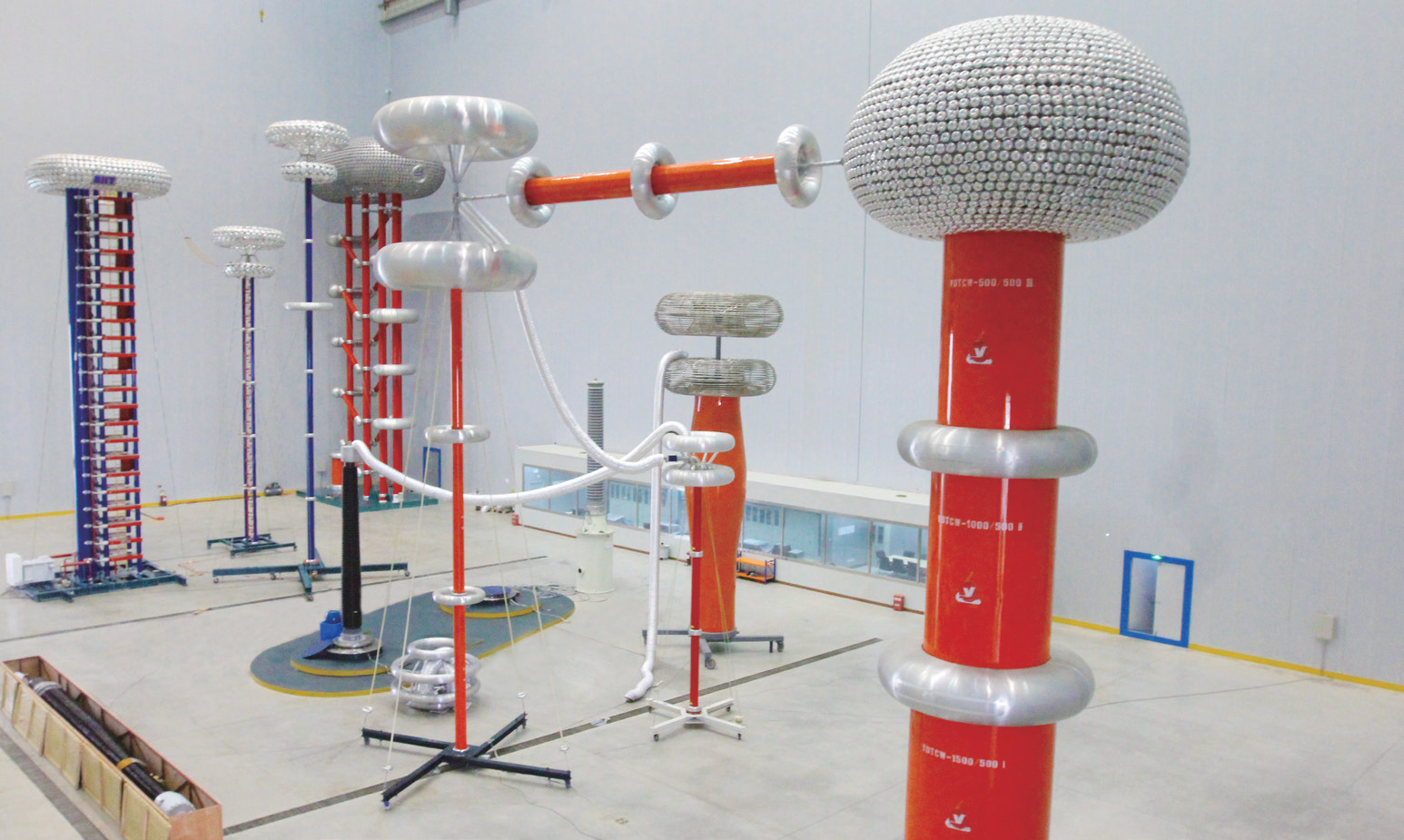
High voltage electrical systems require sophisticated components to manage the extreme electrical stresses that develop during operation. Among these critical components, the bushing serves as a vital interface between different voltage levels, ensuring safe and reliable power transmission. Understanding how electrical stress is controlled within these essential devices is crucial for engineers, technicians, and industry professionals working with high voltage equipment. The management of electrical stress directly impacts system reliability, safety performance, and operational longevity of electrical infrastructure.
Fundamental Principles of Electrical Stress in High Voltage Systems
Nature of Electrical Field Distribution
Electrical stress within high voltage equipment occurs when electric fields become concentrated in specific areas, creating potential failure points. In a typical bushing assembly, the conductor carries high voltage while the external housing connects to ground potential. This voltage difference creates an electric field that must be carefully managed to prevent breakdown. The field distribution naturally tends to concentrate at sharp edges, conductor terminations, and interface boundaries where different dielectric materials meet.
The geometry of the bushing significantly influences how electrical stress develops throughout the structure. Cylindrical configurations help distribute stress more evenly compared to angular designs, while the conductor diameter and insulation thickness ratios determine the maximum field strength at critical interfaces. Engineers must consider these geometric factors during the design phase to ensure optimal stress distribution across all operational conditions.
Dielectric Material Behavior Under Stress
Different insulating materials exhibit varying responses to electrical stress, affecting the overall performance of the bushing system. Porcelain, polymer composites, and oil-impregnated paper each have distinct dielectric properties that influence field distribution patterns. The permittivity differences between materials create interface effects that can either concentrate or disperse electrical stress depending on the specific configuration and material selection.
Material degradation under prolonged electrical stress represents a critical concern for bushing reliability. Partial discharge activity, thermal cycling, and chemical aging can gradually reduce the dielectric strength of insulating materials. Understanding these degradation mechanisms allows engineers to implement appropriate stress control measures and establish effective maintenance protocols for extended service life.
Capacitive Grading Systems and Field Control
Capacitive Core Design Principles
Modern high voltage bushing designs incorporate capacitive grading systems to control electrical stress distribution effectively. These systems utilize concentric cylindrical electrodes separated by dielectric layers, creating a controlled capacitive voltage divider network. Each electrode layer operates at a specific voltage level, ensuring gradual voltage transitions that minimize stress concentrations at material interfaces.
The capacitive core structure requires precise engineering to achieve proper voltage distribution across all layers. Electrode spacing, dielectric thickness, and material selection must be optimized to create uniform stress levels throughout the bushing assembly. Manufacturing tolerances play a critical role in maintaining the designed capacitance ratios that ensure effective stress control during operation.
Grading Ring Implementation
External grading rings provide additional stress control by modifying the electric field distribution around the bushing exterior. These metallic rings are strategically positioned to intercept field lines and redistribute electrical stress away from critical insulator surfaces. The size, position, and number of grading rings are carefully calculated based on the specific voltage class and environmental conditions expected during service.
Grading ring effectiveness depends on precise positioning relative to the bushing geometry and surrounding equipment. Computer modeling and field analysis tools help engineers optimize ring placement to achieve maximum stress reduction while maintaining adequate clearance distances. Regular inspection and maintenance of grading rings ensure continued effectiveness throughout the bushing service life.
Insulation Coordination and Stress Distribution
Multi-Layer Insulation Systems
High voltage bushing designs employ multiple insulation layers to achieve effective stress control across the entire voltage range. Each layer serves a specific function in managing electrical stress while providing mechanical support and environmental protection. The combination of solid dielectrics, liquid insulation, and gas-filled spaces creates a comprehensive barrier against electrical breakdown.
Layer interface management represents a critical aspect of bushing design, as stress concentrations often develop at boundaries between different materials. Proper bonding techniques, surface preparation, and material compatibility ensure reliable performance at these critical interfaces. Advanced manufacturing processes help minimize voids and irregularities that could become stress concentration points during operation.
Creepage Distance Optimization
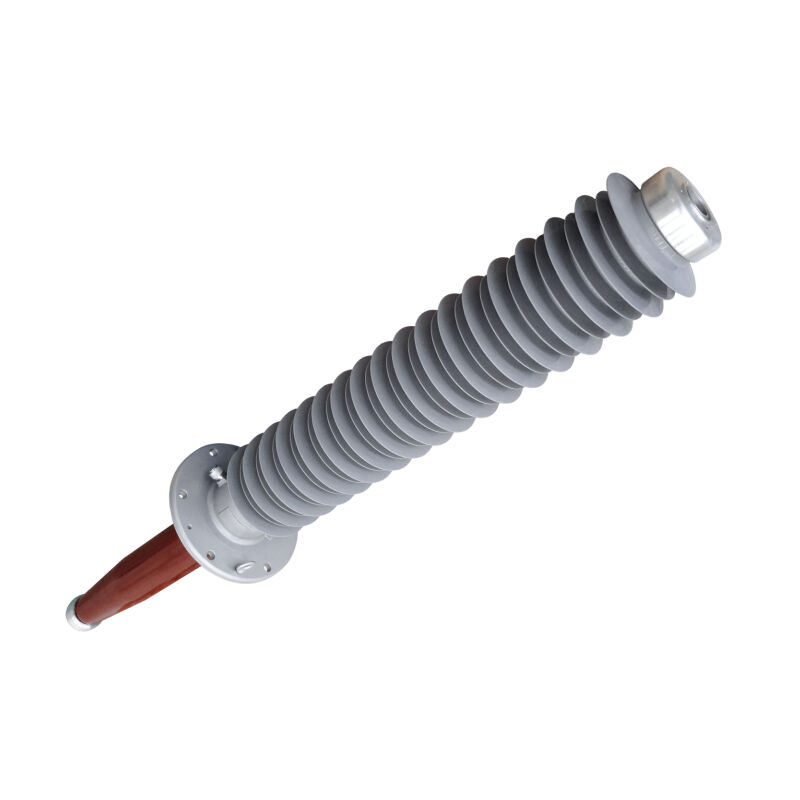
Surface flashover prevention requires careful attention to creepage distance design along the external bushing profile. The insulator sheds and ribs create extended surface paths that electrical discharges must traverse before reaching ground potential. Environmental factors such as pollution, moisture, and temperature variations influence the required creepage distances for reliable operation.
Modern bushing designs incorporate advanced shed profiles that maximize creepage distance while maintaining compact overall dimensions. Hydrophobic surface treatments and self-cleaning shed geometries help maintain insulation performance under adverse environmental conditions. Regular cleaning and inspection protocols ensure continued effectiveness of external insulation systems.
Temperature Management and Thermal Stress Control
Heat Generation and Distribution
Electrical losses within the bushing conductor and dielectric materials generate heat that must be effectively managed to prevent thermal degradation. Resistive losses in the conductor, dielectric losses in insulating materials, and partial discharge activity all contribute to internal heating. Excessive temperatures can accelerate material aging and reduce the dielectric strength of critical insulation components.
Thermal design considerations include conductor sizing for acceptable temperature rise, heat transfer path optimization, and cooling system integration where necessary. The thermal expansion differences between various materials within the bushing assembly create mechanical stresses that can affect electrical performance. Proper material selection and design accommodation help minimize these thermal stress effects.
Cooling System Integration
High current applications often require active cooling systems to maintain acceptable operating temperatures within the bushing assembly. Oil circulation systems, forced air cooling, and heat exchanger integration provide enhanced thermal management capabilities. These cooling systems must be designed to complement the electrical stress control measures without introducing additional failure modes.
Cooling system design affects the overall bushing configuration and may influence electrical stress distribution patterns. Proper coordination between thermal and electrical design requirements ensures optimal performance across all operating conditions. Monitoring systems provide continuous feedback on thermal performance to enable proactive maintenance and operational adjustments.
Manufacturing Quality Control and Testing
Production Process Validation
Manufacturing quality directly impacts the effectiveness of electrical stress control measures within the finished bushing assembly. Each production step must maintain precise dimensional tolerances and material specifications to achieve the designed electrical performance. Quality control procedures include material inspection, dimensional verification, and intermediate testing at critical manufacturing stages.
Advanced manufacturing techniques such as vacuum impregnation, precision winding, and automated assembly help ensure consistent quality across production runs. Statistical process control methods track key parameters that affect electrical stress distribution and overall bushing performance. Continuous improvement programs incorporate feedback from field experience and testing results to enhance manufacturing processes.
Electrical Testing Protocols
Comprehensive testing validates the electrical stress control performance of each bushing before installation. Standard test procedures include power frequency withstand tests, impulse voltage tests, and partial discharge measurements. These tests verify that the stress control systems perform as designed under various electrical stress conditions expected during service.
Specialized testing equipment and measurement techniques enable accurate assessment of bushing electrical performance. Tan delta measurements, capacitance testing, and power factor analysis provide detailed information about the condition of internal stress control components. Regular testing throughout the manufacturing process helps identify potential issues before final assembly completion.
Installation and Maintenance Considerations
Field Installation Requirements
Proper installation procedures are essential for maintaining the designed electrical stress control performance of bushing assemblies. Site preparation, handling protocols, and assembly procedures must follow manufacturer specifications to avoid damage to critical stress control components. Environmental factors at the installation site may require additional protection measures or modified installation techniques.
Installation quality verification includes dimensional checks, torque specifications, and preliminary electrical testing before energization. Connection integrity, grounding system adequacy, and clearance distance verification ensure safe and reliable operation. Proper documentation of installation procedures facilitates future maintenance and troubleshooting activities.
Preventive Maintenance Programs
Ongoing maintenance activities help preserve the effectiveness of electrical stress control systems throughout the bushing service life. Regular inspection schedules, cleaning procedures, and diagnostic testing detect potential issues before they develop into serious problems. Condition monitoring techniques provide continuous assessment of bushing electrical and mechanical condition.
Maintenance program development considers the specific environmental conditions, loading patterns, and operational requirements of each installation. Predictive maintenance technologies enable condition-based maintenance scheduling that optimizes resource utilization while maintaining high reliability levels. Training programs ensure maintenance personnel understand the critical aspects of bushing stress control systems.
Advanced Monitoring and Diagnostic Technologies
Online Condition Monitoring
Modern monitoring systems provide continuous assessment of bushing electrical condition without requiring equipment outages. Partial discharge monitoring, tan delta measurement, and thermal imaging techniques detect developing problems in stress control systems before they cause failures. These monitoring capabilities enable proactive maintenance scheduling and reduce the risk of unexpected outages.
Data analysis algorithms process monitoring information to identify trends and patterns that indicate changes in bushing condition. Integration with asset management systems provides comprehensive tracking of bushing performance over time. Alarm systems alert operators to conditions that require immediate attention or investigation.
Diagnostic Testing Advancement
Emerging diagnostic techniques offer enhanced capabilities for assessing bushing electrical stress control effectiveness. Frequency domain spectroscopy, polarization index measurements, and advanced partial discharge analysis provide detailed information about internal bushing condition. These diagnostic tools help maintenance teams make informed decisions about bushing replacement or refurbishment needs.
Portable testing equipment enables field assessment of bushing condition without requiring specialized laboratory facilities. Standardized testing procedures ensure consistent and reliable diagnostic results across different testing teams and locations. Integration of multiple diagnostic techniques provides comprehensive assessment capabilities that support effective asset management decisions.
FAQ
What causes electrical stress concentration in high voltage bushings
Electrical stress concentration occurs primarily at interfaces between different dielectric materials, sharp geometric features, and conductor terminations within the bushing assembly. The voltage difference between the high voltage conductor and grounded housing creates electric fields that naturally concentrate at these discontinuities. Poor design geometry, manufacturing defects, or material degradation can exacerbate stress concentration effects and potentially lead to insulation failure.
How do capacitive grading systems reduce electrical stress
Capacitive grading systems create controlled voltage division through concentric electrode layers that establish intermediate voltage levels between the conductor and ground. This arrangement forces the electric field to distribute more uniformly across multiple dielectric layers rather than concentrating at a single interface. The gradual voltage transition reduces peak stress levels and eliminates the sharp voltage gradients that could cause insulation breakdown in ungrated designs.
Why is temperature control important for bushing electrical performance
Temperature affects both the electrical properties of dielectric materials and the mechanical stresses within the bushing assembly. Higher temperatures reduce dielectric strength and accelerate aging processes that can compromise stress control effectiveness. Additionally, thermal expansion differences between materials create mechanical stresses that can affect electrode alignment and interface integrity, potentially altering the designed electrical stress distribution patterns.
What maintenance activities help preserve bushing stress control systems
Regular maintenance includes visual inspection of external surfaces and grading rings, cleaning of pollution deposits that could affect stress distribution, and periodic electrical testing to verify continued effectiveness of internal stress control components. Diagnostic testing such as tan delta measurements, partial discharge monitoring, and power factor analysis helps detect degradation in stress control systems before failures occur. Proper record keeping tracks bushing condition trends over time to support maintenance planning decisions.
Table of Contents
- Fundamental Principles of Electrical Stress in High Voltage Systems
- Capacitive Grading Systems and Field Control
- Insulation Coordination and Stress Distribution
- Temperature Management and Thermal Stress Control
- Manufacturing Quality Control and Testing
- Installation and Maintenance Considerations
- Advanced Monitoring and Diagnostic Technologies
- FAQ