
 EN
EN



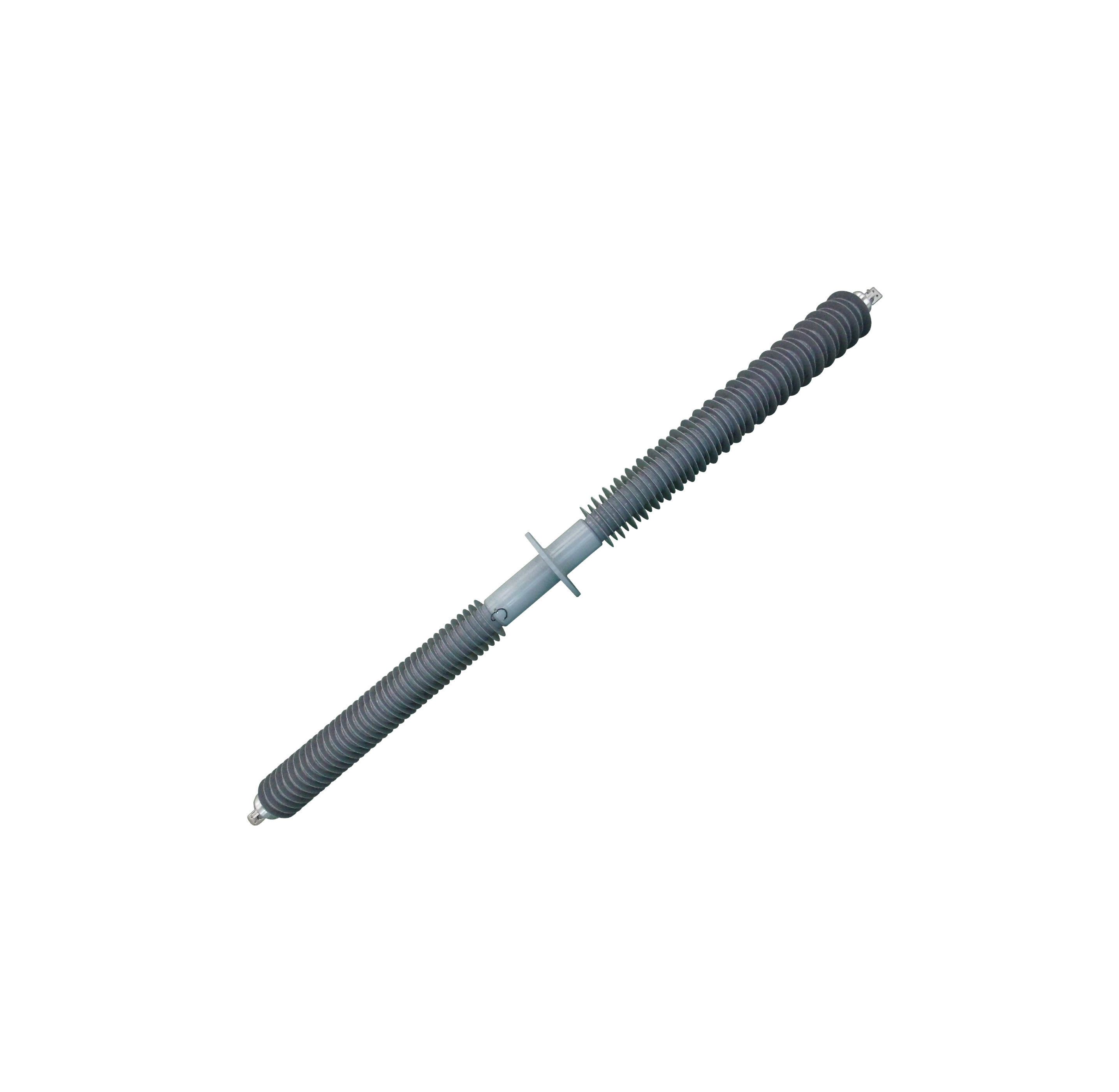
Power substations serve as critical infrastructure components in electrical transmission and distribution networks, facilitating the safe and efficient transfer of electrical energy across different voltage levels. Within these complex facilities, numerous specialized components work together to ensure reliable power delivery, with wall bushing systems playing an indispensable role in maintaining electrical isolation and structural integrity. These essential insulating devices create secure pathways for electrical conductors to pass through substation walls, barriers, and enclosures while preventing dangerous electrical faults and maintaining proper system grounding.
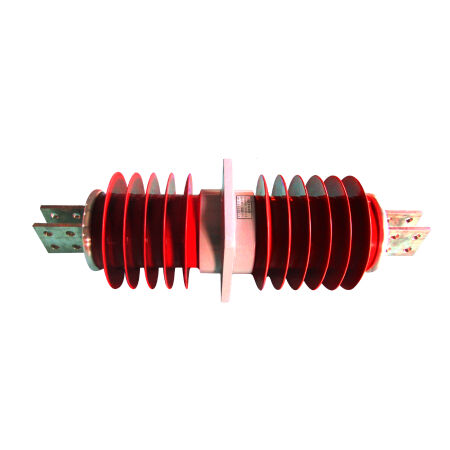
The fundamental purpose of a wall bushing extends beyond simple conductor passage, encompassing critical safety functions that protect both equipment and personnel from electrical hazards. Modern substation designs increasingly rely on sophisticated wall bushing technologies to accommodate higher voltage ratings, increased current capacities, and enhanced environmental protection requirements. Understanding the comprehensive role of these components helps engineers and facility managers make informed decisions about substation design, maintenance protocols, and equipment selection strategies that ensure long-term operational reliability and safety compliance.
Electrical Isolation and Insulation Functions
Primary Insulation Characteristics
The primary function of a wall bushing involves providing robust electrical insulation between high-voltage conductors and grounded substation structures. These specialized components utilize advanced dielectric materials, typically porcelain or composite polymers, designed to withstand extreme electrical stress while maintaining consistent insulation properties across varying environmental conditions. The wall bushing construction incorporates multiple insulation layers and stress-grading systems that distribute electrical fields uniformly, preventing localized stress concentrations that could lead to insulation breakdown or flashover events.
Modern wall bushing designs employ sophisticated insulation coordination principles that account for both power frequency voltages and transient overvoltages caused by switching operations or lightning strikes. The insulation system must maintain adequate safety margins under normal operating conditions while providing reliable protection during abnormal system events. Advanced manufacturing techniques ensure consistent dielectric properties throughout the wall bushing structure, with quality control measures that verify insulation integrity through rigorous electrical testing protocols including partial discharge measurements and voltage withstand verification.
Creepage Distance and Tracking Resistance
Effective wall bushing performance depends heavily on adequate creepage distance and superior tracking resistance characteristics that prevent surface flashover under contaminated conditions. The external insulator profile incorporates strategically designed sheds and ribs that maximize the surface path length between live conductors and grounded components, ensuring sufficient electrical clearance even when surface contamination accumulates. This design consideration becomes particularly critical in coastal environments, industrial areas, or regions with significant atmospheric pollution where conductive deposits can compromise insulation performance.
Tracking resistance properties of wall bushing materials determine long-term performance reliability under electrical stress combined with environmental exposure. High-quality insulating materials resist carbonization and surface degradation caused by partial discharge activity, maintaining consistent electrical properties throughout the expected service life. Regular inspection protocols monitor surface conditions and contamination levels, enabling proactive maintenance strategies that preserve wall bushing performance and prevent premature failure modes that could compromise substation reliability.
Mechanical Support and Structural Integration
Load Distribution and Stress Management
Beyond electrical functions, wall bushing systems provide essential mechanical support for conductor systems, distributing static and dynamic loads across substation structural elements. The mechanical design must accommodate various loading conditions including conductor weight, wind forces, seismic activity, and thermal expansion effects while maintaining precise alignment and electrical clearances. Proper wall bushing installation ensures load transfer through reinforced mounting systems that integrate seamlessly with substation civil and structural components.
Stress management within wall bushing assemblies requires careful consideration of material properties, joint designs, and thermal cycling effects that occur during normal operation. The mechanical interface between the wall bushing and structural supports incorporates flexible elements that accommodate differential thermal expansion while maintaining electrical continuity and structural integrity. Advanced finite element analysis techniques guide wall bushing design optimization, ensuring adequate safety factors under all anticipated loading scenarios throughout the expected service life.
Seismic and Environmental Resilience
Modern wall bushing installations must demonstrate superior seismic performance and environmental resilience to maintain substation functionality under extreme conditions. Seismic qualification testing verifies wall bushing integrity and conductor support capabilities under prescribed ground motion conditions, ensuring continued operation or controlled failure modes that protect surrounding equipment. The structural design incorporates damping elements and flexible connections that absorb seismic energy while preventing catastrophic failure that could affect adjacent substation components.
Environmental resilience encompasses resistance to temperature extremes, humidity variations, UV exposure, and corrosive atmospheric conditions that could degrade wall bushing performance over time. Material selection and surface treatments provide long-term protection against environmental degradation, while modular design concepts enable component replacement and upgrade without extensive substation modifications. Comprehensive environmental testing protocols validate wall bushing performance under accelerated aging conditions, providing confidence in long-term reliability expectations.
Safety and Protection Mechanisms
Arc Fault Prevention and Containment
Critical safety functions of wall bushing systems include arc fault prevention and containment capabilities that protect personnel and equipment from dangerous electrical events. The insulation design incorporates arc-resistant features and controlled failure modes that direct fault energy away from occupied areas and sensitive equipment. Proper wall bushing selection and installation create protective barriers that limit fault current magnitude and duration, enabling protective relay systems to isolate faulted sections before significant damage occurs.
Arc containment strategies within wall bushing designs utilize specialized materials and geometric configurations that resist arc propagation and minimize fault energy release. Gas-filled or vacuum-insulated variants provide enhanced arc extinction capabilities compared to conventional air-insulated designs, particularly important in compact substation layouts where equipment spacing is limited. Coordination with substation protection schemes ensures that wall bushing fault detection and isolation occur within acceptable timeframes to prevent cascading failures.
Personnel Safety and Access Control
Wall bushing installations create physical and electrical barriers that enhance personnel safety by preventing accidental contact with energized conductors during maintenance and inspection activities. The barrier function extends beyond simple physical separation, incorporating safety interlocks and visual indicators that clearly identify energized sections and safe approach distances. Proper wall bushing design enables safe maintenance practices while maintaining required electrical clearances and operational flexibility.
Access control mechanisms integrated with wall bushing systems ensure that maintenance personnel cannot inadvertently enter hazardous areas without proper safety procedures and equipment isolation. Lockout/tagout compatibility and visual safety indicators provide multiple layers of protection against electrical hazards. Training protocols emphasize proper wall bushing inspection techniques and safety procedures that protect personnel while maintaining system reliability and regulatory compliance requirements.
Technical Specifications and Performance Parameters
Voltage and Current Ratings
Wall bushing technical specifications encompass comprehensive voltage and current ratings that define safe operating parameters and application limits within substation environments. Voltage ratings include power frequency withstand levels, impulse withstand capabilities, and partial discharge inception voltages that ensure reliable performance under normal and abnormal operating conditions. Current ratings specify continuous and short-time thermal capabilities along with dynamic withstand levels for fault current conditions.
Performance parameters for wall bushing systems include temperature rise characteristics, power loss specifications, and electrical field distribution profiles that influence long-term reliability and efficiency. Standardized testing procedures validate these parameters under controlled laboratory conditions, providing confidence in field performance expectations. Advanced monitoring systems can track key performance indicators during service, enabling predictive maintenance strategies that optimize wall bushing lifecycle management and prevent unexpected failures.
Environmental and Mechanical Standards
Comprehensive environmental standards govern wall bushing design and testing requirements, ensuring reliable performance across diverse climatic conditions and installation environments. Temperature cycling capabilities, humidity resistance, pollution performance levels, and UV stability requirements establish minimum performance thresholds for various application scenarios. Mechanical standards address structural integrity, vibration resistance, and installation requirements that ensure proper integration with substation infrastructure.
Quality assurance protocols for wall bushing manufacturing include materials verification, dimensional accuracy checks, and comprehensive electrical testing that validates compliance with applicable standards and specifications. Factory acceptance testing procedures verify individual unit performance before shipment, while site acceptance testing confirms proper installation and system integration. Ongoing monitoring and periodic testing maintain performance verification throughout the service life, supporting reliability-centered maintenance strategies.
Installation and Maintenance Considerations
Proper Installation Techniques
Successful wall bushing installation requires adherence to precise alignment procedures, proper torque specifications, and careful attention to environmental sealing requirements that ensure long-term performance and reliability. Installation teams must possess specialized knowledge of electrical clearance requirements, mechanical loading considerations, and safety procedures specific to wall bushing handling and positioning. Proper installation techniques prevent common failure modes associated with misalignment, inadequate sealing, or improper mechanical connections.
Pre-installation inspection procedures verify wall bushing condition and compatibility with existing substation infrastructure, identifying potential issues before equipment energization. Installation documentation includes photographic records, test results, and as-built drawings that support future maintenance activities and troubleshooting efforts. Quality control measures during installation ensure compliance with manufacturer recommendations and applicable industry standards that govern wall bushing performance and safety requirements.
Preventive Maintenance Programs
Comprehensive preventive maintenance programs for wall bushing systems incorporate regular inspection schedules, performance monitoring protocols, and condition assessment techniques that identify developing problems before they affect system reliability. Visual inspections monitor surface conditions, contamination levels, and mechanical integrity while electrical testing verifies insulation performance and identifies degradation trends. Maintenance intervals reflect environmental conditions, loading history, and manufacturer recommendations that optimize reliability while controlling maintenance costs.
Advanced diagnostic techniques including thermal imaging, partial discharge monitoring, and insulation resistance trending provide early warning of wall bushing deterioration that could lead to service interruptions. Predictive maintenance strategies utilize historical data and condition monitoring results to optimize replacement timing and prevent unexpected failures. Maintenance documentation systems track performance trends and support reliability analysis that guides future wall bushing selection and application decisions within the substation environment.
FAQ
What is the typical lifespan of a wall bushing in substation applications
The typical lifespan of a wall bushing in substation applications ranges from 25 to 40 years, depending on environmental conditions, loading history, and maintenance practices. High-quality wall bushing installations in favorable environments with proper maintenance can exceed these timeframes, while harsh environmental conditions or inadequate maintenance may reduce service life. Regular condition monitoring and preventive maintenance programs help maximize wall bushing lifespan and prevent premature failures that could affect substation reliability.
How do environmental conditions affect wall bushing performance and selection
Environmental conditions significantly impact wall bushing performance through factors including pollution levels, temperature extremes, humidity variations, and UV exposure that can degrade insulation materials over time. Coastal environments require wall bushing designs with enhanced creepage distances and tracking resistance to handle salt contamination, while industrial areas may need pollution-resistant materials and specialized cleaning protocols. Proper wall bushing selection considers local environmental conditions and incorporates appropriate safety margins to ensure reliable long-term performance.
What are the key differences between porcelain and composite wall bushing materials
Porcelain wall bushing materials offer excellent electrical properties, superior tracking resistance, and proven long-term reliability but are heavier and more susceptible to mechanical damage. Composite wall bushing materials provide lighter weight, improved seismic performance, and resistance to vandalism while offering comparable electrical performance with enhanced hydrophobic surface properties. Material selection depends on specific application requirements, environmental conditions, and mechanical loading considerations that influence overall system performance and maintenance requirements.
How do wall bushing failures typically occur and what warning signs should operators monitor
Wall bushing failures typically occur through insulation degradation, mechanical damage, or seal deterioration that compromises electrical or structural integrity. Warning signs include visible surface tracking, discoloration, mechanical cracks, seal leakage, or abnormal electrical test results during routine maintenance inspections. Early detection through regular monitoring enables proactive replacement before catastrophic failure, while comprehensive failure analysis helps identify root causes and prevent similar occurrences in other wall bushing installations throughout the substation system.
Table of Contents
- Electrical Isolation and Insulation Functions
- Mechanical Support and Structural Integration
- Safety and Protection Mechanisms
- Technical Specifications and Performance Parameters
- Installation and Maintenance Considerations
-
FAQ
- What is the typical lifespan of a wall bushing in substation applications
- How do environmental conditions affect wall bushing performance and selection
- What are the key differences between porcelain and composite wall bushing materials
- How do wall bushing failures typically occur and what warning signs should operators monitor