
 EN
EN



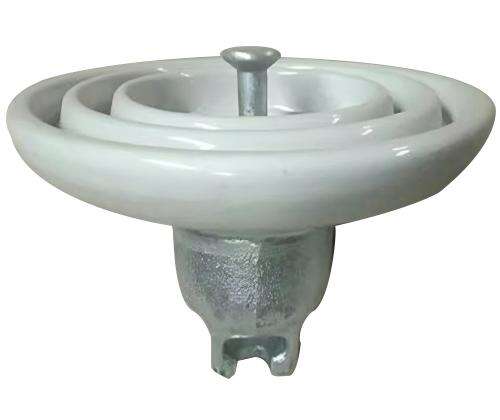
Ultra high voltage transmission lines represent the backbone of modern electrical infrastructure, carrying massive amounts of electrical energy across vast distances with minimal losses. At the heart of these critical systems lies a technology that has withstood the test of time - the porcelain insulator. Despite advances in materials science and the introduction of polymer alternatives, porcelain insulator technology continues to dominate ultra high voltage applications worldwide. These ceramic marvels have proven their reliability through decades of service in the most demanding electrical environments, from desert heat to arctic cold, maintaining their insulating properties while supporting tremendous mechanical loads.
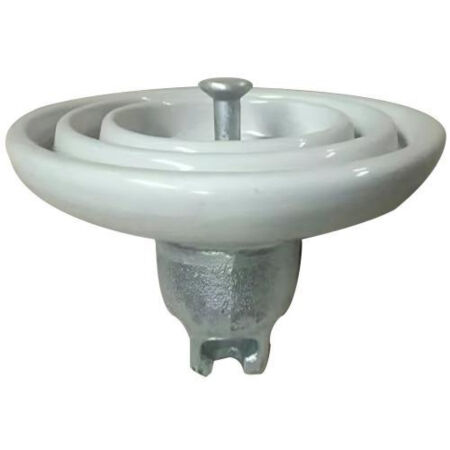
Fundamental Properties of Porcelain Insulators in High Voltage Applications
Dielectric Strength and Electrical Performance
The exceptional dielectric strength of porcelain insulator materials makes them ideally suited for ultra high voltage transmission systems operating at 345kV and above. Porcelain exhibits a dielectric strength typically ranging from 10 to 20 kV per millimeter, allowing engineers to design insulators capable of withstanding electrical stresses that would destroy other materials. This high dielectric strength results from the crystalline structure of fired porcelain, which creates a uniform material with minimal impurities that could compromise electrical performance.
The electrical properties of porcelain insulator units remain stable across wide temperature ranges, a critical requirement for outdoor transmission applications. Unlike some polymer materials that can experience significant changes in electrical characteristics with temperature variations, porcelain maintains consistent performance from -40°C to +60°C. This thermal stability ensures reliable operation in diverse climatic conditions, from the frozen tundra of northern Canada to the scorching deserts of the Middle East.
Surface resistivity is another crucial electrical parameter where porcelain insulator technology excels. The glazed surface of porcelain provides high surface resistance even under contaminated conditions, helping prevent flashover events that could cause system outages. The smooth, non-porous glaze also facilitates self-cleaning during rain events, maintaining electrical performance over extended service periods.
Mechanical Strength and Load-Bearing Capacity
Ultra high voltage transmission lines subject insulators to enormous mechanical stresses, including conductor weight, wind loading, and thermal expansion forces. A single porcelain insulator unit in a suspension string can be required to support loads exceeding 120kN while maintaining its electrical integrity. The compressive strength of porcelain, typically exceeding 500 MPa, provides the mechanical foundation necessary for these demanding applications.
The manufacturing process of porcelain insulator components involves careful control of clay composition, firing temperatures, and cooling rates to optimize mechanical properties. High-quality porcelain exhibits excellent resistance to impact and vibration, characteristics essential for transmission line applications where Aeolian vibration and conductor galloping can subject insulators to millions of stress cycles over their service life.
Porcelain insulator designs incorporate safety factors that account for extreme loading conditions, including ice storms, high winds, and seismic events. The brittle nature of porcelain, while sometimes viewed as a limitation, actually provides a predictable failure mode that allows maintenance crews to identify and replace damaged units before catastrophic failures occur.
Manufacturing Excellence and Quality Control in Porcelain Insulator Production
Raw Material Selection and Processing
The production of high-quality porcelain insulator components begins with the careful selection and processing of raw materials. Manufacturers typically use a blend of kaolin clay, feldspar, and quartz sand, with precise control over particle size distribution and chemical composition. The kaolin provides plasticity for shaping, while feldspar acts as a flux during firing, and quartz contributes mechanical strength to the finished porcelain insulator.
Advanced manufacturing facilities employ sophisticated quality control measures throughout the production process. Raw materials undergo extensive testing for chemical purity, particle size, and moisture content before being approved for use. The mixing process utilizes computer-controlled systems to ensure consistent composition across production batches, minimizing variations that could affect the electrical or mechanical properties of the finished porcelain insulator units.
The forming process shapes the porcelain body using either pressing or turning techniques, depending on the specific insulator design. Modern facilities employ automated systems that maintain precise dimensional tolerances while ensuring uniform wall thickness throughout the porcelain insulator profile. This consistency is crucial for achieving predictable electrical and mechanical performance in service.
Firing and Glazing Processes
The firing process represents the most critical phase in porcelain insulator manufacturing, transforming the shaped clay body into a dense, vitrified ceramic material. Kilns operate at temperatures typically ranging from 1250°C to 1350°C, with carefully controlled heating and cooling cycles that can extend over several days. This extended firing process ensures complete vitrification while minimizing internal stresses that could lead to premature failure.
Glazing provides the porcelain insulator with its characteristic smooth surface finish and enhanced electrical properties. The glaze composition is formulated to match the thermal expansion coefficient of the porcelain body, preventing crazing or spalling that could compromise performance. Multiple glaze coats may be applied to achieve the desired surface quality and electrical characteristics.
Quality control during the firing process involves continuous monitoring of kiln temperatures, atmosphere composition, and cooling rates. Advanced facilities utilize computerized kiln control systems that maintain precise temperature profiles and automatically adjust firing parameters to compensate for variations in ambient conditions or raw material properties.
Comparative Advantages Over Alternative Insulator Technologies
When evaluating insulator technologies for ultra high voltage applications, utilities must consider multiple factors including electrical performance, mechanical strength, environmental durability, and lifecycle costs. The porcelain insulator consistently demonstrates superior performance across these critical parameters, explaining its continued dominance in the most demanding transmission applications.
Environmental Durability and Weather Resistance
Porcelain insulator materials exhibit exceptional resistance to environmental degradation, maintaining their properties through decades of exposure to ultraviolet radiation, temperature cycling, and chemical contamination. Unlike polymer insulators that can experience surface erosion and tracking under severe pollution conditions, porcelain surfaces remain stable and retain their electrical characteristics throughout their service life.
The ceramic nature of porcelain provides inherent resistance to biological attack, preventing the growth of fungus or bacteria that could compromise insulator performance. This biological resistance is particularly important in tropical climates where high humidity and temperatures create favorable conditions for organic growth on insulator surfaces.
Porcelain insulator units demonstrate excellent resistance to acid rain and industrial pollutants that can degrade other materials over time. The chemically inert nature of fired porcelain prevents reactions with atmospheric contaminants, ensuring consistent performance even in heavily polluted industrial environments.
Long-Term Performance and Reliability
Service experience with porcelain insulator installations dating back over 70 years provides valuable data on long-term performance and reliability. Many original porcelain installations continue to provide reliable service, demonstrating the exceptional durability of this technology. This proven track record gives utilities confidence when specifying porcelain insulator systems for new ultra high voltage projects.
The predictable aging characteristics of porcelain allow utilities to develop effective maintenance programs based on decades of field experience. Unlike newer technologies where long-term behavior may be less well understood, porcelain insulator performance can be accurately predicted based on extensive historical data from similar applications and environments.
Failure modes for porcelain insulator units are well understood and typically involve visible damage that can be detected during routine inspections. This characteristic allows maintenance crews to identify and replace damaged units before they can cause system outages, contributing to overall transmission system reliability.
Economic Considerations and Lifecycle Cost Analysis
Initial Cost Competitiveness
While porcelain insulator units may have higher initial costs compared to some alternative technologies, their superior performance characteristics and extended service life often result in lower lifecycle costs. The manufacturing infrastructure for porcelain production is well-established globally, providing competitive pricing and reliable supply chains for utilities worldwide.
The standardized nature of porcelain insulator designs allows utilities to benefit from economies of scale and interchangeable components. Standard suspension and tension insulator designs can be sourced from multiple manufacturers, promoting competitive pricing and ensuring spare part availability throughout the insulator service life.
Transportation and installation costs for porcelain insulator systems are minimized through optimized packaging and handling procedures developed over decades of industry experience. The robust nature of porcelain allows for efficient shipping methods that would be unsuitable for more fragile insulator technologies.
Maintenance and Replacement Economics
The extended service life of porcelain insulator installations, often exceeding 50 years, significantly reduces lifecycle replacement costs compared to technologies with shorter service lives. This longevity is particularly valuable for transmission lines in remote locations where access costs for maintenance and replacement activities are substantial.
Maintenance requirements for porcelain insulator systems are well-established and typically involve periodic cleaning and visual inspection. The predictable nature of porcelain performance allows utilities to optimize maintenance schedules and resource allocation, reducing overall operational costs.
The recyclability of porcelain materials at end-of-life provides additional economic and environmental benefits. Worn porcelain insulator units can be crushed and used as aggregate in construction applications, eliminating disposal costs and providing revenue from material recovery.
Technical Specifications and Design Standards for Ultra High Voltage Applications
International Standards and Testing Requirements
Porcelain insulator designs for ultra high voltage applications must comply with rigorous international standards including IEC 60383 and IEEE C29 series standards. These specifications define dimensional tolerances, electrical performance requirements, and mechanical strength criteria that ensure reliable operation in demanding transmission applications.
Type testing procedures for porcelain insulator units include wet power frequency withstand tests, impulse voltage tests, and mechanical load tests that verify performance under extreme conditions. These comprehensive test programs validate the design margins and safety factors incorporated into porcelain insulator specifications.
Quality assurance testing during production includes routine verification of electrical and mechanical properties on sample units from each production batch. This testing ensures that manufacturing variations do not compromise the performance of porcelain insulator units delivered to utilities.
Design Optimization for Specific Applications
Modern porcelain insulator designs incorporate advanced computational modeling to optimize shed profiles for specific contamination environments. Finite element analysis allows engineers to minimize electrical stress concentrations while maximizing contamination performance through careful shed geometry design.
The modular nature of suspension insulator strings allows engineers to customize electrical and mechanical characteristics for specific applications by varying the number and type of porcelain insulator units in each string. This flexibility enables optimized designs for different voltage levels, environmental conditions, and mechanical loading requirements.
Advanced porcelain formulations continue to evolve, incorporating new materials and processing techniques that enhance performance while maintaining the proven reliability characteristics that have made porcelain the preferred choice for ultra high voltage applications.
Future Developments in Porcelain Insulator Technology
Advanced Materials and Manufacturing Innovations
Research and development efforts continue to refine porcelain insulator technology through advances in ceramic science and manufacturing processes. New alumina-enhanced porcelain formulations provide improved mechanical strength while maintaining the excellent electrical properties that characterize traditional porcelain insulator materials.
Manufacturing innovations including computer-controlled kiln systems and automated quality control processes are improving consistency and reducing production costs for porcelain insulator units. These technological advances help maintain the competitive position of porcelain technology against alternative insulator materials.
Surface treatment technologies are being developed to enhance the contamination performance of porcelain insulator surfaces without compromising the fundamental reliability characteristics that have made porcelain the technology of choice for critical transmission applications.
Smart Insulator Technologies and Condition Monitoring
Integration of condition monitoring technologies with traditional porcelain insulator designs represents an emerging trend in transmission system development. Embedded sensors can provide real-time data on insulator performance, enabling predictive maintenance strategies that optimize system reliability and reduce operational costs.
Wireless communication capabilities integrated into porcelain insulator assemblies allow remote monitoring of critical parameters including leakage current, temperature, and mechanical stress. This data enables utilities to optimize maintenance schedules and identify potential problems before they can cause system outages.
The robust nature of porcelain provides an ideal platform for integrating electronic components while protecting them from the harsh environmental conditions typical of transmission line applications. This compatibility positions porcelain insulator technology well for the smart grid applications of the future.
FAQ
What makes porcelain insulators superior for ultra high voltage applications compared to polymer alternatives?
Porcelain insulators offer superior long-term reliability and proven performance in ultra high voltage applications due to their exceptional dielectric strength, environmental durability, and predictable aging characteristics. Unlike polymer alternatives, porcelain maintains consistent electrical properties over decades of service and provides visible failure modes that enable proactive maintenance. The ceramic material is inherently resistant to UV degradation, tracking, and erosion, making it ideal for the most demanding transmission applications where failure is not an option.
How long can porcelain insulators be expected to last in transmission line service?
High-quality porcelain insulators typically provide 50 years or more of reliable service in transmission applications, with many installations exceeding 70 years of operation. The exceptional durability results from the stable ceramic material properties and resistance to environmental degradation. Regular inspection and cleaning can extend service life even further, making porcelain insulators one of the most cost-effective solutions when lifecycle costs are considered.
Are there any environmental advantages to using porcelain insulators over synthetic alternatives?
Porcelain insulators offer significant environmental advantages including complete recyclability at end-of-life, resistance to biological degradation, and no emission of harmful substances during normal operation or disposal. The manufacturing process uses abundant natural materials and produces no toxic byproducts. Additionally, the extended service life of porcelain reduces the frequency of replacement activities, minimizing environmental impact from maintenance operations and material consumption over the transmission line lifetime.
What quality control measures ensure consistent performance in porcelain insulator manufacturing?
Modern porcelain insulator manufacturing employs comprehensive quality control measures including rigorous raw material testing, computer-controlled processing parameters, and extensive electrical and mechanical testing of finished products. Each production batch undergoes routine testing to verify compliance with international standards, while type testing validates design performance under extreme conditions. Advanced manufacturing facilities utilize automated systems to maintain consistent composition and dimensional tolerances throughout the production process, ensuring reliable performance in critical transmission applications.
Table of Contents
- Fundamental Properties of Porcelain Insulators in High Voltage Applications
- Manufacturing Excellence and Quality Control in Porcelain Insulator Production
- Comparative Advantages Over Alternative Insulator Technologies
- Economic Considerations and Lifecycle Cost Analysis
- Technical Specifications and Design Standards for Ultra High Voltage Applications
- Future Developments in Porcelain Insulator Technology
-
FAQ
- What makes porcelain insulators superior for ultra high voltage applications compared to polymer alternatives?
- How long can porcelain insulators be expected to last in transmission line service?
- Are there any environmental advantages to using porcelain insulators over synthetic alternatives?
- What quality control measures ensure consistent performance in porcelain insulator manufacturing?