
 EN



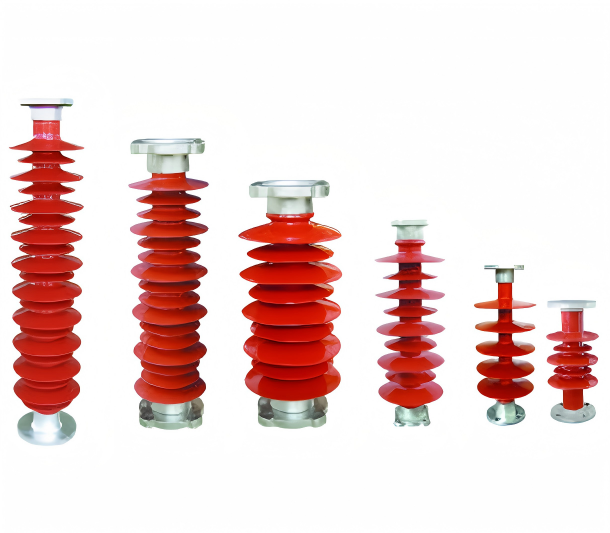
Hollow composite insulators have become essential components in modern electrical infrastructure, serving critical roles across numerous high-voltage applications. These advanced insulators combine polymer materials with a hollow core design, offering superior performance compared to traditional ceramic or porcelain alternatives. Understanding where and why hollow composite insulators are deployed helps engineers, utilities, and facility managers make informed decisions about electrical system design and maintenance. The applications of hollow composite insulators span from major power transmission networks to specialized industrial and utility installations, each requiring specific performance characteristics and reliability standards.
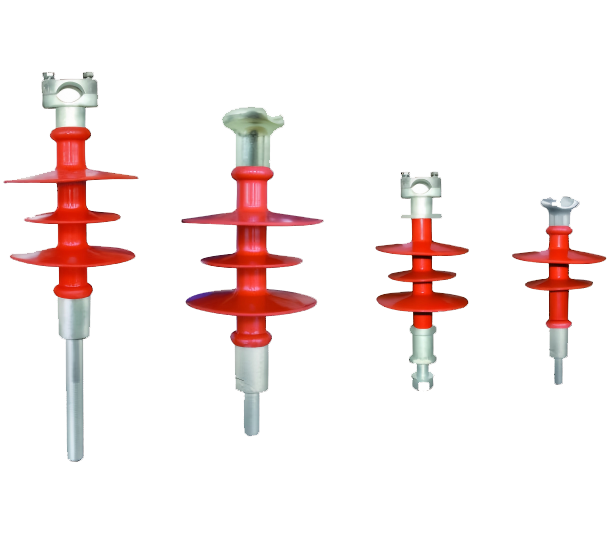
The versatility of hollow composite insulators stems from their lightweight construction, superior mechanical strength, and exceptional resistance to environmental degradation. Unlike traditional insulators, a hollow composite insulator delivers reliable electrical isolation while reducing installation labor, maintenance demands, and long-term operational costs. Their hollow structure enables practical mounting solutions and reduces transportation expenses, making them increasingly popular in utility networks worldwide. This article explores the primary applications where hollow composite insulators deliver measurable advantages and examines how their unique properties align with specific industry requirements.
Power Transmission Line Applications
High-Voltage Transmission Networks
Power transmission networks represent the largest single application category for hollow composite insulators. Transmission lines operating at voltages exceeding 110 kV regularly employ hollow composite insulators to support and isolate electrical conductors spanning long distances. A hollow composite insulator in transmission environments must withstand mechanical stresses from conductor tension, wind loads, ice accumulation, and temperature fluctuations while maintaining complete electrical isolation. The lightweight nature of hollow composite insulator technology reduces the structural demands on tower designs, allowing utilities to optimize tower height and spacing. Many transmission operators have successfully replaced aging ceramic post insulators with modern hollow composite insulator solutions, achieving improved performance and reduced maintenance requirements.
Distribution Line Support
Medium-voltage distribution systems operating between 10 kV and 35 kV frequently deploy hollow composite insulators on wood poles and concrete structures. These distribution applications require a hollow composite insulator capable of withstanding mechanical loading while providing reliable electrical performance in diverse climates. Distribution-class hollow composite insulators experience less mechanical stress than transmission counterparts but must remain durable across extreme temperature ranges, moisture exposure, and pollution conditions. The cost-effectiveness of hollow composite insulator solutions becomes particularly evident in distribution networks covering rural and remote regions where maintenance access is challenging. Utilities adopting hollow composite insulators in distribution systems report measurable reductions in flashover incidents and maintenance outages compared to traditional insulator types.
Industrial and Utility Station Applications
Substation Insulator Installations
Electric substations represent critical infrastructure points where voltage transformation and power routing occur, making insulator reliability absolutely paramount. Substation installations employ hollow composite insulators as post insulators, supporting transformers, circuit breakers, disconnect switches, and bus bar configurations. A hollow composite insulator serving substation duty must resist contamination from nearby industrial sources, handle mechanical vibration from switching operations, and maintain consistent electrical performance during fault conditions. The hollow composite insulator design offers practical advantages in substation environments where space constraints and maintenance accessibility directly impact operational efficiency. Substation engineers increasingly specify hollow composite insulators because their superior mechanical properties reduce bracket and support structure requirements compared to alternative insulator materials.
Switchgear and Equipment Support
Industrial switchgear installations frequently incorporate hollow composite insulators as structural support elements for high-voltage contact systems and disconnect mechanisms. These hollow composite insulator applications demand precise dimensional stability and predictable mechanical behavior under repeated switching cycles. Heavy-duty industrial environments such as mining operations, chemical processing facilities, and manufacturing plants particularly benefit from hollow composite insulator technology because it resists corrosive atmospheres and industrial contamination. A hollow composite insulator employed in switchgear duty must maintain insulation coordination with system voltage while providing reliable mechanical support for moving contacts and operating mechanisms. Industrial facility managers value hollow composite insulators because their superior material properties eliminate the fragility concerns associated with ceramic insulators in vibration-intensive environments.
Specialized Applications and Emerging Uses
Railway and Traction Power Systems
Railway electrification systems increasingly employ hollow composite insulators for overhead contact line support and electrical system isolation. These specialized traction applications require a hollow composite insulator capable of withstanding dynamic mechanical loading from pantograph contact, thermal cycling, and weather exposure. Railway operators select hollow composite insulators specifically for their ability to maintain performance despite mechanical vibration and the demanding environmental conditions along transportation corridors. The hollow composite insulator technology delivers superior reliability in railway settings where insulator failure could compromise entire electrified line segments and disrupt transportation services. Advanced composite materials used in modern hollow composite insulator designs provide the necessary resilience for railway traction duty while reducing replacement frequency and associated service interruptions.
Renewable Energy and Solar Installation
Solar farms and wind generation facilities increasingly incorporate hollow composite insulators into their electrical interconnection infrastructure. These renewable energy applications require a hollow composite insulator rated for extended outdoor service in unmanned locations where regular maintenance access may be limited. Photovoltaic array substations and wind turbine collector systems employ hollow composite insulators to support medium-voltage bus bars and switching equipment serving distributed generation networks. A hollow composite insulator deployed in renewable energy settings must deliver consistent performance across temperature extremes while resisting ultraviolet degradation and outdoor pollution exposure. The adoption of hollow composite insulators in renewable infrastructure reflects the industry's commitment to deploying durable, low-maintenance electrical components that support long-term generation reliability and operational cost management.
FAQ
What makes hollow composite insulators suitable for high-voltage applications?
Hollow composite insulators deliver superior mechanical strength-to-weight ratios, exceptional hydrophobic properties, and excellent tracking and erosion resistance compared to ceramic alternatives. These characteristics allow a hollow composite insulator to maintain reliable electrical isolation even in contaminated environments, polluted coastal areas, and industrial atmospheres where traditional insulators frequently fail. The hollow composite insulator's lightweight construction also reduces mechanical stresses on support structures, enabling more cost-effective infrastructure design and installation procedures.
How do hollow composite insulators perform in extreme temperature conditions?
Modern hollow composite insulators employ advanced polymer formulations engineered to maintain electrical and mechanical properties across extreme temperature ranges spanning from minus 40 degrees Celsius to plus 70 degrees Celsius or beyond. The hollow composite insulator material composition provides consistent performance without the brittleness concerns associated with ceramic insulators exposed to temperature cycling. This thermal stability makes hollow composite insulators particularly valuable in continental climates, high-altitude installations, and regions experiencing severe seasonal temperature variations.
Are hollow composite insulators more cost-effective than traditional ceramic insulators?
Total cost analysis typically favors hollow composite insulators when evaluating installation labor, transportation expenses, maintenance requirements, and operational lifespan. While initial material costs for a hollow composite insulator may exceed ceramic alternatives, the lightweight design reduces shipping expenses, the superior durability minimizes replacement frequency, and the reduced maintenance demands deliver significant long-term savings. Utilities conducting comprehensive lifecycle cost assessments consistently report that hollow composite insulators provide superior economic value across application categories spanning transmission, distribution, and industrial installations.