
 EN



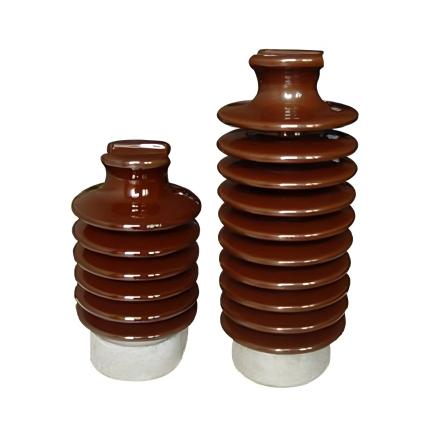
Porcelain insulators have stood the test of time in electrical substations across the globe, serving as a cornerstone technology for managing high-voltage transmission and distribution. When utilities and industrial operators evaluate insulation solutions, the question of reliability becomes paramount, and porcelain insulators continue to outperform modern alternatives in numerous critical applications. The reason for this continued dominance lies not in tradition alone, but in the fundamental material properties and proven performance characteristics that make porcelain insulators the preferred choice for demanding environments.
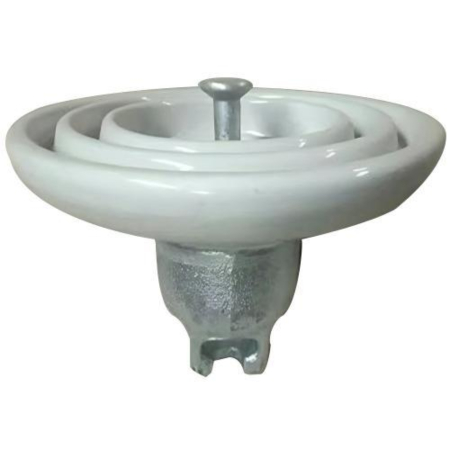
The reliability of a porcelain insulator depends on its ability to withstand mechanical stress, thermal cycling, electrical stress, and environmental contamination without degradation. Unlike composite materials that can degrade under ultraviolet exposure and thermal cycling, porcelain insulators remain chemically inert and maintain their structural integrity across decades of continuous operation. This article explores the engineering principles, environmental advantages, and long-term value proposition that explain why porcelain insulators remain the trusted standard in substation design worldwide.
Material Properties That Drive Porcelain Insulator Reliability
Chemical Inertness and Structural Stability
Porcelain insulators achieve exceptional reliability through their ceramic composition, which creates a material that resists chemical degradation at the molecular level. The firing process fuses silica, alumina, and feldspar into a dense crystalline structure that does not absorb moisture, unlike organic polymers used in composite alternatives. This moisture resistance is critical in substations where humidity, salt spray, and acidic atmospheres can accelerate material breakdown. When a porcelain insulator is properly manufactured, its surface develops a glassy finish that prevents penetration by corrosive agents, ensuring that electrical performance remains stable even in harsh coastal or industrial environments.
Thermal Performance and Cycling Durability
Substation equipment experiences significant thermal cycling as electrical loads fluctuate and seasons change. Porcelain insulators exhibit a coefficient of thermal expansion that remains consistent across a wide temperature range, preventing internal stress accumulation that would eventually cause cracking or mechanical failure. The material's thermal conductivity also allows heat to dissipate gradually, reducing the risk of thermal shock when sudden temperature changes occur. Many industrial operators report that porcelain insulators installed decades ago still maintain original electrical characteristics, demonstrating that thermal cycling does not degrade the material's core insulating properties or mechanical strength.
Environmental Resilience and Long-Term Performance
Contamination Resistance in Aggressive Environments
Coastal substations, industrial facilities near chemical plants, and regions with high air pollution face contamination challenges that threaten insulator reliability. Porcelain insulators withstand these environments because their non-porous surface prevents contaminant adhesion and microbial colonization that can compromise electrical performance. Salt spray does not corrode porcelain in the way it corrodes metal hardware, and the material maintains its hydrophobic properties without requiring maintenance treatments. Field studies from utilities operating in marine environments consistently show that porcelain insulators outperform composite materials in contamination resistance, reducing the frequency of cleaning interventions and minimizing unplanned downtime.
Mechanical Robustness Under Operational Stress
The mechanical reliability of a porcelain insulator depends on its ability to withstand tensile and compressive forces without fracture or permanent deformation. Porcelain achieves high compressive strength through its crystalline microstructure, which distributes mechanical stress across many load paths rather than concentrating stress at weak points. High-voltage substations subject insulators to wind loading, mechanical vibration from adjacent equipment, and thermal stresses that accumulate over time. The porcelain insulator's proven track record demonstrates that the material can sustain these operational stresses for fifty years or more without loss of mechanical integrity, whereas composite alternatives require replacement schedules measured in decades rather than half-centuries.
Electrical Performance and Tracking Resistance
Creepage Path Design and Flashover Prevention
The electrical reliability of a porcelain insulator is directly linked to creepage path design, which controls the distance an electrical arc must travel across the insulator surface before it bridges the gap between conductor and ground. Longer creepage paths reduce the probability of surface tracking, the phenomenon where electrical current burns away material and creates a conductive path. Porcelain insulators are engineered with multiple ribs and grooves that extend the creepage path, and the material's inherent resistance to tracking ensures that even if electrical stress is high, the porcelain insulator maintains its insulating properties. Advanced porcelain insulator designs incorporate pollution-resistant geometries that prevent water films from creating low-resistance pathways, providing an added layer of protection in contaminated environments.
Electrical Characterization and Standardization
International standards for porcelain insulators have been refined over more than a century, creating a body of engineering knowledge that ensures consistent electrical performance across manufacturers and installation sites. The porcelain insulator is characterized by its dielectric strength, which is the maximum electrical field it can withstand before breakdown occurs. Laboratory testing and field validation have established reliable data for porcelain insulators across different voltage classes and environmental conditions. This standardization means that design engineers can confidently specify porcelain insulators based on voltage class, pollution level, and mechanical load requirements, knowing that electrical performance will meet or exceed predicted values. In contrast, newer materials lack the decades of operational history that allow utilities to verify long-term electrical behavior under real-world conditions.
Cost-Benefit Analysis and Total Cost of Ownership
Initial Investment Versus Operating Expenses
The procurement cost of a porcelain insulator may be higher than some alternative materials, but this initial expense must be evaluated against the total cost of ownership over the equipment's operational lifetime. Porcelain insulators typically require minimal maintenance, do not need replacement due to material degradation, and eliminate costly unplanned outages caused by premature failure. A utility installing a porcelain insulator in a substation can reasonably expect forty to fifty years of reliable service with scheduled inspections but no routine refurbishment. When the porcelain insulator is eventually retired after decades of operation, its replacement cost is distributed across such a long service life that the annualized cost becomes highly competitive with materials that require replacement every fifteen to twenty years.
Maintenance Burden and Operational Efficiency
Porcelain insulators contribute to operational efficiency because their maintenance requirements are minimal and predictable. Unlike composite insulators that can degrade unpredictably or require UV-resistant coatings that deteriorate over time, a porcelain insulator placed in service requires only visual inspection for mechanical damage and periodic cleaning in contaminated environments. The porcelain insulator's reliability reduces the need for emergency repair crews and unplanned downtime events, which translates into sustained service availability and grid stability. Industrial operators appreciate that the porcelain insulator's well-understood degradation mechanisms allow maintenance planning to be optimized rather than reactive, freeing resources for other critical infrastructure needs.
FAQ
What makes a porcelain insulator more reliable than composite alternatives?
Porcelain insulators achieve superior reliability through material properties including chemical inertness, thermal stability, and resistance to ultraviolet degradation. The porcelain insulator's crystalline structure prevents moisture absorption and maintains electrical performance across thermal cycling, whereas composite materials can degrade under UV exposure and thermal stress. Fifty-year field performance data demonstrates that porcelain insulators maintain their original electrical and mechanical properties, whereas composite insulators have not yet demonstrated equivalent long-term reliability due to their shorter operational history.
How does contamination affect porcelain insulator performance?
Contamination such as salt spray, industrial dust, and pollution affects electrical performance by creating conductive paths on the insulator surface. The porcelain insulator resists contamination effects better than alternative materials because its non-porous, hydrophobic surface prevents contaminant adhesion and microbial growth. The porcelain insulator's creepage path design ensures that even if contamination is present, the electrical path is sufficiently long to prevent flashover under normal operating voltages, whereas composite insulators accumulate more surface degradation in similar environments.
Can a porcelain insulator be recycled or repurposed at end of life?
Porcelain insulators are composed of inert ceramic materials that can be recycled or safely disposed of without environmental contamination. The porcelain insulator material is non-toxic and does not leach harmful substances into soil or groundwater, making it environmentally preferable to composite materials that contain resin components requiring specialized disposal. At end of life, a porcelain insulator can be crushed and used in aggregate applications or safely landfilled without environmental concern, whereas composite insulator disposal must account for resin content and potential environmental impact.