
 EN
EN



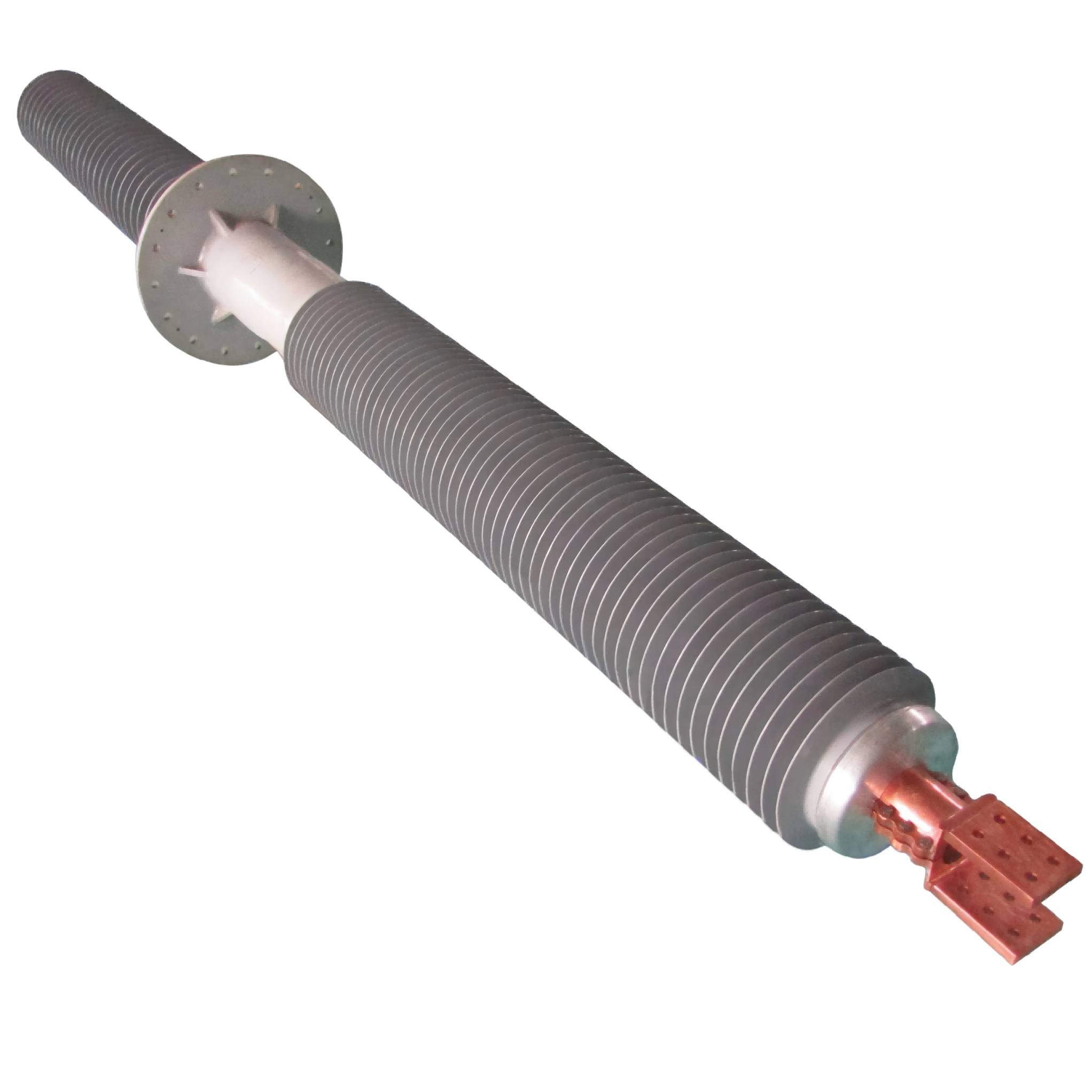
Պատի բուշը հանդիսանում է էլեկտրական հզորության համակարգերում կարևոր բաղադրիչ, որը ապահովում է անհրաժեշտ մեկուսացում և պաշտպանություն այնտեղ, որտեղ բարձր լարման հաղորդիչները անցնում են կառուցվածքային խոչընդոտների միջով: Այս մասնագիտացված սարքերը ստիպված են դիմանալ ծայրաստիճան շրջակա միջավայրի պայմաններին՝ միաժամանակ պահպանելով էլեկտրական ամբողջականությունը տարբեր կիրառումներում: Պատի բուշի տեխնոլոգիայի դիզայնի սկզբունքների հասկանալը ցույց է տալիս, թե ինչպես են ինժեներները օպտիմալացնում այս բաղադրիչները՝ ինչպես ներքին, այնպես էլ արտաքին փոխանցման կայանների համար:
Ցանկացած պատի բուշի հիմնարար դիզայնի մասին խնդիրը կայանում է մեխանիկական ամրության, էլեկտրական արդյունավետության և շրջակա միջավայրի նկատմամբ դիմացկունության հավասարակշռությունը հաստատելու մեջ: Ժամանակակից էլեկտրական ենթակառուցվածքները պահանջում են բաղադրիչներ, որոնք կարող են անվտանգ և հուսալի աշխատել տասնամյակներ շարունակ՝ առանց համակարգի անվտանգության կամ արդյունավետության վտանգի ենթարկելու: Այս պահանջը արդյունաբերության մեջ անընդհատ խթանում է նյութերի գիտության, արտադրական գործընթացների և որակի վերահսկման ստանդարտների մեջ նորարարությունների մշակումը:
Հիմնարար նախագծման սկզբունքներ
Էլեկտրական մեկուսացման պահանջներ
Յուրաքանչյուր պատի բուշինգը պետք է ապահովի բավարար էլեկտրական մեկուսացում լիցքավորված հաղորդչի և հողավորված կառուցվածքային պատի միջև: Մեկուսացման դիզայնը կախված է մի շարք կրիտիկական գործոններից, այդ թվում՝ շահագործման լարման, հոսանքի արժեքի և շրջակա միջավայրի լարվածության մակարդակներից: Ինժեներները հաշվարկում են անհրաժեշտ սահող հեռավորությունը և պայթյունի հեռավորությունը՝ հիմնվելով աղտոտման ծանրության և տեղադրման վայրում մթնոլորտային պայմանների վրա:
Մեկուսացնող նյութերի դիէլեկտրիկ ամրությունը որոշում է պատի բուշինգի հավաքածուի նվազագույն պատի հաստությունը և ընդհանուր երկրաչափական ձևը: Փորսելանը, պոլիմերային կոմպոզիտները և ապակին յուրաքանչյուրը տալիս են իրենց առավելությունները՝ կախված կոնկրետ կիրառման պահանջներից: Զարգացած համակարգչային մոդելավորումը օգնում է օպտիմալացնել էլեկտրական դաշտի բաշխումը՝ կորոնայի առաջացումը և հետևանքների առաջացումը կանխելու համար:
Ջերմաստիճանի շրջանային փոփոխությունները լրացուցիչ լարվածություն են ստեղծում մեկուսացնող նյութերի վրա, հատկապես՝ տարբեր բաղադրիչների միջև գտնվող սահմանային մակերեսներում: Ջերմային ընդարձակման գործակիցները պետք է համապատասխանեցվեն մեծ զգուշությամբ՝ շահագործման ջերմաստիճանային միջակայքում մեխանիկական ավարտի կանխարգելման համար: Ժամանակակից պատի բուշի դիզայնները ներառում են ճկուն ամրացման համակարգեր, որոնք հաշվի են առնում ջերմային շարժումը՝ միաժամանակ պահպանելով եղանակային պաշտպանության ամբողջականությունը:
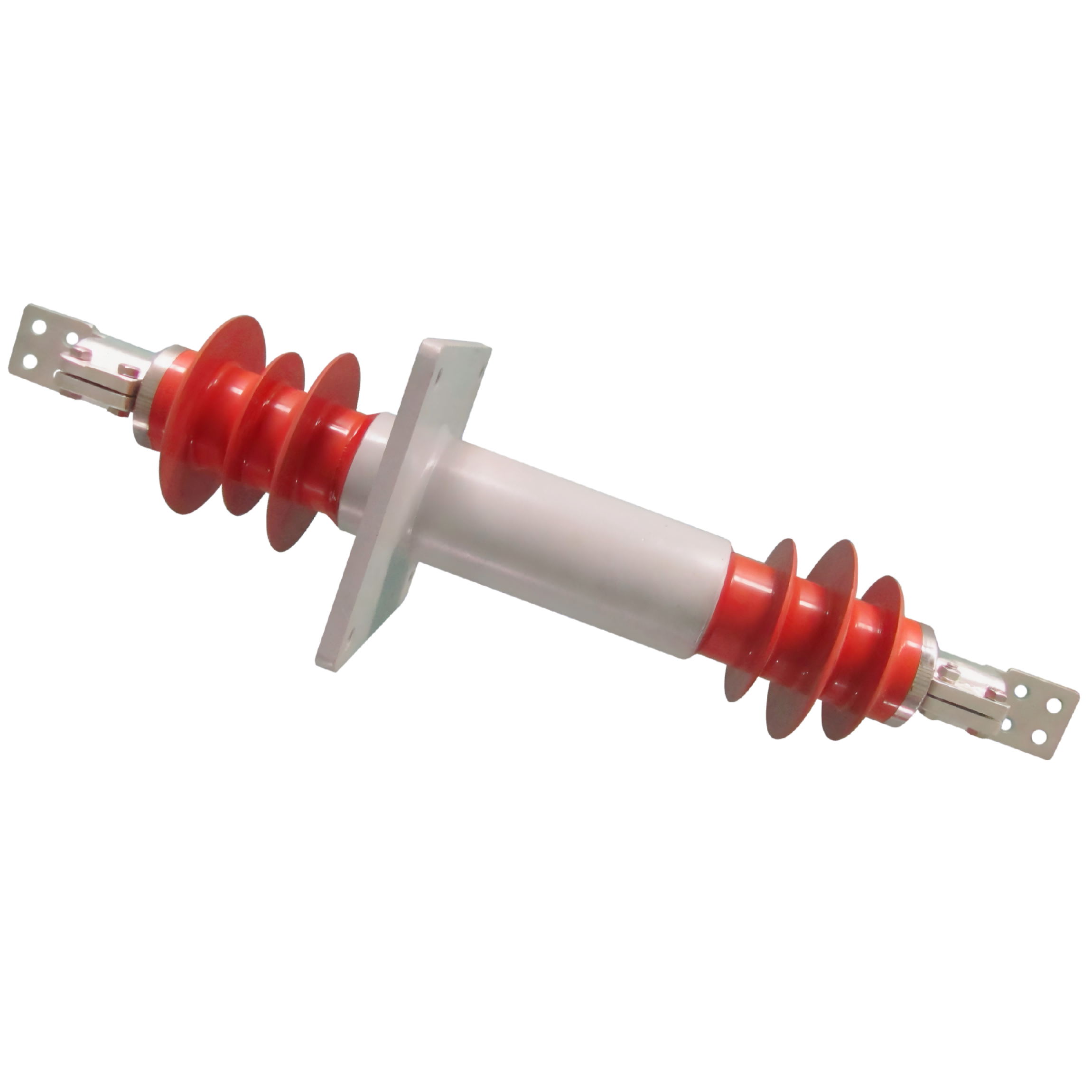
Մեխանիկական ամրության հաշվառում
Պատի բուշի մեխանիկական դիզայնը պետք է դիմանա հաղորդիչի քաշից, ջերմային ընդարձակման, սեյսմիկ ակտիվության և քամու բեռնվածությունից առաջացած մեծ ուժերին: Կանթելևերային բեռնվածությունը ստեղծում է ամենադժվար լարվածության պայմանները, ինչը պահանջում է ամուր մոնտաժային դասավորություն և ճիշտ բեռնվածության բաշխում: Վերջավոր տարրերի վերլուծությունը օգնում է ինժեներներին օպտիմալացնել կառուցվածքային երկրաչափությունը՝ լարվածության կենտրոնացման նվազեցման համար:
Հաղորդիչ խողովակի նյութի ընտրությունը սովորաբար ներառում է բարձր ամրության ալյումինե համաձուլվածքներ կամ պղինձ, որոնք ապահովում են հիասքանչ էլեկտրահաղորդականություն՝ միաժամանակ պահպանելով մեխանիկական հատկությունները: Պատի բուշի մոնտաժային սեղանը պետք է բաշխի բեռնվածքը ստորակայանող կառուցվածքի վրա՝ առանց ստեղծելու տեղային լարվածության կետեր, որոնք կարող են հանգեցնել վարակվածության առաջացման:
Վարակվածության հոսանքներից և միացման/անջատման գործողություններից առաջացող դինամիկ բեռնվածքները կարող են մեծ մեխանիկական լարվածություն ստեղծել պատի բուշի հավաքածուի վրա: Կարճ միացման դիմացկունության հատկությունը պահանջում է հատուկ ուշադրություն նվիրել էլեկտրամագնիսական ուժերին և դրանց փոխազդեցությանը մեխանիկական ստորակայանման համակարգի հետ: Ճիշտ նախագծման արժեքները երաշխավորում են հուսալի աշխատանք նաև անսովոր շահագործման պայմաններում:
Ներքին Կիրառում Սպեցիֆիկացիաներ
Կառավարվող միջավայրի առավելություններ
Ներքին պատի բուշինգների մոնտաժը շահում է վերահսկվող միջավայրային պայմաններից, որոնք նվազեցնում են շատ արտաքին լարվածության գործոններ: Ջերմաստիճանի տատանումները մնում են չափավոր՝ համեմատած արտաքին կիրառումների հետ, ինչը թույլ է տալիս ավելի կանխատեսելի ջերմային ցիկլավորման օրինակներ: Ուղիղ արևային ճառագայթման, տեղումների և քամու բեռնվածության բացակայությունը պարզեցնում է միջավայրային պաշտպանության դիզայնի պահանջները:
Աղտոտման կուտակումը սովորաբար տեղի է ունենում ավելի ցածր արագությամբ ներքին միջավայրերում, ինչը հնարավորություն է տալիս օգտագործել ավելի կարճ սահքի հեռավորություններ և ավելի կոմպակտ դիզայններ: Սակայն արդյունաբերական համալիրները կարող են առաջացնել հատուկ աղտոտիչներ, որոնք պահանջում են հատուկ ուշադրություն նյութերի ընտրության և մակերևույթի մշակման վերաբերյալ: Պարբերաբար կատարվող սպասարկման հնարավորությունը թույլ է տալիս իրականացնել մաքրման և ստուգման ծրագրեր, որոնք երկարացնում են սպասարկման ժամկետը:
Հրդեհային անվտանգության պահանջները հաճախ որոշում են ներքին պատի բուշի կիրառման համար կոնկրետ նյութերի ընտրությունը: Լվացվող բուշերի հրդեհադիմացկուն հատկությունները և մակույկի առաջացման նվազագույն մակարդակը դառնում են կարևորագույն գործոններ, հատկապես փակ վահանակավորման սենյակներում և ստորերկյա տեղադրումներում: Շենքերի կառուցման կանոնակարգերի և էլեկտրական անվտանգության ստանդարտների պահպանումը ձևավորում է ներքին կիրառումների համար ընդհանուր նախագծման մոտեցումը:
Տարածքի օպտիմիզացիայի եղանակներ
Ներքին տեղադրումները հաճախ ներառում են տարածքի սահմանափակումներ, որոնք պահանջում են կոմպակտ պատի բուշերի նախագծում՝ առանց կատարողականության վրա ազդելու: Մոդուլային կառուցման տեխնիկան թույլ է տալիս ստեղծել հարմարեցված կոնֆիգուրացիաներ, որոնք տեղավորվում են գոյություն ունեցող շենքերի կառուցվածքներում՝ պահպանելով ճիշտ էլեկտրական միջակայքերը: Ստանդարտացված մոնտաժային միջերեսները հեշտացնում են տեղադրումը և ապագայում սպասարկման գործողությունները:
Մոնիտորինգի համակարգերի ինտեգրումը դառնում է ավելի գործնական ներքին միջավայրերում, որտեղ հեշտությամբ հասանելի են էլեկտրամատակարարման և կապի ենթակառուցվածքները: Ինտելեկտուալ պատի բուշինգների նախագծերը ներառում են ջերմաստիճանի, մասնակի այրման և մեխանիկական թափառումների մոնիտորինգի համար սենսորներ: Այս հնարավորությունը թույլ է տալիս կիրառել կանխատեսող սպասարկման ռազմավարություններ, որոնք օպտիմալացնում են ակտիվների օգտագործումը:
Էսթետիկ համարձակումները կարող են ազդել ներքին կիրառումների համար նախագծման ընտրությունների վրա, հատկապես այն առևտրային կամ հաստատություններում, որտեղ պատի բուշինգը տեսանելի է շենքի բնակեցվածների համար: Մաքուր և պրոֆեսիոնալ տեսքի համար անհրաժեշտ է ուշադրություն դարձնել մակերևույթի վերջնական մշակմանը և ընդհանուր չափաբաժիններին՝ պահպանելով էլեկտրական կատարողականության ստանդարտները:
Արտաքին կիրառման մարտահրավերներ
Եղանակային դիմադրության պահանջներ
Արտաքին պատի բուշի դիզայնները պետք է դիմանան ծայրահեղ եղանակային պայմանների՝ ներառյալ ջերմաստիճանի փոփոխությունները, ուլտրամանուշակագույն ճառագայթումը, քամու բեռնվածությունը, սառցի առաջացումը և տեղումները: Այս շրջակա միջավայրի բեռնվածությունները պահանջում են համապատասխան նյութերի ընտրություն և պաշտպանիչ մշակումներ, որոնք երկարատև արտաքին ազդեցության ընթացքում պահպանում են սարքի աշխատանքային ցուցանիշները: Պոլիմերային նյութերը հաճախ պարունակում են ՈՒՄ կայունացնողներ և ջրամետաղային մակերեսային մշակումներ՝ մաշվելու դեմ դիմացողություն ապահովելու համար:
Կայուն լուսնային պաշտպանությունը դառնում է արտաքին տեղադրումների համար կրիտիկական հարց, որը պահանջում է լարման սահմանափակիչներ և ճիշտ հողավորման համակարգեր: Պատի բուշի դիզայնը պետք է հնարավորություն տա լուսնային միացման սարքավորումների տեղադրման համար՝ միաժամանակ պահպանելով ճիշտ էլեկտրական միջակայքերը: Պաշտպանության համակարգի և ընդհանուր ենթակայանի լուսնային պաշտպանության միջև համակարգավորումը ապահովում է լիարժեք պաշտպանություն: պատի մեջ անցկացվող իզոլյացիոն խողովակ պաշտպանության համակարգի և ընդհանուր ենթակայանի լուսնային պաշտպանության միջև համակարգավորումը ապահովում է լիարժեք պաշտպանություն:
Սեյսմիկ դիզայնի պահանջները կախված են երկրագրական տեղաբաշխումից և տեղական շենքերի կառուցման կանոնակարգերից և կարող են զգալիորեն տարբերվել: Բարձր սեյսմիկ գոտիներում անհրաժեշտ են ճկուն մոնտաժային համակարգեր և ուժեղացված կառուցվածքային միացումներ, որոնք կարող են դիմանալ գետնի շարժմանը՝ առանց վթարման: Դինամիկ վերլուծությունը օգնում է օպտիմալացնել բնական հաճախականության բնութագրերը՝ խուսափելու երկրաշարժի ժամանակ ռեզոնանսային պայմաններից:
Աղտոտման կառավարում
Արտաքին պատի բուշինգների մակերևույթների աղտոտումը ամենամեծ երկարաժամկետ հուսալիության մարտահրավերն է: Ծովային շրջաններում աղի մառախուղը, արդյունաբերական մթնոլորտային արտանետումները և գյուղատնտեսական փոշին բոլորն էլ նպաստում են մակերևույթի աղտոտմանը, ինչը նվազեցնում է պարզատակի լարումը: Երկարացված սահող հեռավորության պահանջները և մասնագիտացված մակերևույթի պրոֆիլները օգնում են պահպանել բավարար մեկուսացման մակարդակ:
Ջրամետաղային մակերևույթի մշակումները թույլ են տալիս ջրի ձևավորել առանձին կաթիլներ, այլ ոչ թե շարունակական թաղանթներ, ինչը պահպանում է մակերևույթի բարձր դիմադրությունը խոնավ պայմաններում: Այս մշակումները պահպանելու համար անհրաժեշտ է պարբերաբար վերանորոգել դրանք՝ ապահովելու դրանց արդյունավետությունը ծառայության ամբողջ ժամանակահատվածում: Որոշ ժամանակակից պատի բուշինգների դիզայններ ներառում են ինքնամաքրվող մակերևույթներ, որոնք նվազեցնում են սպասարկման անհրաժեշտությունը:
Արտաքին տեղադրումների դեպքում անհրաժեշտ են վայրի բնության պաշտպանության միջոցներ՝ կենդանիների հետ շփման կանխման համար, որը կարող է առաջացնել անջատումներ կամ սարքավորումների վնասում: Թռչունների պաշտպանական սարքերը, կենդանիների արգելափակիչները և ճիշտ միջակայքի դիզայնը օգնում են նվազեցնել վայրի բնության հետ կապված դեպքերը: Այս պաշտպանական միջոցները պետք է անմիջապես ինտեգրվեն պատի բուշինգի դիզայնի մեջ՝ առանց վտանգելու էլեկտրական ցուցանիշները:
Նյութի Ընտրման Կրիտերիոններ
Իզոլյացիոն նյութերի հատկություններ
Պորսելանը մնում է պատերի բուշինգային իզոլյատորների համար ավանդական ընտրություն՝ շնորհիվ իր հիասքանչ էլեկտրական հատկությունների, մեխանիկական ամրության և երկար շահագործման պատմության: Սակայն պորսելանի փխրունությունը և վանդալիզմի նկատմամբ վտանգվածությունը խթանել են այլընտրանքային նյութերի մշակումը: Ժամանակակից պորսելանի բաղադրությունները ներառում են բարելավված գլազուրային համակարգեր, որոնք բարելավում են աղտոտման դիմացկունությունը և մեխանիկական տևականությունը:
Կոմպոզիտային պոլիմերային իզոլյատորները մեծ առավելություններ են տալիս սեյսմիկ շրջաններում և այն կիրառումներում, որտեղ կշռի նվազեցումը կարևոր է: Սիլիկոնային ռետինի և EPDM-ի պատյանները ապահովում են հիասքանչ հիդրոֆոբ հատկություններ և դիմացկունություն մակերեսային արագացված ապակայման (տրեկինգ) և էրոզիայի նկատմամբ: Ֆիբերով ամրացված պլաստիկ սրտիկը ապահովում է մեխանիկական ամրություն՝ պահպանելով թեթև կշռի հատկությունները:
Ապակյա իզոլյատորները ներկայացնում են միջանկյալ տարբերակ, որը միավորում է պորսելենի և պոլիմերային նյութերի շատ առավելություններ: Ամրացված ապակին ապահովում է լավ մեխանիկական ամրություն և էլեկտրական հատկություններ՝ միաժամանակ առաջարկելով որոշ առավելություններ արտադրության համասեռության մեջ: Ապակու հարթ մակերեսը հեշտացնում է մաքրումը և նվազեցնում է աղտոտման կուտակումը շատ միջավայրերում:
Հաղորդիչներ և ֆուրնիտուրայի նյութեր
Ալյումինե հաղորդիչ խողովակները գերակշռում են ժամանակակից պատի բուշինգների դիզայնում՝ շնորհիվ իրենց հիասքանչ հաղորդականության դիմաց քաշի հարաբերակցության և կոռոզիայի դիմացկունության: Ճիշտ համաձուլվածքի ընտրությունը ապահովում է բավարար մեխանիկական հատկություններ՝ պահպանելով էլեկտրական կատարողականությունը: Մակերեսի մշակումները և պաշտպանիչ ծածկույթները երկարացնում են ծառայության ժամկետը կոռոզիայի ենթակա միջավայրերում:
Հարմարանքների բաղադրիչների համար անհրաժեշտ է զգույշ ընտրել նյութեր՝ համապատասխան գալվանական համատեղելիություն ապահովելու և տարբեր մետաղների միջև կոռոզիան կանխելու համար: Ներկված ստալի ամրացման մասերը և ցինկապատված ստալի ամրակները երկարատև հուսալիություն են ապահովում՝ միաժամանակ պահպանելով համեմատաբար ընդունելի ծախսեր: Ճիշտ ընտրված սեղման մասերի նյութերը ապահովում են եղանակային պաշտպանություն ամբողջ շահագործման ժամանակահատվածում:
Երկրակայունացման միացումները օգտագործում են բարձր հաղորդականությամբ նյութեր՝ համապատասխան կոռոզիայի դեմ պաշտպանությամբ: Պղնձե կամ ալյումինե երկրակայունացման ժապավենները պետք է պահպանեն ցածր դիմադրությամբ միացումներ՝ անկախ ջերմային ցիկլավորումից և մեխանիկական թրթռումից: Էքզոթերմիկ երկաթավորումը կամ սեղմման միացումները կրիտիկական երկրակայունացման կիրառումներում ապահովում են հուսալի երկարատև աշխատանք:
Փորձարկման և վավերացման ընթադարձքներ
Էլեկտրական աշխատանքի ստուգում
Լիարժեք էլեկտրական փորձարկումները հաստատում են պատի բուշի աշխատանքային ցուցանիշները սովորական և անսովոր շահագործման պայմաններում: Դիէլեկտրիկ դիմացկունության փորձարկումները ստուգում են մեկուսացման ամբողջականությունը սովորական շահագործման մակարդակից զգալիորեն բարձր լարումների դեպքում: Հաճախականության փորձարկումները և իմպուլսային փորձարկումները նմանակում են շահագործման ընթացքում առաջացող տարբեր տեսակի էլեկտրական լարվածությունները:
Մասնակի այրման փորձարկումները հայտնաբերում են մեկուսացման համակարգի հնարավոր թույլ կետերը՝ նախքան դրանք վերածվելը լրիվ անհաջողության: Ժամանակակից փորձարկման սարքավորումները կարող են հայտնաբերել մասնակի այրման ակտիվության արտասովոր ցածր մակարդակներ, ինչը հնարավորություն է տալիս իրականացնել որակի վերահսկում արտադրության ընթացքում և ընդունման փորձարկումներ տեղադրման ժամանակ: Ջերմաստիճանի բարձրացման փորձարկումները երաշխավորում են բավարար հոսանքի տարափոխման հնարավորություն՝ առանց չափից շատ տաքացման:
Կորոնայի առաջացման լարման փորձարկումը որոշում է կորոնայի ակտիվության սկիզբը տարբեր միջավայրային պայմանների տակ: Այս տեղեկատվությունը օգնում է սահմանել ճիշտ միջակայքերի պահանջները և վավերացնել էլեկտրոդների ձևավորման արդյունավետությունը՝ նվազեցնելու էլեկտրական դաշտի կենտրոնացումը: Ռադիոխաչաձայնման փորձարկումը ապահովում է համատեղելիության էլեկտրամագնիսական պահանջների պահպանումը:
Մեխանիկական և միջավայրային փորձարկումներ
Մեխանիկական փորձարկման պրոտոկոլները ստուգում են պատերի բուշինգների աշխատանքը ստատիկ և դինամիկ բեռնվածության պայմաններում: Կանտիլևերային բեռնվածության փորձարկումը նմանակում է հաղորդիչների միացման և ջերմային ընդարձակման կողմից առաջացված մեխանիկական ուժերը: Վիբրացիայի փորձարկումը գնահատում է քամու կողմից առաջացված տատանումների և երկրաշարժային ակտիվության նկատմամբ դիմացկունությունը:
Շրջակա միջավայրի փորձարկումները պատի բուշի նմուշներին ենթարկում են արագացված ծերացման պայմանների, որոնք նմանակում են տասնամյակներ շարունակ արտաքին միջավայրում ենթարկվելու պայմանները: Աղի սառույցի փորձարկումը գնահատում է կոռոզիայի դիմացկունությունը, իսկ ջերմային ցիկլավորման փորձարկումները՝ ջերմաստիճանի տատանումների ազդեցությունը: UV ճառագայթման փորձարկումը հաստատում է պոլիմերային նյութերի և մակերևույթային մշակումների երկարաժամկետ կայունությունը:
Աղտոտվածության կատարողականության փորձարկումը գնահատում է պատի բուշինգների վարքը աղտոտված պայմաններում՝ օգտագործելով ստանդարտացված աղային մառախուղի փորձարկման ընթացակարգեր: Այս փորձարկումները օգնում են սահմանել համապատասխան սահքի հեռավորության պահանջները և վավերացնել հիդրոֆոբ մակերևույթային մշակումների արդյունավետությունը: Բազմաստրեսային փորձարկումը միավորում է էլեկտրական, մեխանիկական և միջավայրային գործոնները՝ ընդհանուր հուսալիությունը գնահատելու համար:
Տեղադրման և պահպանման դիտարկումներ
Տեղադրման պատշաճ պրակտիկա
Ճիշտ պատի բուշի տեղադրումը պահանջում է մշակման համապատասխանության, մոմենտի սահմանափակումների և լուծարման գործողությունների նկատմամբ մեծ ուշադրություն: Համապատասխանության խախտումը կարող է առաջացնել լարվածության կենտրոնացումներ, որոնք հանգեցնում են վաղաժամկետ ձախողման, իսկ սխալ լուծարումը՝ խոնավության ներթափանցման, որն իր հերթին վատացնում է էլեկտրական ցուցանիշները: Տեղադրման աշխատակազմը պետք է հետևի արտադրողի սահմանափակումներին և ճյուղի լավագույն գործնական մեթոդներին:
Հողավորման համակարգի տեղադրումը ապահովում է արդյունավետ վթարման հոսանքի ճանապարհներ և կայծակի պաշտպանություն: Ճիշտ միացման մեթոդները և կոռոզիայի դեմ պաշտպանությունը ապահովում են ցածր դիմադրությամբ հողավորում ծառայության ամբողջ ժամանակահատվածում: Տեղադրման փորձարկումները ստուգում են էլեկտրական ցուցանիշները և մեխանիկական ամրությունը մինչև հոսանքի միացումը:
Տեղադրման ընթացքում իրականացվող որակի վերահսկումը ներառում է ճիշտ լուսանցքների, միացման մոմենտների և ամբողջականության ստուգումը: Տեղադրման պարամետրերի փաստաթղթավորումը ապահովում է արժեքավոր տեղեկատվություն ապագայում կատարվելիք սպասարկման և խնդիրների լուծման գործողությունների համար: Լուսանկարների միջոցով կատարվող փաստաթղթավորումը օգնում է հետևել կոնֆիգուրացիայի փոփոխություններին և սպասարկման պատմությանը:
Պահպանական fontStyle Maintenance Programs
Պատկանելի ստուգման ծրագրերը հնարավորություն են տալիս հայտնաբերել առաջացող խնդիրները՝ մինչև դրանք հանգեցնեն սպասարկման ընդհատումների: Վիզուալ ստուգումները հայտնաբերում են ճեղքվածքներ, աղտոտվածություն, կոռոզիա և այլ վատթարման նշաններ, որոնք պահանջում են ուշադրություն: Ջերմային նկարահանման հետազոտությունները հայտնաբերում են տաք կետեր, որոնք ցույց են տալիս վատ միացումներ կամ վերաբեռնվածության վիճակ:
Մաքրման ընթացակարգերը վերացնում են պատի բուշինգների մակերեսներին ժամանակի ընթացքում կուտակվող աղտոտվածությունը: Բարձր ճնշման տակ լվացումը և մասնագիտացված մաքրման միջոցները վերականգնում են մակերեսի հատկությունները և երկարացնում են շահագործման ժամկետը: Մաքրման հաճախականությունը կախված է տեղական աղտոտվածության մակարդակից և շրջակա միջավայրի պայմաններից:
Հարմարավետ փորձարկման սարքավորումների օգտագործումը կատարողականության հսկման համար օգնում է հետևել պատի բուշի վիճակին ժամանակի ընթացքում: Իզոլյացիայի դիմադրության չափումները, հզորության գործակցի փորձարկումը և մասնակի այրման հսկումը տրամադրում են էլեկտրական վիճակի քանակական գնահատական: Տրենդերի վերլուծությունը օգնում է Prognozավորել, թե երբ կարող է անհրաժեշտ լինել սպասարկումը կամ փոխարինումը:
Հաճախադեպ տրվող հարցեր
Ի՞նչ գործոններ են որոշում տվյալ կիրառման համար համապատասխան պատի բուշի դիզայնը:
Պատի բուշի դիզայնի ընտրությունը կախված է մի շարք կրիտիկական գործոններից, այդ թվում՝ շահագործման լարումից, հոսանքի գնահատականից, շրջակա միջավայրի պայմաններից, սեյսմիկ պահանջներից և տարածքային սահմանափակումներից: Ներքին կիրառումների դեպքում հնարավոր է ավելի կոմպակտ դիզայններ օգտագործել՝ շրջակա միջավայրի պայմանները վերահսկվող լինելու պատճառով, իսկ արտաքին տեղադրումների դեպքում անհրաժեշտ է բարելավված եղանակային պաշտպանություն և երկար թափանցման հեռավորություն: Տեղադրման վայրում առկա աղտոտման մակարդակը որոշում է իզոլյացիոն բաղադրիչների անհրաժեշտ մակերեսը և պրոֆիլի դիզայնը:
Ինչպե՞ս են նյութերի ընտրությունը ազդում պատի բուշերի աշխատանքի վրա և դրանց երկարատևության վրա
Նյութերի ընտրությունը կարևոր ազդեցություն ունի պատի բուշերի էլեկտրական աշխատանքի և ծառայության ժամանակահատվածի վրա: Փորսելանե իզոլյատորները ապահովում են հիասքանչ էլեկտրական հատկություններ և ապացուցված հուսալիություն, սակայն սեյսմիկ գոտիներում կարող են վնասվել մեխանիկական ազդեցության տակ: Պոլիմերային կոմպոզիտային նյութերը առաջարկում են բարելավված մեխանիկական հատկություններ և թեթև քաշ, սակայն արտաքին կիրառումների համար պահանջում են հատուկ ՈՒՖ կայունացում: Հաղորդիչների նյութերի ընտրությունը ազդում է ինչպես էլեկտրական աշխատանքի, այնպես էլ ջերմային հատկությունների վրա, որտեղ ալյումինե համաձուլվածքները ապահովում են հաղորդականության և մեխանիկական ամրության օպտիմալ հավասարակշռություն:
Ինչ սպասարկման պահանջներ են տարածվում տարբեր տիպի պատի բուշերի վրա
Սպասարկման պահանջները զգալիորեն տարբերվում են ներքին և արտաքին պատի բուշինգների տեղադրման դեպքերում: Արտաքին միավորները պահանջում են կանոնավոր մաքրում՝ աղտոտումը վերացնելու համար, սեռափակման համակարգերի պարբերական ստուգում և հիդրոֆոբ մակերեսային մշակումների վերահսկում: Ներքին տեղադրումները սովորաբար պահանջում են ավելի հազվադեպ սպասարկում, սակայն պահանջում են օդի որակի ազդեցության վերաբերյալ ուշադրություն և ճիշտ օդափոխություն: Բոլոր տեսակի պատի բուշինգները շահում են էլեկտրական փորձարկման և ջերմային վերահսկման պարբերական կատարումից՝ սպասարկման ընդհատումներ առաջացնելուց առաջ առաջացող խնդիրները հայտնաբերելու համար:
Ինչպե՞ս են շրջակա միջավայրի պայմանները ազդում պատի բուշինգների նախագծման սահմանափակումների վրա:
Շրջակա միջավայրի պայմանները ուղղակիորեն ազդում են պատի բուշի դիզայնի պահանջների վրա, հատկապես արտաքին տեղադրման դեպքում: Բարձր աղտոտվածության գոտիներում անհրաժեշտ են երկարացված սահքի հեռավորություններ և մասնագիտացված մակերևույթի մշակման մեթոդներ՝ ապահովելու համապատասխան մեկուսացման մակարդակը: Ծովային միջավայրերում անհրաժեշտ է ուժեղացված կոռոզիայի դեմ պաշտպանություն և աղի դիմացկուն նյութեր: Էքստրեմալ ջերմաստիճանների գոտիներում անհրաժեշտ են նյութեր և լուծարման համակարգեր, որոնք կարող են դիմանալ կարևոր ջերմային ցիկլավորմանը՝ առանց վատացման: Սեյսմիկ գոտիներում անհրաժեշտ են ճկուն մոնտաժային համակարգեր և ուժեղացված կառուցվածքային միացումներ՝ հողի շարժումներին դիմանալու համար:
Բովանդակության ցուցակ
- Հիմնարար նախագծման սկզբունքներ
- Ներքին Կիրառում Սպեցիֆիկացիաներ
- Արտաքին կիրառման մարտահրավերներ
- Նյութի Ընտրման Կրիտերիոններ
- Փորձարկման և վավերացման ընթադարձքներ
- Տեղադրման և պահպանման դիտարկումներ
-
Հաճախադեպ տրվող հարցեր
- Ի՞նչ գործոններ են որոշում տվյալ կիրառման համար համապատասխան պատի բուշի դիզայնը:
- Ինչպե՞ս են նյութերի ընտրությունը ազդում պատի բուշերի աշխատանքի վրա և դրանց երկարատևության վրա
- Ինչ սպասարկման պահանջներ են տարածվում տարբեր տիպի պատի բուշերի վրա
- Ինչպե՞ս են շրջակա միջավայրի պայմանները ազդում պատի բուշինգների նախագծման սահմանափակումների վրա: